Sunflower Lecithin While Breastfeeding: Does It Help Clogged Ducts?
By Breastfeeding Mom Editorial TeamUpdated 4 min read
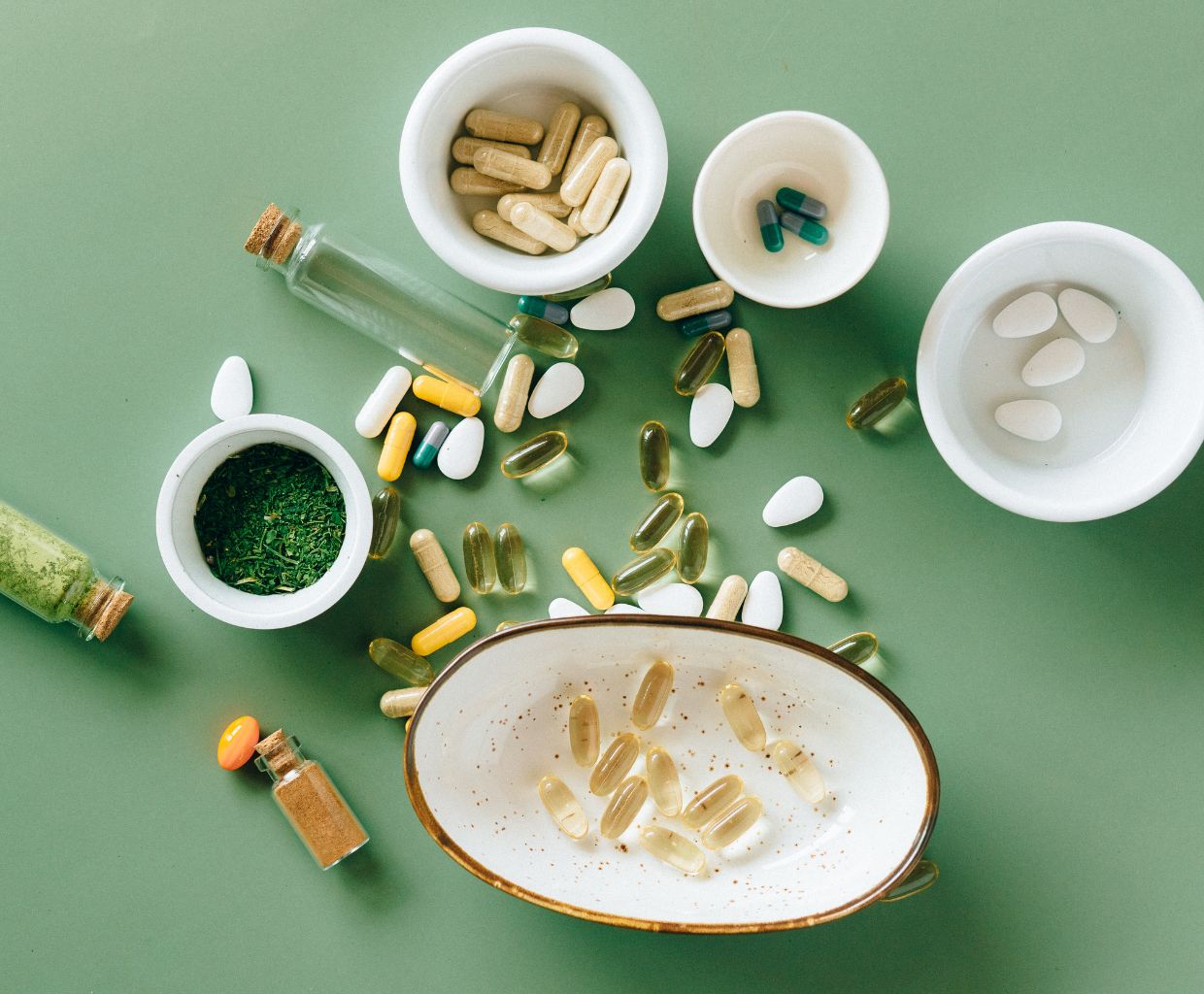
If you’ve had one clogged duct after another, someone has probably told you to try sunflower lecithin. It shows up in breastfeeding groups, lactation consultant handouts and even in the Academy of Breastfeeding Medicine’s latest protocol on breast inflammation.
But being widely recommended isn’t the same as being well proven. Here’s what lecithin is, why it’s suggested, what the evidence actually shows and what to think about before you take it.
What is sunflower lecithin?
Lecithin is a fatty substance made up mostly of phospholipids, including phosphatidylcholine and choline. It’s found naturally in foods like sunflower seeds, soybeans, rapeseed, peanuts and egg yolks, and it’s widely used as an emulsifier in food. Supplements usually come from soy or sunflower.
According to LactMed, the NIH database on medicines and supplements in breastfeeding, the components of lecithin are normal parts of human milk. Choline in particular is naturally present in breast milk.
Why is it suggested for breastfeeding?
Lecithin is mainly recommended for recurrent clogged ducts (what the ABM now calls ductal narrowing) and for milk blebs, the painful white dots on the nipple.
What the ABM protocol says
The Academy of Breastfeeding Medicine’s Protocol #36 (2022) explains that clogged ducts and blebs come from inflammation and swelling around the milk ducts, rather than from hard plugs of milk. Among the medical options to reduce that inflammation, it lists sunflower or soy lecithin taken by mouth, with the aim of reducing duct inflammation and making milk less “sticky” (emulsifying it). The protocol gives a range of 5 to 10 grams a day.
It also mentions lecithin together with a prescription steroid cream for nipple blebs. Cleveland Clinic similarly describes sunflower lecithin as a supplement that may ease duct inflammation. Our guides to clogged milk ducts and milk blebs cover the full approach.
How strong is the evidence?
Low. This is the key point to know before buying a bottle.
- The ABM grades it low. The protocol rates its recommendations with the SORT system, where an “A” is backed by consistent, good-quality patient-oriented evidence and a “C” relies on consensus, usual practice, expert opinion or case series. The lecithin recommendations are graded C.
- LactMed says the trials are missing. It states that no scientifically valid clinical studies exist on the safety and effectiveness of high-dose lecithin supplementation in nursing mothers or infants. It also found no published data on how lecithin supplements change milk levels.
- e-lactancia agrees. This database, run by a Spanish breastfeeding organization, notes there’s no scientific evidence that lecithin works for mastitis, blocked ducts or nipple blisters.
- The protocol itself has critics. A 2023 commentary in the International Breastfeeding Journal argued that several of Protocol #36’s recommendations lack a solid evidence base.
So lecithin may help some people, but it hasn’t been tested properly. It’s a “might help, unlikely to hurt” option, not a proven treatment.
Is sunflower lecithin safe while breastfeeding?
The available information is reassuring, with limits:
- e-lactancia rates lecithin as compatible with breastfeeding and reports no published adverse effects. It considers moderate use low risk because lecithin has low toxicity.
- LactMed notes that its components are already normal parts of breast milk, but that safety at high supplement doses hasn’t been studied in clinical trials.
- Supplements vary. In the US, dietary supplements don’t need FDA approval before they’re sold, so purity and strength can differ between brands. Look for products that have been independently tested for quality.
- Allergies. Soy lecithin comes from soy. If you or your baby have a soy allergy, or you’re avoiding soy for another reason, talk with your doctor before taking any lecithin. Sunflower lecithin is an alternative that doesn’t come from soy.
- Watch for anything new. If you notice symptoms in yourself or your baby after starting it, stop and check with your doctor.
Before starting, check the product and amount with your doctor, pharmacist or IBCLC, especially if you take other medicines or have health conditions. For general guidance on medicines and supplements, see our medicines and safety hub.
Lecithin isn’t a substitute for the basics
If you keep getting clogged ducts, lecithin works best as one part of a bigger plan. The ABM approach focuses on:
- Feeding your baby on cue, without extra pumping to “empty” the breast
- Treating oversupply, which is a common driver of recurrent clogs
- Ice and an anti-inflammatory pain reliever such as ibuprofen for flare-ups
- Gentle, light touch instead of deep massage
- A well-fitting, supportive bra that doesn’t press into the breast
Some of the old advice for clogs can make inflammation worse. The ABM recommends against deep massage, heavy heat and pumping extra milk to clear a lump, because these can add swelling and increase supply. If you take lecithin but keep doing those things, the supplement is unlikely to make up for them.
A lactation consultant can look for the underlying reason your ducts keep narrowing, such as oversupply or a pumping routine that removes more milk than your baby needs.
When to call a doctor or lactation consultant
Get help, rather than relying on a supplement, if:
- Clogged ducts keep coming back despite changes to feeding or pumping
- A lump doesn’t improve within a few days
- The area becomes red, hot and more painful, or you develop a fever or flu-like symptoms, which can signal mastitis
- You have nipple blebs that are very painful or not healing
Our breastfeeding support page lists where to find an IBCLC or La Leche League leader, and our Common challenges hub has more guides on breastfeeding problems.
Frequently asked questions
How long does sunflower lecithin take to work?
There are no good studies on timing. If you and your provider decide to try it, agree on how long to give it and what to do if clogs keep coming back.
Is soy lecithin or sunflower lecithin better while breastfeeding?
The ABM protocol mentions both. There's no evidence one works better. Some people choose sunflower to avoid soy, for example because of a soy allergy in the family; ask your doctor if allergies are a concern.
Does sunflower lecithin increase milk supply?
No reliable source suggests that it does. It's discussed for duct inflammation, not supply. For low supply, a lactation consultant can help you find the cause.
Can I add lecithin to pumped milk?
LactMed notes it has been added to pumped milk for preterm babies in hospital tube feeding to reduce fat loss. That's a specialized use, so don't add supplements to your baby's milk unless your baby's care team advises it.
Sources
- Academy of Breastfeeding Medicine Clinical Protocol #36: The Mastitis Spectrum, Revised 2022https://doi.org/10.1089/bfm.2022.29207.kbm
- LactMed (NIH): Lecithinhttps://www.ncbi.nlm.nih.gov/books/NBK501772/
- e-lactancia: Lecithinhttps://www.e-lactancia.org/breastfeeding/lecithin/product/
- Cleveland Clinic: Milk Blebhttps://my.clevelandclinic.org/health/diseases/24166-milk-bleb
- Douglas P. Does the Academy of Breastfeeding Medicine's Clinical Protocol #36 promote overtreatment? International Breastfeeding Journal, 2023https://doi.org/10.1186/s13006-023-00588-8
This guide is general information, not medical advice. For your own situation, talk to your doctor, midwife, pharmacist or an IBCLC lactation consultant. Read our medical disclaimer and find breastfeeding support near you.
Related articles

Milk Bleb: What That White Dot on Your Nipple Means
A tiny white dot on your nipple that hurts with every feed? Here's what a milk bleb is, why it forms and how it's treated without needles.

Clogged Milk Duct: Signs, Relief and What Not to Do
A tender lump while breastfeeding? Learn what a clogged milk duct really is, the gentle steps that help, and the signs it's turning into mastitis.

Mastitis: Symptoms, Treatment and When to Get Help
Red, painful breast and flu-like aches? Learn the signs of mastitis, current treatment advice, when antibiotics are needed and when to seek urgent care.

Thrush While Breastfeeding: Signs in Baby and You, and What Helps
White patches in your baby's mouth or burning nipples? Learn the signs of thrush while breastfeeding, how it's treated and what newer research says.