Topic guide
Safe While Breastfeeding: Medicines, Alcohol and Everyday Choices
How medicines and other substances pass into breast milk, where to check a specific drug, and evidence-based guides to common questions.
5 guides · Updated October 12, 2026
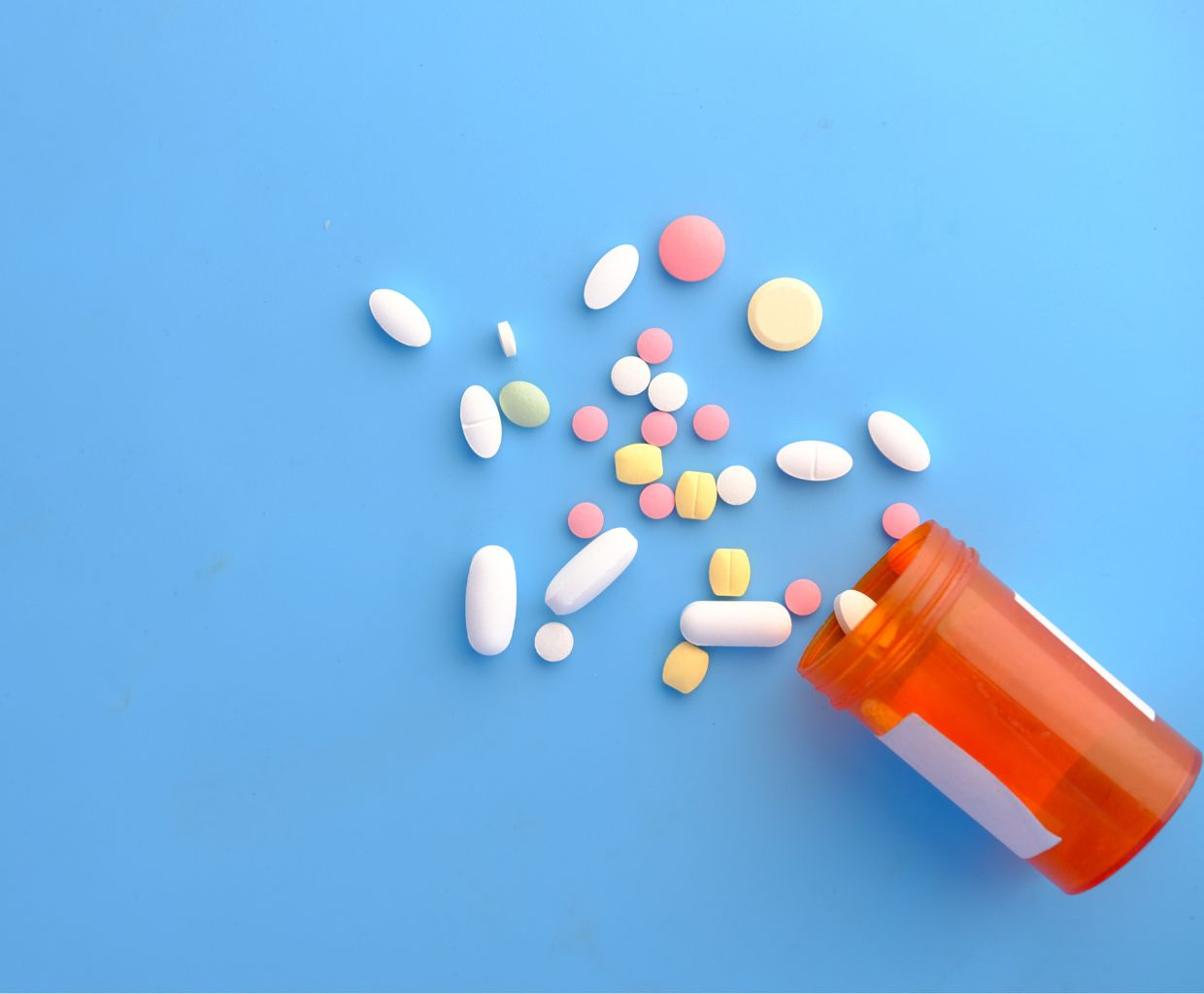
Sooner or later, almost every breastfeeding parent needs to take something: a pain reliever after birth, an antibiotic, an allergy pill, a cold remedy. It’s natural to worry about what reaches your baby. The reassuring news is that most medicines are compatible with breastfeeding, and stopping breastfeeding “just in case” is rarely necessary.
This page explains how medicines and other substances get into breast milk, what makes one situation riskier than another, and where to look up a specific product. Below, you’ll find our guides to the questions we hear most.
How medicines pass into breast milk
Most medicines reach milk by moving from your blood into the milk-making cells of the breast. In most cases, the amount that ends up in milk is a small fraction of your dose, and your baby then has to absorb it from their gut.
The CDC says it is usually safe to take prescription medicines while breastfeeding, and that most have little or no effect on milk supply or on the baby. A small number should be avoided, which is why it’s worth checking each one.
What affects the risk
Several things change how much of a medicine your baby gets and how they handle it:
- The medicine itself. Some drugs barely enter milk or are poorly absorbed by babies; others build up. A short half-life (the drug leaves your body quickly) is generally reassuring.
- Dose and duration. An occasional dose is different from daily use for months.
- Your baby’s age and health. MotherToBaby notes that babies under about 3 months may process medicines less efficiently and be more prone to side effects such as sleepiness. Premature or sick babies need extra care.
- Effects on supply. A few medicines, such as the decongestant pseudoephedrine, don’t harm the baby directly but can lower your milk supply, which matters most in the early weeks.
- How the medicine is used. Creams, nasal sprays, eye drops and inhalers usually reach milk in much smaller amounts than pills.
- Combinations. Multi-symptom products can stack ingredients you don’t need, including hidden doses of the same medicine.
Where to check a specific medicine
These free, evidence-based resources are a good first stop:
- LactMed, the National Library of Medicine’s drugs and lactation database. It summarizes the research on thousands of medicines, herbs and chemicals.
- InfantRisk Center at Texas Tech University, which offers articles and a call center for questions about medicines in pregnancy and breastfeeding.
- MotherToBaby, a service of experts who answer questions about exposures in pregnancy and breastfeeding by phone, text, chat or email.
- Your pharmacist, who can check every ingredient in a product, including combination medicines, in a few minutes.
Always tell your doctor, dentist or pharmacist that you’re breastfeeding, and how old your baby is. And don’t stop a prescribed medicine on your own: for many conditions, untreated illness is a bigger risk than the medicine.
Quick lookup: common questions
| Topic | Short answer | Guide |
|---|---|---|
| Ibuprofen (Advil, Motrin) | Preferred pain reliever; tiny amounts in milk | Ibuprofen and Tylenol |
| Acetaminophen (Tylenol) | Good choice for pain and fever | Ibuprofen and Tylenol |
| Aspirin (pain doses) | Not usually recommended; ask first | Ibuprofen and Tylenol |
| Pseudoephedrine (Sudafed) | Can lower milk supply | Cold medicine |
| DayQuil, NyQuil, Mucinex | Most ingredients compatible; watch decongestants and drowsy ingredients | Cold medicine |
| Diphenhydramine (Benadryl) | Occasional small doses only; may cause drowsiness | Benadryl |
| Loratadine (Claritin) | Preferred non-drowsy antihistamine | Benadryl |
| Alcohol | Not drinking is safest; up to 1 drink a day, wait 2 hours per drink | Breastfeeding and alcohol |
| New tattoo | No evidence ink harms baby; infection risk; many studios ask you to wait | Tattoos |
Alcohol, caffeine and everyday choices
Medicines aren’t the only thing parents ask about. The CDC says not drinking alcohol is the safest choice, but an occasional drink with the right timing is not known to harm babies, and pumping and dumping doesn’t speed things up. Body art is another common question: our guide on getting a tattoo while breastfeeding gives a balanced look at the evidence and the practical risks.
For caffeine, fish and other food questions, see our nutrition and health section.
When to get personal advice
Ask a doctor, pharmacist or IBCLC before taking a medicine if your baby is a newborn, premature or unwell, if you need a medicine long term, or if your milk supply is already low. Contact your baby’s doctor if your baby seems unusually sleepy, irritable or isn’t feeding well after you start something new. If you need help finding a lactation consultant, our breastfeeding support page can point you in the right direction.
All medicines & safety guides

Breastfeeding and Alcohol: How Long to Wait After a Drink
What the CDC says about breastfeeding and alcohol: how much is okay, how long to wait after a drink, and why pumping and dumping doesn't help.

Can You Take Benadryl While Breastfeeding?
An occasional dose of Benadryl is unlikely to harm your baby, but it can cause drowsiness and may affect supply. Here's when non-drowsy options are better.

Cold Medicine While Breastfeeding: DayQuil, NyQuil, Mucinex and Decongestants
Which cold medicine ingredients are fine while breastfeeding, which can lower your milk supply, and how to read DayQuil, NyQuil and Mucinex labels.

Can You Take Ibuprofen While Breastfeeding? Ibuprofen, Tylenol and What to Avoid
Ibuprofen and acetaminophen (Tylenol) are the go-to pain relievers while breastfeeding. Here's why, plus what to know about aspirin and naproxen.
Can You Get a Tattoo While Breastfeeding? Risks, Timing and Laser Removal
There's no direct evidence that tattoo ink harms breastfed babies, but infection risk and unknowns remain. Here's a balanced look at timing and removal.
Frequently asked questions
Do I have to stop breastfeeding to take medicine?
Rarely. The CDC says it is usually safe to take prescription medicines while breastfeeding, and most have little or no effect on milk supply or the baby. If a medicine isn't suitable, there is often a compatible alternative.
Should I pump and dump after taking medicine?
Usually not. For most compatible medicines there is no need to discard milk. If a specific medicine requires a pause, your doctor or pharmacist will tell you how long.
Are herbal supplements safe while breastfeeding?
Not necessarily. Herbal products are not regulated like medicines, quality varies, and most have little or no breastfeeding research. Check them in LactMed and with your provider before taking them.
Can I get vaccines while breastfeeding?
Most vaccines, including flu and COVID-19 vaccines, can be given while breastfeeding. Ask your doctor about any vaccine you're offered.
Sources
- CDC: Prescription Medication Use and Breastfeedinghttps://www.cdc.gov/breastfeeding-special-circumstances/hcp/vaccine-medication-drugs/prescriptions.html
- NIH: Drugs and Lactation Database (LactMed)https://www.ncbi.nlm.nih.gov/books/NBK501922/
- MotherToBaby: Breastfeeding: Treating Cough and Cold Symptomshttps://mothertobaby.org/baby-blog/breastfeeding-treating-cough-and-cold-symptoms/
- InfantRisk Center: Cold and Flu Medications While Breastfeedinghttps://infantrisk.com/content/cold-flu-medications-breastfeeding
- CDC: Alcohol and Breastfeedinghttps://www.cdc.gov/breastfeeding-special-circumstances/hcp/vaccine-medication-drugs/alcohol.html
This guide is general information, not medical advice. For your own situation, talk to your doctor, midwife, pharmacist or an IBCLC lactation consultant. Read our medical disclaimer and find breastfeeding support near you.