Breastfeeding and Alcohol: How Long to Wait After a Drink
By Breastfeeding Mom Editorial TeamUpdated 5 min read
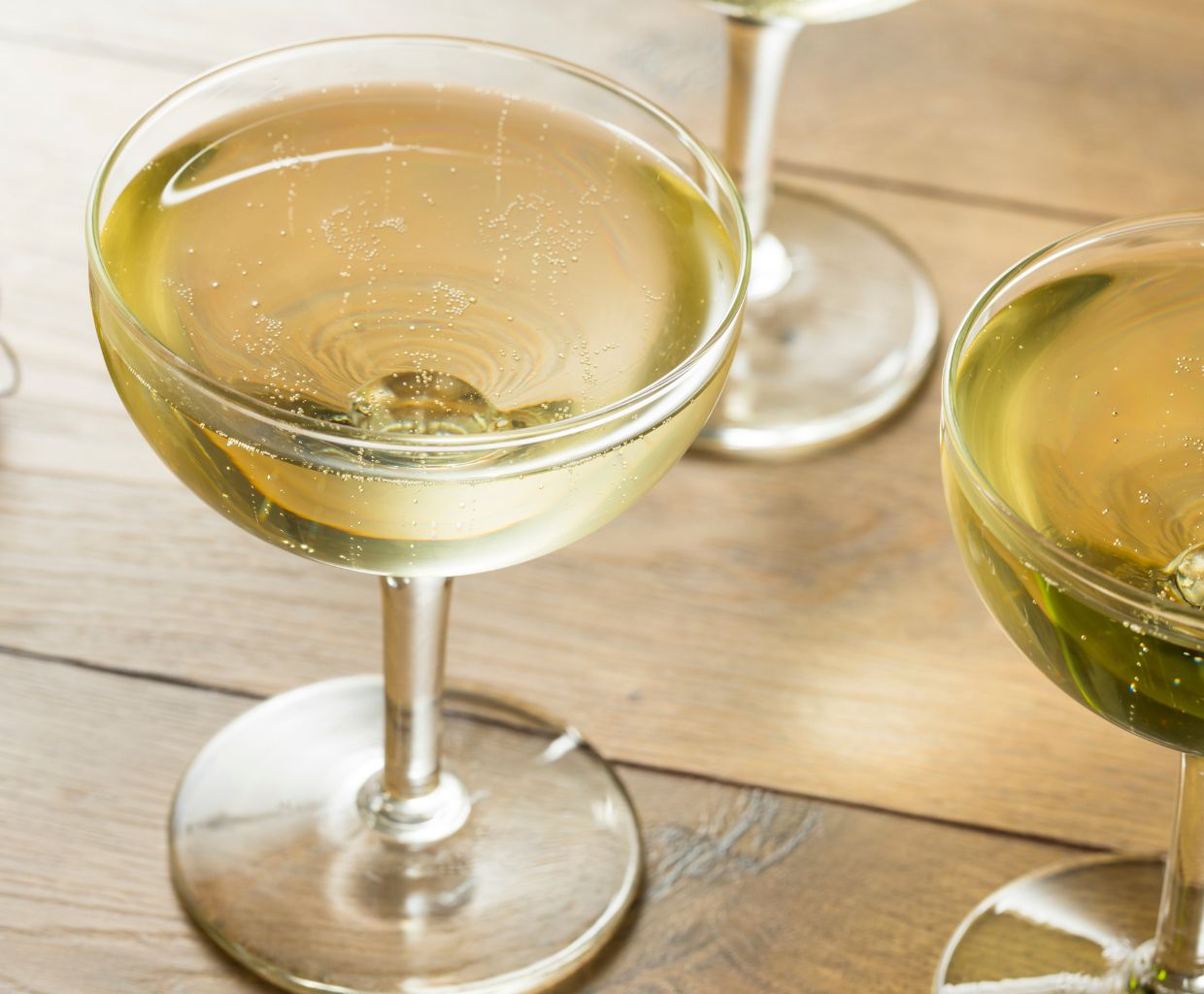
A glass of wine at a wedding, a beer at a barbecue, a cocktail on your first night out since the baby arrived: many breastfeeding parents want to know whether an occasional drink is okay and how long to wait before the next feed.
You don’t have to choose between breastfeeding and ever having a drink. But timing matters, and a few popular ideas, like “pumping and dumping” or beer for milk supply, don’t hold up. Here’s what the CDC and other trusted sources say. For other everyday safety questions, see our hub on what’s safe while breastfeeding.
What the CDC recommends
The CDC guidance in brief:
- Not drinking alcohol is the safest option for breastfeeding mothers.
- Drinking is not a reason to stop breastfeeding.
- Moderate drinking, up to 1 standard drink a day, is not known to be harmful to the baby, especially if you wait at least 2 hours after a single drink before nursing.
- More than 1 drink a day is not recommended. If you do have more, wait 2 hours per drink before feeding.
To work out your own waiting time from your weight and what you drank, use our breastfeeding alcohol calculator.
What counts as one standard drink?
A standard drink in the US contains 0.6 oz (14 g) of pure alcohol. According to the CDC, that equals:
| Drink | Amount |
|---|---|
| Regular beer (5% alcohol) | 12 oz (355 ml) |
| Malt liquor (7% alcohol) | 8 oz (240 ml) |
| Wine (12% alcohol) | 5 oz (150 ml) |
| Distilled spirits (40%, 80 proof) | 1.5 oz (45 ml) |
Many drinks are bigger than this. The CDC notes that a 12 oz can of 9% craft beer is about 1.8 standard drinks, and a generous restaurant pour of wine or a mixed drink with two shots can easily be two drinks.
How alcohol gets into breast milk
Alcohol moves freely between your blood and your milk. When your blood alcohol rises, so does the alcohol in your milk; as your body breaks it down, the level in your milk falls too. It is not stored in the breast.
The CDC says alcohol levels in milk are usually highest 30 to 60 minutes after a drink, and it can generally be detected in milk for about:
| Number of drinks | Detectable in milk for about |
|---|---|
| 1 drink | 2 to 3 hours |
| 2 drinks | 4 to 5 hours |
| 3 drinks | 6 to 8 hours |
How long it lasts depends on how much and how fast you drink, whether you’ve eaten, your body weight and how quickly your body breaks down alcohol. LactMed, the National Library of Medicine’s lactation database, notes that food delays the peak.
Planning a drink around feeds
A little planning makes an occasional drink easier:
- Feed or pump right before you drink. That gives you the longest stretch before your baby is hungry again.
- Eat while you drink. Food slows the rise in blood alcohol.
- Wait at least 2 hours per drink before the next feed.
- Have expressed milk ready. If your baby gets hungry sooner than expected, the CDC suggests using milk you pumped earlier, before drinking. Our guide to how long breast milk lasts in the fridge helps you keep a small stash.
- Choose lower-alcohol options or alternate with water or mocktails.
Older babies who eat solids and feed less often are usually easier to plan around than newborns who feed every 2 to 3 hours.
Why “pumping and dumping” doesn’t work
Pumping and throwing away milk does not lower the alcohol in your milk any faster. Only time clears alcohol from your body, and therefore from your milk.
There are still times when pumping makes sense:
- For comfort, if your breasts feel full while you wait. Overfull breasts are uncomfortable and can raise the risk of a clogged duct, so you don’t need to “hold it in”. See our guide to engorged breasts.
- To keep your supply on track, if you miss a usual feed.
Milk you express within about 2 hours per drink can be discarded. After that, you can feed normally.
How alcohol can affect your baby and your supply
Occasional moderate drinking with good timing is not known to harm babies. Above that, the CDC warns:
- Alcohol exposure above moderate levels through milk could harm a baby’s development, growth and sleep.
- Alcohol can interfere with the let-down reflex, so milk may flow less easily.
- Drinking heavily over time can reduce milk production and may lead to stopping breastfeeding earlier than planned.
And the beer myth? LactMed describes surveys in which some mothers believed beer helped their supply, but alcohol itself works against let-down. If you’re worried about supply, our guide to how to increase milk supply covers what actually helps.
Alcohol, infant care and safe sleep
The biggest risk after drinking is often not the milk; it is caring for a baby while your judgment and reactions are dulled.
- Never bed-share or sleep with your baby on a sofa or armchair after drinking. The American Academy of Pediatrics recommends against bed-sharing in any situation and says the risk is especially high when a parent has been drinking or has taken medicines or drugs that cause drowsiness.
- Put your baby down on their back on a firm, flat, separate surface, such as a crib or bassinet in your room.
- Arrange a sober caregiver if you plan to drink more than one drink. The CDC says caring for a baby while intoxicated is not safe.
- Don’t drive after drinking, including to pick up your baby.
Be extra careful about mixing alcohol with sedating medicines, such as some sleep aids and nighttime cold products. Our guide to Benadryl while breastfeeding explains why.
When to get help
Talk to your doctor, a pharmacist or an IBCLC if:
- you’re unsure how alcohol fits with a medicine you take,
- your baby seems unusually sleepy, is feeding poorly or isn’t gaining weight, or
- your supply seems to be dropping.
If you find it hard to cut down, or you’re drinking to cope with low mood, anxiety or exhaustion, you’re not alone and help is available. Tell your doctor, or call the National Maternal Mental Health Hotline at 1-833-TLC-MAMA (1-833-852-6262), free and confidential, 24/7. You can also reach the SAMHSA National Helpline at 1-800-662-4357 for confidential treatment referrals. Our breastfeeding support page lists more places to find help.
Frequently asked questions
Do I need to pump and dump after one drink?
No. Alcohol leaves your milk as it leaves your blood, so discarding milk doesn't speed things up. You might pump for comfort or to keep your schedule if you miss a feed, but milk expressed within about 2 hours per drink can be discarded.
Does beer increase milk supply?
No. This is an old myth. Alcohol can interfere with the let-down reflex, and drinking heavily over time can lower milk production.
Are breast milk alcohol test strips reliable?
Test strips aren't needed if you follow the timing guidance. If you choose to use one, treat it as a rough check only, and still follow the 2-hours-per-drink rule and never care for your baby while impaired.
Is non-alcoholic beer okay while breastfeeding?
LactMed notes that non-alcoholic beer and mocktails in moderation give your baby minimal alcohol exposure. Check the label, as some 'non-alcoholic' drinks still contain a small amount of alcohol.
Can I use alcohol-based hand sanitizer while breastfeeding?
Yes. LactMed reports that alcohol-based hand sanitizers do not produce meaningful alcohol levels in breast milk.
Sources
- CDC: Alcohol and Breastfeedinghttps://www.cdc.gov/breastfeeding-special-circumstances/hcp/vaccine-medication-drugs/alcohol.html
- LactMed: Alcoholhttps://www.ncbi.nlm.nih.gov/books/NBK501469/
- HealthyChildren.org (AAP): How to Keep Your Sleeping Baby Safe: AAP Policy Explainedhttps://www.healthychildren.org/English/ages-stages/baby/sleep/Pages/a-parents-guide-to-safe-sleep.aspx
This guide is general information, not medical advice. For your own situation, talk to your doctor, midwife, pharmacist or an IBCLC lactation consultant. Read our medical disclaimer and find breastfeeding support near you.
Related articles
Can You Take Benadryl While Breastfeeding?
An occasional dose of Benadryl is unlikely to harm your baby, but it can cause drowsiness and may affect supply. Here's when non-drowsy options are better.
Cold Medicine While Breastfeeding: DayQuil, NyQuil, Mucinex and Decongestants
Which cold medicine ingredients are fine while breastfeeding, which can lower your milk supply, and how to read DayQuil, NyQuil and Mucinex labels.
Can You Get a Tattoo While Breastfeeding? Risks, Timing and Laser Removal
There's no direct evidence that tattoo ink harms breastfed babies, but infection risk and unknowns remain. Here's a balanced look at timing and removal.

Can You Take Ibuprofen While Breastfeeding? Ibuprofen, Tylenol and What to Avoid
Ibuprofen and acetaminophen (Tylenol) are the go-to pain relievers while breastfeeding. Here's why, plus what to know about aspirin and naproxen.
Breastfeeding Alcohol Calculator: How Long After Drinking Can I Breastfeed?
Enter your weight, your drinks and when you started to see when alcohol should be out of your breast milk.