Topic guide
Breastfeeding Diet, Nutrition and Health: What You Need While Nursing
What to eat and drink while breastfeeding: calories, key nutrients, fish, caffeine, supplements, and looking after your mental health.
3 guides · Updated October 12, 2026
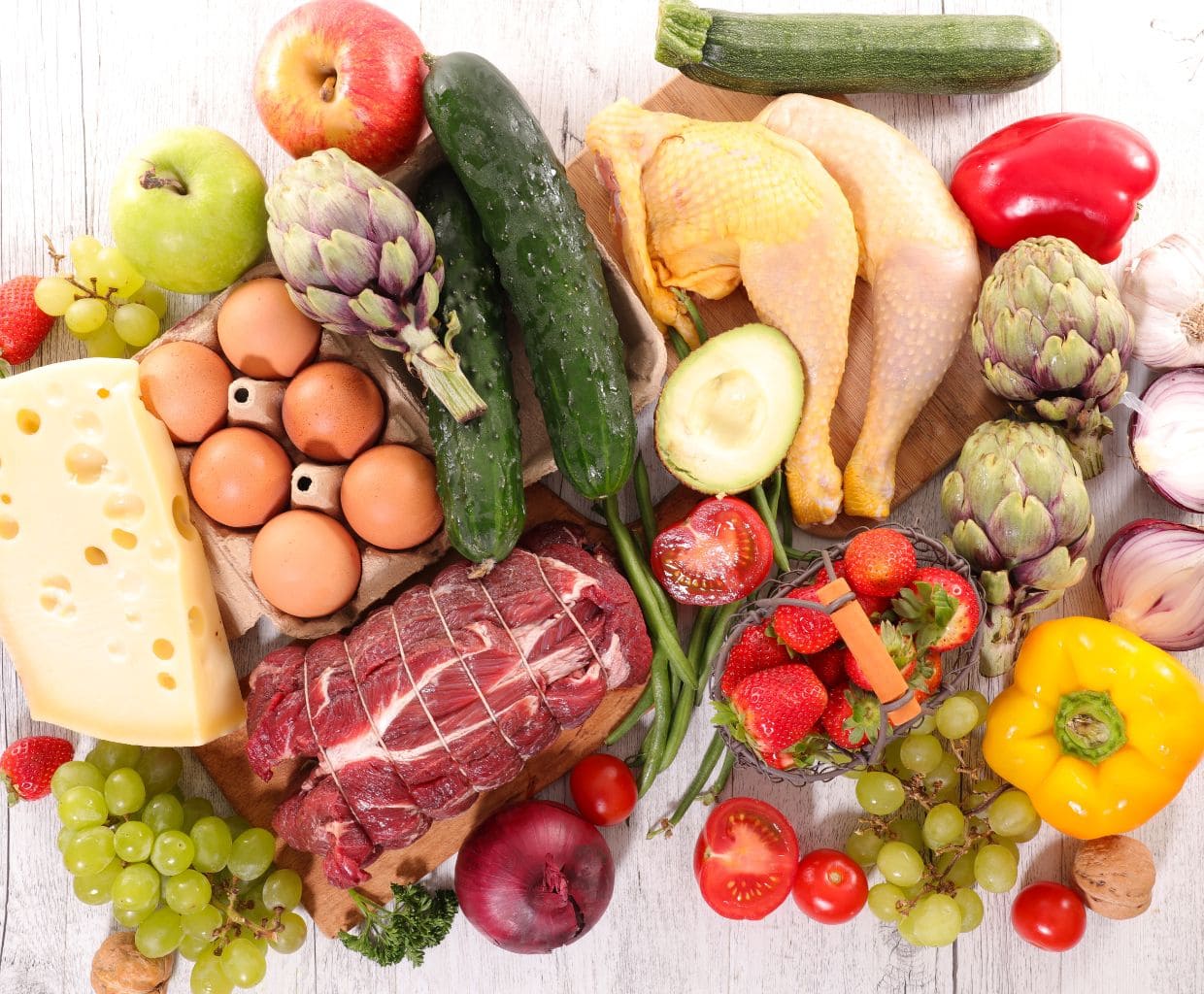
Breastfeeding asks a lot of your body, and it’s easy to put your own needs last. The good news is that your milk stays nourishing even when your diet isn’t perfect. Still, eating and resting well helps you feel better and protects your own health.
This guide covers the basics of a breastfeeding diet, the nutrients that deserve extra attention, and how to look after your mental health in the months after birth.
Calories: how much extra do you need?
The CDC says well-nourished breastfeeding mothers generally need an extra 330 to 400 calories a day compared with before pregnancy. Your own needs depend on your age, body size, activity level, and whether you’re exclusively breastfeeding.
To see where that number comes from, read how many calories breastfeeding burns, or get a personal estimate with our breastfeeding calorie calculator.
Hydration
There’s no set amount of water you must drink. Breastfeeding tends to make you thirsty, so drink to thirst and keep a glass of water within reach during feeds. Water, milk and other unsweetened drinks are good choices.
Key nutrients while breastfeeding
Most nutrients come easily from a varied diet. A few need more attention:
| Nutrient | Why it matters | Good sources | Daily target while breastfeeding |
|---|---|---|---|
| Iodine | Baby’s brain and thyroid development | Dairy, eggs, seafood, iodized salt, supplement | 290 mcg; a supplement with 150 mcg is recommended |
| Choline | Baby’s brain development | Eggs, meat, fish, beans, soy | 550 mg |
| DHA (omega-3) | Baby’s brain and eyes | Salmon, sardines, trout, other low-mercury fish | No set amount; eat low-mercury fish weekly |
| Vitamin B12 | Baby’s nervous system | Animal foods, fortified foods, supplement | Essential to supplement on a vegan diet |
| Vitamin D | Bones and immunity | Sunlight, fortified milk, oily fish | Baby needs 400 IU a day, usually as drops |
Iodine and choline figures come from the CDC’s iodine and maternal diet guidance. The American Thyroid Association and the AAP recommend a daily multivitamin or prenatal supplement containing 150 mcg of iodine while breastfeeding, but not all supplements contain it, so check the label.
If you eat a vegan or vegetarian diet, the CDC warns that babies of mothers who eat no animal products may get very little vitamin B12 through milk, which can cause nerve damage. Take a B12 supplement and ask your provider about iron, zinc, calcium, iodine, vitamin D and omega-3s too.
Vitamin D: the CDC says babies under 12 months need 400 IU of vitamin D a day. Breastfed babies are usually given drops; if you’d rather take a high-dose supplement yourself instead, discuss the pros and cons with your provider first.
Prenatal and postnatal vitamins
The CDC says a multivitamin may help, since diet alone may not cover everything, and that your provider should help decide what you need. It also notes that continuing a prenatal vitamin may give more iron and folic acid than a breastfeeding mother needs.
Fish, caffeine and other foods
- Fish: the FDA recommends 8 to 12 oz (225 to 340 g) a week of a variety of lower-mercury fish, such as salmon, shrimp, cod, canned light tuna and sardines. Avoid the highest-mercury fish: king mackerel, marlin, orange roughy, shark, swordfish, tilefish from the Gulf of Mexico and bigeye tuna.
- Caffeine: the CDC says up to about 300 mg a day, roughly 2 to 3 cups of coffee, usually doesn’t affect babies. Consider less if your baby is a newborn or was born early.
- Alcohol: not drinking is safest; if you do drink, read our guide to breastfeeding and alcohol.
- “Gassy” foods: most mothers don’t need to avoid any specific foods. Our guide to foods to avoid while breastfeeding explains what really matters and when an elimination diet makes sense.
Fertility and pregnancy while breastfeeding
Breastfeeding can delay your periods, but it isn’t reliable birth control unless strict conditions are met. Read can you get pregnant while breastfeeding for the facts on fertility, contraception and nursing through a new pregnancy.
Rest and mental health
Feeling weepy, anxious or overwhelmed in the first week or two is common (“baby blues”). When those feelings last longer than 2 weeks or get in the way of daily life, it may be postpartum depression, which is common and treatable. The NIMH lists signs such as:
- a persistent sad, anxious or “empty” mood most of the day,
- loss of interest or pleasure in things you used to enjoy,
- feelings of guilt, worthlessness or hopelessness,
- irritability, restlessness, or trouble sleeping even when you can,
- low energy, and
- thoughts of harming yourself or your baby.
Treatment works, and many options, including some antidepressants, can be used while breastfeeding. If you notice these signs, tell your doctor or midwife. You can call or text the National Maternal Mental Health Hotline at 1-833-TLC-MAMA (1-833-852-6262), free and confidential, 24/7, in English and Spanish. If you’re in crisis or thinking of harming yourself, call or text 988, or call 911.
Rest is part of your health too. Accept help with meals, chores and night feeds, and sleep when you can. Our breastfeeding support page lists more places to turn.
All nutrition & health guides
Foods to Avoid While Breastfeeding (and the Myths You Can Ignore)
The list of foods to avoid while breastfeeding is short: high-mercury fish, alcohol, too much caffeine and some herbs. Here's what matters and what's myth.
How Many Calories Does Breastfeeding Burn?
Making milk uses about 500 calories a day, but official advice is to eat 330 to 400 extra. Here's why, and what it means for postpartum weight loss.
Can You Get Pregnant While Breastfeeding? Fertility, Birth Control and Nursing While Pregnant
Yes, you can get pregnant while breastfeeding. Learn when breastfeeding works as birth control, which methods are compatible, and nursing while pregnant.
Frequently asked questions
Do I need to drink extra water to make more milk?
Drink to thirst. Breastfeeding often makes you thirstier, so keep a glass of water nearby when you feed. Drinking far more than you need doesn't increase milk supply.
Should I keep taking my prenatal vitamin while breastfeeding?
Many people do, and a daily multivitamin with 150 mcg of iodine is recommended. The CDC notes a prenatal vitamin may give more iron and folic acid than you need after birth, so ask your provider which supplement suits you.
Can I diet while breastfeeding?
Gradual weight loss is fine once breastfeeding is established. Aim for about 1 pound (0.45 kg) a week and avoid very low-calorie diets, which can affect your milk supply.
Does my baby need vitamin D if I'm breastfeeding?
Yes, usually. The CDC says babies under 12 months need 400 IU of vitamin D a day, so breastfed babies are generally given a vitamin D supplement. Talk to your pediatrician about the best option.
Sources
- CDC: Maternal Diet and Breastfeedinghttps://www.cdc.gov/breastfeeding-special-circumstances/hcp/diet-micronutrients/maternal-diet.html
- CDC: Iodine and Breastfeedinghttps://www.cdc.gov/breastfeeding-special-circumstances/hcp/diet-micronutrients/iodine.html
- CDC: Vitamin D and Breastfeedinghttps://www.cdc.gov/breastfeeding-special-circumstances/hcp/diet-micronutrients/vitamin-d.html
- FDA: Advice about Eating Fishhttps://www.fda.gov/food/consumers/advice-about-eating-fish
- NIMH: Perinatal Depressionhttps://www.nimh.nih.gov/health/publications/perinatal-depression
- HRSA: National Maternal Mental Health Hotlinehttps://mchb.hrsa.gov/national-maternal-mental-health-hotline
This guide is general information, not medical advice. For your own situation, talk to your doctor, midwife, pharmacist or an IBCLC lactation consultant. Read our medical disclaimer and find breastfeeding support near you.