Does Breastfeeding Make You Tired? Why It Happens and When to Worry
By Breastfeeding Mom Editorial TeamUpdated 5 min read
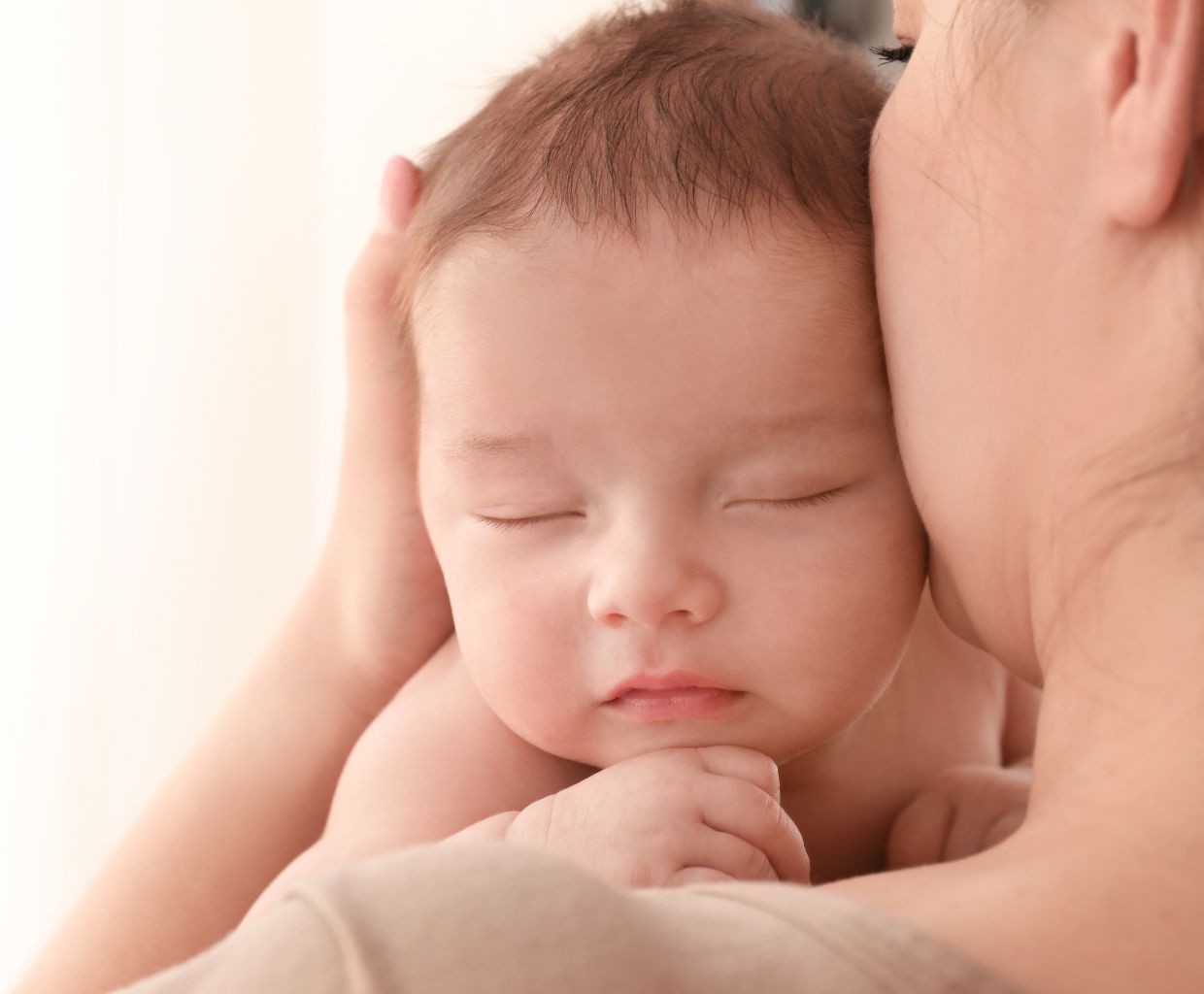
If you’ve ever felt your eyelids drop the moment your baby latches on, you’re not imagining it. Many parents feel a wave of sleepiness during feeds, and the first months of breastfeeding can bring a tiredness unlike anything before. So yes, breastfeeding can make you tired, but it’s rarely the whole story.
This guide explains the hormones behind that drowsy feeling, why broken sleep is the bigger factor, practical ways to get more rest and the medical causes of exhaustion that are worth checking with a doctor.
The hormones behind feeling sleepy
Two hormones drive breastfeeding:
- Prolactin tells your body to make milk. Its levels rise with feeding and are naturally higher at night.
- Oxytocin triggers the let-down reflex that releases milk.
A 2022 study in the journal Birth summarizes research suggesting that both hormones also affect sleep. Oxytocin counters the stress hormone cortisol and helps you relax, and prolactin may help you fall asleep faster and spend more time in deep sleep. Much of this evidence comes from animal studies, so it’s not fully proven in people, but it fits with what many parents feel: calm and drowsy during and after a feed.
That relaxed feeling can actually be helpful at night, because it may make it easier to fall back asleep after a feed.
The bigger reason: broken sleep
The main reason new parents are exhausted is that their sleep is interrupted again and again. Newborns need to feed often, around the clock. Our guide on how often to breastfeed explains why 8 to 12 feeds in 24 hours is normal early on.
In the same 2022 Birth study, researchers followed mothers through the first two years after birth. Whether a mother was breastfeeding, and how much breast milk her baby got, was not significantly linked to her total sleep time. What mattered most was the number of night feeds: each extra feed meant several minutes less sleep and less efficient sleep, however the baby was fed. The authors concluded that getting up to feed, rather than breastfeeding itself, disrupts sleep.
Other things add up too:
- Recovery from birth, especially after a cesarean or a difficult delivery
- Growth spurts and cluster feeding, which can mean long evenings at the breast
- Not eating or drinking enough while caring for a baby
- Worry and mental load, which can make it hard to sleep even when the baby does
Fueling your body
Making milk uses energy. The CDC says well-nourished breastfeeding women need about 330 to 400 extra calories a day, and that needs for several nutrients, including vitamin B12, folate and vitamin D, rise while breastfeeding. Skipping meals can make tiredness worse.
- Keep easy breastfeeding snacks and a drink where you usually feed.
- Eat regular meals with protein, whole grains, fruit and vegetables.
- Drink to thirst.
- Use our breastfeeding calorie calculator for a rough daily target, especially if you’re trying to lose weight.
Ways to get more rest
You can’t skip night feeds with a young baby, but you can make them less draining:
- Share the load. A partner or helper can handle diaper changes, burping, settling and household tasks. If you pump, another person can give an occasional bottle.
- Keep night feeds calm. Low light, minimal talking and no screens help both of you get back to sleep faster.
- Sleep when you can. Rest during the day when your baby naps, even briefly, and say yes to offers of help.
- Try feeding lying down. Many parents find side-lying breastfeeding more restful, as long as you follow safe sleep rules.
- Lower your expectations elsewhere. Housework can wait.
A note on safe sleep
Because breastfeeding can make you drowsy, plan ahead. The AAP warns against falling asleep with your baby on a sofa or armchair, where the risk of sleep-related death is up to 67 times higher. If you bring your baby into bed to feed or comfort them, the AAP advises putting them back in their own sleep space before you go to sleep. Babies should sleep on their backs, in your room but not in your bed, for at least the first 6 months.
When tiredness may be something more
Some tiredness is expected. But exhaustion that doesn’t improve with rest, or that comes with other symptoms, can have a medical cause.
Anemia (low iron)
Blood loss during birth and low iron during pregnancy can leave you with iron deficiency anemia. The NHS lists tiredness, shortness of breath, a fast or pounding heartbeat, pale skin and headaches as common symptoms. A simple blood test can check for it. Don’t start iron tablets without talking to your doctor, and keep them well out of reach of children, as iron overdose is dangerous for young kids.
Thyroid problems
Postpartum thyroiditis is inflammation of the thyroid after pregnancy. Cleveland Clinic estimates it affects 5% to 10% of women in the year after giving birth. It often starts with an overactive phase (1 to 6 months after birth), then an underactive phase (usually 4 to 8 months after birth) that can cause fatigue, weight gain, low mood, dry skin, constipation, feeling cold and low milk supply. A blood test can diagnose it. Tell your provider you’re breastfeeding so they can choose treatments that are safe for you and your baby.
Postpartum depression
The NIMH lists fatigue or a big drop in energy, trouble sleeping even when the baby sleeps, low mood, loss of interest, guilt and difficulty bonding with your baby as signs of perinatal depression. The “baby blues” are common in the first 2 weeks, but mood changes that are severe or last longer than 2 weeks may be postpartum depression, which usually needs treatment to improve. Tell your provider you’re breastfeeding so they can suggest options that fit.
You can call or text the National Maternal Mental Health Hotline at 1-833-TLC-MAMA (1-833-852-6262), free and available 24/7. If you have thoughts of harming yourself, call or text 988, or call 911 in an emergency.
Other causes
Being sick, infections such as mastitis, poor sleep from other causes, and some medicines can all add to fatigue. If you’re unwell, you can usually keep breastfeeding; ask your doctor which medicines are safe.
When to see a doctor
Make an appointment if:
- You’re still exhausted even when you get a chance to sleep
- You feel dizzy or short of breath, or your heart races
- You have symptoms of thyroid problems, such as feeling unusually cold or hot, weight changes, a racing heart or very dry skin
- Your milk supply suddenly drops along with tiredness
- You’ve had heavy bleeding since the birth
- You’ve felt low, anxious or hopeless for more than 2 weeks
Get urgent help if you have thoughts of harming yourself or your baby, confusion or hallucinations. For more on looking after yourself while you nurse, visit our nutrition and health hub.
Frequently asked questions
Why do I get sleepy as soon as my baby latches?
Feeling drowsy during a feed is common. Oxytocin, released with letdown, helps you relax, and prolactin may help with falling asleep. That can be useful at night, but it's also why it's important to have a safe plan in case you doze off.
Do breastfeeding mothers get less sleep than formula-feeding mothers?
Not necessarily. In a longitudinal study published in Birth in 2022, breastfeeding status was not linked to total sleep time once other factors were considered. The number of night feeds mattered most, however the baby was fed.
Can breastfeeding make you dizzy?
Occasional lightheadedness can happen if you haven't eaten or had enough to drink. Frequent dizziness, a racing heart or shortness of breath can be signs of anemia, so tell your doctor.
Does pumping make you tired too?
Pumping takes time and, for many parents, means getting up at night, so it can be just as tiring. Planning a realistic pumping schedule and sharing other tasks can help.
Sources
- Astbury et al. Does breastfeeding influence sleep? A longitudinal study across the first two postpartum years (Birth, 2022)https://pmc.ncbi.nlm.nih.gov/articles/PMC9546104/
- Cleveland Clinic: Postpartum Thyroiditishttps://my.clevelandclinic.org/health/diseases/15294-postpartum-thyroiditis
- NHS: Iron deficiency anaemiahttps://www.nhs.uk/conditions/iron-deficiency-anaemia/
- NIMH: Perinatal Depressionhttps://www.nimh.nih.gov/health/publications/perinatal-depression
- HealthyChildren.org (AAP): A Parent's Guide to Safe Sleephttps://www.healthychildren.org/English/ages-stages/baby/sleep/Pages/a-parents-guide-to-safe-sleep.aspx
- CDC: Maternal Diet and Breastfeedinghttps://www.cdc.gov/breastfeeding-special-circumstances/hcp/diet-micronutrients/maternal-diet.html
This guide is general information, not medical advice. For your own situation, talk to your doctor, midwife, pharmacist or an IBCLC lactation consultant. Read our medical disclaimer and find breastfeeding support near you.
Related articles
How Many Calories Does Breastfeeding Burn?
Making milk uses about 500 calories a day, but official advice is to eat 330 to 400 extra. Here's why, and what it means for postpartum weight loss.
Period While Breastfeeding: When It Returns and What Changes
When your period usually comes back while breastfeeding, how it can affect milk supply, what it means for fertility and when to see a doctor.
Can You Get Pregnant While Breastfeeding? Fertility, Birth Control and Nursing While Pregnant
Yes, you can get pregnant while breastfeeding. Learn when breastfeeding works as birth control, which methods are compatible, and nursing while pregnant.
Breastfeeding Snacks: Easy One-Handed Ideas for Busy Days
Quick, one-handed breastfeeding snacks built around protein, fiber and fluids, plus how to choose fish safely and what snacks can't do for supply.