Topic guide
Pumping Breast Milk: A Practical Guide for Every Stage
Why and when to pump, how to choose a pump and flange, what to expect per session, pumping at work and keeping parts clean.
3 guides · Updated October 12, 2026
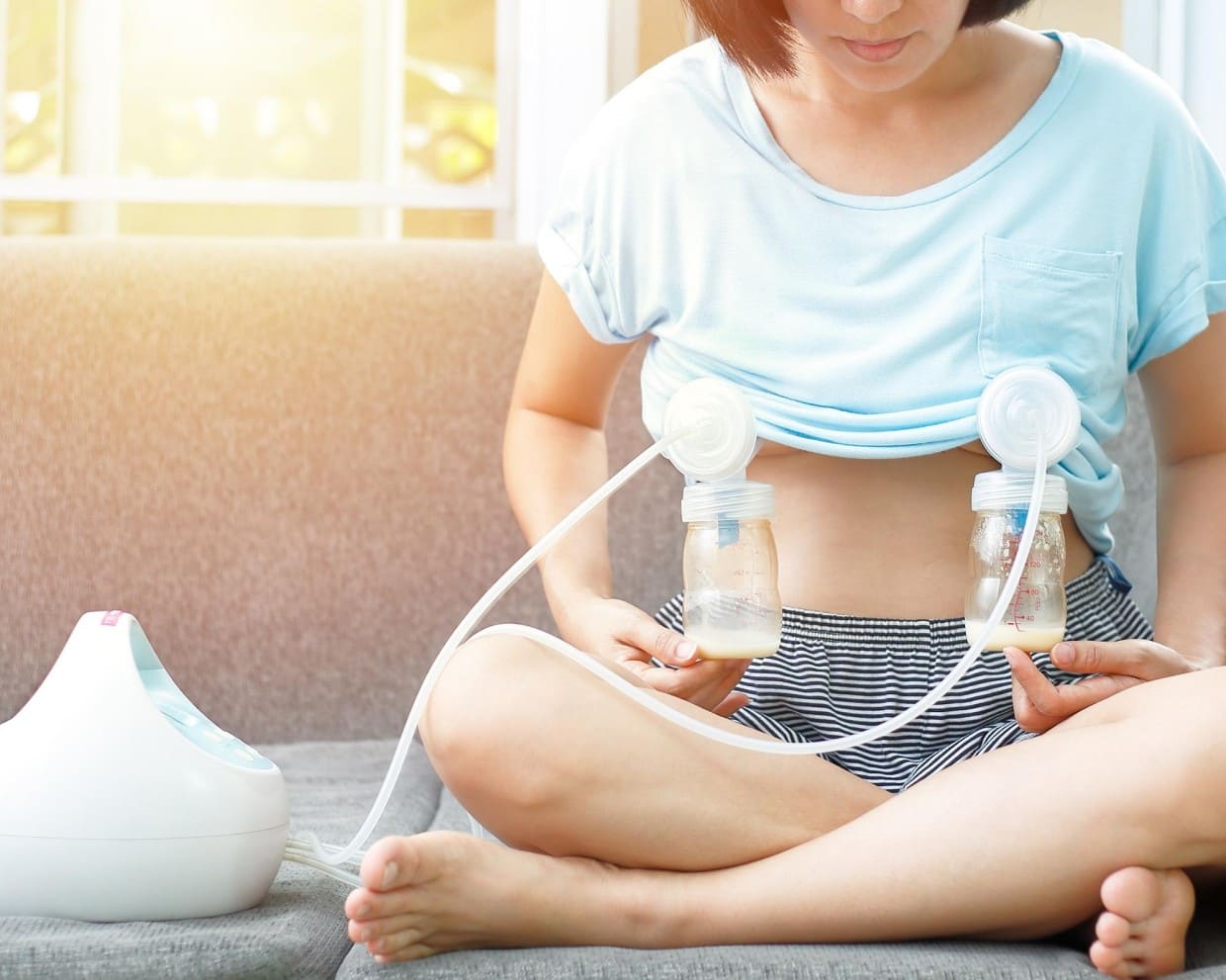
Pumping breast milk can feel like a whole new skill. The basics are simpler than they look: a pump that suits how often you’ll use it, a flange that fits, a rhythm that roughly follows your baby’s feeds and clean parts.
Why and when to pump
People pump to feed their baby while back at work or school, to exclusively pump when nursing isn’t working or isn’t right for them, to protect supply for a baby in the NICU or one who can’t latch yet, to ease very full breasts or to build a small stash. All of these are valid.
If your baby is nursing well, there’s usually no rush to start. If your baby can’t feed at the breast, start expressing early and often, because frequent milk removal in the first weeks helps set your supply. For timing ideas for each situation, see our sample pumping schedules.
Types of breast pumps
| Type | How it works | Often a good fit for |
|---|---|---|
| Manual | You squeeze a handle to create suction; no power needed | Occasional pumping, travel, a backup |
| Electric (single or double) | A motor creates suction; double pumps empty both breasts at once | Regular pumping, work, exclusive pumping |
| Battery or rechargeable | Like electric, but portable | Pumping on the go |
| Wearable | A small powered pump that sits inside your bra | Hands-free sessions; some parents find output lower than with a standard pump |
| Multi-user (often called hospital-grade) | A stronger rental pump built for many users, each with their own kit | Building supply early, premature or medically fragile babies |
Most people who pump several times a day do best with a double electric pump. Check with your insurer before buying, since most plans cover one.
Getting the flange fit right
The flange (breast shield) is the cone that fits over your nipple. Size matters more than most people expect. Cleveland Clinic suggests measuring the width of your nipple in millimeters and starting with a flange a few millimeters larger. In a good fit, your nipple moves freely in the tunnel, pumping doesn’t hurt and milk flows well. Pinching, rubbing, a pale ring at the base of the nipple or a lot of areola pulled into the tunnel are signs to try another size. Our flange size calculator turns your measurement into a starting size for each side. Sore or cracked skin from pumping is covered in our guide to sore nipples.
How much milk to expect per session
This varies a lot, and small amounts are common, especially at first.
- If you also breastfeed, a pump session after or between feeds collects “leftovers.” La Leche League notes you should expect only a small amount at first.
- If you’re replacing a feed while apart, Cleveland Clinic gives a rough rule of thumb of about 1 to 1.25 oz (30 to 37 ml) for every hour since you last fed or pumped.
- Output varies with the time of day, how long it’s been since your last session, stress and pump fit.
If you consistently pump less than your baby drinks, La Leche League notes it’s more often a pump issue (fit, settings, worn parts) than a milk issue. To see how much a baby of your baby’s age typically takes, try our breast milk intake calculator. If you want to raise your output, our guides on power pumping and how to increase milk supply explain what helps.
Pumping at work: your rights in the US
Under the federal Fair Labor Standards Act, expanded by the PUMP for Nursing Mothers Act signed on December 29, 2022, most employees have the right to:
- Reasonable break time to pump each time they need to, for up to one year after the baby’s birth.
- A private space that is not a bathroom, shielded from view and free from intrusion by coworkers and the public.
Pump breaks can be unpaid, unless you’re not fully relieved from duty or your employer already offers paid breaks that you use to pump. Employers with fewer than 50 employees may be exempt if compliance would cause undue hardship, and a few groups, such as airline crew members, are excluded. Many states add stronger protections. The Department of Labor fact sheet has the details.
Cleaning pump parts
The CDC recommends:
- Wash your hands before each session and check parts and tubing for mold.
- After every use, take apart everything that touches milk, rinse it under running water and wash it as soon as you can, by hand in a clean basin or in a dishwasher.
- Air-dry on a clean, unused towel. Don’t pat dry with a dish towel.
- Sanitize at least once a day, especially if your baby is under 2 months, was born early or has a weakened immune system. Boiling for 5 minutes, steaming or a dishwasher’s sanitize setting all work.
Our breast milk storage guide explains how long your milk keeps.
When it’s time to stop
Whenever you’re ready to finish, cut back slowly to stay comfortable. Our guide on how to stop pumping walks you through it. If pumping hurts, your output suddenly drops or you’re unsure what’s normal, an IBCLC (International Board Certified Lactation Consultant) can help. See where to find breastfeeding support.
All pumping guides
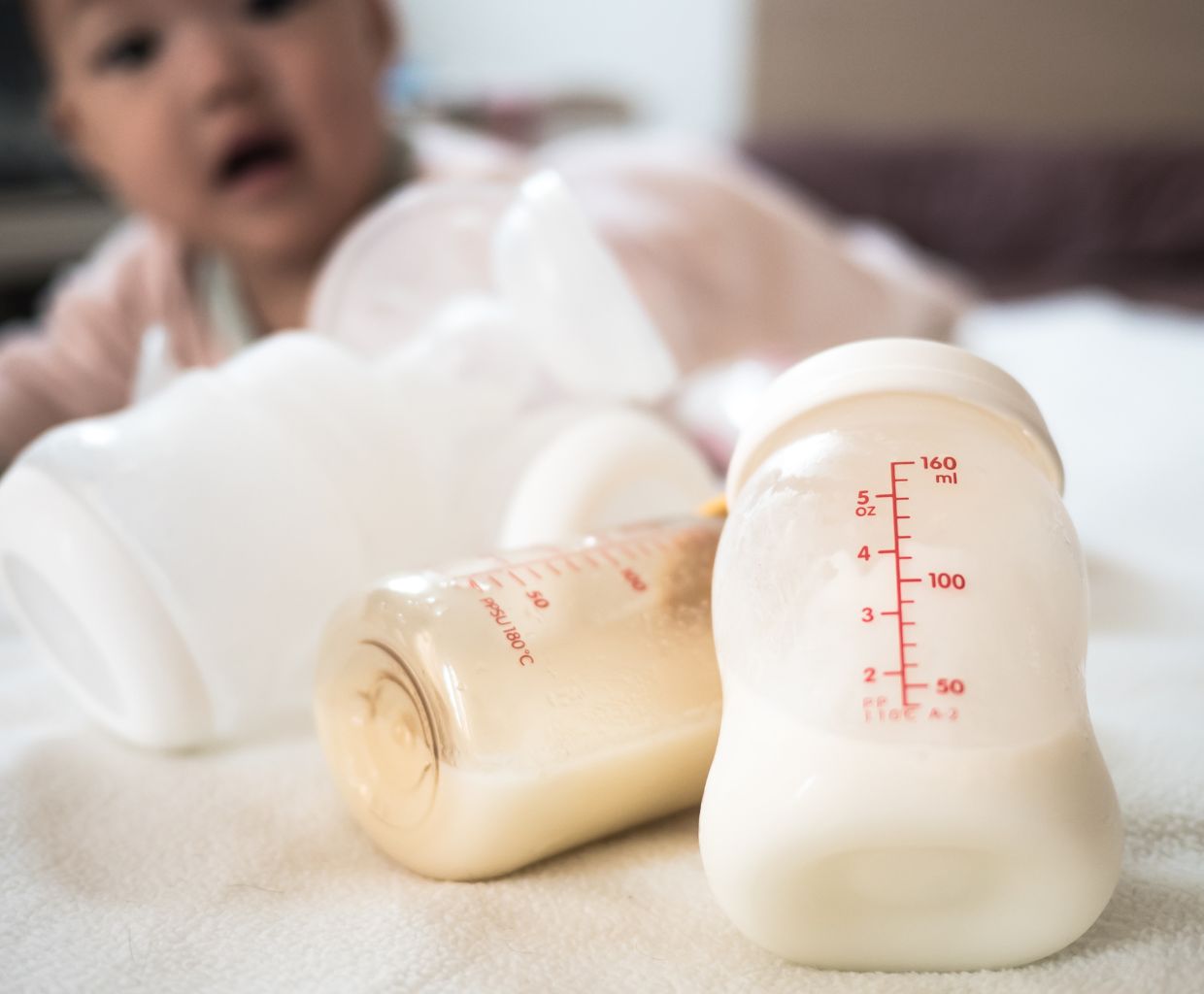
How to Stop Pumping Without Pain or Engorgement
A gentle, step-by-step plan to wean off the pump: drop one session every few days, shorten sessions and stay comfortable.
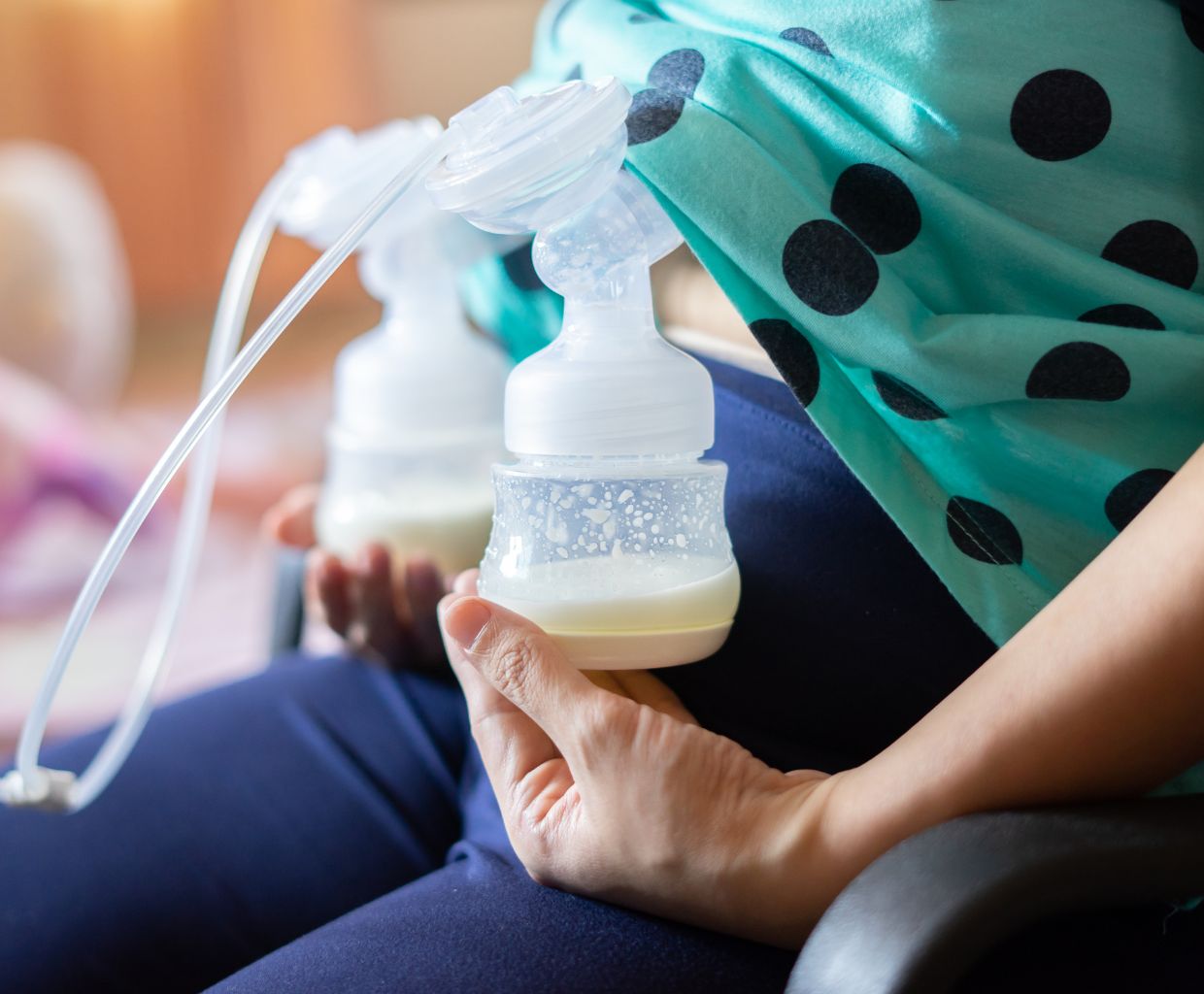
Power Pumping: The One-Hour Schedule and What to Expect
What power pumping is, the classic 20-10-10-10-10 one-hour schedule, how long to try it and what the evidence really shows.
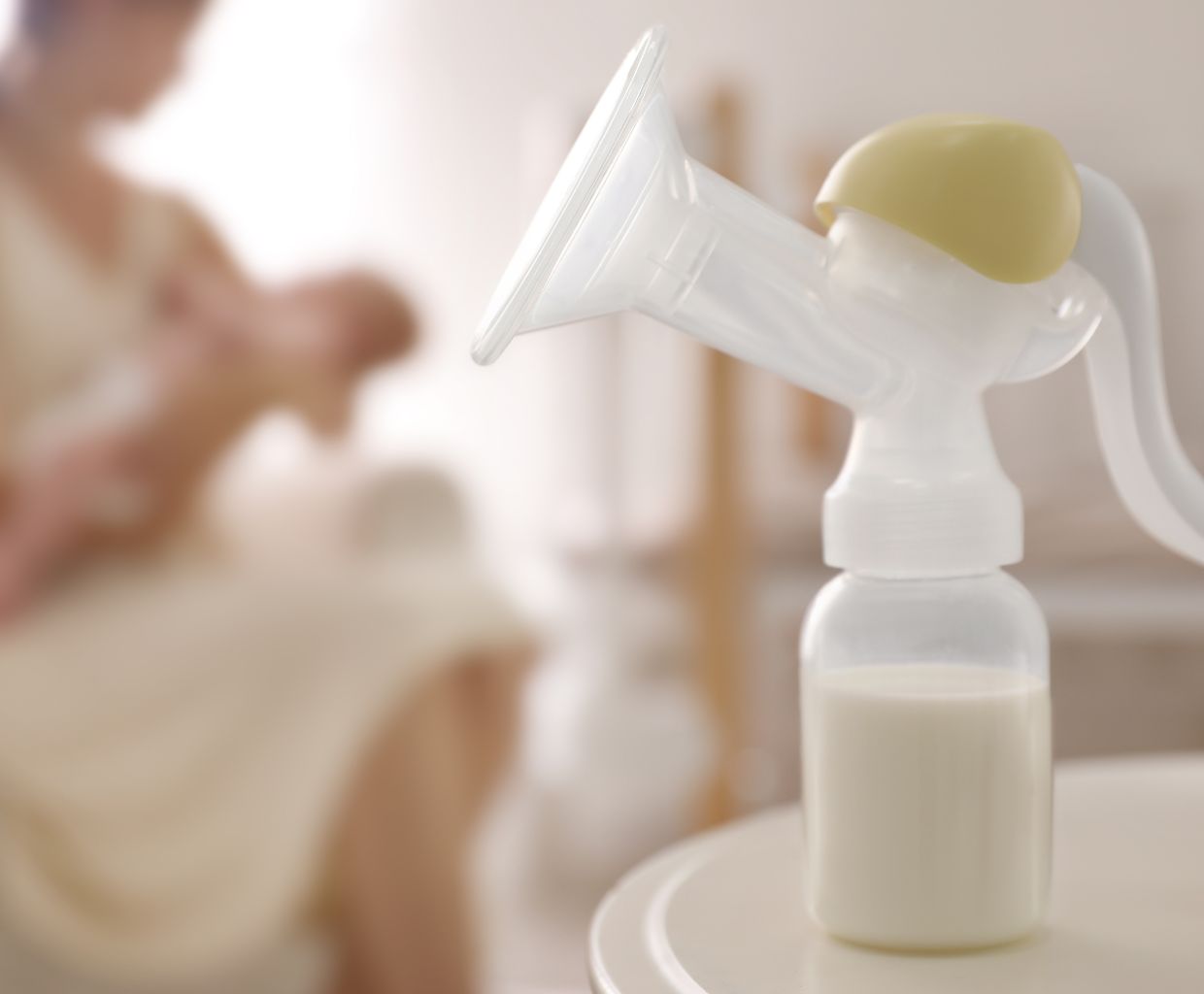
Pumping Schedule: Sample Plans for Every Situation
Sample pumping schedules in easy tables for exclusive pumping, building a stash while nursing, going back to work and 12-hour shifts.
Frequently asked questions
When can I start pumping after birth?
If your baby can't breastfeed, start expressing as soon as possible after birth, ideally within the first hours. If your baby is nursing well and you only want a little stored milk, La Leche League suggests waiting until breastfeeding is well established, usually around 4 weeks.
Is hand expression better than a pump?
Neither is better for everyone. Hand expression works well for colostrum in the first days and costs nothing, while a pump is faster for larger volumes and regular sessions. Many parents use both.
Does health insurance cover a breast pump?
Most US health plans cover a breast pump. Call your insurer to ask which pump types are covered, whether you need a prescription and whether it's a rental or yours to keep.
Is it safe to use a secondhand breast pump?
The FDA advises against buying or borrowing a used pump that is designed for a single user, because germs can survive in the pump even when it looks clean. Multi-user (rental) pumps are built to be shared, and each person uses their own collection kit.
Sources
- CDC: How to Clean and Sanitize Breast Pumpshttps://www.cdc.gov/hygiene/childcare/breast-pump.html
- U.S. Department of Labor: Fact Sheet #73, FLSA Protections for Employees to Pump Breast Milk at Workhttps://www.dol.gov/agencies/whd/fact-sheets/73-flsa-break-time-nursing-mothers
- FDA: What to Know When Buying or Using a Breast Pumphttps://www.fda.gov/consumers/consumer-updates/what-know-when-buying-or-using-breast-pump
- Cleveland Clinic: Finding Your Breast Pump Flange Sizehttps://health.clevelandclinic.org/breast-pump-flange
- Cleveland Clinic: Pumping at Work, Example Schedule and Helpful Tipshttps://health.clevelandclinic.org/pumping-schedule-pumping-at-work
- La Leche League International: Working and Breastfeedinghttps://llli.org/breastfeeding-info/working-and-breastfeeding/
This guide is general information, not medical advice. For your own situation, talk to your doctor, midwife, pharmacist or an IBCLC lactation consultant. Read our medical disclaimer and find breastfeeding support near you.
Related articles
Flange Size Calculator: How to Measure Your Breast Pump Flange Size
Measure your nipple in millimeters and get a starting breast pump flange size for each side, plus the signs of a good fit.