How to Choose a Breast Pump: What to Look For
By Breastfeeding Mom Editorial TeamUpdated 6 min read
“What’s the best breast pump?” is one of the most searched questions in parenting, and the honest answer is that it depends on you. We don’t rank or review products, because we haven’t tested them, and a ranking from us would be guesswork. What we can do is give you the questions that sort pumps into “right for me” and “wrong for me.”
The questions below follow the US Food and Drug Administration’s guidance on choosing a pump, plus what federal sources say about insurance. For the wider picture, see our pumping guides.
Start with how you’ll use it
The FDA’s first question is: how do you plan to use the pump? It suggests asking yourself:
- Are you pumping in addition to breastfeeding?
- Will you pump and store several containers of milk?
- Are you returning to work?
- Will you be away from your baby for several days?
Your answers point to different kinds of pump:
| Your situation | What to think about |
|---|---|
| Occasional pumping, for a night out or relief from fullness | A manual pump may be enough. See our manual breast pump guide |
| Pumping at work or short on time | The FDA says a battery or electric pump may suit you, and a double pump may cut pumping time |
| Pumping most or all of your baby’s feeds | Consider a double electric pump, the type named in the Women’s Preventive Services Initiative recommendation, and keep backup supplies. Our exclusive pumping guide covers this |
| Pumping on the go or hands-free | Look at wearable breast pumps, and read their pros and cons first |
| Baby can’t feed at the breast, for example after a preterm birth | Ask your hospital’s lactation team about a multi-user rental. See hospital-grade breast pumps |
If you’re unsure which describes you, the FDA recommends asking a qualified health professional, such as your doctor or a certified lactation consultant.
Check your insurance first
Before you shop, find out what your plan already pays for. HealthCare.gov says plans must cover the cost of a breast pump, either a rental or a new one you keep, but your plan may have guidelines on manual versus electric, rental length and when you receive it. The Women’s Preventive Services Initiative lists double electric pumps, including parts and maintenance, and milk storage supplies as breastfeeding equipment. Our guide to getting a free breast pump through insurance walks through the questions to ask your plan.
Know the main pump types
The FDA describes three basic types:
- Manual pumps: you squeeze a handle or lever to create suction. They are usually single pumps. The FDA says some experts discourage bicycle horn pumps because they may be hard to clean and dry.
- Battery-powered pumps: a small motor runs from batteries. Most are single pumps.
- Electric pumps: powered from an outlet. Some are double pumps.
The FDA also notes that powered pumps rely on a power source, so you should plan for emergencies when electricity or batteries aren’t available. Extra supplies and a manual backup pump can help you keep up your pumping schedule.
The FDA says that some manufacturers claim adjustable suction patterns mimic a nursing baby. We didn’t find a primary source that tests those claims, so treat them as marketing until you can try the pump yourself.
Check the fit
The FDA says to make sure the breast shield (flange) opening is the right size: your nipple should sit comfortably in the center of it. Many pumps come with one size, so before buying, check the manufacturer’s website to see whether you can swap in a different size or texture that works with your pump.
Our flange size calculator can help you find a starting size, and a lactation consultant can check the fit in person.
Look at ease of use and cleaning
The FDA recommends reviewing the instructions of several pumps and choosing one that’s easy to assemble, use and clean. In a store, ask whether display models are available so you can practice assembling and taking them apart.
Cleaning matters because the FDA says all pump parts that touch breast milk, such as bottles, valves and breast shields, should be cleaned after each use. It says it’s not possible to sterilize pump parts completely at home, but thorough washing with liquid dish soap and warm water keeps them safe and sanitary. Ask yourself:
- How many parts does it have?
- Does the manual say which parts are dishwasher-safe?
- Can the parts dry fully, and is the motor unit kept out of water?
See our guide to cleaning breast pump parts for the steps.
Power, portability and noise
The FDA’s questions here are practical. Where will you use the pump? Manual and battery-powered pumps are easy to transport and use in small spaces, while an electric pump needs an outlet and is larger and heavier. If you travel often or pump at work, it suggests a lightweight pump that comes with a carrying case for the pump and supplies. If you always pump in the same place, portability matters less.
The FDA’s pages don’t cover noise. If you’ll pump near a sleeping baby or in a shared workplace, check the manufacturer’s specifications or ask the seller what the pump sounds like. We haven’t tested any pump, so we can’t tell you how loud one is.
Parts, support and returns
Pumps have parts that wear out, so think about replacement before you buy:
- Replacement parts. The FDA says to check the manufacturer’s website for replacement breast shields in other sizes or textures. Our pump part replacement schedule covers when to replace valves, membranes, backflow protectors and tubing.
- Instructions and customer service. The FDA says if the instruction manual is missing, check the box for a customer service line to request a copy.
- Return policy. The FDA says that for health reasons most stores won’t take a breast pump back, even if you decide you don’t like it. If you buy online, it says to buy from a reputable source and check the store’s return policy and customer support statement before ordering.
- No used pumps. Only pumps designed for multiple users should be shared, and the FDA warns that buying a used pump or sharing one may also violate the manufacturer’s warranty.
A simple checklist
- Check what your insurance covers.
- Decide how you’ll use the pump, and how often.
- Pick a type that fits that use, and a backup plan for power outages.
- Confirm the flanges fit, or that other sizes are sold.
- Read the manual and check how easy it is to clean.
- Look up replacement parts, support and the return policy.
- Ask a lactation consultant if you’re still unsure.
Once you have a pump, our pumping schedule generator can help you plan sessions, and our guides on pumping at work, pumping bras and hand expressing cover related options.
When to call a doctor or lactation consultant
Talk to a lactation consultant (IBCLC) if you aren’t sure which pump to get, if pumping hurts, if your nipples are cracked or bleeding, or if you aren’t getting much milk and aren’t sure why. Call your doctor if you have a firm, red or painful area on your breast, a fever or flu-like symptoms, which can be signs of a clogged milk duct or mastitis. Our breastfeeding support page lists ways to reach help.
Shop on Amazon
Shop what this guide covers
Paid links: as an Amazon Associate we earn from qualifying purchases, at no extra cost to you. Links never change what we recommend. Disclosure
Frequently asked questions
Do I need a double pump?
Not always. The FDA says a double pump, which extracts milk from both breasts at the same time, may decrease the time it takes to pump. If you plan to pump at work or have little time, that matters more. If you pump only occasionally, a single or manual pump may be enough.
Is a more expensive pump better?
We didn't find a primary source showing that price predicts how much milk you'll get or how comfortable pumping will be. The FDA says what worked for your mother or a friend may not work well for you, so match the pump to your needs and ask a lactation consultant if you're unsure.
Can I borrow or buy a used pump?
The FDA says only pumps designed for multiple users should be used by more than one person, and it considers all other pumps single-user devices. Reused pumps can carry infectious particles that can make you or your baby sick.
When should I get a pump?
The FDA suggests contacting your insurance company during prenatal care to find out what help is available, and HealthCare.gov says plans may set rules on when you receive the pump. How soon you need one depends on your plan for feeding, so ask your care team.
What if pumping hurts?
The FDA says your nipple should fit comfortably in the center of the breast shield and that you should adjust it until it doesn't pinch, pull or irritate. Pump only as long as it is comfortable and productive. If it still hurts or your nipples are damaged, a lactation consultant can check your flange fit and pump settings.
Sources
- FDA: Choosing a Breast Pumphttps://www.fda.gov/medical-devices/breast-pumps/choosing-breast-pump
- FDA: Types of Breast Pumpshttps://www.fda.gov/medical-devices/breast-pumps/types-breast-pumps
- FDA: Buying and Renting a Breast Pumphttps://www.fda.gov/medical-devices/breast-pumps/buying-and-renting-breast-pump
- FDA: Using a Breast Pumphttps://www.fda.gov/medical-devices/breast-pumps/using-breast-pump
- FDA: Cleaning a Breast Pumphttps://www.fda.gov/medical-devices/breast-pumps/cleaning-breast-pump
- HealthCare.gov: Breastfeeding benefitshttps://www.healthcare.gov/coverage/breast-feeding-benefits/
- Women's Preventive Services Initiative: Breastfeeding Services and Supplieshttps://www.womenspreventivehealth.org/recommendations/breastfeeding-services-and-supplies/
This guide is general information, not medical advice. For your own situation, talk to your doctor, midwife, pharmacist or an IBCLC lactation consultant. Read our medical disclaimer and find breastfeeding support near you.
Related articles
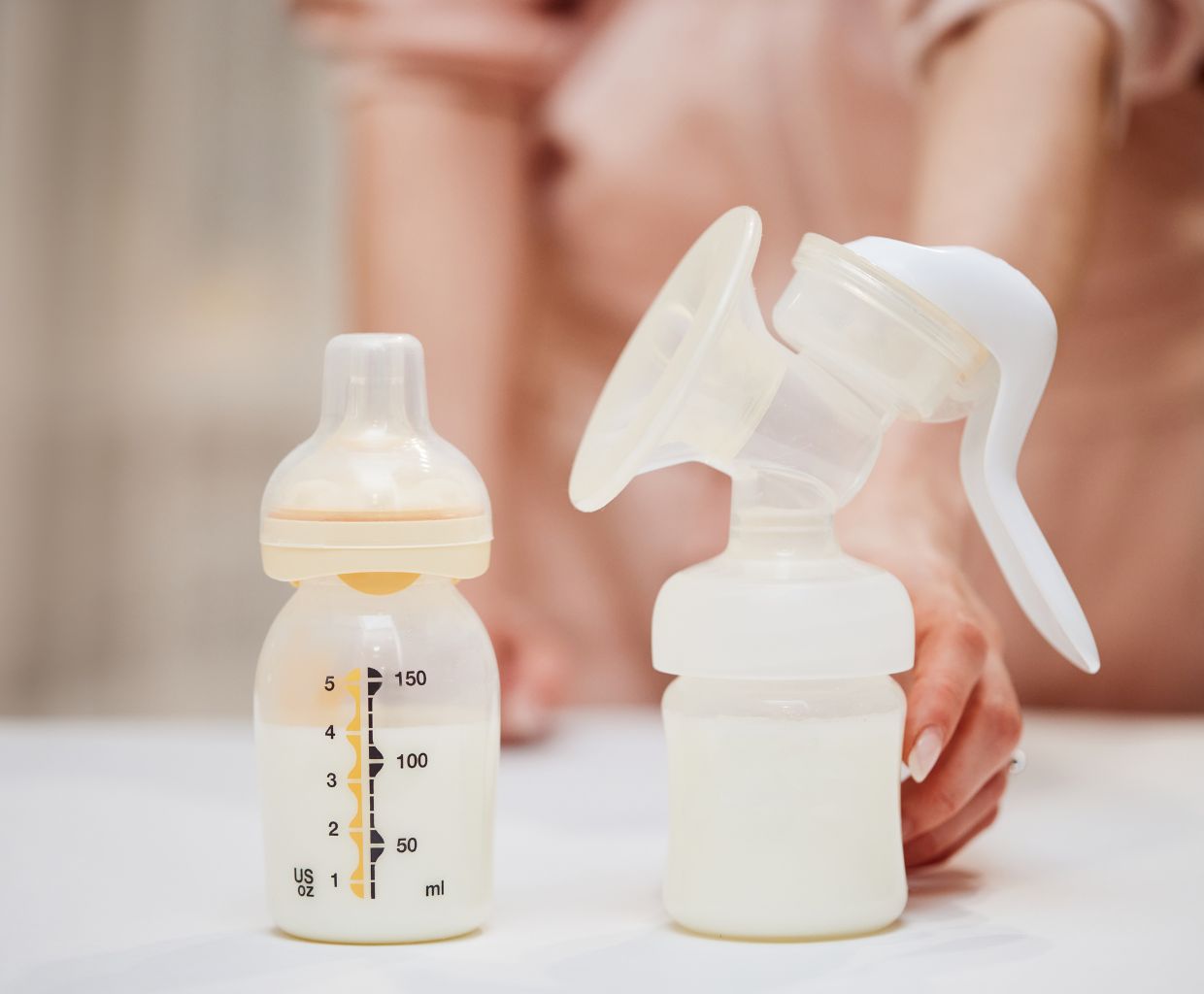
Manual Breast Pump: Lever vs Silicone Pumps and How to Use One
How manual breast pumps work, lever vs silicone suction pumps, who they suit, how to use one step by step and how to keep the parts clean.
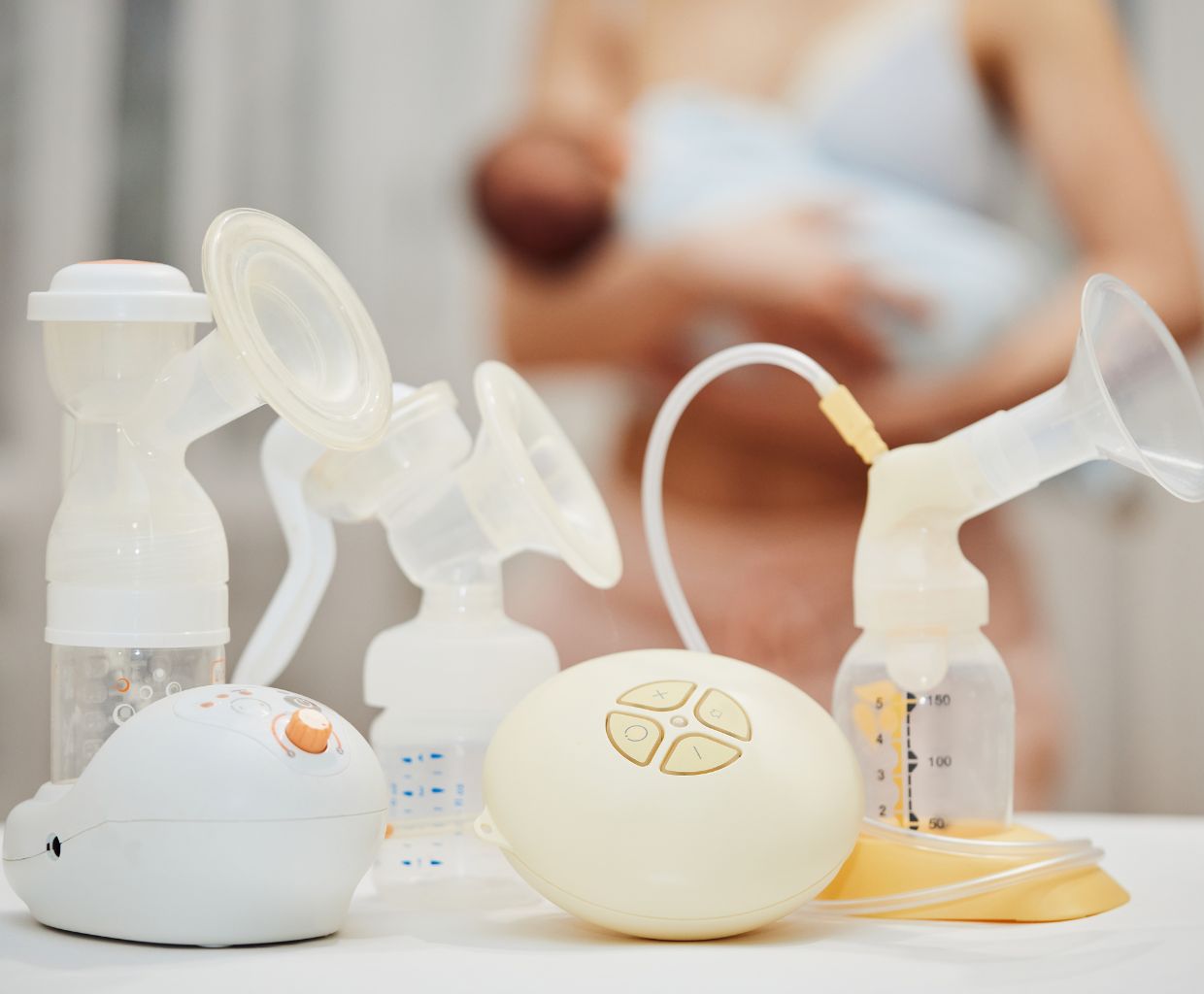
Hospital-Grade Breast Pump: What It Means, Who Needs One and Insurance
What 'hospital-grade' really means (the FDA doesn't define it), who may need a rental pump, and what US health plans must cover under the ACA.
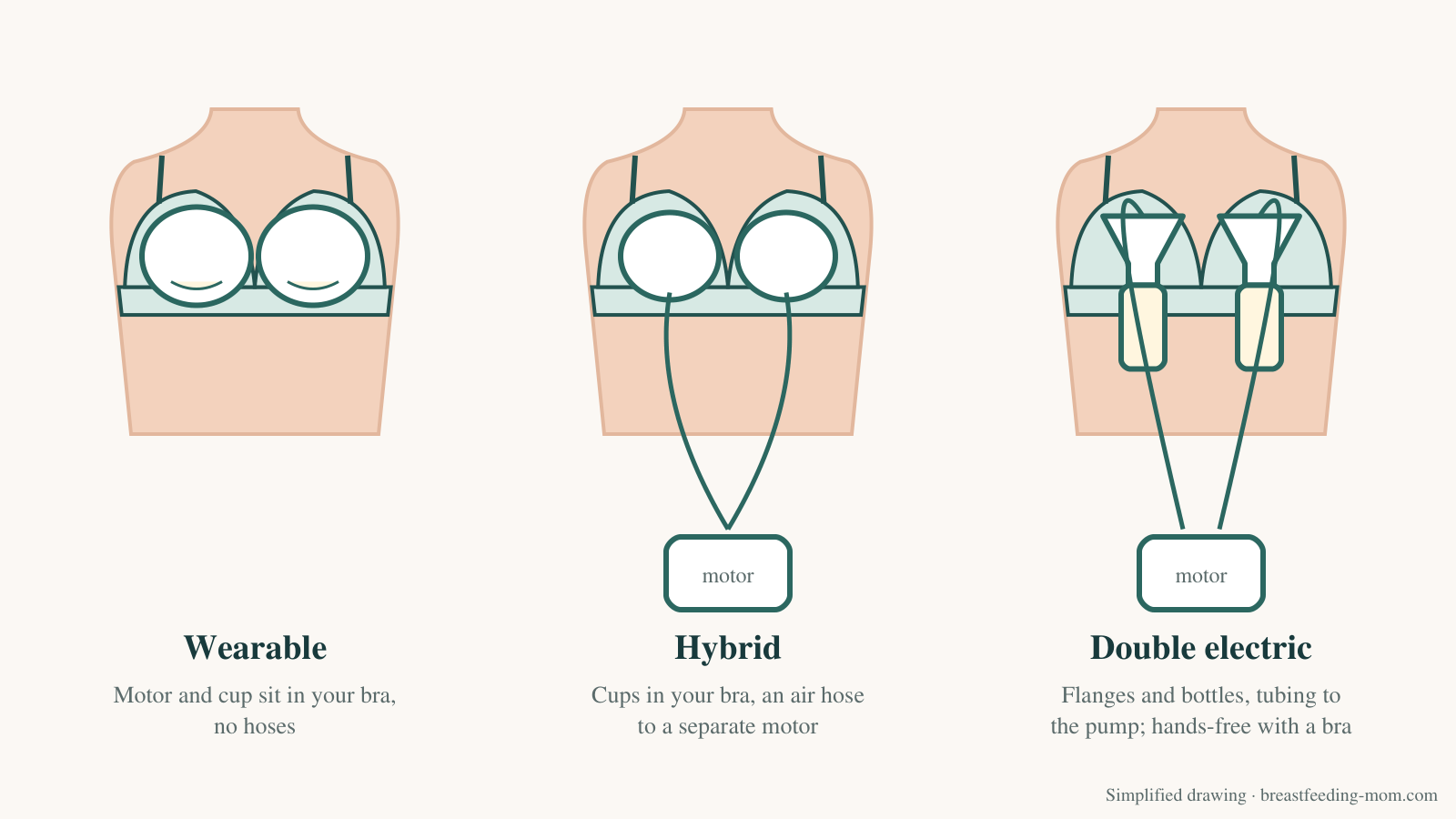
Wearable Breast Pump: How They Work, Pros and Cons, and Fit
An honest guide to wearable breast pumps: how they work, how they compare with traditional pumps, flange fit, cleaning and who they suit best.
Free Breast Pump Through Insurance: How to Get Yours
Most US health plans must cover a breast pump without cost-sharing. What the ACA requires, what your plan decides, and the questions to ask before you order.