Free Breast Pump Through Insurance: How to Get Yours
By Breastfeeding Mom Editorial TeamUpdated 6 min read
A breast pump can cost a lot, and many parents don’t realize their health plan may already owe them one. In the US, federal rules require most plans to cover breastfeeding equipment, including a pump, without making you pay a copay or meet a deductible first.
The rule is simple. How it works in real life is less so, because your plan decides many of the details. This guide explains what the federal sources say, what varies, and what to ask. We don’t name brands or quote prices here, because the federal pages we read don’t. For the wider picture, see our pumping guides.
This is general information, not legal or insurance advice. Federal pages were checked in October 2026, and rules and plan details change, so confirm with your own plan.
What the law requires
Four sources (three federal, plus the WPSI recommendation that HRSA supports) cover the basics:
- HealthCare.gov says health plans must provide breastfeeding support, counseling and equipment for the duration of breastfeeding, and that these services may be provided before and after birth. This applies to Marketplace plans and all other health insurance plans except grandfathered plans.
- It also says your plan must cover the cost of a breast pump, which may be either a rental unit or a new one you’ll keep.
- HRSA says that certain preventive services, including breastfeeding services and supplies, must be covered without a copayment, coinsurance, deductible or other cost-sharing under the HRSA-supported Women’s Preventive Services Guidelines. The guideline page was last reviewed in December 2025.
- The Women’s Preventive Services Initiative (WPSI), whose recommendation HRSA supports, calls for comprehensive lactation support services, including consultation, counseling, education by clinicians, peer support, and breastfeeding equipment and supplies, during the antenatal, perinatal and postpartum periods.
Two points in the guideline text matter to pump shoppers. It says equipment includes double electric breast pumps (including pump parts and maintenance) and breast milk storage supplies, and that access to double electric pumps should be a priority and should not depend on a prior failure of a manual pump.
A CMS FAQ adds that these items must be covered without cost-sharing but subject to “reasonable medical management,” which may include purchase instead of rental. It also says coverage of lactation support and the cost of renting or buying equipment extends for the duration of breastfeeding.
What “free” means
When federal pages say “no cost,” they mean no cost-sharing for the covered item: no copay, coinsurance or deductible. You still pay your premiums, and the federal pages don’t promise that every pump on the market is covered. They also don’t say anything about upgrades or specific brands. Whether you can put your coverage toward a different pump and pay the difference is a plan decision, so ask before you order.
Who isn’t covered by this rule
- Grandfathered plans. HealthCare.gov says grandfathered plans don’t have to offer free preventive care. These are older plans that haven’t changed in certain ways since March 23, 2010. Your insurer must notify you if you have one; if you’re unsure, check your plan materials or ask your employer or benefits administrator.
- Other coverage. Medicaid, TRICARE and other programs follow their own rules, and those can differ from the ACA rule for private plans. The FDA also says some state health departments run programs that help women buy or rent a pump, and that some women may qualify for a pump through the WIC program. Contact your state health department or WIC office.
What your plan can decide
HealthCare.gov says your plan may have guidelines on:
- Whether the covered pump is manual or electric
- The length of a rental
- When you’ll receive it, before or after birth
It adds that some plans may require pre-authorization from your doctor, and that your plan will often follow your doctor’s recommendations on what’s medically appropriate. The federal pages we read don’t say which suppliers a plan must use or whether a pump bought elsewhere must be reimbursed. Those are details to confirm with your plan.
How to get your pump, step by step
- Find out if your plan is covered. Look at your plan documents or call the number on your insurance card. Ask directly whether it is grandfathered.
- Start during pregnancy if you can. The FDA suggests contacting your insurer during the prenatal period to find out what help is available for breastfeeding and pumping equipment. Ask when you’re allowed to order, since plans may set timing.
- Ask the right questions (see the list below).
- Get a prescription or authorization if your plan needs one. Ask your doctor, midwife or the hospital’s lactation team whether they can send it.
- Order through the route your plan names. Some plans use a particular medical equipment supplier. Ask whether you have to use one and how to find it.
- Keep records. Write down the date, who you spoke with, and any reference number.
- Check what’s included. Ask about parts, replacement schedules and milk storage supplies. Our pump part replacement schedule covers when to replace valves, membranes, backflow protectors and tubing.
Questions to ask your plan
- Is my plan grandfathered?
- Do you cover rentals as well as purchases, and manual as well as electric pumps?
- Do I need a prescription or pre-authorization?
- Do I have to order from a particular supplier or in-network provider?
- When can I get the pump? Before the birth or only after?
- Are replacement parts and milk storage supplies covered, and how often?
- Is a wearable pump or a hospital-grade rental ever covered, and under what conditions?
- If I have a second baby, can I get another pump?
Hospital-grade pumps
None of the federal pages we read says plans must cover a hospital-grade rental specifically. Rentals come up when a baby can’t feed at the breast, such as after a preterm birth. Our guide to hospital-grade breast pumps explains what the term means and how rentals work. If you’re comparing options, our guides to wearable breast pumps and manual breast pumps can help you decide what to ask for.
If your plan says no
Ask the plan to tell you which rule or document it’s relying on, and ask for the decision in writing. HealthCare.gov lists the right to appeal a coverage decision as a protection that Marketplace plans offer and grandfathered plans don’t have to. If you’re employed, your HR or benefits office may be able to help. If you still can’t get a pump, the FDA suggests asking your state health department and your WIC office about programs.
When to call a doctor or lactation consultant
If your baby can’t feed well at the breast and you need to pump right away, don’t wait for insurance paperwork. Tell the hospital’s lactation team or your baby’s doctor, who may be able to point you to a pump you can use in the meantime.
Call your doctor or an IBCLC if pumping hurts, your nipples are damaged, or your milk seems to be dropping. If you plan to pump at work or exclusively pump, our guide to exclusive pumping and the flange size calculator are good next steps, and our breastfeeding support page lists ways to reach a lactation consultant.
Frequently asked questions
Do I need a prescription to get a pump through insurance?
It depends on your plan. HealthCare.gov says some plans require pre-authorization from your doctor, and that plans often follow your doctor's breastfeeding recommendations. Ask your plan, and ask your doctor's office whether it can send a prescription or order.
Can I get a new pump with my second baby?
The federal pages we read don't give a per-pregnancy rule. CMS says coverage of lactation support and equipment extends for the duration of breastfeeding, but that plans can use reasonable medical management to decide frequency, method and setting where the guideline doesn't specify. Ask your plan how it handles a second baby.
Will my plan cover a wearable pump?
We couldn't find a federal page that answers this. The guideline lists double electric breast pumps and milk storage supplies as breastfeeding equipment and supplies, and says the list is "not limited to" those. Whether a specific type, such as a wearable pump, is covered is a plan decision, so ask.
Are milk storage bags and pump parts covered too?
The WPSI recommendation lists double electric breast pumps including pump parts and maintenance, and breast milk storage supplies, as breastfeeding equipment and supplies. Exactly what your plan pays for and how often varies, so ask which supplies and replacement parts are included.
What if I buy a pump first and ask for reimbursement later?
The federal pages we read don't say whether plans must reimburse a pump you bought on your own, and some plans may only cover pumps from certain suppliers. Ask your plan before buying so you know whether you will be reimbursed.
Sources
- HealthCare.gov: Breastfeeding benefitshttps://www.healthcare.gov/coverage/breast-feeding-benefits/
- HRSA: Women's Preventive Services Guidelineshttps://www.hrsa.gov/womens-guidelines
- Women's Preventive Services Initiative: Breastfeeding Services and Supplieshttps://www.womenspreventivehealth.org/recommendations/breastfeeding-services-and-supplies/
- CMS: FAQs about Affordable Care Act Implementation (Part XII)https://www.cms.gov/cciio/resources/fact-sheets-and-faqs/aca_implementation_faqs12
- HealthCare.gov: Grandfathered health insurance planshttps://www.healthcare.gov/health-care-law-protections/grandfathered-plans/
- FDA: Buying and Renting a Breast Pumphttps://www.fda.gov/medical-devices/breast-pumps/buying-and-renting-breast-pump
This guide is general information, not medical advice. For your own situation, talk to your doctor, midwife, pharmacist or an IBCLC lactation consultant. Read our medical disclaimer and find breastfeeding support near you.
Related articles
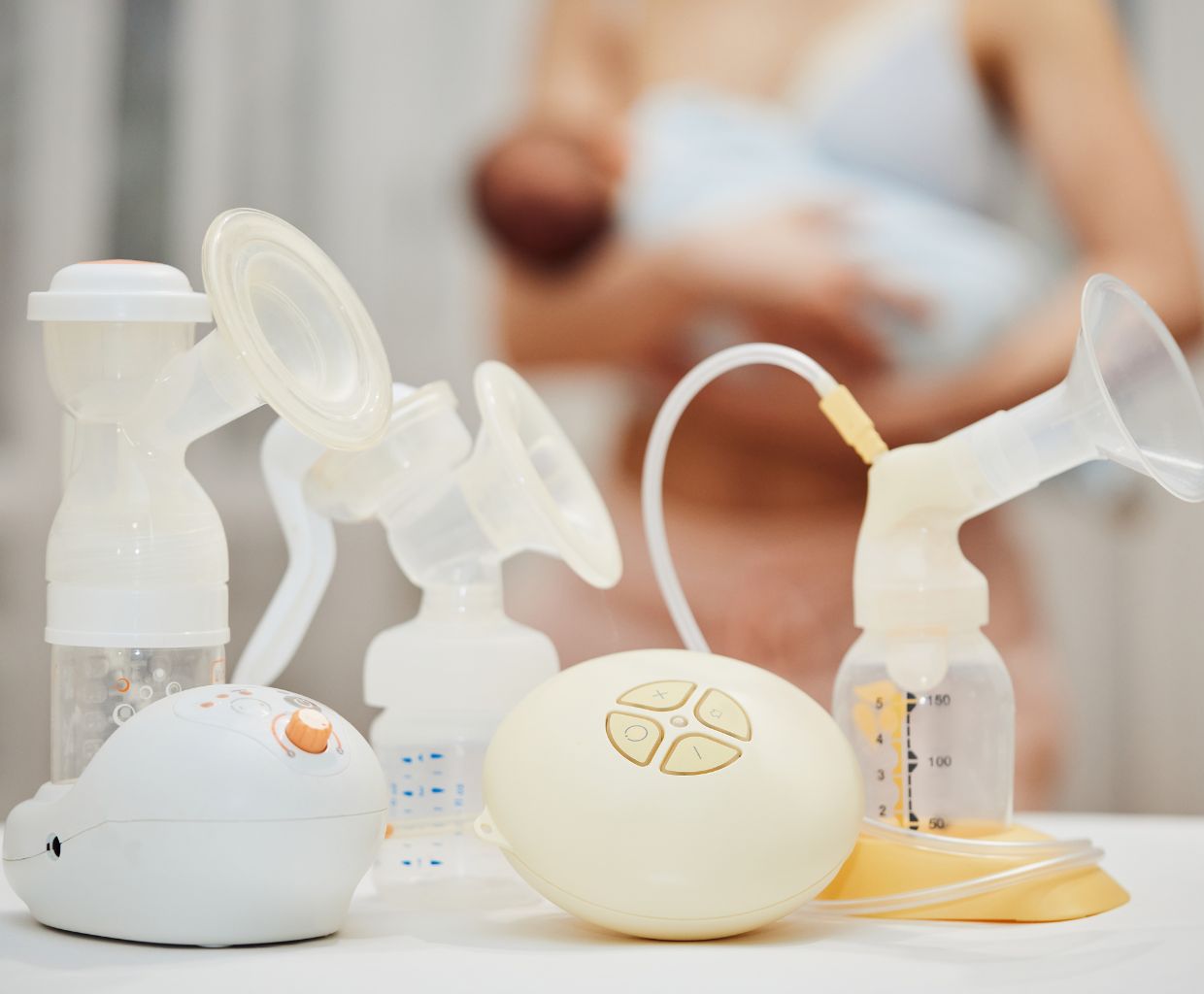
Hospital-Grade Breast Pump: What It Means, Who Needs One and Insurance
What 'hospital-grade' really means (the FDA doesn't define it), who may need a rental pump, and what US health plans must cover under the ACA.
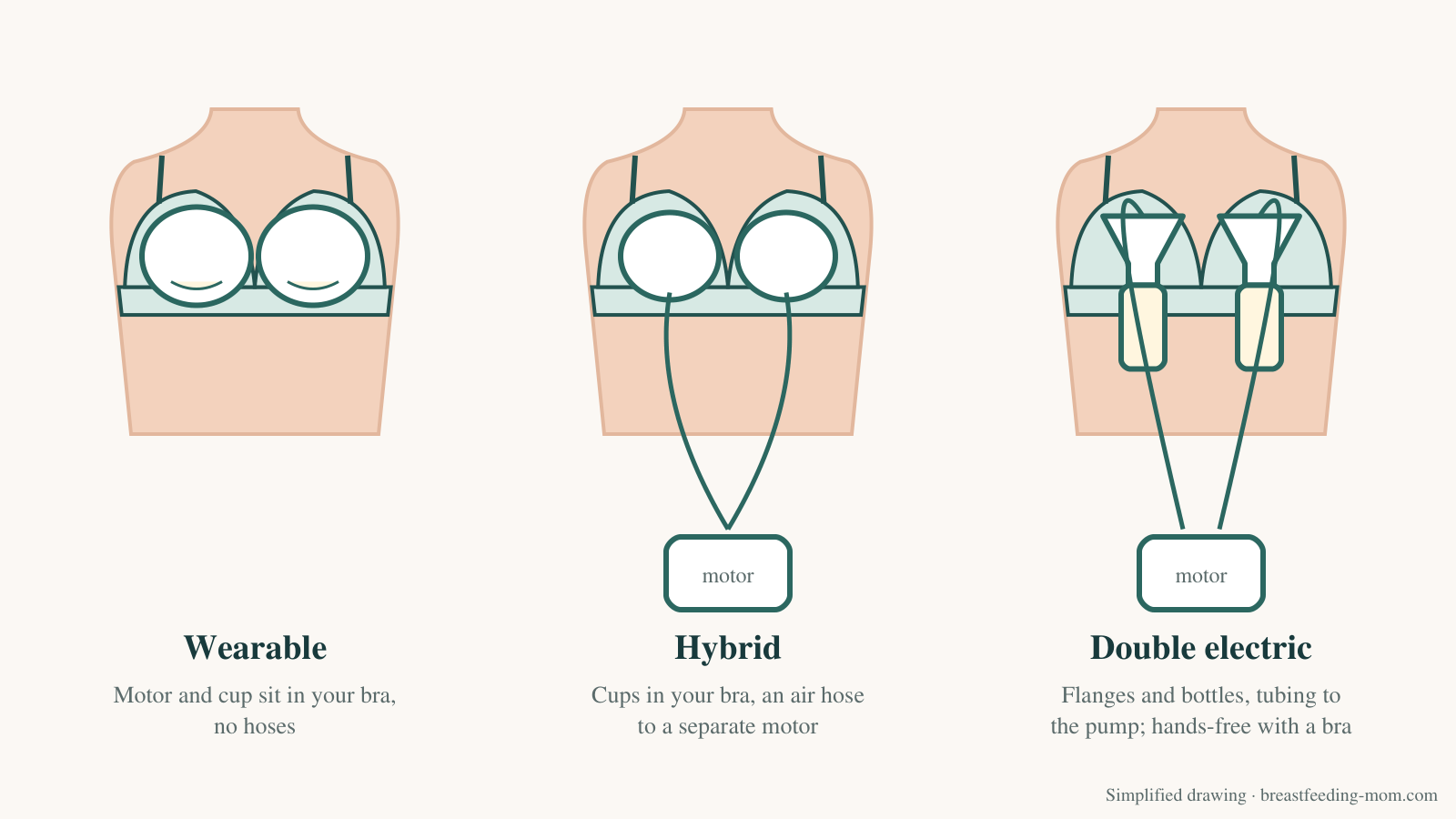
Wearable Breast Pump: How They Work, Pros and Cons, and Fit
An honest guide to wearable breast pumps: how they work, how they compare with traditional pumps, flange fit, cleaning and who they suit best.
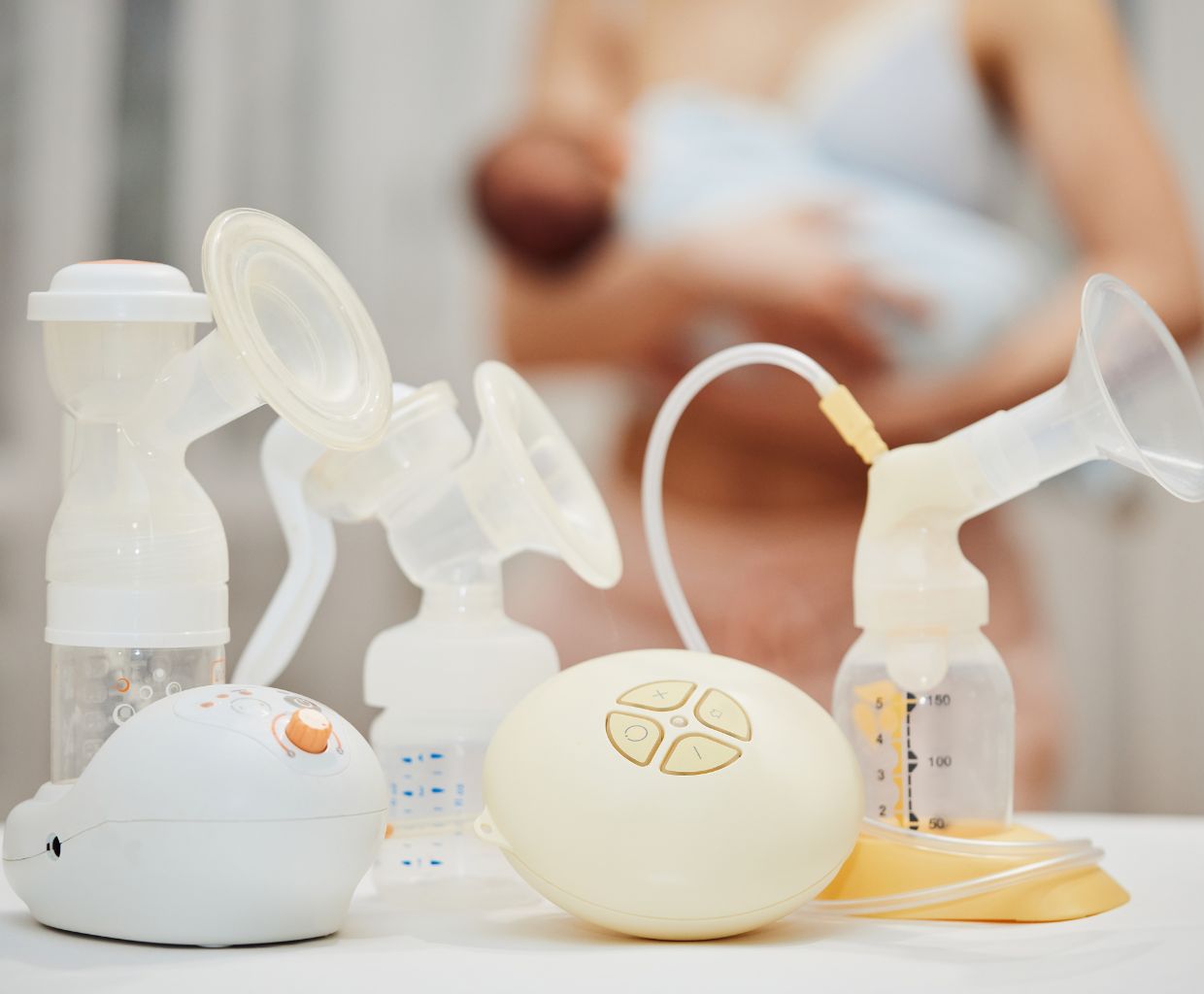
Exclusive Pumping: How to Start, Build and Keep Your Supply
A practical guide to exclusive pumping: how to start after birth, how often to pump, the right equipment, keeping your supply up and getting support.
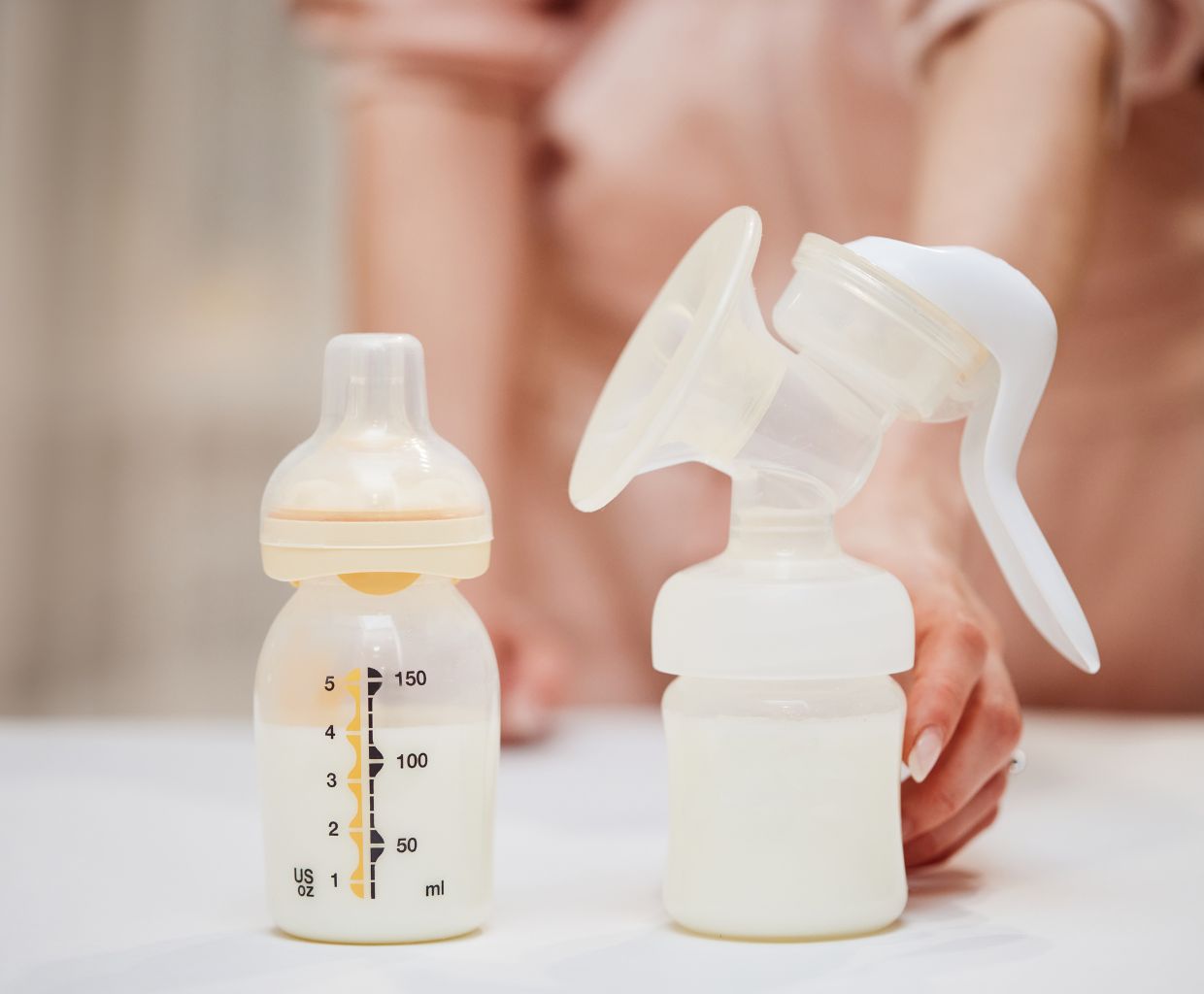
Manual Breast Pump: Lever vs Silicone Pumps and How to Use One
How manual breast pumps work, lever vs silicone suction pumps, who they suit, how to use one step by step and how to keep the parts clean.