Topic guide
Breast Milk Storage: How Long It Lasts and How to Handle It
CDC breast milk storage guidelines in one table, plus simple tips for containers, labels, freezing, thawing and warming.
6 guides · Updated October 12, 2026
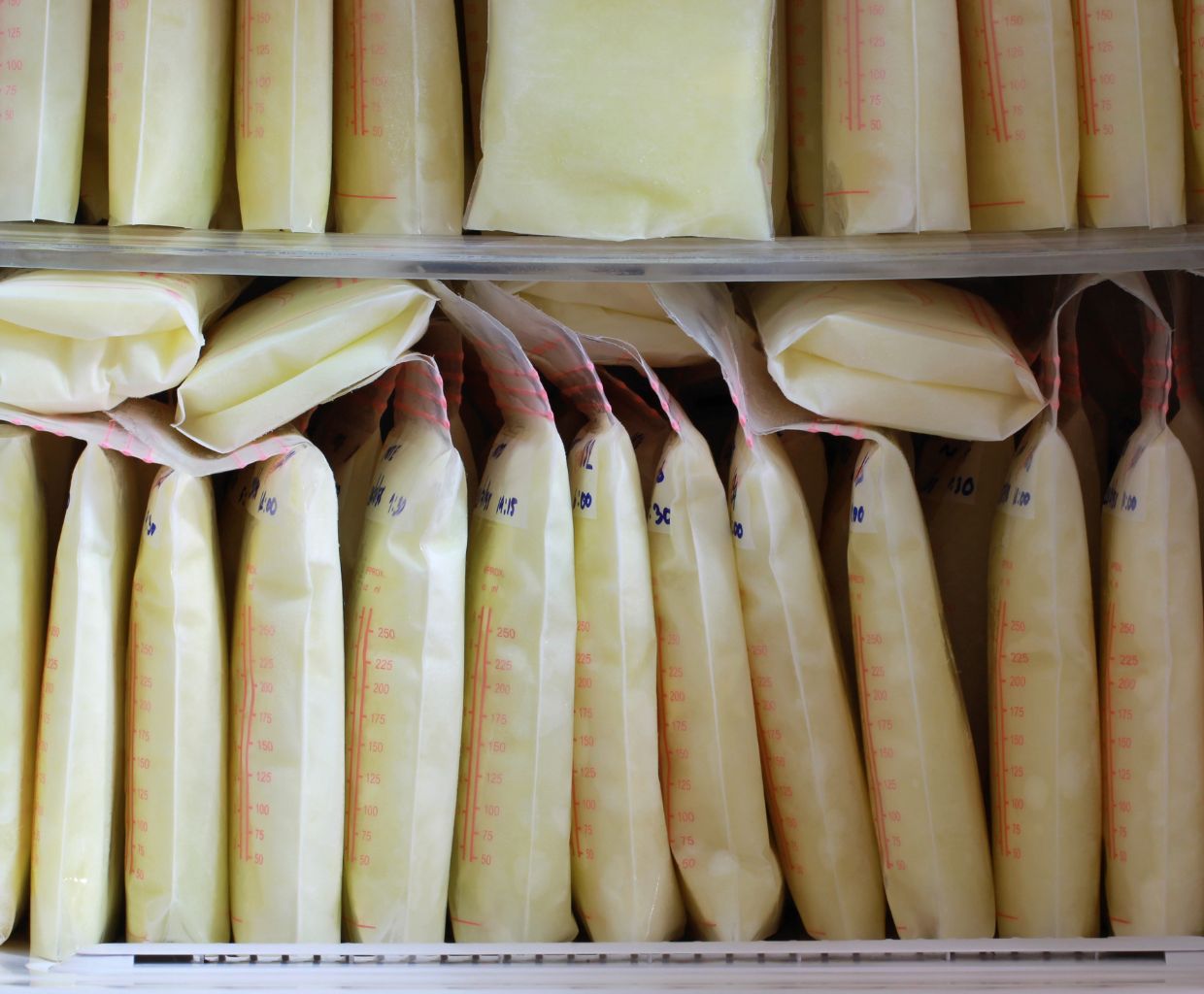
Pumping takes real effort, so you want every ounce to stay safe. Happily, breast milk storage comes down to a few simple rules: know the numbers, build a few good habits, and you can store, freeze and serve your milk with confidence.
The times below follow the current guidance from the Centers for Disease Control and Prevention (CDC) for healthy, full-term babies. If your baby was born early or is in the hospital, check with your baby’s care team, because hospitals often use stricter rules.
Breast milk storage guidelines at a glance
| Type of milk | Where it’s kept | How long it’s good for |
|---|---|---|
| Freshly expressed | Room temperature, 77°F (25°C) or colder | Up to 4 hours |
| Freshly expressed | Insulated cooler with frozen ice packs | Up to 24 hours (then use, refrigerate or freeze) |
| Freshly expressed | Fridge, 40°F (4°C) or colder | Up to 4 days |
| Freshly expressed | Freezer, 0°F (-18°C) or colder | Within 6 months is best, up to 12 months is acceptable |
| Freshly expressed | Deep (chest or upright) freezer, -4°F (-20°C) | Same CDC limit: best within 6 months, up to 12 months |
| Thawed, previously frozen | Room temperature | 1–2 hours |
| Thawed, previously frozen | Fridge | Up to 24 hours from when it is fully thawed |
| Thawed, previously frozen | Freezer | Never refreeze thawed milk |
| Leftover from a feed | Any | Use within 2 hours after your baby finishes, then discard |
The CDC gives one freezer guideline for any freezer at 0°F (-18°C) or colder. The American Academy of Pediatrics (AAP) lists up to 9 months in a fridge-freezer and up to 12 months in a chest or deep freezer at -4°F (-20°C). Either way, using frozen milk within 6 months is best.
Not sure which rule applies to a particular bottle? Our breast milk storage calculator gives you a use-by time based on when you pumped and where the milk is stored.
How long breast milk lasts, place by place
A few details for each spot:
- Fridge: milk keeps up to 4 days, best at the back of the shelf. See how long breast milk lasts in the fridge for tips on fridge temperature and when to freeze instead.
- Counter: the 4-hour limit only applies in a room at 77°F (25°C) or cooler. Our guide on how long breast milk can sit out covers fresh, thawed and leftover milk.
- Freezer: freeze milk early if you won’t use it within 4 days, and use the oldest milk first.
Containers and labeling
- Use breast milk storage bags or clean, food-grade glass or plastic containers with tight-fitting lids.
- Don’t use disposable bottle liners or plastic bags that aren’t made for breast milk.
- Label every container with the date you expressed the milk. For daycare, add your baby’s name and check the provider’s own rules.
- Wash your hands before pumping or handling milk, and keep pump parts clean. Our pumping guides cover the equipment side.
Freezing tips: small, flat and at the back
- Store small amounts. Freeze 2 to 4 ounces (60 to 120 ml), or about one feed, so you thaw only what your baby needs.
- Leave room at the top. Milk expands as it freezes, so leave about 1 inch (2.5 cm) of space in a container.
- Freeze bags flat. Squeeze out the air, seal, and lay bags flat until frozen. Flat bags stack neatly and thaw faster.
- Skip the door. Store milk at the back of the fridge or freezer, where the temperature changes least when the door opens.
- Cool before combining. Chill freshly pumped milk before adding it to milk that is already cold or frozen.
Building a stash around work? Plan it with a realistic pumping schedule and use the oldest milk first.
Thawing and warming
Thaw milk in the fridge overnight, in a bowl of lukewarm water, or under lukewarm running water. Never thaw or heat breast milk in a microwave, which heats unevenly and can scald your baby. Step-by-step guides:
- How to thaw frozen breast milk, including why you shouldn’t refreeze it
- How to warm breast milk, and how long warmed milk stays good
Warming is optional: many babies drink breast milk cold or at room temperature.
Combining breast milk with formula, and other questions
If you combination feed, you can put breast milk and formula in the same bottle as long as the formula is mixed with water first. Read our guide to mixing breast milk and formula for the safe order and timing.
You may also have seen freeze-dried milk powder online. Before trying it, read our honest look at turning breast milk into powder at home and why freezing is still the method health agencies back.
When to ask for help
Talk to your baby’s doctor if your baby seems unwell after a feed, or if you’re unsure whether milk is still safe. If in doubt, throw it out. For pumping and storage questions, an International Board Certified Lactation Consultant (IBCLC) or a La Leche League leader can help; see our list of breastfeeding support options.
All breast milk storage guides
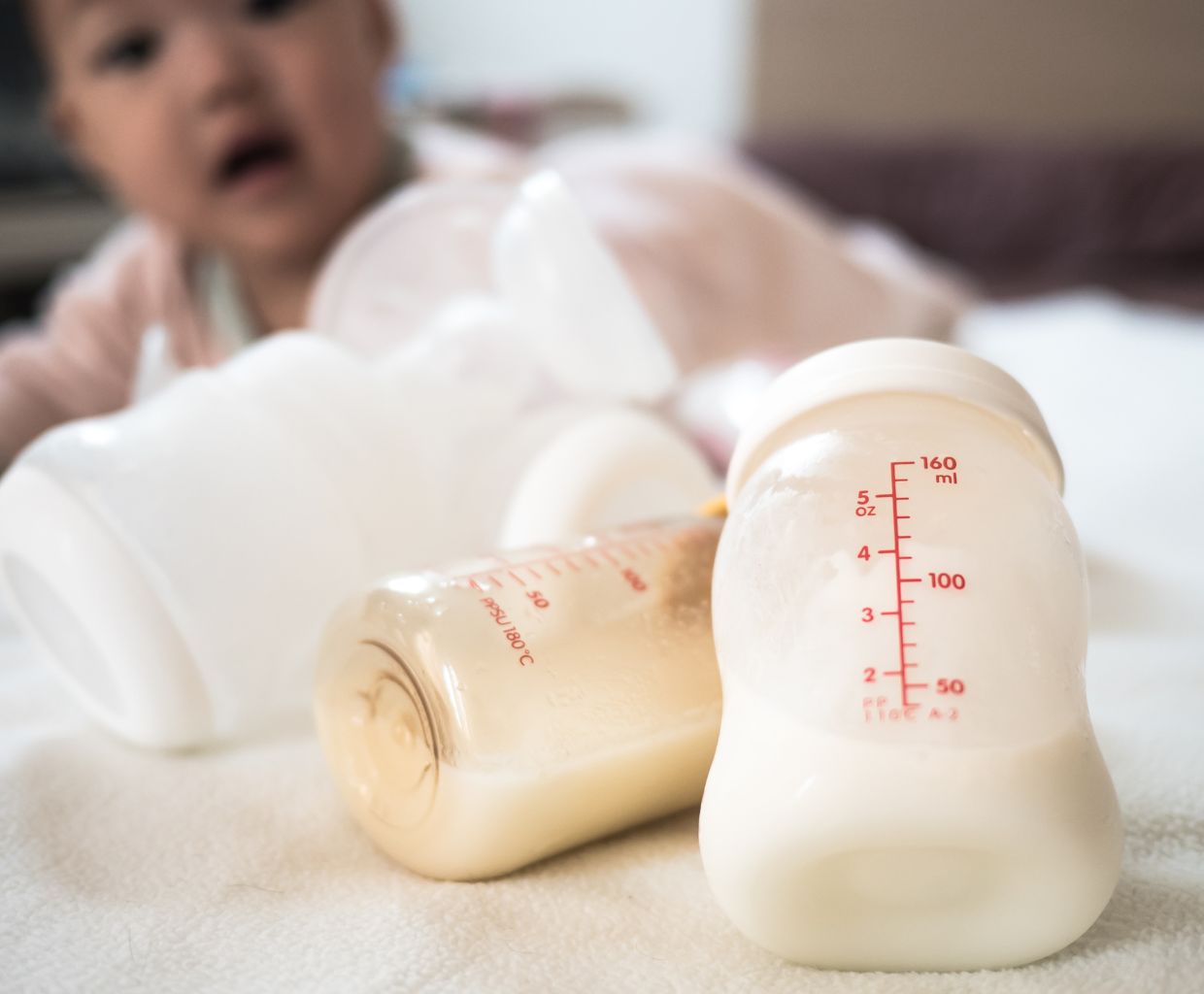
How Long Can Breast Milk Sit Out?
Fresh breast milk can sit out up to 4 hours, thawed milk 1–2 hours and leftovers 2 hours. Here's how each rule works.
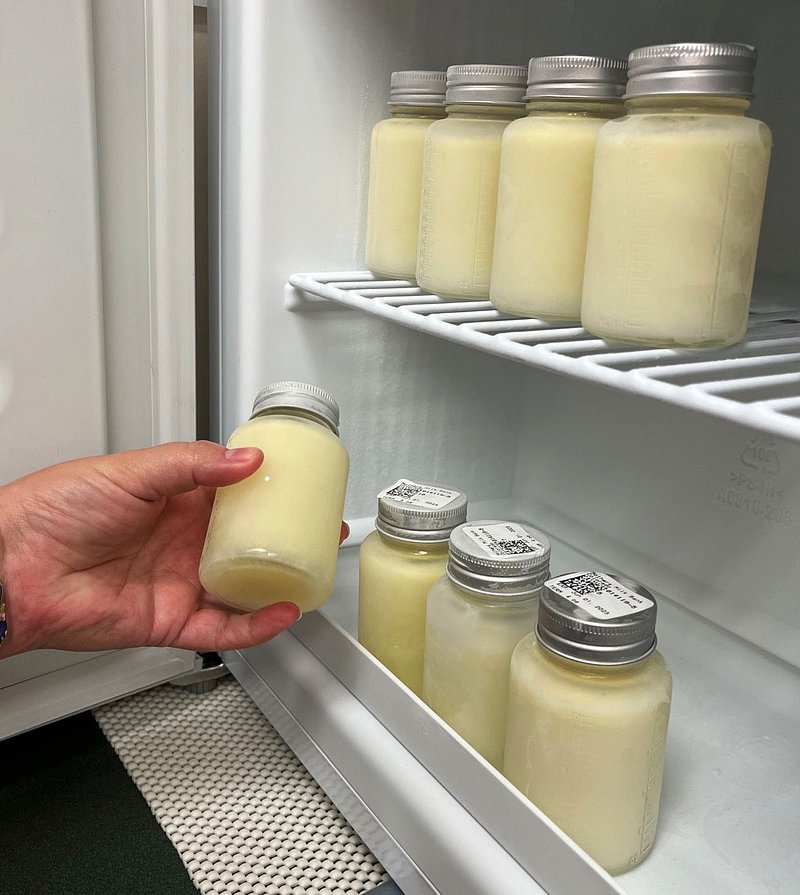
How Long Does Breast Milk Last in the Fridge?
Fresh breast milk keeps up to 4 days in the fridge and thawed milk up to 24 hours. Here's how to store it so it stays safe.
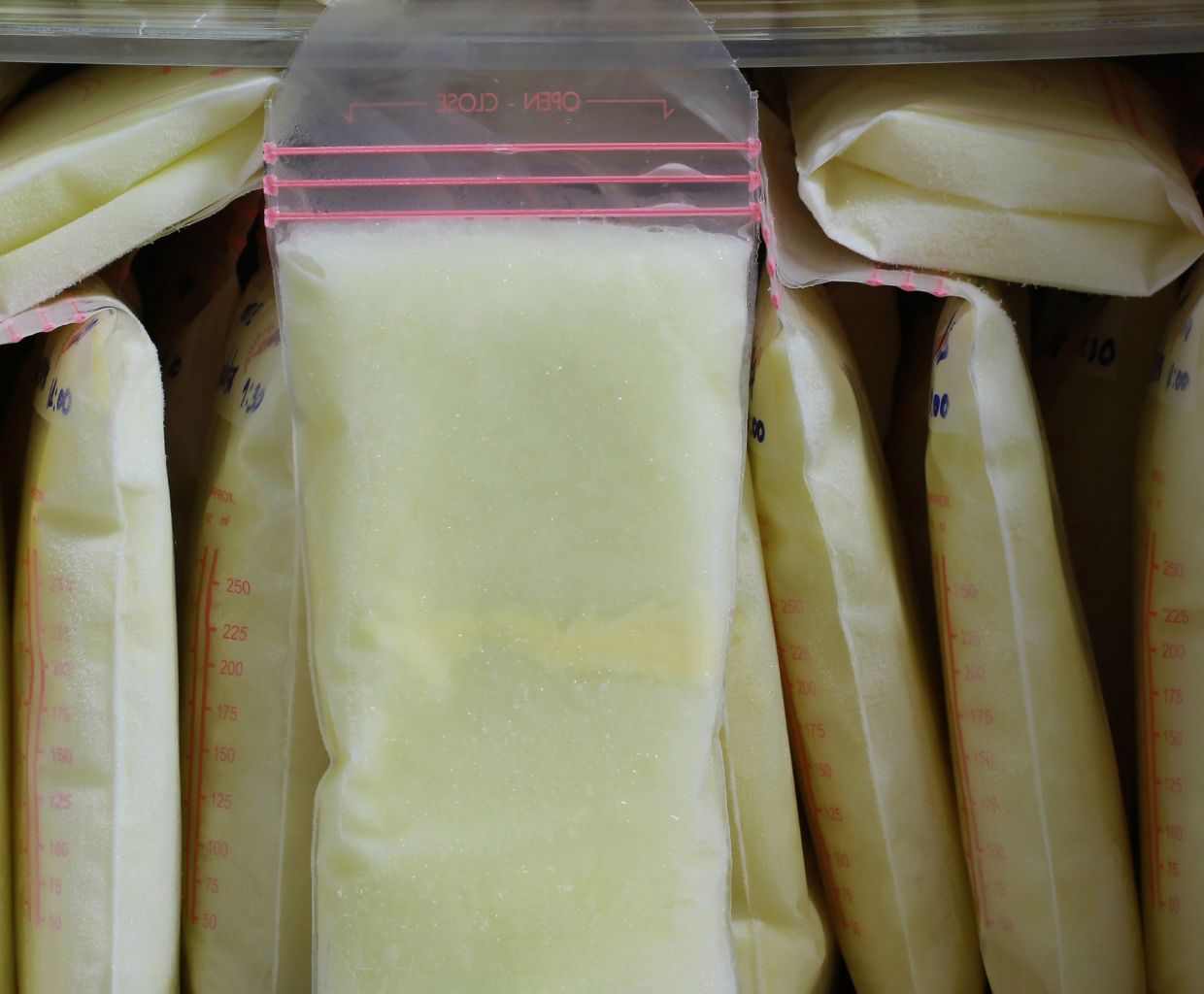
How to Thaw Frozen Breast Milk (and Why Not to Refreeze It)
The safest ways to thaw frozen breast milk, how long thawed milk lasts, and why you should never refreeze milk once it has thawed.
How to Turn Breast Milk Into Powder at Home: What You Should Know First
Can you turn breast milk into powder at home? An honest look at the safety concerns, freeze-drying services and safer ways to store milk.
How to Warm Breast Milk Safely
Safe ways to warm breast milk with warm water or a bottle warmer, why to skip the microwave, and how long warmed milk is good for.
Mixing Breast Milk and Formula: Is It Safe and How to Do It
You can mix breast milk and formula in one bottle if formula is made with water first. Here's the safe order, timing and tips.
Frequently asked questions
Can I combine breast milk from different pumping sessions?
Yes, but cool freshly expressed milk in the fridge first before adding it to milk that is already chilled or frozen. The CDC advises against pouring warm, fresh milk straight onto cold or frozen milk.
Do these storage times apply to premature or sick babies?
They are written for healthy, full-term babies at home. If your baby was born early, is in the hospital or has a medical condition, ask your baby's care team which rules to follow.
Is it normal for stored breast milk to separate?
Yes. The fat rises to the top as milk sits. Swirl the container gently to mix it back in before feeding.
Why does my thawed milk smell soapy or metallic?
Stored milk can change in smell as its fats break down over time. La Leche League notes that milk stored properly is still safe and most babies drink it without a problem.
Sources
- CDC: Breast Milk Storage and Preparationhttps://www.cdc.gov/breastfeeding/breast-milk-preparation-and-storage/handling-breastmilk.html
- CDC: Breast Milk Storage Questions and Answershttps://www.cdc.gov/breastfeeding/php/guidelines-recommendations/faqs.html
- CDC: Human Milk Storage Guidelines (printable chart, PDF)https://cdc.gov/breastfeeding/media/pdfs/preparation-of-breast-milk_H.pdf
- HealthyChildren.org (AAP): Storing and Preparing Expressed Breast Milkhttps://www.healthychildren.org/English/ages-stages/baby/breastfeeding/Pages/storing-and-preparing-expressed-breast-milk.aspx
- La Leche League International: Storing Human Milkhttps://llli.org/breastfeeding-info/storingmilk/
This guide is general information, not medical advice. For your own situation, talk to your doctor, midwife, pharmacist or an IBCLC lactation consultant. Read our medical disclaimer and find breastfeeding support near you.
Related articles
Breast Milk Storage Calculator: Is My Milk Still Good?
Enter when your milk was pumped or thawed and where it's stored, and see the exact date and time to use it by, based on CDC guidelines.