Breast Milk Cooler: How Long Milk Lasts and How to Use One for Work and Travel
By Breastfeeding Mom Editorial TeamUpdated 5 min read
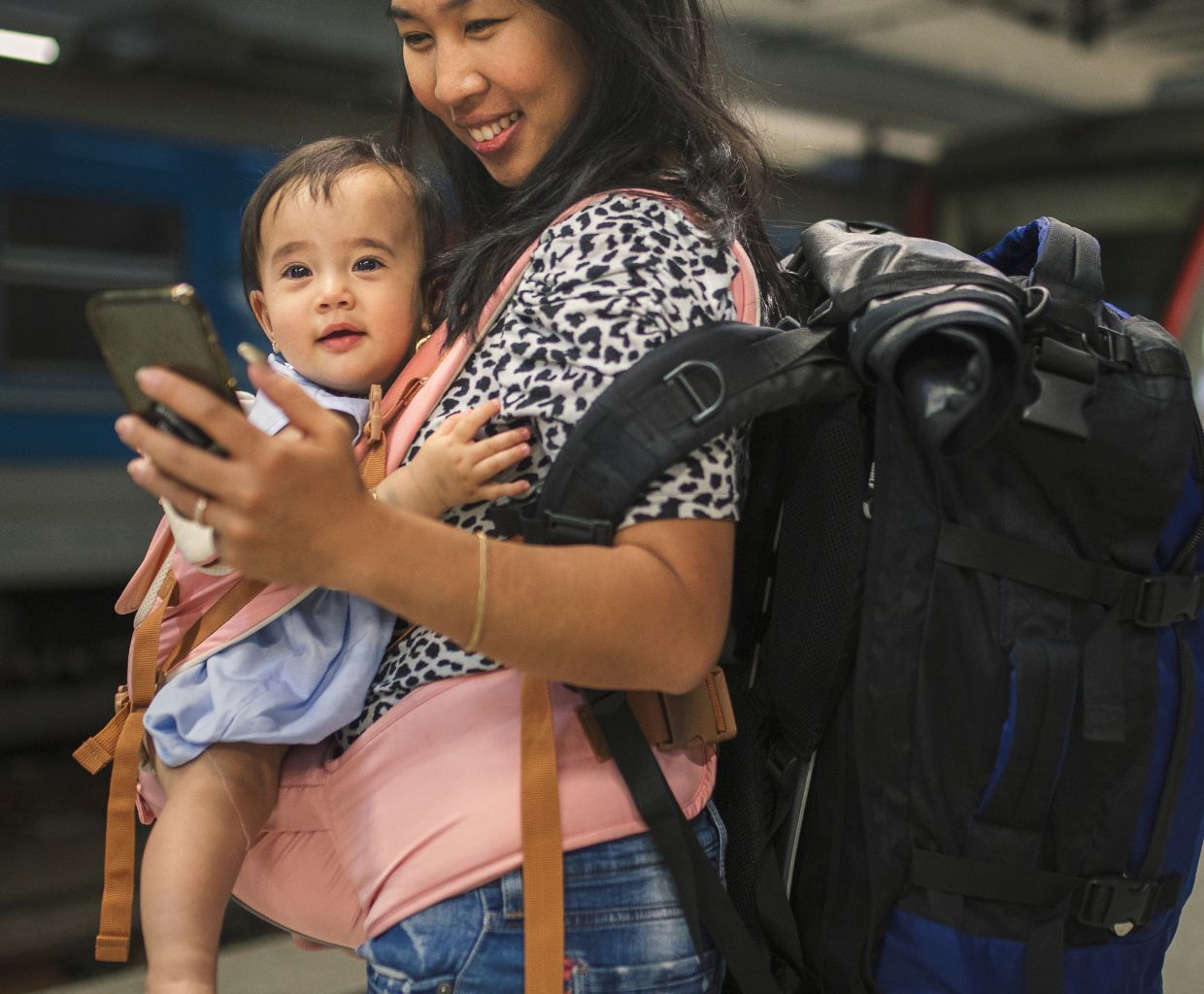
A breast milk cooler is simply an insulated bag or box that keeps pumped milk cold when there’s no fridge nearby. It’s what gets your milk safely from the office to home, from the airport to the hotel, or through a long day out. The good news is that you don’t need anything fancy: an insulated cooler and frozen ice packs, used correctly, keep milk safe for a full day.
Below you’ll find how long milk lasts in a cooler, what to look for when you choose one, and how to use it at work and on trips, including current TSA rules for flying. These guidelines are for healthy, full-term babies.
How long breast milk lasts in a cooler
The CDC says freshly expressed milk can be stored and transported in an insulated cooler bag with frozen ice packs for up to 24 hours. When you get where you’re going, use the milk right away, store it in the fridge or freeze it.
| Where milk is kept | How long (CDC) |
|---|---|
| Room temperature, 77°F (25°C) or colder | Up to 4 hours |
| Insulated cooler with frozen ice packs | Up to 24 hours |
| Fridge, 40°F (4°C) or colder | Up to 4 days |
| Freezer, 0°F (-18°C) or colder | About 6 months is best; up to 12 months is acceptable |
The Academy of Breastfeeding Medicine’s storage protocol (ABM #8) gives the same 24-hour limit for an insulated cooler, and adds two practical tips: keep the ice packs in contact with the milk containers at all times, and open the cooler as little as possible.
To work out the use-by time for a specific bottle, try our breast milk storage calculator. For every storage rule in one place, see our breast milk storage guide.
What to look for in a breast milk cooler
You can use a cooler sold for breast milk or any good insulated lunch-style bag. What matters is how well it holds cold. Look for:
- Good insulation. Thick, insulated walls and a tight-closing zipper or lid.
- Space for ice packs around the milk. The containers should touch the ice packs, ideally with packs above and below.
- The right size. Big enough for the number of bottles or bags you pump in a day, plus ice packs, but not so big that there’s lots of empty air.
- An easy-to-clean lining. A wipeable, waterproof lining makes it easy to deal with leaks and condensation.
- Bottle holders or dividers (optional). They keep bottles upright and stop them from tipping.
- Shoulder strap or a shape that fits your pump bag (optional), if you’ll carry it every day.
Types of coolers
| Type | Pros | Cons |
|---|---|---|
| Soft insulated cooler bag | Light, folds flat, fits in a pump bag or tote | Holds cold for less time than a hard cooler in hot conditions |
| Hard-sided cooler | Stays cold longer, protects bottles | Bulkier and heavier |
| Electric or battery-powered cooler | Cools actively, useful for long trips | Needs charging or power; check that it actually holds 40°F (4°C) or colder |
Whatever you choose, use frozen ice packs. A cooler alone only slows warming; the ice packs do the cooling.
Using a cooler at work
If you’re pumping at work, a cooler gives you a backup when there’s no fridge or you’d rather not use a shared one.
- Freeze your ice packs overnight so they’re solid in the morning.
- Pack the milk in sealed bottles or breast milk storage bags and label them with the date.
- Add each new pumping session to the cooler, but let fresh, warm milk cool before mixing it with milk that’s already cold. The CDC advises against adding warm milk to cooled or frozen milk.
- At home, move the milk into the fridge or freezer.
Our guides to pumping at work and building a pumping schedule cover your break-time rights and how to plan your sessions.
Flying with breast milk: TSA rules
According to TSA:
- Breast milk over 3.4 oz (100 ml) is allowed in carry-on bags. It doesn’t have to fit in your quart-sized liquids bag.
- Ice packs, freezer packs and gel packs used to cool breast milk are allowed in carry-ons. If they’re partially frozen or slushy, they’re screened like other liquids.
- Your baby doesn’t need to be with you to bring breast milk and cooling accessories.
- Tell the officer at the start of screening that you’re carrying breast milk, and take it out of your bag to be screened separately.
- Officers may test the liquids. TSA says its X-ray machines aren’t harmful to food. If you don’t want your milk X-rayed or opened, tell the officer; other screening steps will apply.
- TSA recommends, but doesn’t require, carrying milk in clear bottles rather than bags or pouches, which can make screening faster.
- Breast milk is also allowed in checked bags.
TSA doesn’t list breast pumps in its breast milk guidance, and airlines have their own carry-on rules, so check with your airline whether a pump counts toward your bag allowance.
Long trips and frozen milk
- Start cold. Fully chill or freeze milk before you leave, and pack it right from the fridge or freezer.
- Pack tightly. Fill empty space so the cooler stays cold longer.
- Check milk when you arrive. Store it in a fridge or freezer as soon as you can.
- If frozen milk has started to thaw: the CDC says milk that still has ice crystals can be refrozen. Milk that has fully thawed but is still cold should go in the fridge and be used within 24 hours.
- No reliable fridge at your destination? The CDC suggests temperature-controlled shipping as an option; otherwise milk that can’t be kept cold should be thrown away.
- Dry ice can keep milk frozen for shipping or long trips, but it needs special handling, and airlines limit how much you can bring.
Cleaning your cooler
Wipe the inside with warm, soapy water after each use, especially after leaks, and let it air-dry open. Wash or wipe ice packs too. A damp, closed cooler can grow mold.
When to talk to someone
If your baby is premature or in the hospital, ask the care team how they want milk transported; hospitals often have stricter rules. If pumping on the go is affecting your supply or comfort, a lactation consultant can help. Find one through our breastfeeding support page.
Frequently asked questions
Can I use regular ice instead of ice packs?
Frozen ice packs are the standard advice from the CDC because they stay cold without melting into water. If you use ice, keep it in sealed bags and replace it as it melts so the milk stays cold.
Can I put milk from my cooler back in the fridge at home?
Yes. The CDC says milk that was kept cold in a cooler with ice packs can be moved to the fridge or freezer when you arrive. Count its fridge time from when it was expressed.
Do I need a cooler if my workplace has a fridge?
Not necessarily. Milk can go straight into a workplace fridge. Many parents still use a cooler bag to carry the milk home, or keep milk in it if they'd rather not use a shared fridge.
Can I put breast milk in checked luggage?
TSA allows breast milk in checked bags. The CDC's travel guidance says to follow the same cooler storage times. Carrying milk on board is usually easier to keep cold and to keep an eye on.
Sources
- CDC: Breast Milk Storage and Preparationhttps://www.cdc.gov/breastfeeding/breast-milk-preparation-and-storage/handling-breastmilk.html
- CDC: Breast Milk Storage Questions and Answershttps://www.cdc.gov/breastfeeding/php/guidelines-recommendations/faqs.html
- TSA: Traveling with Children (formula, breast milk and juice)https://www.tsa.gov/travel/special-procedures/traveling-children
- TSA: What Can I Bring? Breast Milkhttps://www.tsa.gov/travel/security-screening/whatcanibring/items/breast-milk
- ABM Clinical Protocol #8: Human Milk Storage Information for Home Use for Full-Term Infants (2017)https://pubmed.ncbi.nlm.nih.gov/29624432/
- La Leche League International: Storing Human Milkhttps://llli.org/breastfeeding-info/storingmilk/
This guide is general information, not medical advice. For your own situation, talk to your doctor, midwife, pharmacist or an IBCLC lactation consultant. Read our medical disclaimer and find breastfeeding support near you.
Related articles
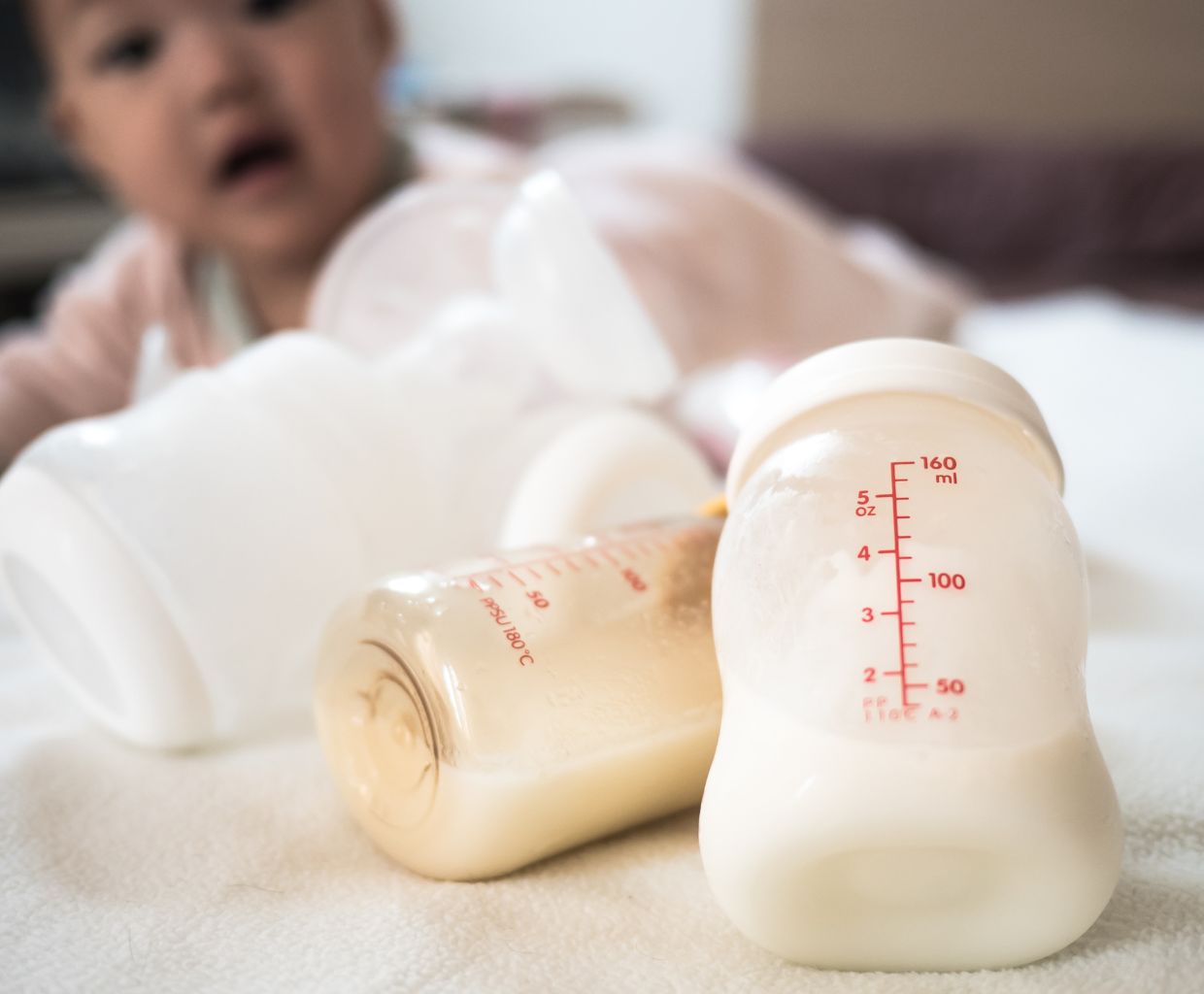
How Long Can Breast Milk Sit Out?
Fresh breast milk can sit out up to 4 hours, thawed milk 1–2 hours and leftovers 2 hours. Here's how each rule works.
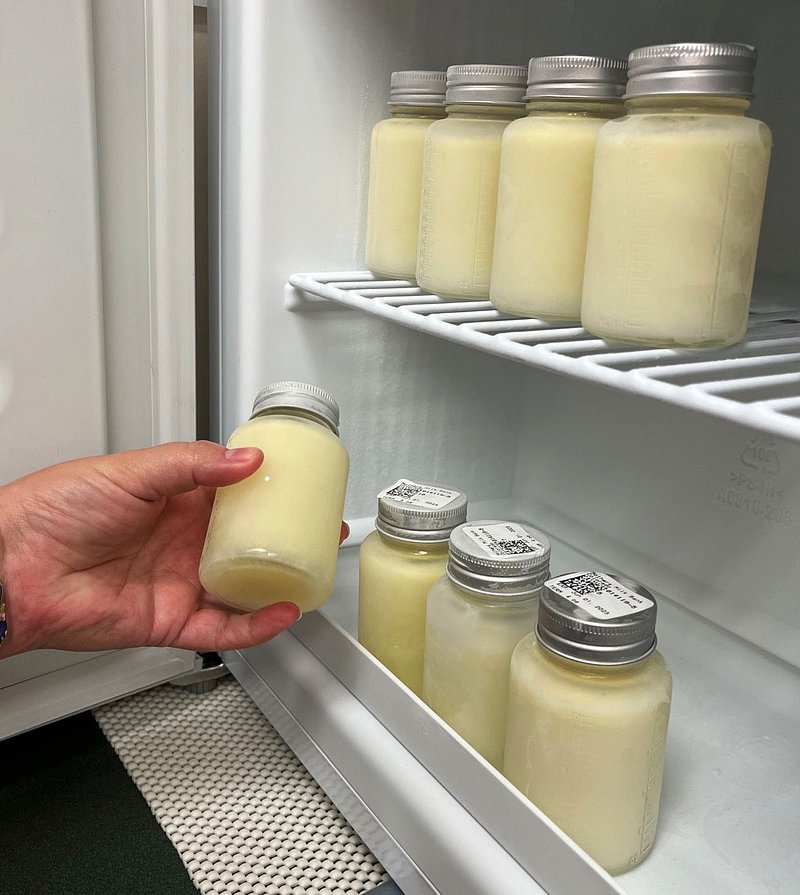
How Long Does Breast Milk Last in the Fridge?
Fresh breast milk keeps up to 4 days in the fridge and thawed milk up to 24 hours. Here's how to store it so it stays safe.
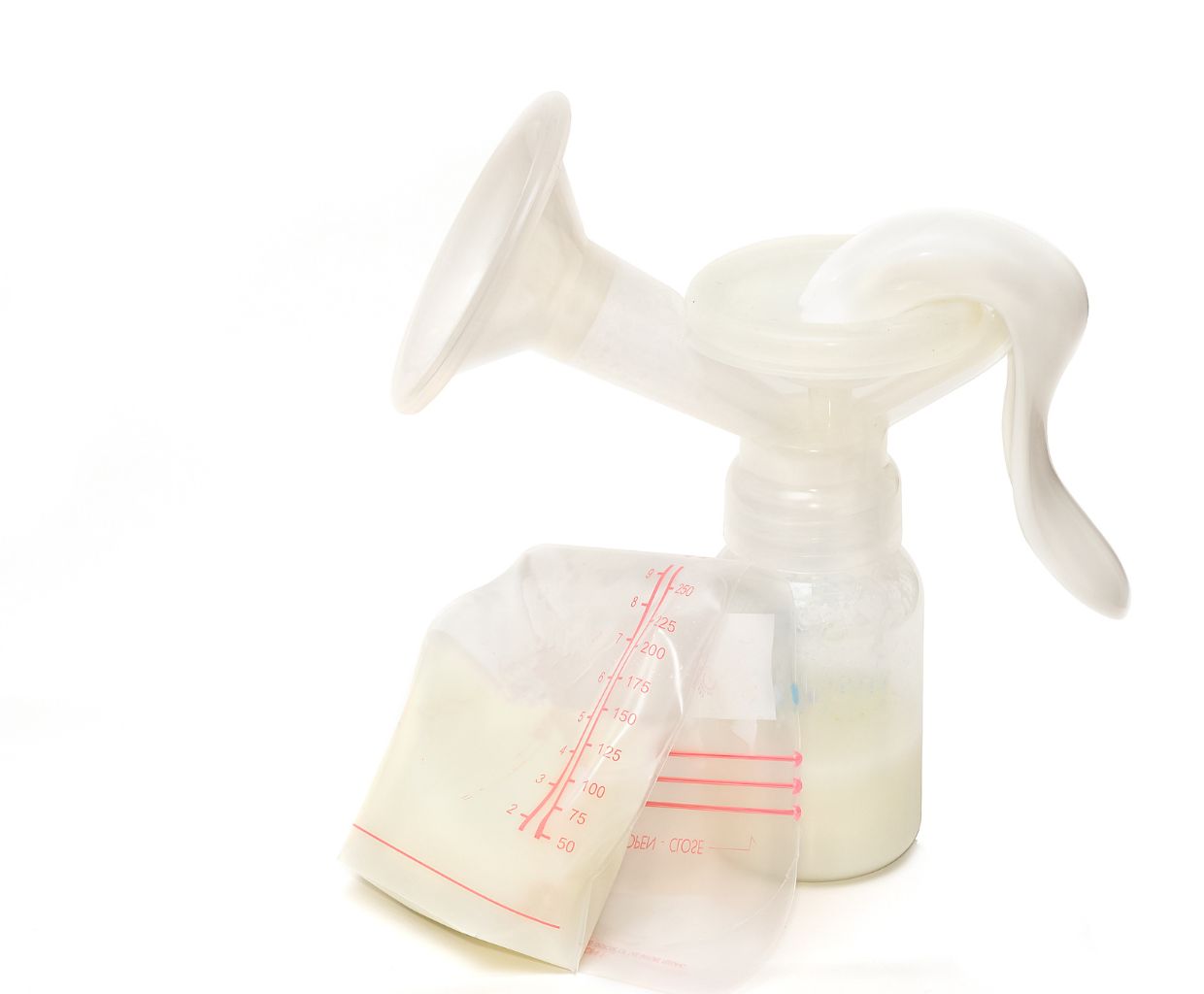
Breast Milk Storage Bags: How to Choose, Fill, Freeze and Label Them
What to look for in breast milk storage bags, plus how to fill, freeze flat, label and thaw them using the CDC's storage times.
How to Thaw Frozen Breast Milk (and Why Not to Refreeze It)
The safest ways to thaw frozen breast milk, how long thawed milk lasts, and why you should never refreeze milk once it has thawed.