TSA Breast Milk Rules: Flying With Breast Milk, Pumps and Ice Packs
By Breastfeeding Mom Editorial TeamUpdated 6 min read
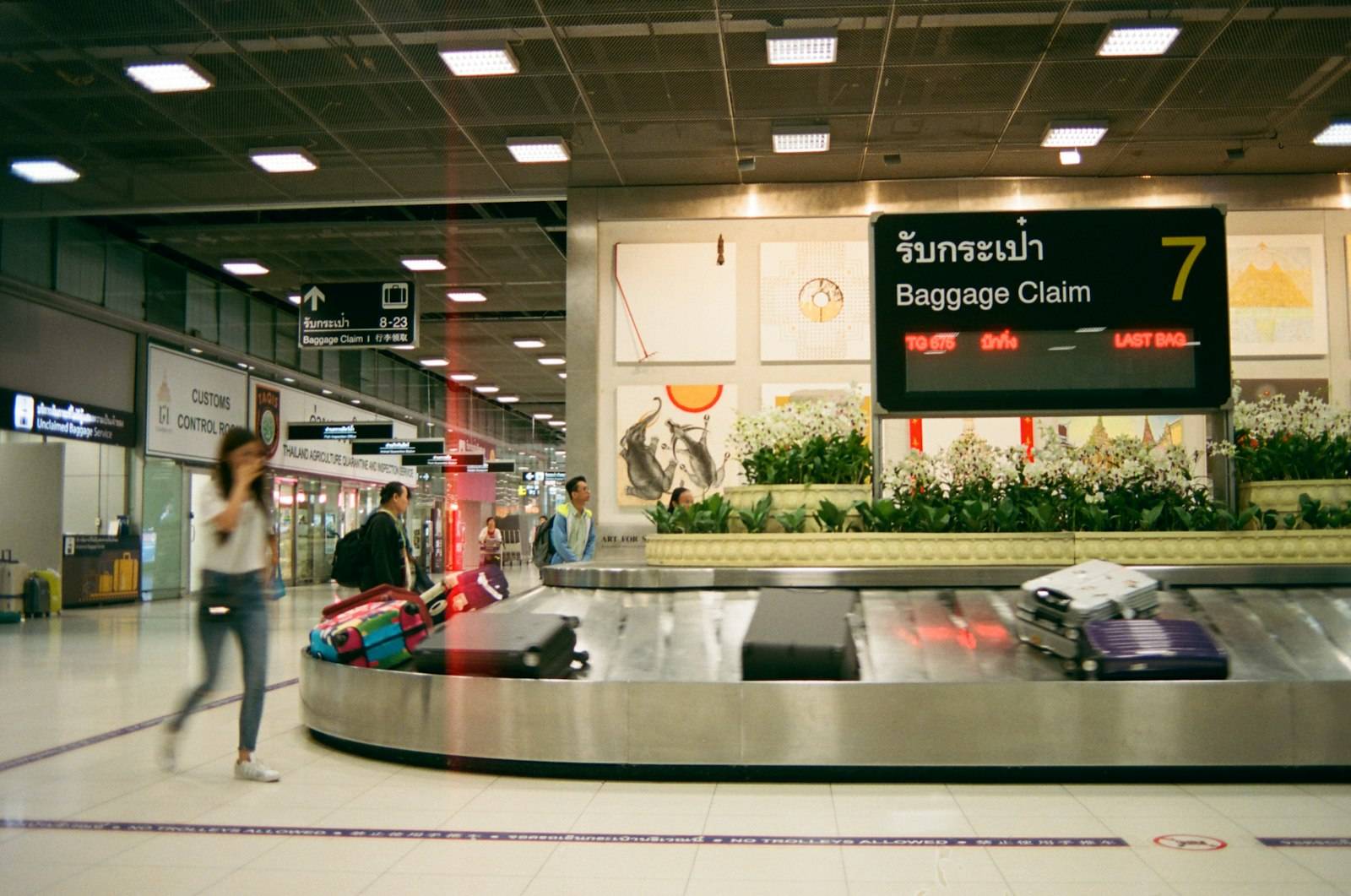
Flying while you’re breastfeeding or pumping takes a little planning, but the rules are on your side. In the U.S., breast milk gets special treatment at airport security, and you can bring your pump and cooling packs too.
This guide covers what TSA allows, what happens at screening, how to keep milk cold on the way, dry ice, hotel fridges, shipping milk home and what changes when you fly abroad. Rules can change, so check the TSA and your airline shortly before you travel.
TSA breast milk rules at a glance
| Item | Carry-on | Checked bag |
|---|---|---|
| Breast milk, more than 3.4 oz (100 ml) | Allowed, with special screening | Allowed |
| Ice packs, freezer packs, gel packs | Allowed, with or without milk | Not covered on TSA’s breast milk page |
| Breast pump | Allowed | Allowed |
| Dry ice | Check with your airline (FAA limits apply) | Check with your airline |
Here’s what TSA’s breast milk page says:
- Quantities over 3.4 oz (100 ml) are allowed in carry-on bags, and the milk doesn’t need to fit in a quart-sized bag.
- Your child doesn’t need to be with you. You can bring breast milk and supplies whether or not your baby is traveling.
- Cooling accessories are allowed in carry-ons, including ice packs, freezer packs and gel packs, regardless of whether you’re carrying breast milk.
- Partially frozen or slushy ice packs are screened the same way as the milk.
The CDC adds that milk and related feeding items, including ice packs and pumps, are exempt from TSA’s liquid limits. Your other liquids, gels and aerosols still have to follow the usual 3.4 oz (100 ml) rule.
What happens at security screening
- Tell the officer at the start that you’re carrying breast milk over 3.4 oz (100 ml).
- Take the milk out of your bag so it can be screened separately from your other belongings.
- Expect testing. Officers may X-ray the milk, test it for explosives or open containers if feasible. TSA says screening will never involve placing anything into the milk.
- You can opt out of X-ray or opening. Tell the officer if you don’t want the milk X-rayed or opened. You’ll then get additional screening, which can include Advanced Imaging Technology screening and enhanced screening of your other carry-on items.
Is X-rayed milk safe?
Yes. TSA says X-rays do not adversely affect food or medicines, and the CDC says X-rayed milk is safe to feed your child. The CDC Yellow Book adds that airport X-rays have no effect on breastfeeding, expressed milk or lactation.
Bottles or bags?
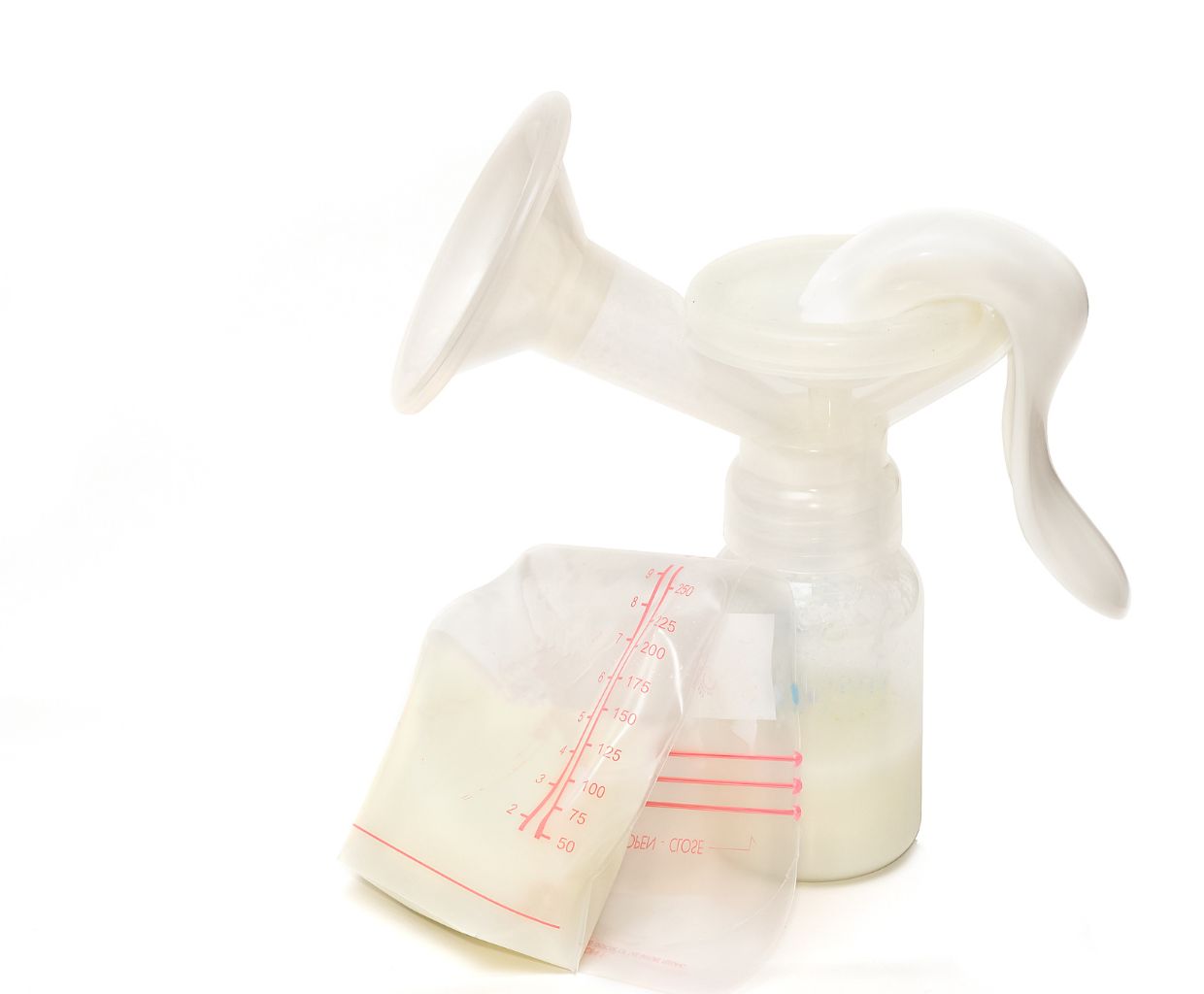
TSA recommends clear, see-through bottles. Milk in plastic bags or pouches may not fit through the bottle liquid scanners, which can mean extra screening. If you freeze milk in breast milk storage bags, allow a little more time at the checkpoint.
Tips for a smoother checkpoint
- Allow extra time, and consider carrying a printed copy of TSA’s breast milk rules, as the CDC suggests.
- Pack milk and cooling packs together, near the top of your bag.
- For help planning, TSA Cares offers assistance online or at (855) 787-2227 (federal relay 711).
Keeping milk cold on the way
The CDC says freshly expressed milk can be kept in an insulated cooler with frozen ice packs for up to 24 hours. When you arrive, use it right away, refrigerate it or freeze it. Our guide to choosing a breast milk cooler explains what to look for.
| Storage | How long (CDC) |
|---|---|
| Room temperature, 77°F (25°C) or colder | Up to 4 hours |
| Insulated cooler with frozen ice packs | Up to 24 hours |
| Refrigerator | Up to 4 days |
| Freezer | About 6 months is best; up to 12 months is acceptable |
To work out a use-by time for each container, try our breast milk storage calculator.
Traveling with frozen milk
The CDC’s travel guidance says to check frozen milk when you arrive. If it still has ice crystals, you can refreeze it. If it has thawed completely, use it within 24 hours and don’t refreeze it. Our guide on how to thaw frozen breast milk covers the details.
Flying with dry ice
For long trips with a frozen stash, some parents use dry ice. According to TSA, the FAA limits you to 5.5 lb (2.5 kg) of dry ice that is properly packaged, with a vented package, and marked. Airline approval is required, so contact your airline before you fly. TSA lists dry ice as “check with your airline” for both carry-on and checked bags.
The CDC Yellow Book notes you may need tongs or gloves to handle dry ice.
Pumping on the plane and at the airport
- Your pump is allowed in both carry-on and checked bags, according to TSA. The CDC Yellow Book says most airlines let you carry a pump on board in addition to your other carry-on items, but check your airline’s policy.
- Airport lactation spaces: the CDC explains that the FAM Acts require airports to provide a private, non-bathroom space for expressing milk in each terminal.
- Power: a manual or battery-powered pump may be easiest for travel, the CDC says. A manual breast pump is a handy backup, and so is knowing how to hand express breast milk, which needs no equipment or power.
- Clean hands: wash with soap and water before pumping. If that isn’t available, the CDC suggests a hand sanitizer with at least 60% alcohol.
Keeping parts clean on the road is tricky. The CDC Yellow Book suggests bringing extra sets of parts (connectors, flanges, membranes and valves) if you can’t clean them between uses, and packing a small cleaning kit. See our guide on how to clean breast pump parts for the full CDC routine.
Hotel fridges
The CDC suggests calling your hotel ahead of time to ask for a refrigerator, or a compact fridge in your room. Store milk at the back of the fridge or freezer, where the temperature stays more constant. Use milk storage bags or clean food-grade containers with tight lids, made of glass or BPA-free plastic.
Shipping milk home
If you’re traveling for work and pumping, shipping can save you from carrying a big cooler. The CDC Yellow Book says to follow the guidelines for shipping other frozen foods and liquids. Useful supplies include storage bags, paper or newspaper for wrapping, a cooler, labels, packing tape and a shipping box. Some carriers offer temperature-controlled options, and some employers cover the cost of shipping milk home. For your rights while pumping on the job, see our pumping at work guide.
Flying internationally
The rules above are for U.S. airports. The CDC Yellow Book notes that airport security rules for expressed milk vary internationally and can change, and that customs rules also vary by country. Before you fly:
- Check the airport security rules for every country you’ll depart from, including connections.
- Check the customs rules for bringing milk into your destination.
- Bring an electrical adapter and converter if you use an electric pump, as the CDC suggests, plus a manual backup.
When you return to the U.S., the Yellow Book says expressed milk doesn’t need to be declared at customs.
When to get help
If you’re worried about keeping your supply up during a trip, or you’ll be away from your baby for several days, an IBCLC can help you plan a pumping routine. Our breastfeeding support page lists where to find one. For more on keeping milk safe, browse our breast milk storage guides.
Frequently asked questions
Is there a limit on how much breast milk I can bring through TSA?
TSA's breast milk page allows quantities greater than 3.4 oz (100 ml) in carry-on bags and doesn't list a maximum. The final decision at the checkpoint always rests with the TSA officer, so leave extra time if you're carrying a lot.
Can I fly with breast milk if my baby isn't with me?
Yes. TSA says your child doesn't need to be present or traveling with you to bring breast milk, formula and related supplies.
Can I put breast milk in my checked bag?
TSA lists breast milk as allowed in checked bags. Keep in mind you can't check on it during the trip, so pack it in an insulated cooler with frozen ice packs and use, refrigerate or freeze it as soon as you arrive.
Do I have to declare breast milk at U.S. customs when I come home?
No. The CDC Yellow Book says expressed milk does not need to be declared at U.S. Customs when you return to the United States. Rules for entering other countries can differ, so check before you go.
Where can I pump at the airport?
The CDC notes that under the FAM Acts, airports must provide a private space that isn't a bathroom for expressing milk in each terminal. Check your airport's website to find the lactation spaces before you fly.
Sources
- TSA: Breast Milk (What Can I Bring?)https://www.tsa.gov/travel/security-screening/whatcanibring/items/breast-milk
- TSA: Breast Pump (What Can I Bring?)https://www.tsa.gov/travel/security-screening/whatcanibring/items/breast-pump
- TSA: Dry Ice (What Can I Bring?)https://www.tsa.gov/travel/security-screening/whatcanibring/items/dry-ice
- CDC: Travel Recommendations for Breastfeeding Familieshttps://www.cdc.gov/infant-toddler-nutrition/breastfeeding/travel-recommendations.html
- CDC Yellow Book: Travel and Breastfeedinghttps://www.cdc.gov/yellow-book/hcp/family-travel/travel-and-breastfeeding.html
- CDC: Breast Milk Storage and Preparationhttps://www.cdc.gov/breastfeeding/breast-milk-preparation-and-storage/handling-breastmilk.html
This guide is general information, not medical advice. For your own situation, talk to your doctor, midwife, pharmacist or an IBCLC lactation consultant. Read our medical disclaimer and find breastfeeding support near you.
Related articles
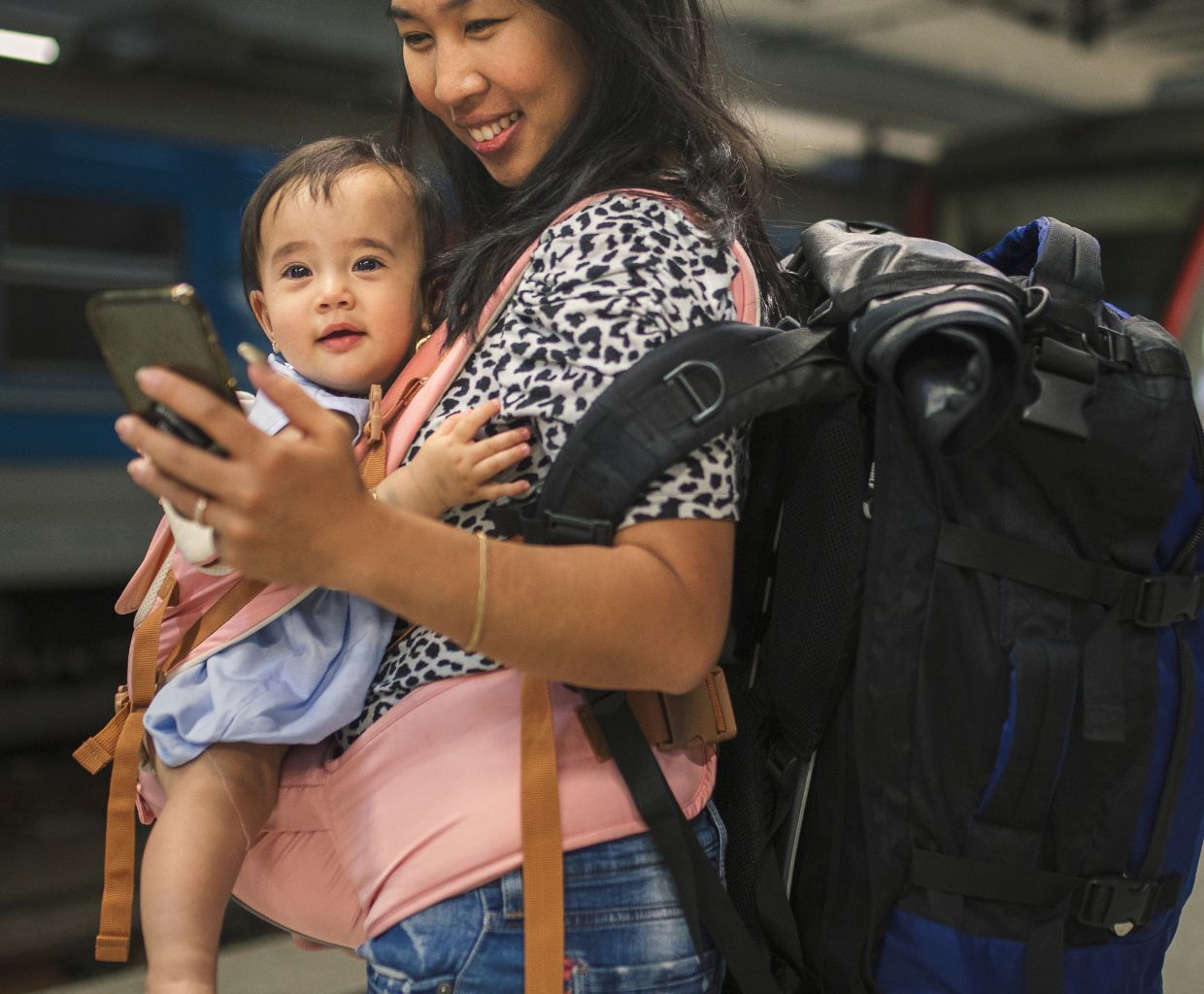
Breast Milk Cooler: How Long Milk Lasts and How to Use One for Work and Travel
Breast milk keeps up to 24 hours in an insulated cooler with frozen ice packs. What to look for in a cooler, plus work and TSA travel tips.
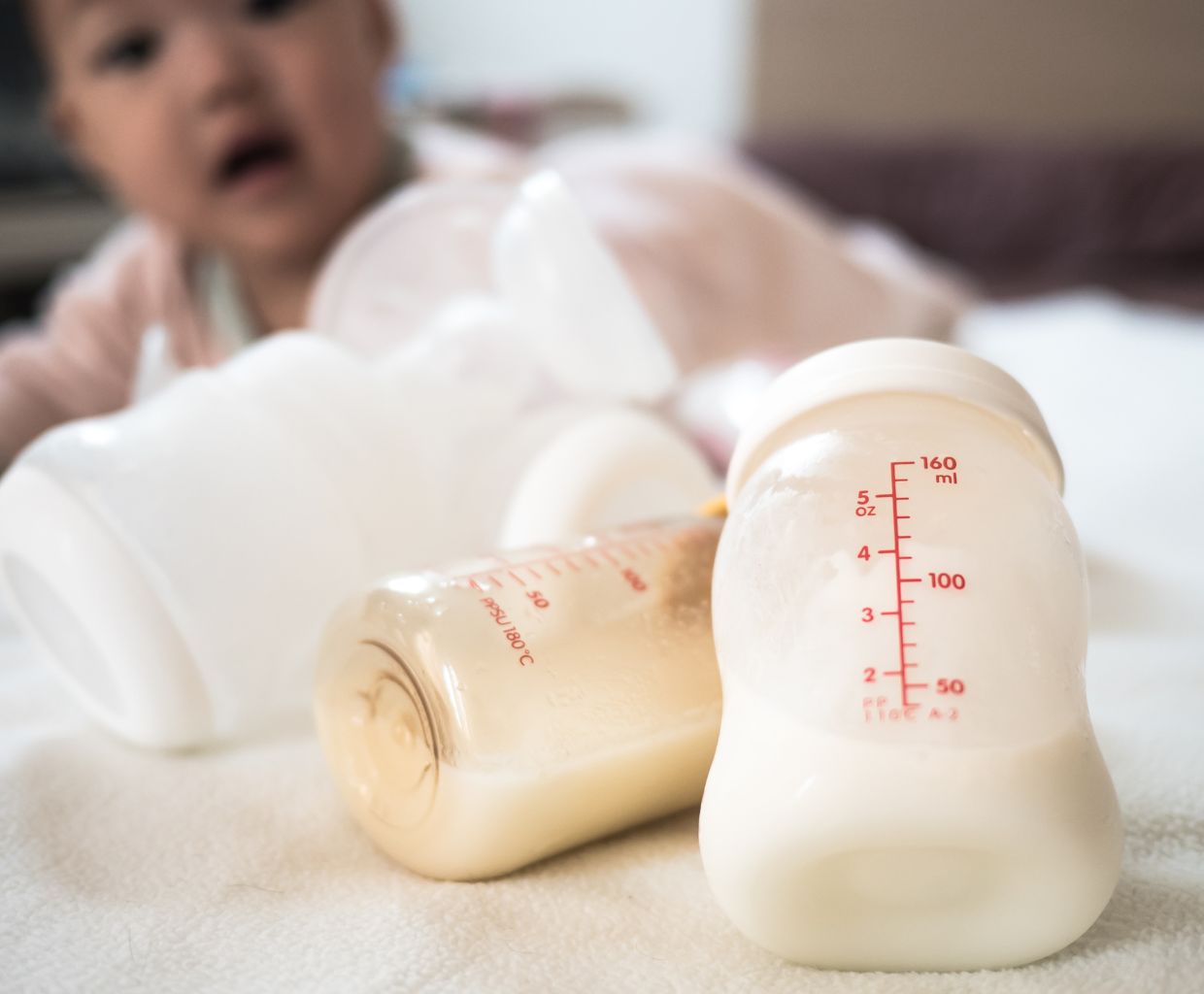
How Long Can Breast Milk Sit Out?
Fresh breast milk can sit out up to 4 hours, thawed milk 1–2 hours and leftovers 2 hours. Here's how each rule works.
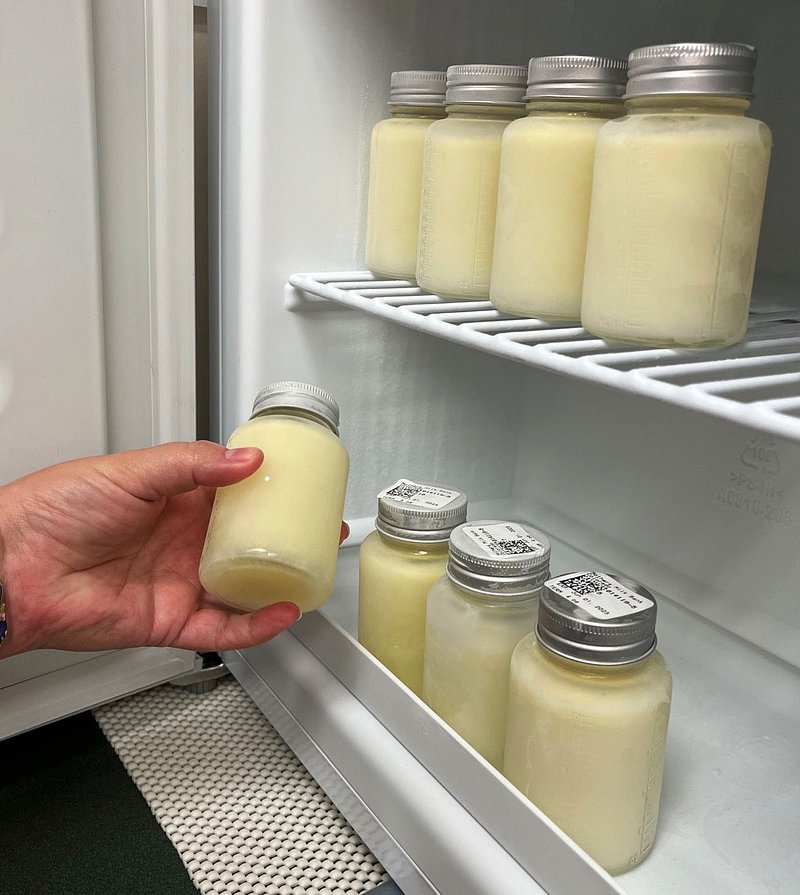
How Long Does Breast Milk Last in the Fridge?
Fresh breast milk keeps up to 4 days in the fridge and thawed milk up to 24 hours. Here's how to store it so it stays safe.
Breast Milk Storage Bags: How to Choose, Fill, Freeze and Label Them
What to look for in breast milk storage bags, plus how to fill, freeze flat, label and thaw them using the CDC's storage times.