How to Thaw Frozen Breast Milk (and Why Not to Refreeze It)
By Breastfeeding Mom Editorial TeamUpdated 5 min read
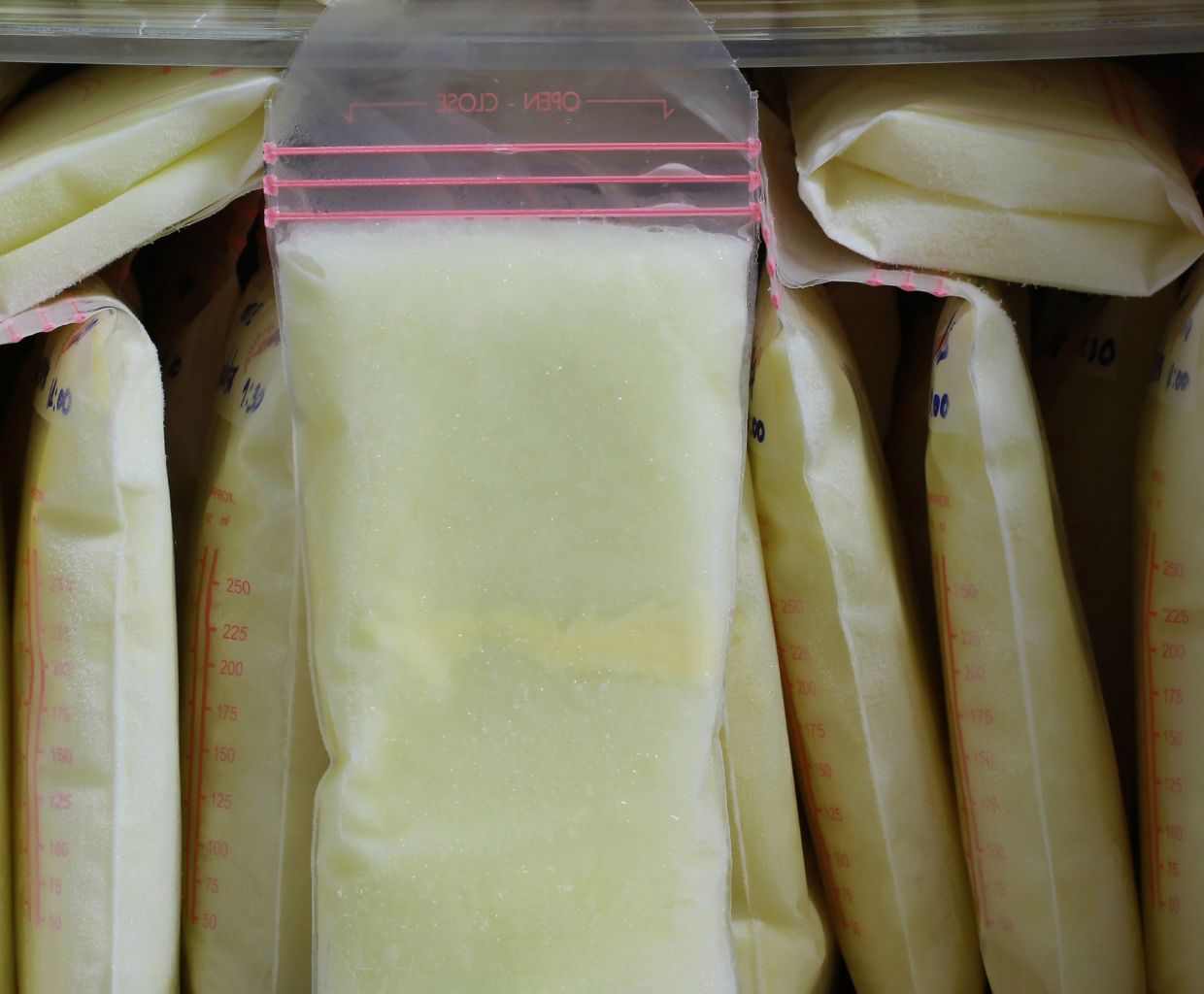
A freezer stash is a safety net, whether you’re heading back to work, planning a night out or just want backup. Thawing that milk the right way keeps it safe and avoids waste. The process is easy once you know the rules: thaw gently, use thawed milk within set times, and never put fully thawed milk back in the freezer.
This guide walks you through how to thaw frozen breast milk, how long it lasts afterward, and what to do in tricky situations like a power outage. It follows CDC guidance for healthy, full-term babies; if your baby is premature or in the hospital, check with the care team.
Before you thaw: oldest first
The CDC recommends thawing the oldest milk first. Frozen milk is best used within 6 months and is acceptable up to 12 months, so rotating your stash keeps anything from expiring. Check the date on the label before you pick a bag.
Also thaw only what you need. Milk frozen in small portions of about 2 to 4 ounces (60 to 120 ml) is easier to match to your baby’s appetite.
3 safe ways to thaw frozen breast milk
1. In the fridge overnight
Move the bag or bottle from the freezer to the fridge the night before you need it. This is the slowest method but the most hands-off, and it gives you the longest window afterward: up to 24 hours in the fridge, counted from when the milk is completely thawed.
Tip: put the bag in a clean bowl or container in case it leaks as it thaws.
2. In a bowl of lukewarm water
Place the sealed bag or bottle in a bowl of warm or lukewarm water. Swap the water for fresh warm water if it cools down. Flat-frozen bags thaw faster than thick blocks, which is one reason freezing bags flat is popular.
3. Under lukewarm running water
Hold the sealed container under lukewarm running tap water until it thaws. This is quick but uses more water, so it works best for small portions when you need milk soon.
In each case, keep the container sealed so water can’t get in, then swirl gently to mix the fat back in.
What not to do
- Don’t use the microwave. The CDC says never to thaw or heat breast milk in a microwave. Microwaves heat unevenly and can create hot spots that scald a baby’s mouth, and La Leche League notes they can damage some of the milk’s protective properties.
- Don’t use boiling water or the stove. Very hot water can overheat the milk. Warm or lukewarm is enough.
How long does thawed breast milk last?
| Where thawed milk is kept | How long it’s good for |
|---|---|
| Room temperature or warmed | 1–2 hours |
| Fridge | Up to 24 hours from when it is fully thawed |
| Freezer | Never refreeze milk that has fully thawed |
| Leftover after a feed | Use within 2 hours after your baby finishes, then discard |
These times come from the CDC’s storage guidance. For a quick use-by time, try our breast milk storage calculator, and see the full chart in our breast milk storage guide.
You may notice the AAP’s HealthyChildren.org says thawed milk is best used within 24 hours but may be used within 48 to 72 hours. We follow the CDC’s 24-hour limit here because it’s the more cautious of the two.
Can you refreeze thawed breast milk?
No, not once it has completely thawed. The CDC is clear: never refreeze breast milk after it has thawed. La Leche League notes that research on refreezing is limited, but refreezing may break down nutrients and increase bacterial growth.
There is one exception worth knowing. According to the CDC, frozen milk that has started to thaw but still contains ice crystals can be refrozen. That might happen if a bag slips out of the freezer briefly, or during a short power outage.
If your power goes out
- Milk that still has ice crystals can go back into the freezer once power returns.
- Milk that has completely thawed but still feels cold should go in the fridge and be used within the next day, or thrown away.
Warming thawed milk
Thawed milk can be fed cold, at room temperature or warmed. If your baby prefers it warm, set the sealed container in warm water for a few minutes and test a few drops on your wrist before feeding. Our guide on how to warm breast milk covers bottle warmers and reheating questions.
Why thawed milk may look or smell different
Thawed milk often separates into layers. That’s just fat rising to the top; swirl it to mix. Some people notice a soapy or metallic smell after freezing. La Leche League links this to the natural breakdown of milk fats over time and notes that properly stored milk is still safe. Most babies drink it without a problem.
If your baby consistently refuses thawed milk, talk with a lactation consultant before building a large stash. They can help you figure out what’s going on and whether anything in your storage routine should change.
Planning your stash
A little planning makes thawing smoother:
- Label each bag with the date, and the amount if it helps.
- Freeze in feed-sized portions.
- Store milk at the back of the freezer, not in the door.
- If you’re pumping to build a stash, a realistic pumping schedule helps you avoid pumping much more than you can use.
When to call a doctor or lactation consultant
Call your baby’s doctor if your baby has vomiting, diarrhea, a fever, or seems unwell after a feed, especially if you’re unsure how the milk was stored or thawed.
A lactation consultant (IBCLC) can help if your baby won’t take thawed milk, if you’re storing milk for a premature or sick baby, or if you’re unsure how much to keep in the freezer. Find help on our breastfeeding support page.
Frequently asked questions
How long does it take to thaw frozen breast milk?
It depends on the amount and the method. In the fridge, most bags thaw overnight. In lukewarm water, small, flat bags can thaw in a matter of minutes, while larger or thicker portions take longer.
Can I thaw breast milk on the counter?
The CDC recommends the fridge, lukewarm water or lukewarm running water. Thawing in the fridge is the most controlled option, and it gives you up to 24 hours to use the milk.
Can I feed thawed breast milk cold?
Yes. Breast milk doesn't need to be warmed. Many babies drink thawed milk straight from the fridge.
What if my thawed milk smells different?
Frozen and thawed milk can smell soapy or metallic as its fats break down. La Leche League notes that properly stored milk is still safe and most babies accept it.
Sources
- CDC: Breast Milk Storage and Preparationhttps://www.cdc.gov/breastfeeding/breast-milk-preparation-and-storage/handling-breastmilk.html
- CDC: Breast Milk Storage Questions and Answershttps://www.cdc.gov/breastfeeding/php/guidelines-recommendations/faqs.html
- CDC: Human Milk Storage Guidelines (printable chart, PDF)https://cdc.gov/breastfeeding/media/pdfs/preparation-of-breast-milk_H.pdf
- HealthyChildren.org (AAP): Storing and Preparing Expressed Breast Milkhttps://www.healthychildren.org/English/ages-stages/baby/breastfeeding/Pages/storing-and-preparing-expressed-breast-milk.aspx
- La Leche League International: Storing Human Milkhttps://llli.org/breastfeeding-info/storingmilk/
This guide is general information, not medical advice. For your own situation, talk to your doctor, midwife, pharmacist or an IBCLC lactation consultant. Read our medical disclaimer and find breastfeeding support near you.
Related articles
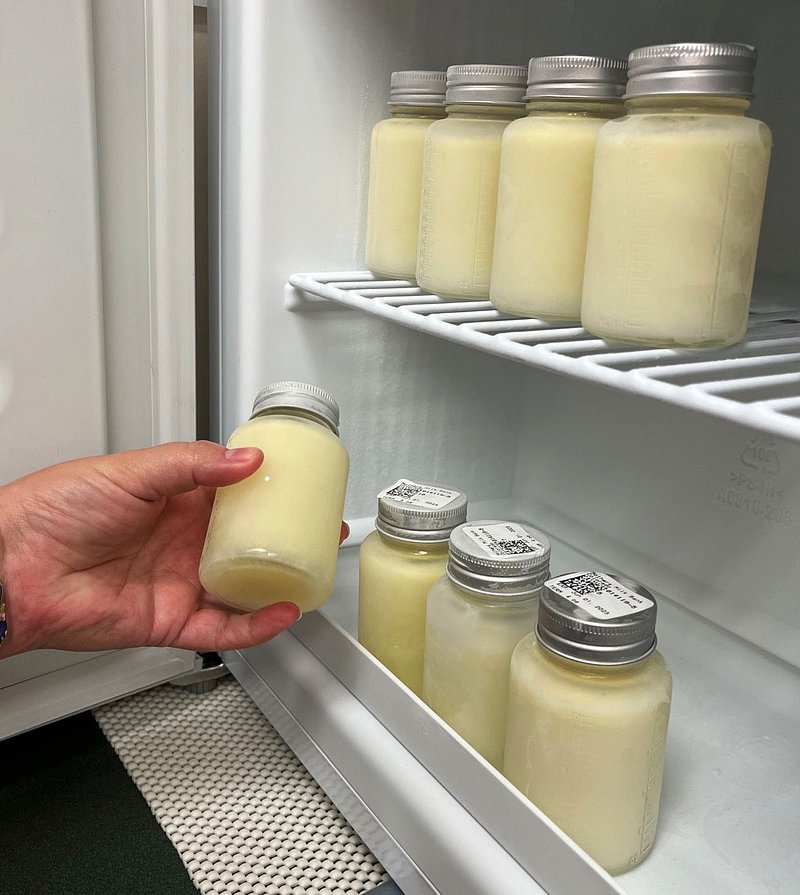
How Long Does Breast Milk Last in the Fridge?
Fresh breast milk keeps up to 4 days in the fridge and thawed milk up to 24 hours. Here's how to store it so it stays safe.
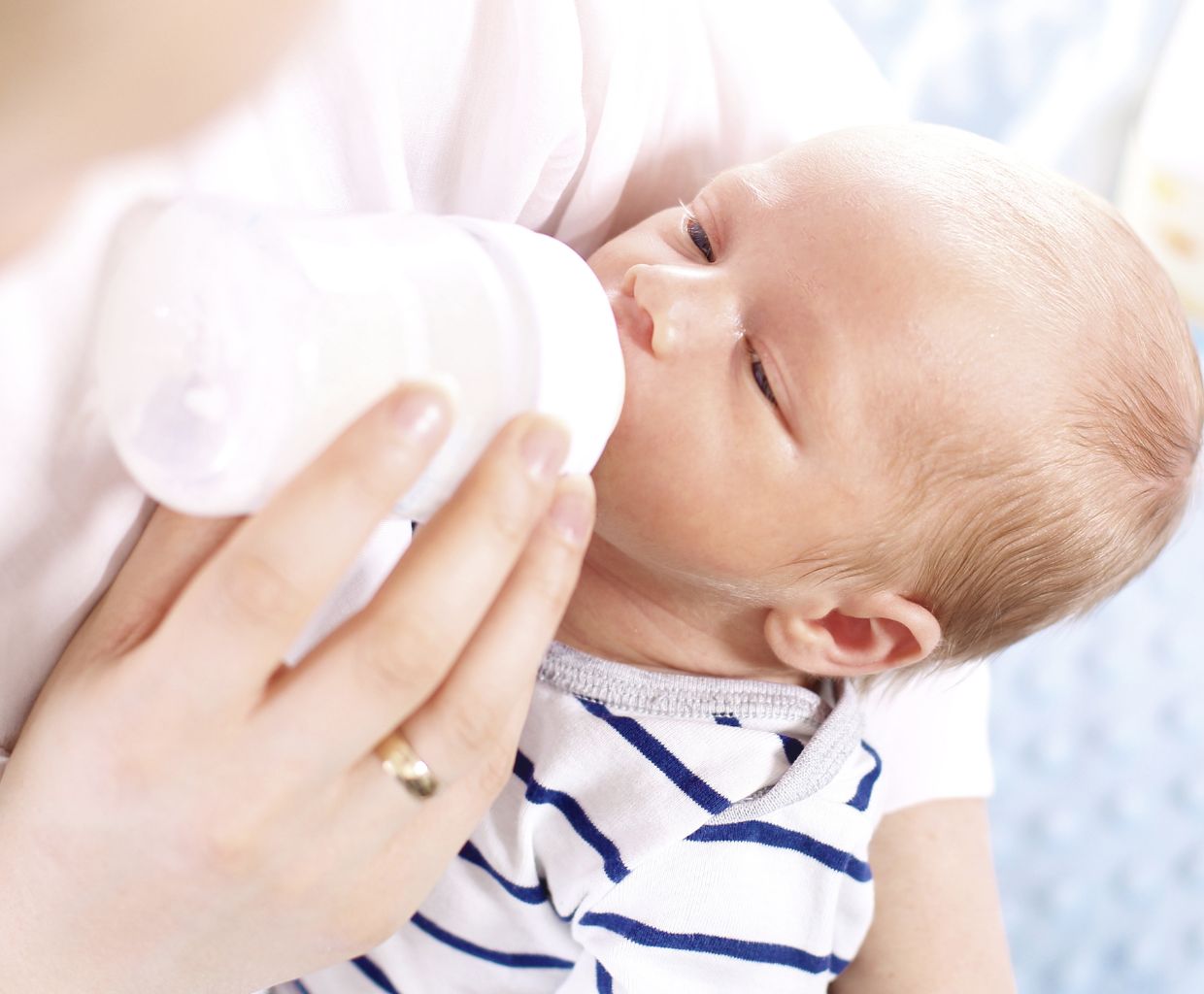
How to Warm Breast Milk Safely
Safe ways to warm breast milk with warm water or a bottle warmer, why to skip the microwave, and how long warmed milk is good for.
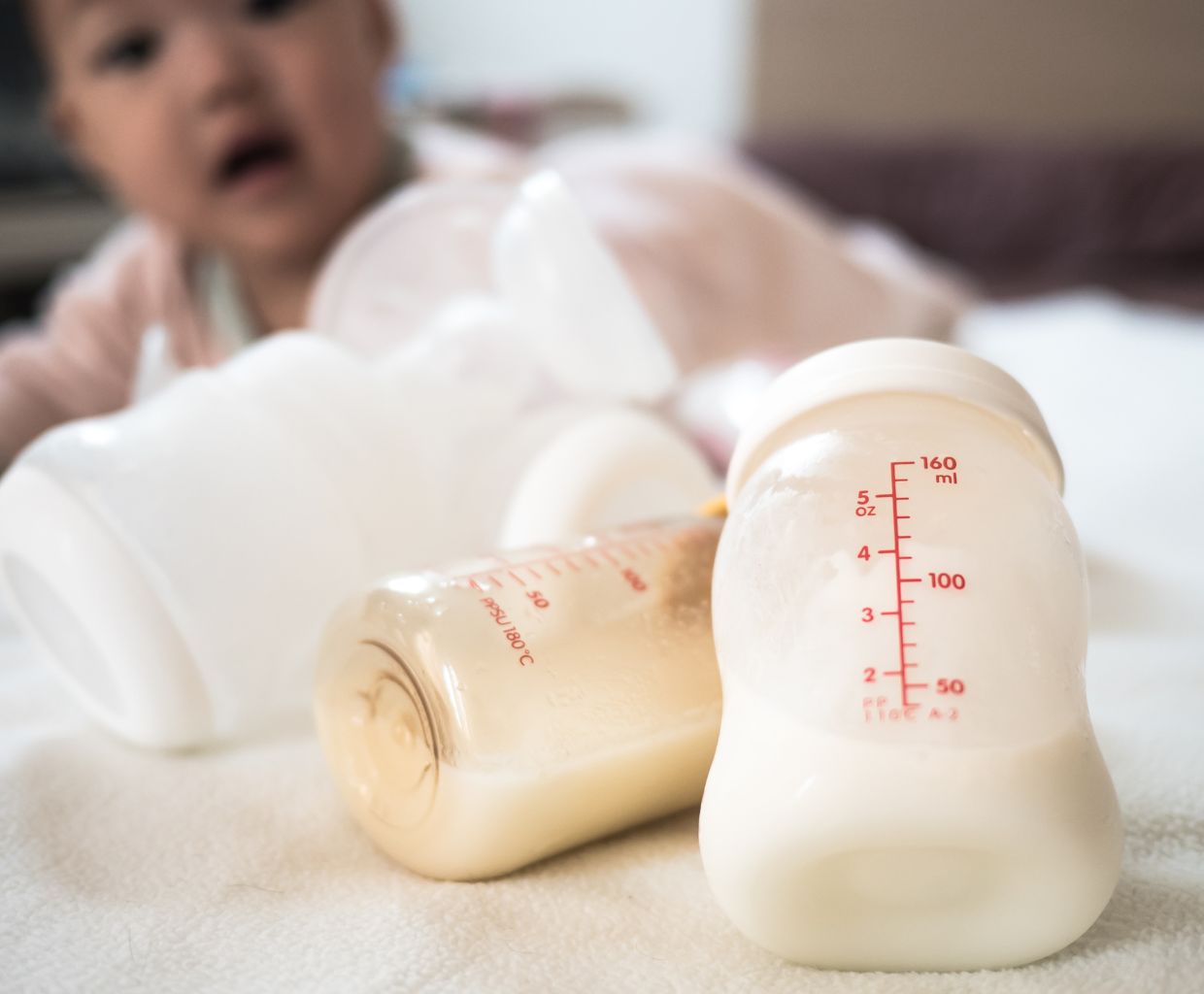
How Long Can Breast Milk Sit Out?
Fresh breast milk can sit out up to 4 hours, thawed milk 1–2 hours and leftovers 2 hours. Here's how each rule works.
How to Turn Breast Milk Into Powder at Home: What You Should Know First
Can you turn breast milk into powder at home? An honest look at the safety concerns, freeze-drying services and safer ways to store milk.