High Lipase Milk: Why Stored Milk Tastes Soapy and What to Do
By Breastfeeding Mom Editorial TeamUpdated 5 min read
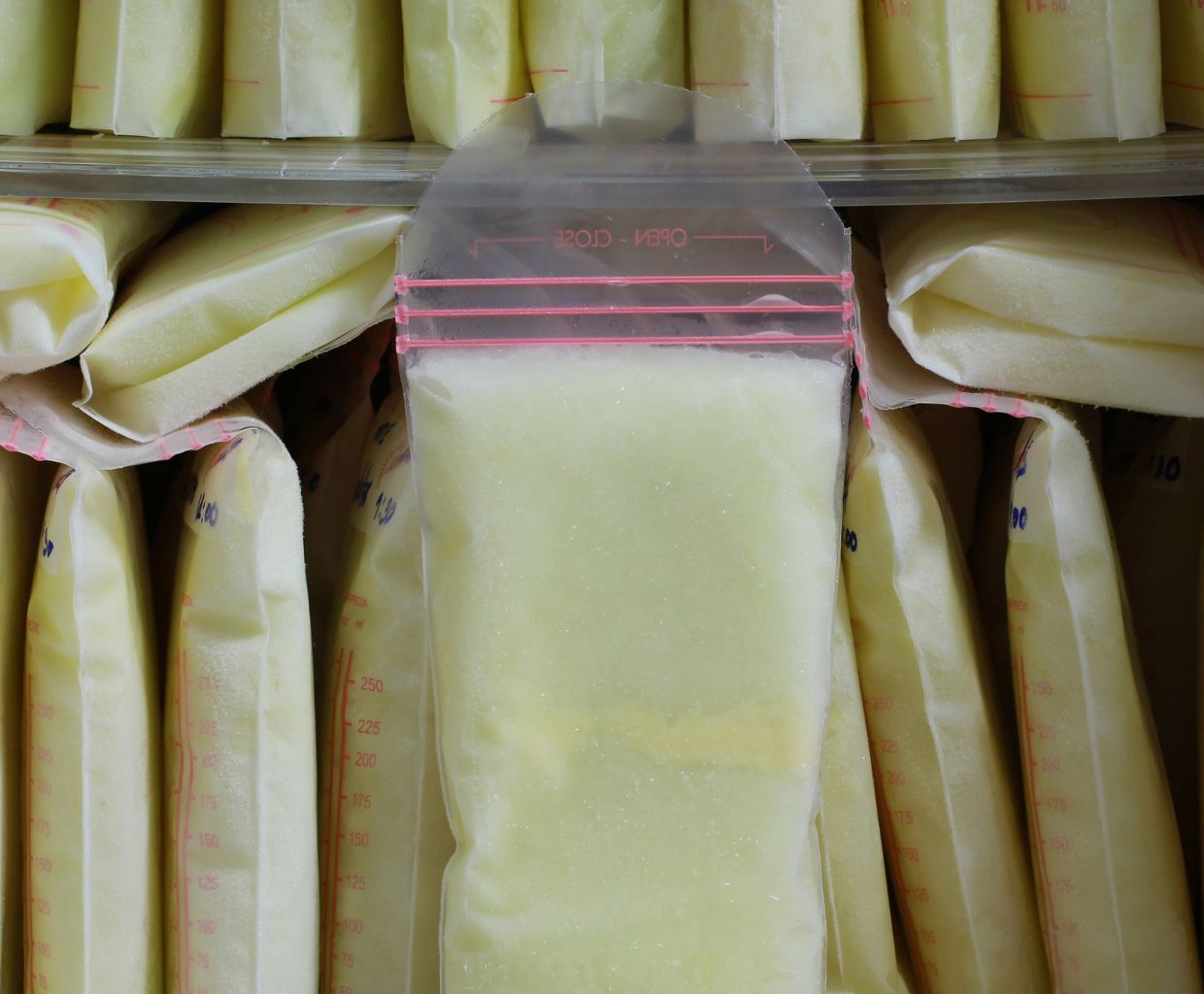
You’ve built up a freezer stash, you thaw a bag, and it smells… like soap. Or metal. Or something you can’t quite name. Then your baby takes one sip and pushes the bottle away. If that sounds familiar, you’ve probably heard the phrase “high lipase milk.”
The good news: this milk isn’t spoiled, and there’s a lot you can try. Here’s what’s going on and how to work out a plan for your stash.
What “high lipase milk” means
Lipase is an enzyme found naturally in all breast milk. Its job is useful: it breaks fat into smaller pieces so your baby can digest it.
The theory behind “high lipase milk” is that lipase keeps working after you express your milk, even in the fridge or freezer. As it breaks down fat, it releases fatty acids that can smell or taste soapy, metallic or even rancid. Parents who notice this quickly, sometimes within a day in the fridge, often say they have “high lipase.”
The science is less clear than the label suggests. La Leche League International points to research that questions whether lipase is really the cause:
- In a 2019 study, researchers tested frozen milk that babies had refused, from 16 mothers. None of the samples had high lipase levels, and the refused milk didn’t have more bacteria than milk the babies accepted.
- Exposure to air during pumping and storage can also oxidize fats in milk, which can change its smell.
So “high lipase milk” is best thought of as a handy name for stored milk that changes in smell or taste, rather than a diagnosis.
Is it safe?
Yes. La Leche League GB says this milk is completely safe and most babies will drink it. La Leche League International adds that there’s no evidence milk with these changes is unsafe, as long as it was stored following recommended guidelines.
Soapy is not the same as spoiled, though. Throw milk out if:
- It smells clearly sour, like spoiled cow’s milk
- It’s been stored longer than recommended (see below)
- Your baby drank from it and the leftovers have sat out past the usual limit
Storage times still apply
The CDC’s guidelines for freshly expressed milk:
| Where | How long |
|---|---|
| Room temperature, 77°F (25°C) or colder | Up to 4 hours |
| Refrigerator | Up to 4 days |
| Freezer | Best within about 6 months; up to 12 months is acceptable |
Our breast milk storage calculator works out a use-by time for your milk, and our guide to how long breast milk lasts in the fridge covers the details.
How to test your milk at home
Before you change your whole routine, find out when (and whether) your milk changes. A simple test:
- Express a fresh batch and split it into several small labeled containers.
- Put some in the fridge and some in the freezer.
- Smell and taste a fridge sample at intervals, for example after 12 hours, 1 day, 2 days and 3 days.
- Thaw a freezer sample after about 1 week, 2 weeks and a month, and check again.
- Offer your baby a little from the samples that changed, to see whether they actually mind.
This tells you how long your milk stays “fresh-tasting,” so you can plan around it. Some babies don’t care at all, and the problem turns out to be the bottle, the nipple flow or a new caregiver instead. La Leche League International suggests checking those possibilities too.
What you can do if your baby refuses it
Shorten storage time
Since smell and taste changes tend to grow the longer milk is stored, use your milk sooner. If refrigerated milk changes quickly, move it to the freezer sooner. If frozen milk changes, rotate your stash so you use the oldest milk first and keep freezing time short.
Mix it with fresh milk
Many babies accept changed milk when it’s mixed with freshly expressed milk. Start with a small amount of the stored milk and slowly increase the proportion over days.
Thaw and warm gently
Thaw milk in the fridge overnight or in a bowl of warm water, and warm it slowly rather than heating it fast. Never microwave breast milk. Our guides to thawing frozen breast milk and warming breast milk explain the safe methods.
Untested ideas
Some parents report fewer changes after lowering their pump’s suction and speed, and others add a drop of alcohol-free vanilla extract to stored milk. Neither has been studied, so treat them as experiments, and check with your baby’s doctor before adding anything to milk.
Scalding: what it is and the trade-offs
Scalding is the traditional fix for high lipase milk. The idea is to heat freshly expressed milk to deactivate lipase before you store it. La Leche League GB describes it as heating fresh milk to scalding, meaning bubbling around the edges but not boiling, then cooling it and freezing it quickly.
There are real downsides, and sources disagree on whether it’s a good idea:
- Scalding reduces some of milk’s immune factors. La Leche League GB says that cost may still be worth it for families who have no other option.
- La Leche League International now advises against scalding. It notes there are no clear guidelines on how to do it, that it removes an enzyme that helps babies digest fat, and that the Academy of Breastfeeding Medicine and other health organizations recommend against it because it may destroy immune factors.
- Scalding can’t rescue milk that already smells soapy. It has to be done before storage.
- If research is right that lipase isn’t always the cause, scalding may not help at all.
Because of this, try the other options first. If your baby refuses all of your stored milk and you’re considering scalding, talk it through with a lactation consultant (IBCLC) so you can weigh it against your situation, such as how much of your baby’s diet is pumped milk.
If you end up with a stash your baby won’t take, you may be able to donate it. Ask a nonprofit milk bank whether it can accept your milk; banks screen donors and pasteurize donated milk.
When to talk to a lactation consultant or doctor
Get help if:
- Your baby refuses most or all of your stored milk and you’re returning to work or relying on pumped milk
- You’re thinking about scalding your milk
- Your baby refuses the bottle even with fresh milk
- Your milk smells or looks unusual even when fresh, or you notice blood or an unexpected color (see our guide to breast milk color)
For everything else about keeping expressed milk safe, visit our breast milk storage hub.
Frequently asked questions
Is high lipase milk bad for my baby?
No. There's no evidence that milk with these smell or taste changes is unsafe, as long as it was stored according to guidelines. The only real problem is that some babies don't like it.
Can I fix milk that already smells soapy?
Not really. Once the change has happened, it can't be reversed. Scalding only works, if at all, on freshly expressed milk before it is stored. Already-soapy milk can be mixed with fresh milk if your baby accepts it.
Does high lipase milk mean something is wrong with me?
No. All breast milk contains lipase, and it helps your baby digest fat. Some people's stored milk changes faster or more noticeably than others', and there's nothing you did to cause it.
Does my diet cause soapy milk?
There's no good evidence that a particular food causes soapy-smelling stored milk. Your diet does change the flavor of fresh milk, but that's a different thing and most babies enjoy the variety.
Sources
- La Leche League International: Smell of Stored Human Milkhttps://llli.org/breastfeeding-info/smell-human-milk/
- La Leche League International: High Lipase Milk and Other Breastmilk Issueshttps://llli.org/breastfeeding-info/milk-issues/
- La Leche League GB: Expressing and Storing Your Milkhttps://laleche.org.uk/expressing-your-milk/
- La Leche League International: Storing Human Milkhttps://llli.org/breastfeeding-info/storingmilk/
- CDC: Breast Milk Storage and Preparationhttps://www.cdc.gov/breastfeeding/breast-milk-preparation-and-storage/handling-breastmilk.html
This guide is general information, not medical advice. For your own situation, talk to your doctor, midwife, pharmacist or an IBCLC lactation consultant. Read our medical disclaimer and find breastfeeding support near you.
Related articles
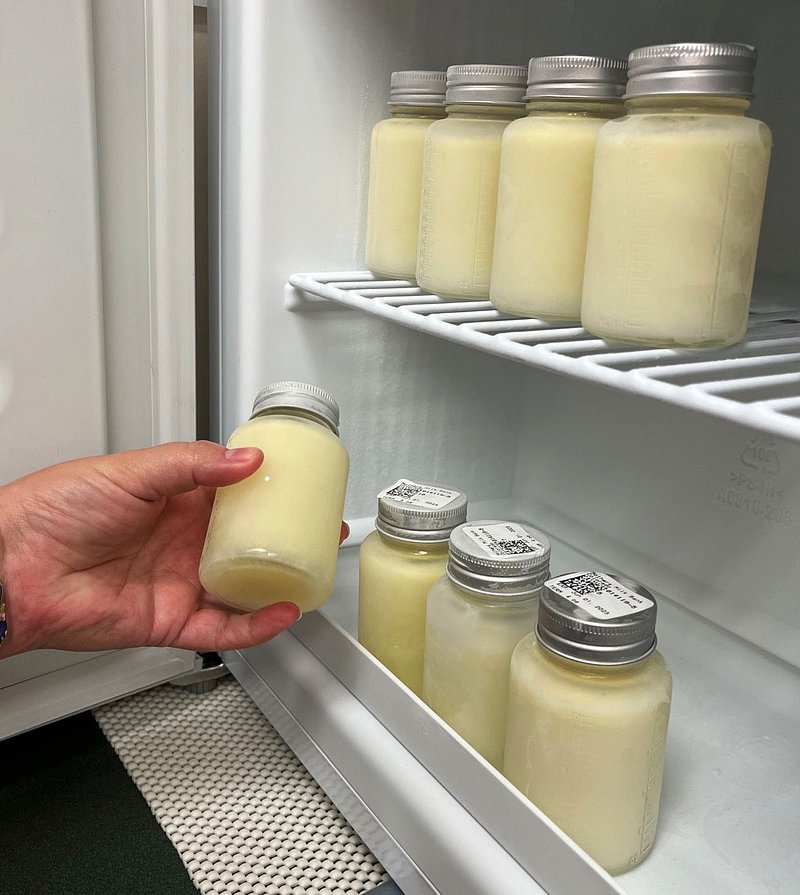
How Long Does Breast Milk Last in the Fridge?
Fresh breast milk keeps up to 4 days in the fridge and thawed milk up to 24 hours. Here's how to store it so it stays safe.
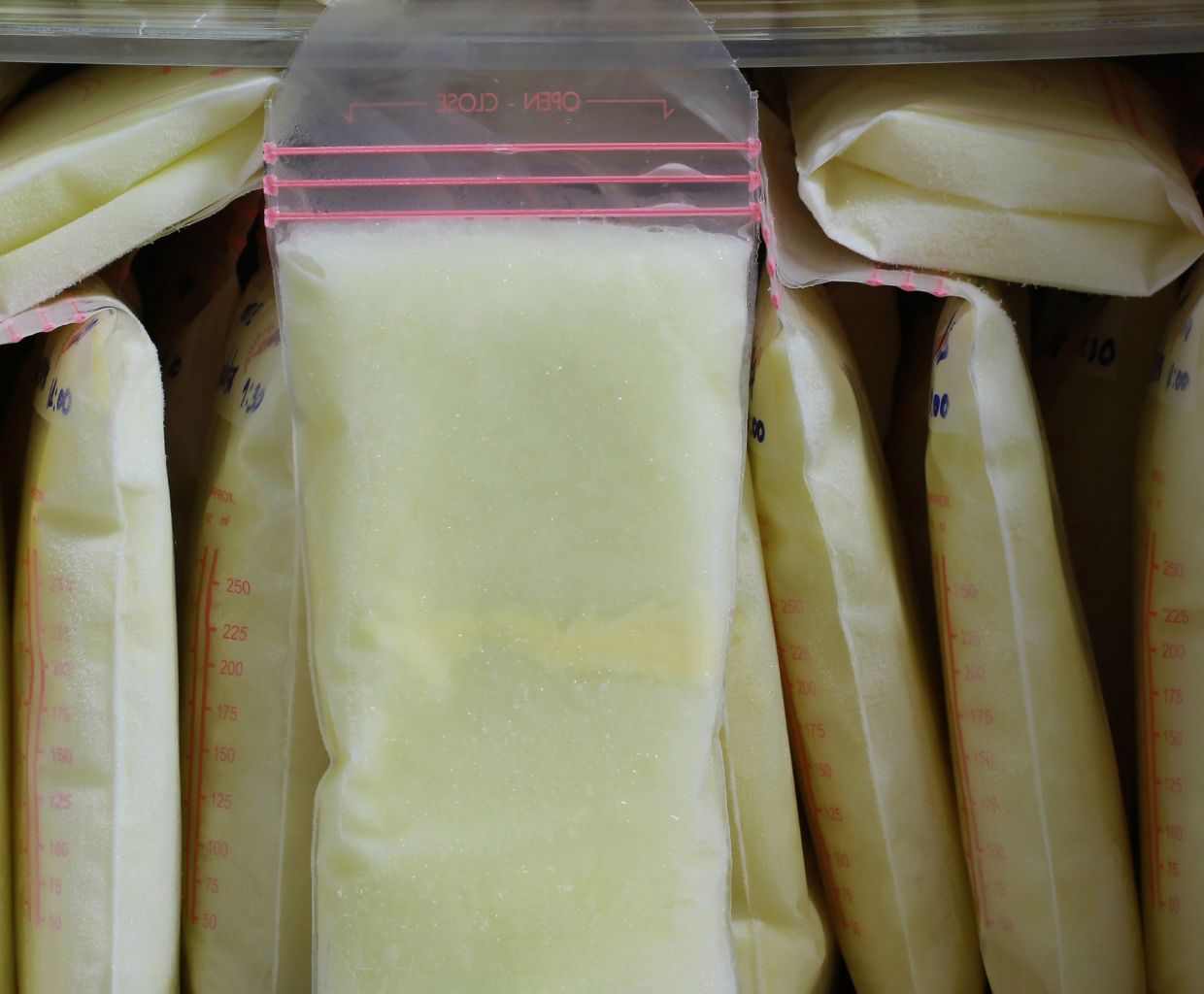
How to Thaw Frozen Breast Milk (and Why Not to Refreeze It)
The safest ways to thaw frozen breast milk, how long thawed milk lasts, and why you should never refreeze milk once it has thawed.
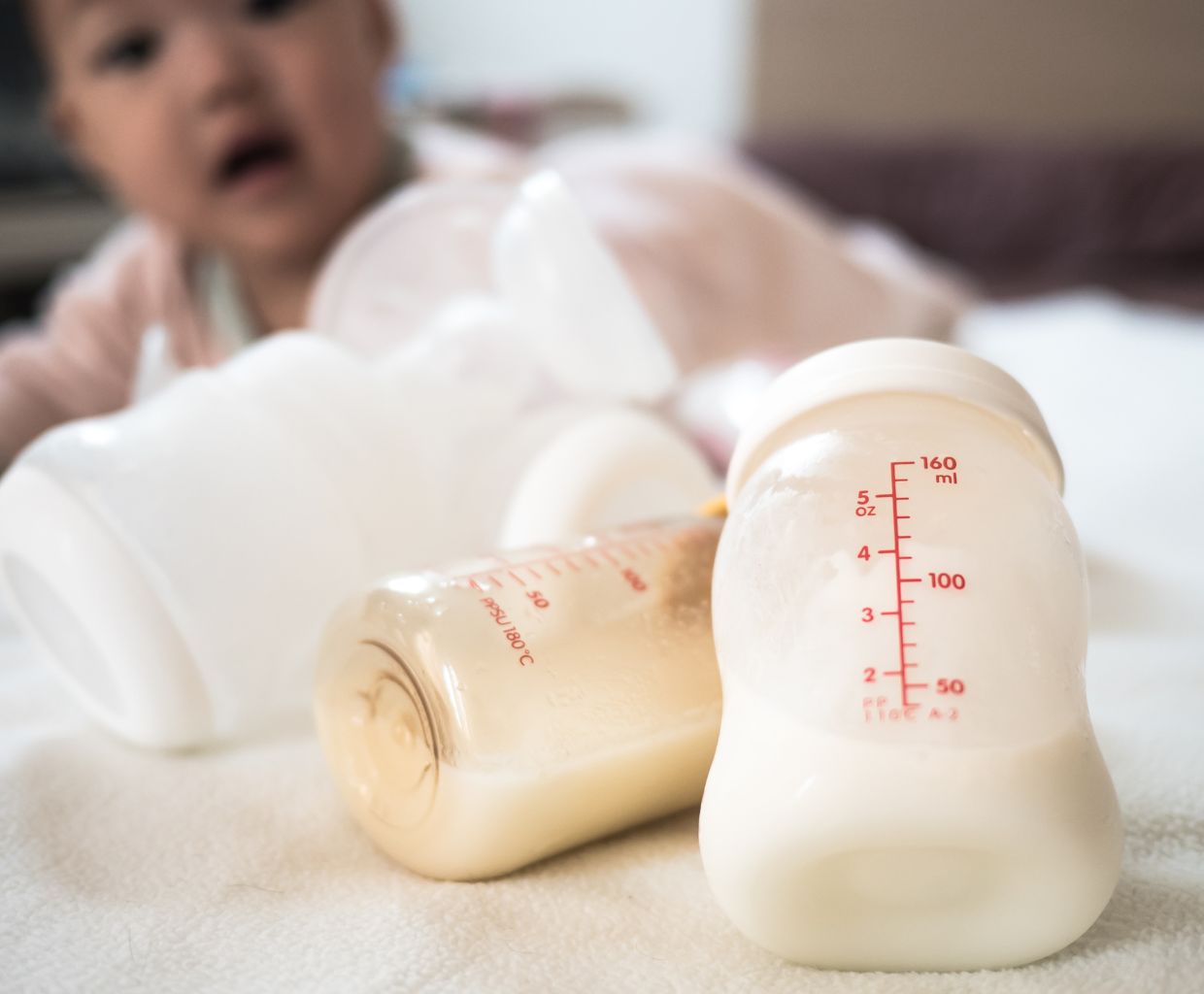
How Long Can Breast Milk Sit Out?
Fresh breast milk can sit out up to 4 hours, thawed milk 1–2 hours and leftovers 2 hours. Here's how each rule works.
Breast Milk Storage Bags: How to Choose, Fill, Freeze and Label Them
What to look for in breast milk storage bags, plus how to fill, freeze flat, label and thaw them using the CDC's storage times.