Breast Milk Color: What Yellow, Blue, Green and Pink Milk Mean
By Breastfeeding Mom Editorial TeamUpdated 5 min read

Most people expect breast milk to look like cow’s milk. Then they pump for the first time and see golden yellow, watery blue-white or, occasionally, a startling pink. Breast milk comes in more shades than you might think, and most of them are completely normal.
Here’s a color-by-color guide to what you might see, what usually causes it, and the few colors that mean it’s time to call your doctor.
Breast milk color at a glance
| Color | Common causes | Usually normal? |
|---|---|---|
| Deep yellow or orange | Colostrum; carotene-rich foods; frozen milk | Yes |
| White or cream | Mature milk, especially later in a feed | Yes |
| Clear or bluish | Thinner milk, often early in a feed | Yes |
| Green | Green foods, drinks, herbs or seaweed | Yes |
| Pink or pink-orange | Food dyes; a little blood; rarely bacteria | Check with your doctor |
| Red, brown or rusty | Blood from nipples or ducts; rusty pipe syndrome | Check with your doctor |
| Black | Rarely, the antibiotic minocycline | Talk to your prescriber |
Yellow and orange milk
Colostrum
Your first milk, colostrum, is often thick and deep yellow or orange, which Cleveland Clinic compares to the yolk of an egg. The color comes from carotenoids and vitamin A. It can also look clear, white or creamy, and all of these are normal. Colostrum lasts for roughly the first few days after birth, then gradually changes into transitional and mature milk over about two weeks. Our guide to when breast milk comes in explains these stages.
Later on
Mature milk can still look yellowish. La Leche League International notes that eating lots of yellow-orange vegetables like carrots, squash and yams can raise carotene levels in your milk, which is harmless to your baby. Frozen milk often looks more yellow too.
White, clear and bluish milk
Breast milk changes during a single feed and over the day. Milk at the start of a feed tends to be thinner and can look clear or slightly blue, while milk later in a feed is fattier and looks whiter or creamier. That’s normal, not a sign of “weak” milk.
Green milk
Green milk is almost always about what you ate or drank. La Leche League International links it to green sports drinks, seaweed, herbs and large amounts of green vegetables like spinach. It isn’t harmful and fades as the food or drink passes through.
Pink, red or brown milk
This is the color group that most often worries parents, and it has several possible causes.
Food dyes
Brightly colored sodas, fruit drinks and gelatin desserts have been linked to pink or pink-orange milk. If the color appears after one of these and you have no other symptoms, this may be the reason.
Blood from cracked or damaged nipples
The most common cause of pink or streaky red milk is a little blood from cracked or damaged nipples. Your baby may swallow some and spit up milk with brown or red flecks. Treating the cause, usually a latch problem, helps it heal. See our guide to sore and cracked nipples.
Rusty pipe syndrome
In late pregnancy and the first days after birth, some people see brown, rust-colored or blood-tinged colostrum. This is often called rusty pipe syndrome. La Leche League International explains that it comes from blood leaking into the milk ducts during pregnancy and the first days after birth, and it’s harmless. In case reports, the color fades gradually and usually clears within about a week to 10 days as milk flow increases, and breastfeeding can continue. If it lasts longer than that, your doctor may want to look for other causes.
Engorgement, mastitis and other causes
Cleveland Clinic lists other causes of pink milk: small blood vessels breaking when breasts are very engorged, bacterial mastitis, and benign growths in the milk ducts (intraductal papillomas). Breast cancer is a rare cause. Some uncommon medicines can also turn milk pink.
Serratia bacteria: bright pink milk and stains
Rarely, a bacterium called Serratia marcescens grows on the nipples or in poorly cleaned pump parts and makes a bright pink pigment. Signs can include pink milk that keeps coming back and pink stains on breast pads, bras, towels or your baby’s diapers. It can be harmful to young or premature babies, so it needs a doctor’s assessment and usually antibiotics. La Leche League International says breastfeeding can resume once cultures from both you and your baby are clear.
Can I keep breastfeeding if there’s blood in my milk?
Small amounts of blood from cracked nipples or rusty pipe syndrome aren’t considered harmful to your baby, and La Leche League International says you can usually keep breastfeeding. Cleveland Clinic’s advice is to call your provider any time your milk looks pink, and to pump and save the milk until they confirm it’s safe to feed. A quick call helps sort out which situation applies to you.
Black milk
Black milk is very rare. NIH LactMed notes that black discoloration of breast milk has been reported with the antibiotic minocycline. If you’re taking it and notice dark milk, talk to your prescriber or pharmacist. Our medicines and safety hub explains how to check whether a medicine is compatible with breastfeeding.
Stored milk that looks or smells different
Thawed milk often looks more yellow and separates into a cream layer and a thinner layer. Both are normal. If thawed milk smells soapy or metallic, see our guide to high lipase milk.
When to call a doctor or lactation consultant
Call your doctor if:
- Your milk looks pink, red or brown and it isn’t clearly from a food or drink
- Blood in your milk lasts more than a few days
- The pink or bloody milk comes from one breast only, or you feel a lump
- You see bright pink milk or pink stains on pads, bras or diapers
- A breast is red, hot and painful, or you have a fever
- You notice dark or black milk while taking a medicine
Call your baby’s doctor if you see blood in your baby’s spit-up or stool. And see a lactation consultant (IBCLC) for cracked or bleeding nipples, so you can fix the latch and heal. For more on handling and storing your milk, visit our breast milk storage hub.
Frequently asked questions
Why does my pumped milk separate into layers?
Stored breast milk naturally separates into a cream layer on top and thinner milk below. It's normal. Gently swirl the container to mix it before feeding.
Can one breast make a different color milk than the other?
It can look slightly different, for example if one side was emptied more recently. But pink, red or brown milk from only one breast should be checked by your doctor, since that pattern is more concerning than color changes in both.
Can my baby's poop change color because of my milk?
Sometimes. Swallowed blood can show up as dark flecks in your baby's spit-up or stool, and some food dyes can pass through. Let your baby's doctor know if you see blood in spit-up or stool so they can confirm where it came from.
Does the color of my milk show how nutritious it is?
No. Thin, bluish milk and thick, yellow milk are both normal and nourishing. Color changes with fat content, timing and diet, not with quality.
Sources
- La Leche League International: Color of Milkhttps://llli.org/breastfeeding-info/color-of-milk/
- Cleveland Clinic: Colostrumhttps://my.clevelandclinic.org/health/body/22434-colostrum
- Cleveland Clinic: Pink Breast Milk Causeshttps://my.clevelandclinic.org/health/symptoms/pink-breast-milk
- Rusty pipe syndrome: a case report and review of the literature (PMC)https://pmc.ncbi.nlm.nih.gov/articles/PMC9558395/
- Pink Breast Milk: Serratia marcescens Colonization (PMC)https://pmc.ncbi.nlm.nih.gov/articles/PMC4239145/
- NIH LactMed: Minocyclinehttps://www.ncbi.nlm.nih.gov/books/NBK501031/
This guide is general information, not medical advice. For your own situation, talk to your doctor, midwife, pharmacist or an IBCLC lactation consultant. Read our medical disclaimer and find breastfeeding support near you.
Related articles
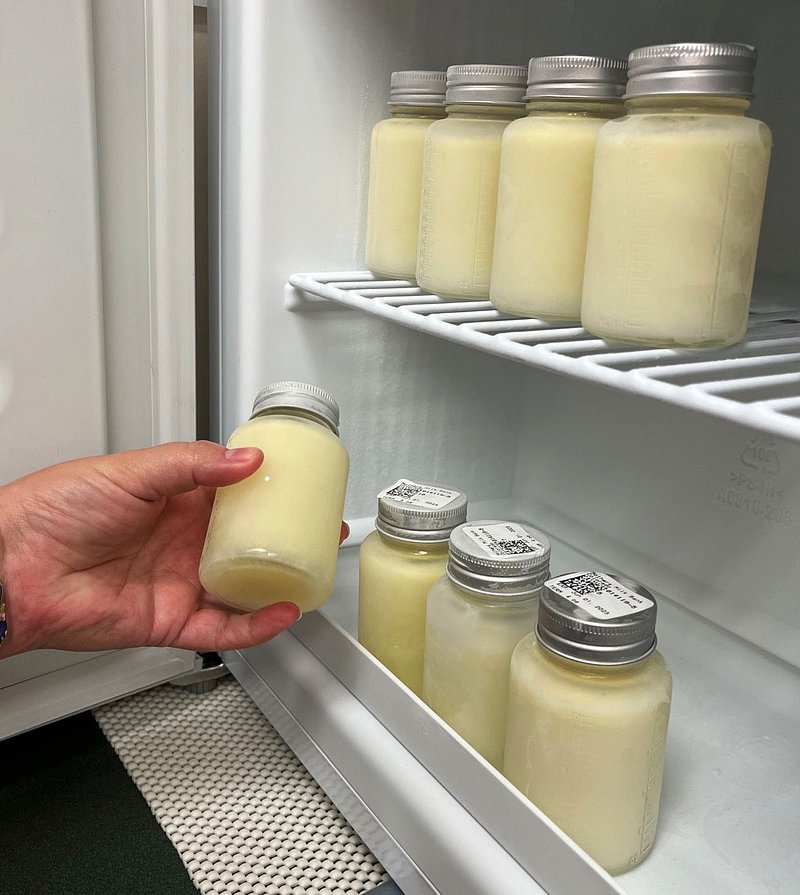
How Long Does Breast Milk Last in the Fridge?
Fresh breast milk keeps up to 4 days in the fridge and thawed milk up to 24 hours. Here's how to store it so it stays safe.
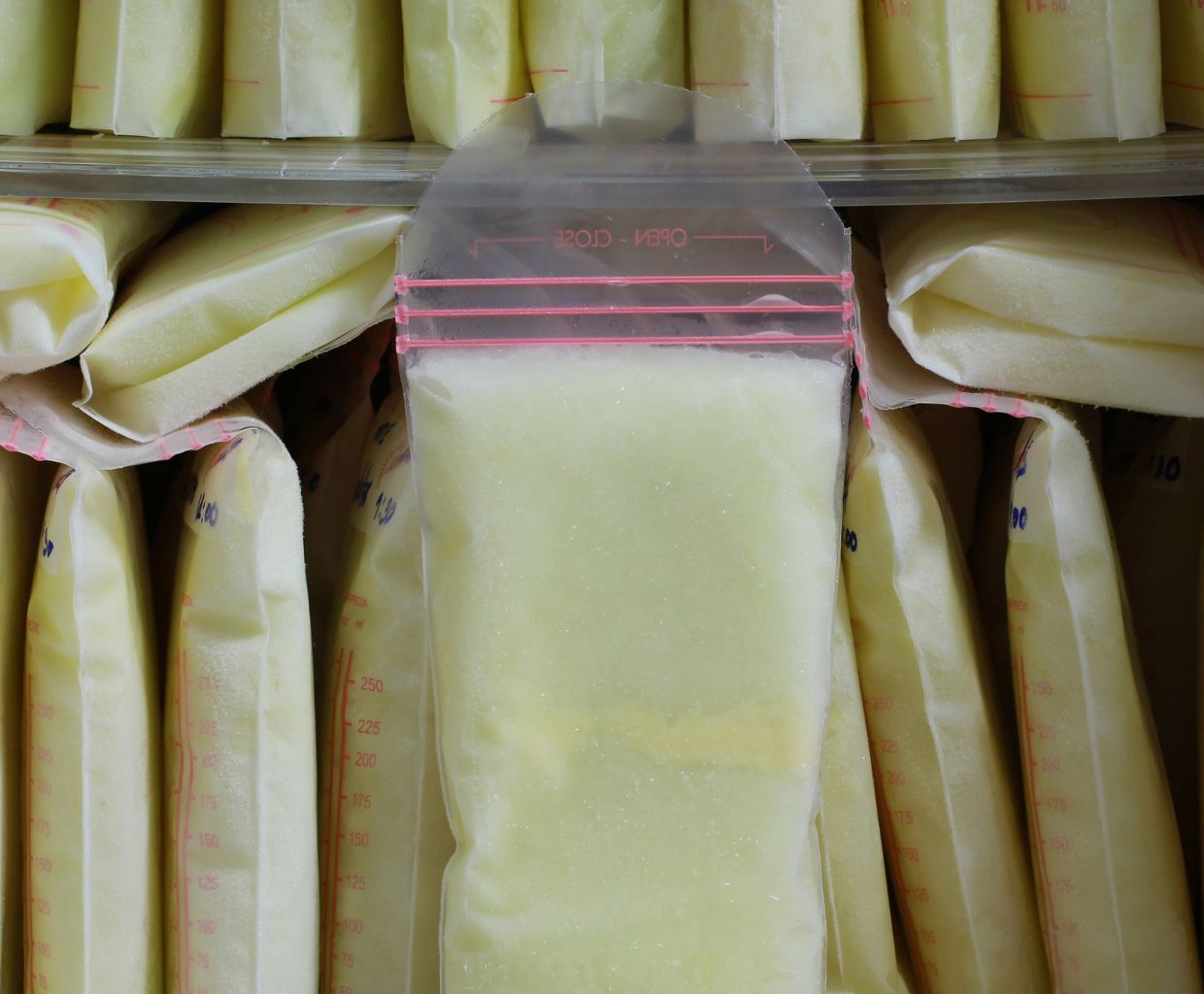
High Lipase Milk: Why Stored Milk Tastes Soapy and What to Do
Why stored breast milk can smell soapy or metallic, why it's still safe, how to test your milk at home, and the pros and cons of scalding.
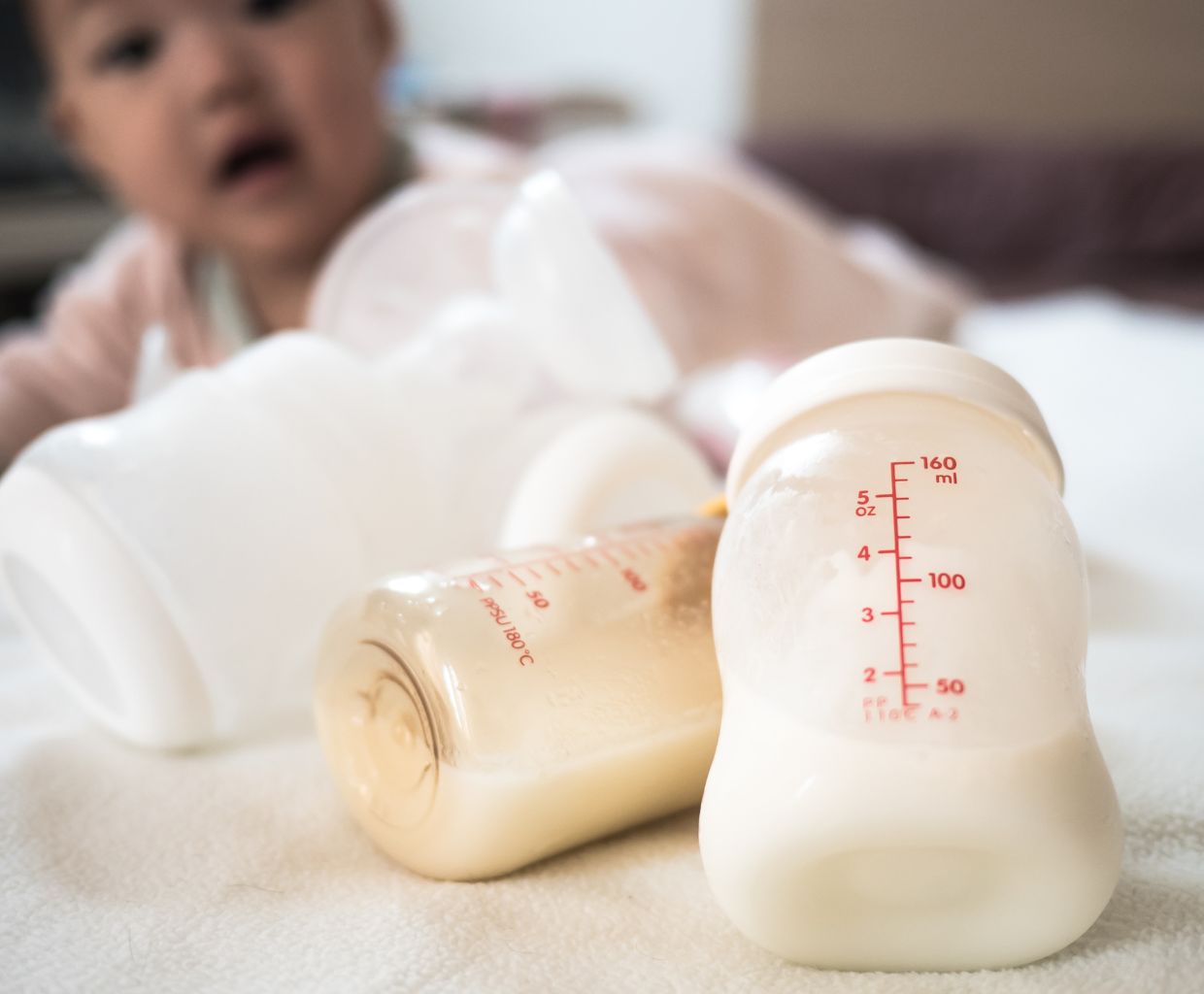
How Long Can Breast Milk Sit Out?
Fresh breast milk can sit out up to 4 hours, thawed milk 1–2 hours and leftovers 2 hours. Here's how each rule works.
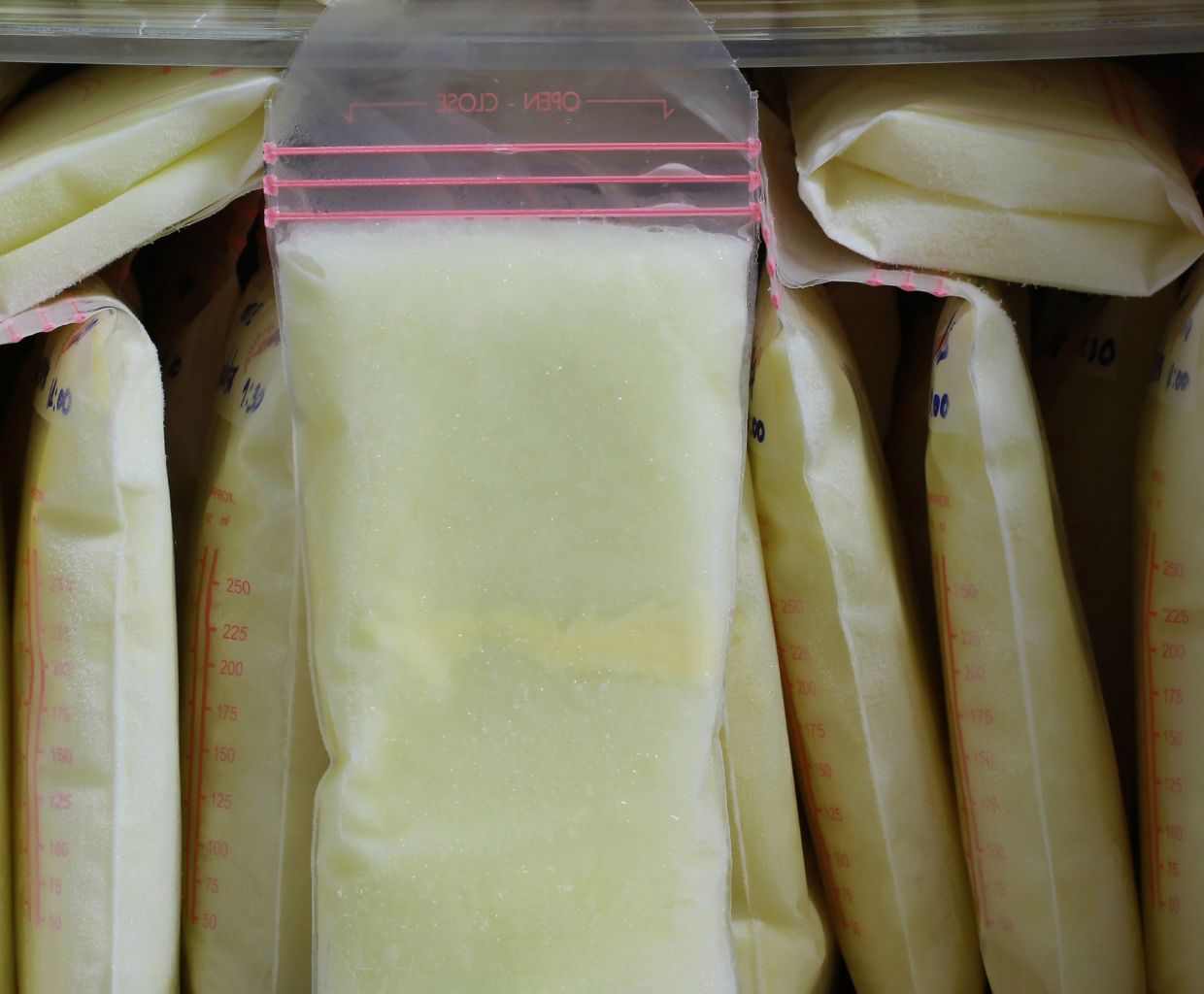
How to Thaw Frozen Breast Milk (and Why Not to Refreeze It)
The safest ways to thaw frozen breast milk, how long thawed milk lasts, and why you should never refreeze milk once it has thawed.