Topic guide
Breastfeeding for Beginners: How It Works and What to Expect
How milk is made, what the first days look like, how to get a good latch and how to tell your baby is getting enough.
7 guides · Updated October 12, 2026

Breastfeeding is natural, but it is also a skill you and your baby learn together. Much of the early worry comes from not knowing what normal looks like, so here are the basics.
How breastfeeding works
Milk production runs on supply and demand. Each time your baby removes milk, your body gets the signal to make more. As the NHS puts it, the more you breastfeed, the more milk you make. That is why frequent feeding in the early weeks matters so much, and why skipping feeds can slowly reduce supply. Our guide on how often to breastfeed a newborn explains what frequent looks like in practice.
The second part is the let-down (milk ejection reflex). When your baby sucks, your body releases the hormone oxytocin, which squeezes milk out of the milk-making sacs and toward the nipple. Some people feel a tingle or a brief ache. Others feel nothing. You might notice your baby switching from quick sucks to slower, deeper swallows, or milk leaking from the other breast. Stress and pain can slow the let-down, so getting comfortable before you start really does help.
The first days and weeks
For the first few days your breasts make colostrum, a thick, concentrated first milk. Your baby needs only small amounts, about a teaspoon per feed at first. Around 2 to 4 days after birth your breasts usually feel fuller as milk volume increases. Over the next couple of weeks the milk changes from colostrum to mature milk. Curious what’s in it? Read what breast milk is made of.
Expect frequent feeds, every 1 to 3 hours at first, including at night. Skin-to-skin contact helps keep your baby warm and calm and makes it easier for them to find the breast.
Signs of a good latch
A deep latch is the single biggest factor in comfortable feeding. Look for:
- A wide-open mouth, with the chin touching the breast first
- Lips flared outward, and more of the darker skin around your nipple showing above the top lip than below
- Rounded cheeks, not sucked in
- Rhythmic sucking with pauses and swallowing you can hear
- Feeding that feels comfortable after the first few sucks
Our step-by-step guide on how to breastfeed covers latching, breaking the latch and fixing common mistakes.
Feeding cues
Try to feed when you see early hunger cues, before your baby is upset:
- Hands to the mouth
- Turning the head toward your breast
- Puckering, smacking or licking the lips
- Clenched hands
Crying is a late sign of hunger. A crying baby often needs calming before they can latch well. When your baby is full, they close their mouth, turn away and relax their hands.
Is my baby getting enough?
You can’t see ounces at the breast, so look at what comes out and at weight. The AAP gives these guideposts:
| Baby’s age | Wet diapers | Dirty diapers |
|---|---|---|
| Days 1–2 | A few, rising as milk increases | 1–2 black, tarry stools (meconium) per day |
| Days 3–4 | Rising each day | At least 2, turning greenish to yellow |
| Days 5–7 | 6 or more, pale or almost clear urine | Yellow, loose stools with small curds, usually several a day |
Most babies lose some weight after birth. The AAP says a loss of no more than 8% to 10% in the first few days is expected before they start gaining again. Your baby should have a checkup within 48 hours of leaving the hospital so their weight can be checked. Babies also seem content and drowsy after a good feed.
If you’d like a rough idea of how much milk babies drink by age and weight, see our breast milk feeding chart. Not sure whether a diaper looks right? Our baby poop color chart explains every color and when to call the pediatrician.
Common positions in brief
- Cradle hold: baby’s head in the bend of your elbow on the feeding side
- Cross-cradle hold: opposite arm supports the baby for more control
- Football (clutch) hold: baby tucked along your side, handy after a C-section
- Side-lying: both of you lying down, facing each other
- Laid-back: you recline, baby lies tummy-down on you
Breast milk, formula or both
Breast milk offers real benefits for babies and parents, which we explain honestly in the benefits of breastfeeding. Many families also use formula or combine the two. Our balanced look at breastfeeding vs formula can help you decide what works for your family. Fed is the goal.
If you enjoy the bigger picture, read about the history of breastfeeding and the role of the wet nurse through the centuries.
When to get help
Call your baby’s doctor or a lactation consultant if your baby has fewer wet or dirty diapers than expected, is very sleepy and hard to wake for feeds, still has dark stools after day 4, or hasn’t started regaining weight. Get help, too, if feeding hurts throughout the feed, your nipples are cracked or bleeding, or you feel unsure. Our breastfeeding support page lists where to find an IBCLC, La Leche League, WIC and helplines.
All breastfeeding basics guides
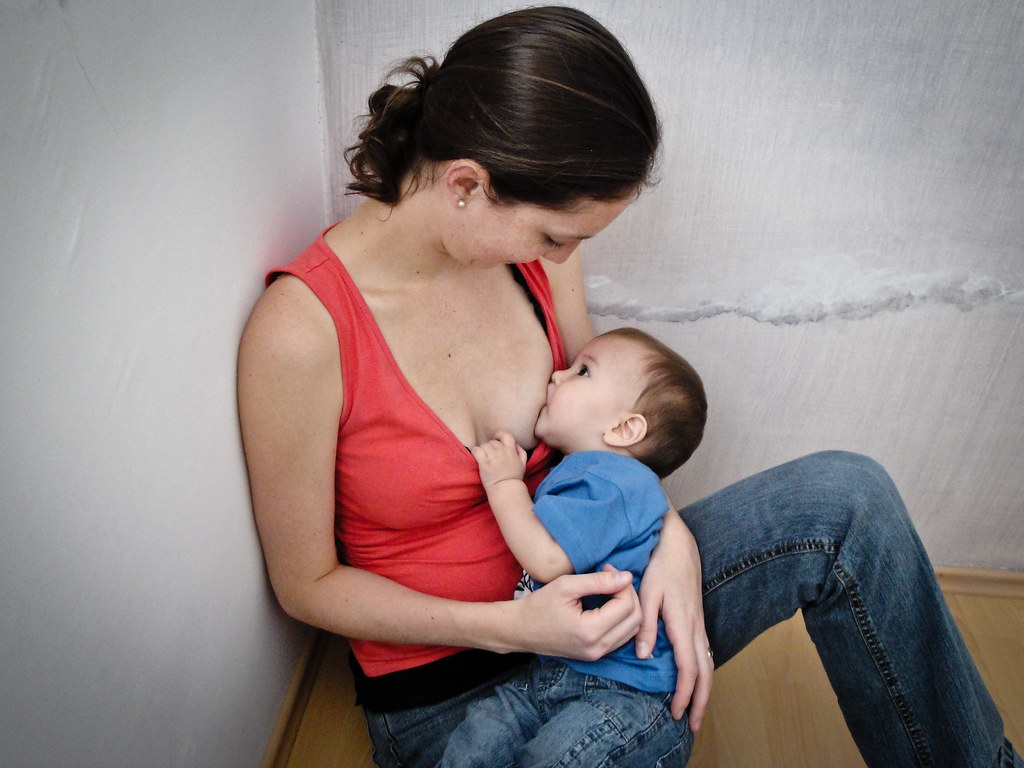
Benefits of Breastfeeding for Baby and for You: What the Evidence Says
The real benefits of breastfeeding for babies and parents, what the research can and can't prove, and why any amount of breast milk counts.
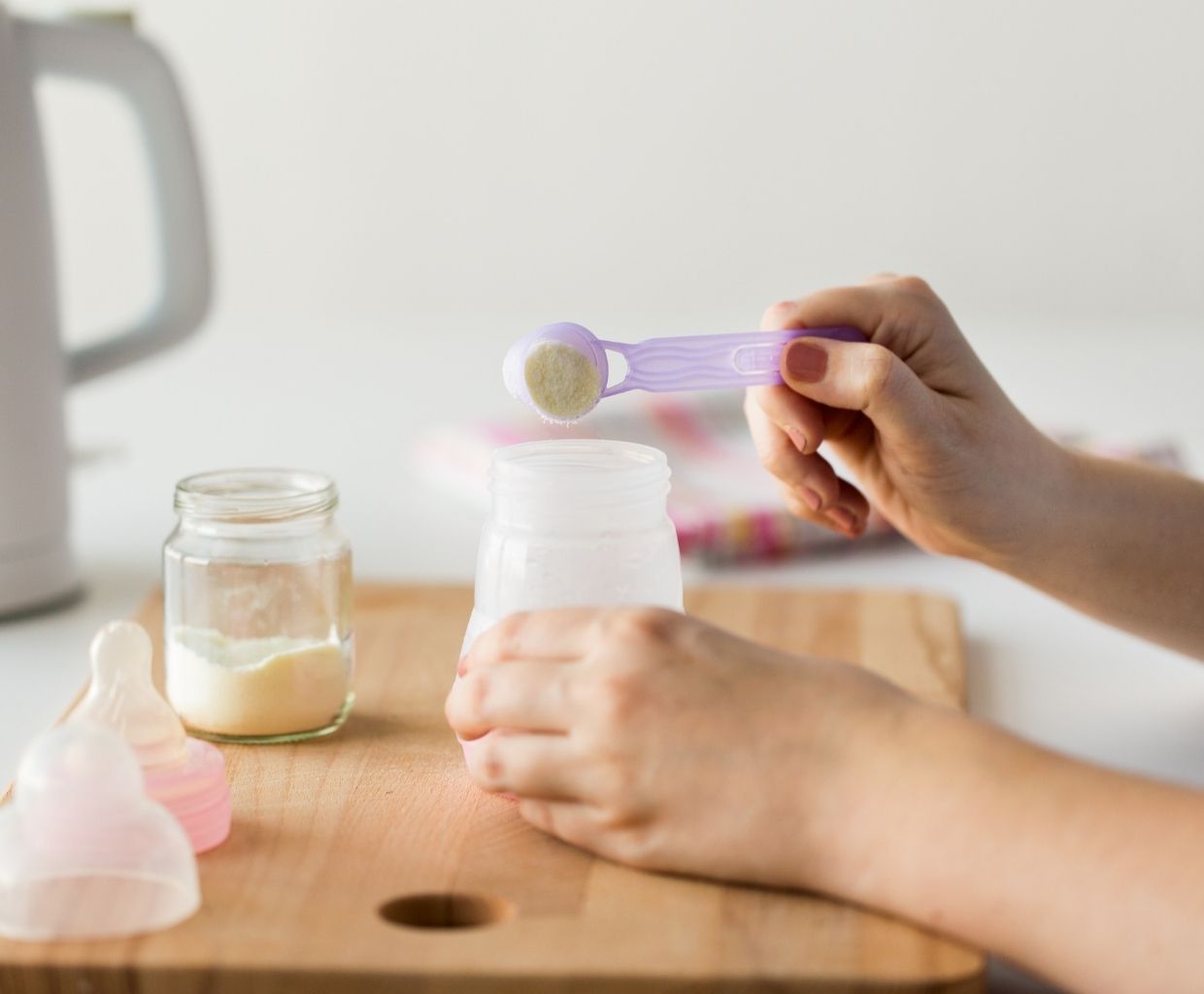
Breastfeeding vs Formula: An Honest, Judgment-Free Comparison
Breastfeeding vs formula side by side: nutrition, immunity, cost, convenience and who can feed, plus combination feeding and safe formula prep.

History of Breastfeeding: From Ancient Feeding Vessels to Today
The history of breastfeeding, from ancient clay feeding vessels and wet nurses to the rise of formula, the Nestlé boycott and the WHO Code.

How Often to Breastfeed a Newborn (and How That Changes by Age)
Most newborns breastfeed 8 to 12 times a day. Here's what's normal by age, plus cluster feeding, growth spurts and when to wake a sleepy baby.

How to Breastfeed: Step-by-Step Latch and the Best Positions
A step-by-step guide to getting a deep, comfortable latch, five breastfeeding positions to try, and the beginner mistakes that are easy to fix.

What Is Breast Milk Made Of? Nutrients, Stages and Immune Factors
What breast milk is made of: lactose, fat and protein per 100 ml, how colostrum differs from mature milk, foremilk and hindmilk, and its immune factors.

Wet Nurse: What It Means, Its History and Modern Alternatives
What a wet nurse is, how wet nursing worked through history, why it declined, and how milk banks, milk sharing and cross-nursing compare today.
Frequently asked questions
Is it normal for breastfeeding to feel hard at first?
Yes. You and your baby are both learning, and the first two weeks are often the most demanding. Ongoing pain is not normal, though, so ask a lactation consultant to watch a feed if it hurts.
Do I need to prepare my nipples before the baby arrives?
No. There is no need to toughen or prepare your nipples. A good latch is what protects them.
Should I switch breasts during a feed?
Let your baby finish the first breast until they slow down or come off on their own, then offer the second. Some babies take both sides, some take one. Start the next feed on the side you ended with or the one that feels fuller.
Can I breastfeed if I had a C-section?
Yes. You may need help with positioning at first. The football hold, side-lying and laid-back positions keep weight off your incision.
Sources
- CDC: How Much and How Often to Breastfeedhttps://www.cdc.gov/infant-toddler-nutrition/breastfeeding/how-much-and-how-often.html
- HealthyChildren.org (AAP): How to Tell if Baby is Getting Enough Milkhttps://www.healthychildren.org/English/ages-stages/baby/breastfeeding/Pages/How-to-Tell-If-Baby-Is-Getting-Enough-Milk.aspx
- NHS: Breastfeeding in the first few dayshttps://www.nhs.uk/baby/breastfeeding-and-bottle-feeding/breastfeeding/the-first-few-days/
- NHS: Breastfeeding positioning and attachmenthttps://www.nhs.uk/baby/breastfeeding-and-bottle-feeding/breastfeeding/positioning-and-attachment/
- Cleveland Clinic: How to Help Your Let-Down Reflexhttps://health.clevelandclinic.org/breastfeeding-let-down
- CDC: Signs Your Child Is Hungry or Fullhttps://www.cdc.gov/infant-toddler-nutrition/mealtime/signs-your-child-is-hungry-or-full.html
This guide is general information, not medical advice. For your own situation, talk to your doctor, midwife, pharmacist or an IBCLC lactation consultant. Read our medical disclaimer and find breastfeeding support near you.
Related articles

When Does Breast Milk Come In? Colostrum to Mature Milk
Colostrum starts in pregnancy and milk usually comes in 2 to 5 days after birth. Learn the signs, what can delay it and what to do meanwhile.

Breast Milk Supply: How It Works and How to Know It's Enough
How breast milk supply builds, the signs your baby is getting enough, real vs perceived low supply, and what can affect it.