Selling Breast Milk: Safety Risks, the Law and Safer Ways to Share
By Breastfeeding Mom Editorial TeamUpdated 5 min read
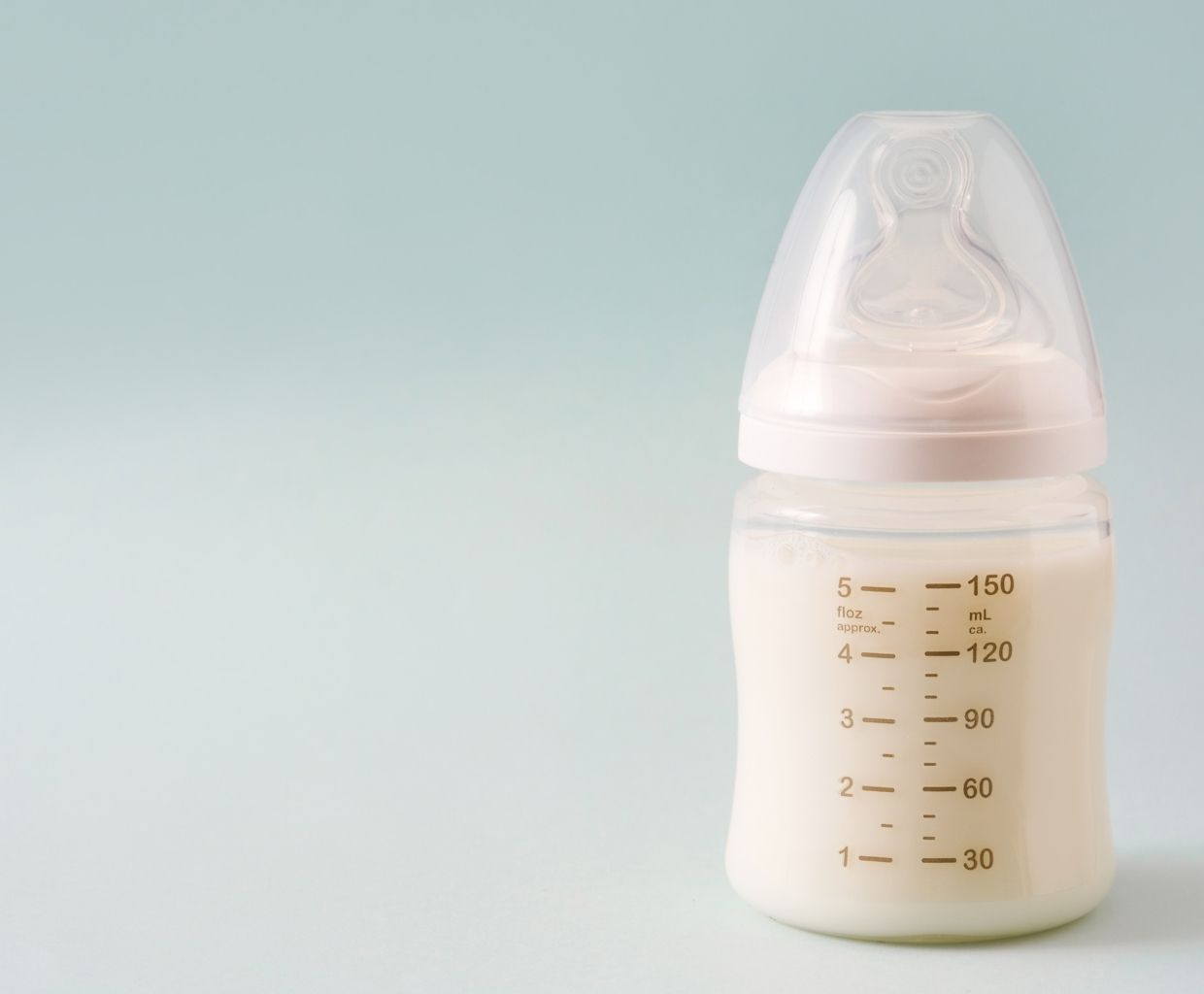
If your freezer is overflowing with pumped milk, it’s natural to wonder whether you could sell some of it. Milk is precious, pumping takes real time and effort, and there are websites and social media groups where parents buy and sell it.
Before you list your milk, it helps to know what health authorities say, what researchers found when they tested milk sold online, and what the safer alternative looks like. This guide covers all three, plus a few legal points. It isn’t legal advice, and rules can differ by state.
What the FDA says about buying and selling breast milk
The FDA does not recommend feeding a baby breast milk obtained directly from individuals or through the internet. Its reasons:
- Donors usually aren’t screened. Someone selling milk online is unlikely to have been tested for infectious diseases or asked about medicine and substance use.
- Infections can pass through milk. The FDA names hepatitis B, hepatitis C and HIV among the infections a baby could be exposed to.
- Drugs and medicines. Milk may contain illegal drugs, or prescription or over-the-counter medicines that aren’t safe for every baby.
- Contamination. Milk can become unsafe if it isn’t pumped, handled, stored or shipped properly.
Even if you’re healthy and careful, the family buying your milk has no way to check that. That’s why the FDA advises parents who choose donor milk, after talking with their baby’s doctor, to use a source that screens its donors and takes other safety precautions, such as a milk bank.
What studies found in milk sold online
Researchers in Ohio have bought and tested breast milk advertised on a popular US milk-sharing website:
- Bacteria. In a 2013 study in Pediatrics, 74% of 101 milk samples bought online were colonized with Gram-negative bacteria or had high overall bacteria counts. Three contained Salmonella, and 21% tested positive for cytomegalovirus (CMV) DNA. Bacteria counts rose the longer milk spent in shipping.
- Cow’s milk. In a 2015 follow-up, the same team found that 10 samples had cow’s milk added in amounts too large to be accidental, which is a risk for babies with a cow’s milk allergy.
A 2026 CDC report showed how informal sharing can go wrong. A mother living with HIV had offered breast milk through social media groups, and public health investigators had to trace five possibly exposed infants. They found no evidence that HIV was passed on, but the report concluded that educating families about the risks of unregulated milk sharing, and about accredited milk banks, could reduce such exposures.
None of this means sellers are dishonest. It means that milk that skips screening, testing and pasteurization carries risks that neither the seller nor the buyer can fully control.
Is it legal to sell breast milk?
There’s no single, simple answer:
- No federal screening applies to private sales. The FDA’s advice on milk from individuals and the internet is guidance for parents. It doesn’t create a licensing or testing system for people selling their own milk.
- States set their own rules. Some states regulate or license milk banks, and laws in this area change. If you’re thinking about selling, check with your state health department.
- You carry the responsibility. If a baby becomes ill from milk you sold, you could face legal and personal consequences, even if you did nothing wrong on purpose. Adding anything to milk you sell, such as water, formula or cow’s milk, is both dangerous and deceptive.
Some third-party companies offer payment to milk donors. HMBANA says its nonprofit member banks don’t take part in paid arrangements, because it considers voluntary, unpaid donation the safest and most ethical model. If you consider a paid program, ask how donors are screened, how milk is tested and processed, and who receives it.
The safer option: donating to a milk bank
Nonprofit milk banks accredited by the Human Milk Banking Association of North America (HMBANA) screen donors and pasteurize the milk. Donor milk often goes to premature and sick babies in hospitals, for whom it can make a real difference. HMBANA member banks rely on 100% voluntary, unpaid donors, but you shouldn’t have to pay anything either: HMBANA says you can ship approved milk overnight at no cost to you, or drop it at a local milk depot.
How donating works
- Find a milk bank. HMBANA lists more than 30 member banks in the US and Canada. Your bank doesn’t have to be in your state; many work regionally or nationally.
- Call for a screening interview. Staff will ask about your health, medicines, supplements, alcohol and lifestyle.
- Complete a health history and consent forms. The milk bank usually asks your doctor and your baby’s doctor to confirm you’re healthy enough to donate.
- Have a blood test to screen for infections such as HIV, hepatitis B and hepatitis C. The milk bank arranges and pays for it.
- Store and send your milk the way the bank tells you, usually frozen, labeled and in clean milk storage bags.
Good storage habits matter for donation too. Our guides to breast milk storage bags and how long breast milk lasts in the fridge explain the basics, and the bank will give you its own rules.
If you have more milk than you need
A big freezer stash is great, but if you’re consistently making far more than your baby drinks, you might be pumping more often than you need to. Our pumping schedule guide can help you adjust. If you’re weaning and want to wind your supply down comfortably, see how to dry up breast milk.
For more on the basics of breastfeeding and breast milk, visit our breastfeeding basics hub.
When to talk to a doctor or lactation consultant
Talk to your baby’s doctor if you’re thinking about using donor milk from any source, or if your baby has been fed milk from someone else and you’re worried about infections or medicines in it. Talk to your own doctor or pharmacist before donating if you take any medicine or supplement.
A lactation consultant (IBCLC) can help if you have oversupply, frequent engorgement, or want to plan how much to pump. Our breastfeeding support page lists where to find one.
Frequently asked questions
How much milk do I need to donate to a milk bank?
Each milk bank sets its own minimum amount and rules on how old the milk can be. Call the bank before you start saving milk to donate so you can store it the way they need.
Can I donate if I take medication?
Sometimes. Milk banks ask about medicines, supplements, alcohol and other substances during screening, and some are compatible with donating. Ask the milk bank directly about your situation.
Can I donate milk after a pregnancy loss or the death of my baby?
Often, yes. HMBANA notes that some mothers choose to donate their expressed milk after the loss of their child. It isn't right for everyone, and both choices are okay. Contact a milk bank to ask how their screening works.
Is it safe to give my milk to a friend?
Informal sharing between people who know each other still carries the risks the FDA describes, because the milk isn't screened or pasteurized. If you're considering it, both families should talk with their doctors first.
Sources
- FDA: Use of Donor Human Milkhttps://www.fda.gov/science-research/pediatrics/use-donor-human-milk
- HMBANA: Donate Extra Breast Milkhttps://www.hmbana.org/find-a-milk-bank/overview.html
- HMBANA: Milk Banking Frequent Questionshttps://www.hmbana.org/about-us/frequent-questions.html
- HMBANA: Statement on Donor Remunerationhttps://www.hmbana.org/news/blog.html/article/2024/11/21/hmbana-statement-on-donor-remuneration
- Keim SA et al. Microbial Contamination of Human Milk Purchased Via the Internet. Pediatrics, 2013https://pubmed.ncbi.nlm.nih.gov/24144714/
- Keim SA et al. Cow's Milk Contamination of Human Milk Purchased via the Internet. Pediatrics, 2015https://pubmed.ncbi.nlm.nih.gov/25847797/
- CDC MMWR: Potential Infant HIV Exposure from Donated Breast Milk Received Through Social Media, Santa Clara County, 2025–2026https://www.cdc.gov/mmwr/volumes/75/wr/mm7531a2.htm
This guide is general information, not medical advice. For your own situation, talk to your doctor, midwife, pharmacist or an IBCLC lactation consultant. Read our medical disclaimer and find breastfeeding support near you.
Related articles

Wet Nurse: What It Means, Its History and Modern Alternatives
What a wet nurse is, how wet nursing worked through history, why it declined, and how milk banks, milk sharing and cross-nursing compare today.
What Does Breast Milk Taste Like? Flavor, Diet and Safety
Why breast milk tastes mildly sweet, how garlic, carrots, mint and alcohol change its flavor, what research shows, and why adults shouldn't buy milk online.
Benefits of Breastfeeding for Baby and for You: What the Evidence Says
The real benefits of breastfeeding for babies and parents, what the research can and can't prove, and why any amount of breast milk counts.
Breastfeeding vs Formula: An Honest, Judgment-Free Comparison
Breastfeeding vs formula side by side: nutrition, immunity, cost, convenience and who can feed, plus combination feeding and safe formula prep.