Breast Milk Storage Bags: How to Choose, Fill, Freeze and Label Them
By Breastfeeding Mom Editorial TeamUpdated 6 min read
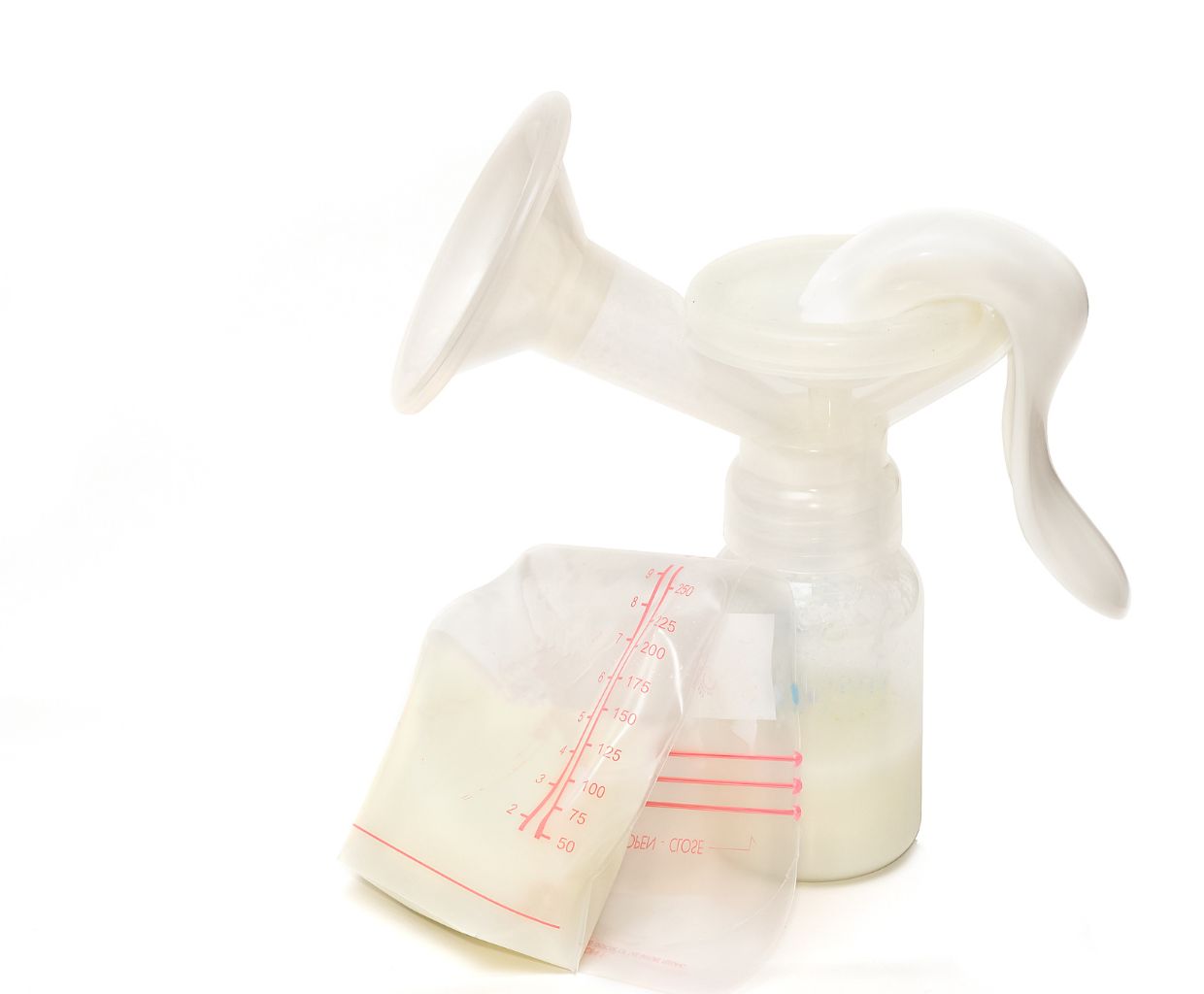
If you’re building a freezer stash, storage bags are probably going to be your best friend. They take up less space than bottles, they freeze flat, and you can toss them once they’re empty. But not every plastic bag is safe for milk, and a few small habits make the difference between a tidy stash and a freezer full of leaks.
This guide covers what to look for when you buy breast milk storage bags, and how to fill, seal, freeze, label and thaw them using the CDC’s guidance. These times are for healthy, full-term babies. If your baby is premature or in the hospital, follow your care team’s rules.
Bags vs. bottles: which to use when
The CDC says expressed milk can be stored in breast milk storage bags or in clean glass or plastic containers with tight-fitting lids. Both work, and many parents use both.
| Storage bags | Bottles and hard containers | |
|---|---|---|
| Best for | Freezing, building a stash, travel | Fridge storage, milk you’ll use within a few days |
| Space | Freeze flat and stack or file upright | Take up more room |
| Reusable | No, single use | Yes, after washing |
| Leak risk | Higher; seams and zippers can fail, and frozen bags can split | Lower |
| Pouring | Can be awkward; some bags have a spout | Easy |
La Leche League International (LLLI) notes that glass or hard-sided plastic containers are a good choice for the fridge, and suggests avoiding plastics made with BPA or BPS.
What to look for in breast milk storage bags
You don’t need a particular brand. Look for these features:
- Made for breast milk. The CDC is clear: never store milk in disposable bottle liners or plastic bags that aren’t intended for breast milk. LLLI explains that general-purpose bags are less strong, tend to leak and may affect some nutrients.
- A secure seal. A double zipper or a zipper plus a fold-over strip helps prevent leaks.
- Thick, freezer-safe material. Thin bags are more likely to split when frozen or handled.
- BPA-free plastic. Most bags made for milk are labeled BPA-free. LLLI recommends avoiding BPA and BPS.
- A write-on label area. You’ll need room for the date and, for childcare, your baby’s name.
- Volume markings. Handy, but they’re approximate, so measure in a bottle if you need an exact amount.
- A flat base or gusset. Bags that stand up on their own are easier to fill.
- Sealed packaging. Bags that come individually sealed or pre-sterilized help keep them clean until you use them.
Optional extras include pour spouts and adapters that let you pump directly into the bag. They’re conveniences, not safety features.
How to fill a storage bag
- Wash your hands before handling pump parts, bottles or bags.
- Label the bag first. Writing on a flat, empty bag is much easier than on a full one. Note the date you expressed the milk.
- Pour in small portions. The CDC suggests storing 2 to 4 oz (60 to 120 ml), or about one feeding’s worth, so less milk is wasted. LLLI suggests 1 to 4 oz (30 to 120 ml).
- Leave room at the top. Breast milk expands as it freezes. The CDC recommends about 1 inch (2.5 cm) of space at the top.
- Push out the air and seal. LLLI suggests squeezing out the air at the top before sealing. Run your fingers along the zipper twice to make sure it’s closed.
If you don’t plan to use fresh milk within 4 days, the CDC says to freeze it as soon as possible. Our guide to how long breast milk lasts in the fridge covers fridge storage in more detail.
Freezing bags flat
Freezing bags flat isn’t an official rule, but it’s a popular trick because it saves space and makes thawing faster:
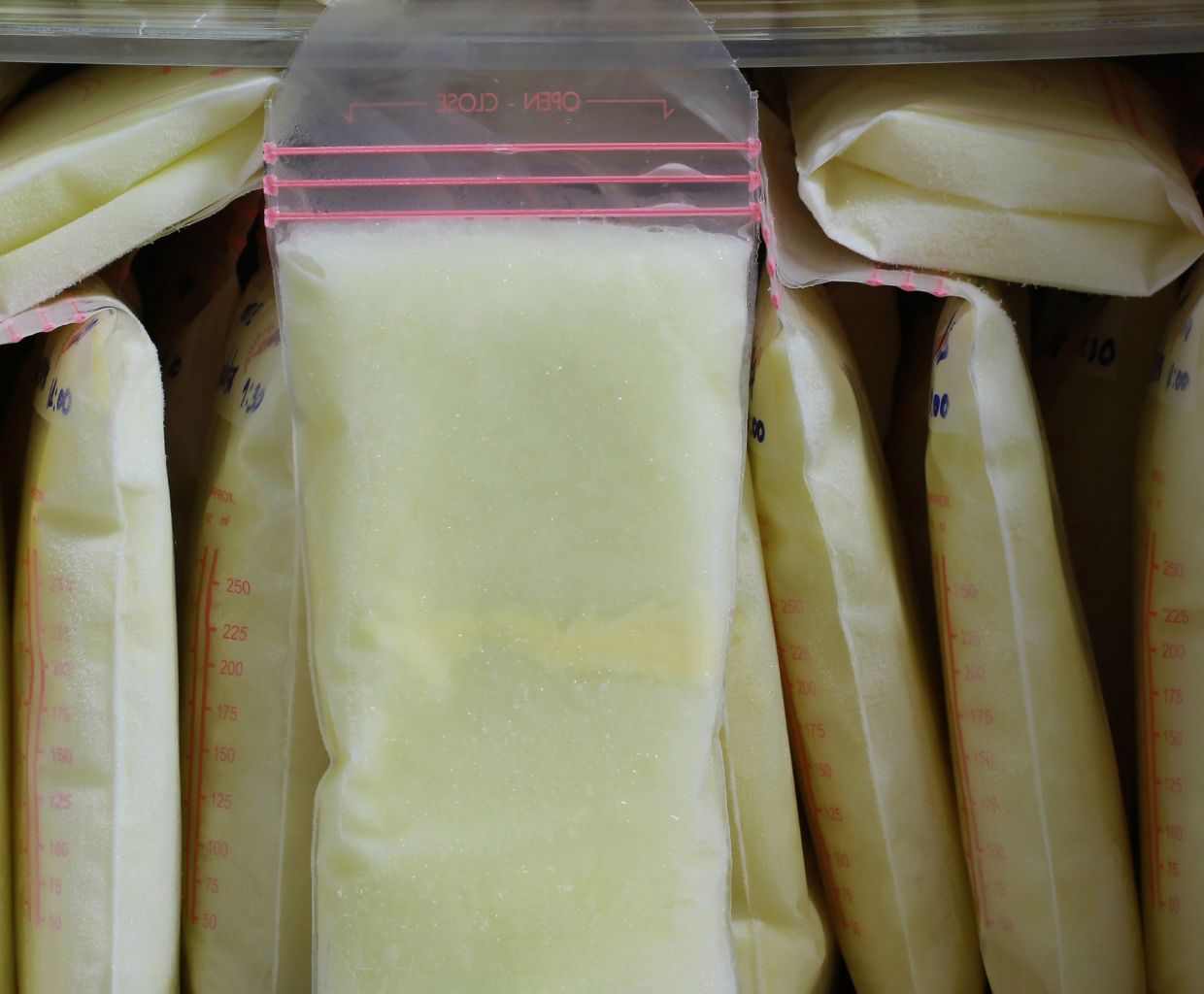
- Lay sealed bags flat on a tray or a clean, level freezer shelf until they’re frozen solid.
- Once frozen, stand them upright in a bin like files, or stack them.
- Organize the bin so the oldest milk is at the front.
Keep milk toward the back of the freezer, not in the door, where temperatures change each time you open it. HealthyChildren.org (AAP) gives the same advice. Your freezer should be at 0°F (-18°C) or colder.
Frozen bags can become brittle and crack, so handle them gently and avoid crushing them under heavy items.
Labeling: what to write
The CDC says to label milk clearly with the date it was expressed. Add more if it’s useful:
- Date expressed (always)
- Your baby’s name if the milk goes to daycare; ask your provider about their own labeling rules
- Amount, so you can grab the right bag quickly
Use a permanent marker that doesn’t smudge when the bag gets wet.
CDC storage times for bagged milk
| Where | Freshly expressed milk |
|---|---|
| Room temperature, 77°F (25°C) or colder | Up to 4 hours |
| Fridge, 40°F (4°C) or colder | Up to 4 days |
| Freezer, 0°F (-18°C) or colder | About 6 months is best; up to 12 months is acceptable |
| Insulated cooler with frozen ice packs | Up to 24 hours |
The CDC says to count frozen milk’s age from when it was first frozen. For a quick use-by date for any bag, try our breast milk storage calculator, and see the full overview in our breast milk storage guide.
Thawing milk from a storage bag
- Thaw the oldest milk first.
- Thaw it in the fridge overnight, in a bowl of lukewarm water or under lukewarm running water. Set the bag in a bowl or cup while it thaws in case it leaks.
- Never use the microwave. The CDC warns against thawing or heating milk in a microwave.
- Use it in time. Milk thawed in the fridge is good for 24 hours from when it’s fully thawed. Once it’s at room temperature or warmed, use it within 2 hours.
- Don’t refreeze thawed milk.
You can pour the thawed milk into a bottle and serve it cold, at room temperature or warmed. Our guide to thawing frozen breast milk has step-by-step instructions.
Common problems and fixes
- Leaking bags: Check the seal, don’t overfill, and freeze bags in a single layer before stacking. Thaw them inside a container.
- Milk smells soapy or metallic after freezing: This may be high lipase milk. It’s safe, but some babies don’t like the taste.
- Fat stuck to the bag: Milk separates when stored. Swirl the bag gently before pouring to mix the fat back in.
- A torn bag: If you’re not sure whether milk stayed sealed and frozen the whole time, it’s safest to throw it away.
When to ask for help
Talk to your pediatrician or a lactation consultant if your baby is premature or medically fragile, if you’re storing milk for a hospitalized baby, or if you have questions about donating milk. Hospitals often have their own storage rules and containers.
Frequently asked questions
Can I reuse breast milk storage bags?
No. Storage bags are made for one use. They are hard to clean properly and can develop tiny tears. Bottles and hard-sided containers can be washed and reused instead.
Are breast milk storage bags safe for the fridge too?
Yes. You can keep milk in a sealed storage bag in the fridge for up to 4 days, according to the CDC. Many parents still prefer bottles in the fridge because they are easier to pour from and less likely to tip over.
Can I pour fresh milk into a bag that already has frozen milk in it?
Not straight from the pump. The CDC says not to add warm milk to frozen milk because it can partly thaw it. Cool fresh milk in the fridge first, or simply start a new bag.
Can I pump straight into a storage bag?
Some bags come with adapters that connect to certain pumps. If yours do, follow the instructions that come with them, keep the bag upright while pumping and seal it as soon as you finish.
Sources
- CDC: Breast Milk Storage and Preparationhttps://www.cdc.gov/breastfeeding/breast-milk-preparation-and-storage/handling-breastmilk.html
- CDC: Breast Milk Storage Questions and Answershttps://www.cdc.gov/breastfeeding/php/guidelines-recommendations/faqs.html
- La Leche League International: Storing Human Milkhttps://llli.org/breastfeeding-info/storingmilk/
- HealthyChildren.org (AAP): Storing and Preparing Expressed Breast Milkhttps://www.healthychildren.org/English/ages-stages/baby/breastfeeding/Pages/storing-and-preparing-expressed-breast-milk.aspx
- ABM Clinical Protocol #8: Human Milk Storage Information for Home Use for Full-Term Infants (2017)https://pubmed.ncbi.nlm.nih.gov/29624432/
This guide is general information, not medical advice. For your own situation, talk to your doctor, midwife, pharmacist or an IBCLC lactation consultant. Read our medical disclaimer and find breastfeeding support near you.
Related articles
How to Thaw Frozen Breast Milk (and Why Not to Refreeze It)
The safest ways to thaw frozen breast milk, how long thawed milk lasts, and why you should never refreeze milk once it has thawed.
How Long Does Breast Milk Last in the Fridge?
Fresh breast milk keeps up to 4 days in the fridge and thawed milk up to 24 hours. Here's how to store it so it stays safe.

Breast Milk Cooler: How Long Milk Lasts and How to Use One for Work and Travel
Breast milk keeps up to 24 hours in an insulated cooler with frozen ice packs. What to look for in a cooler, plus work and TSA travel tips.
How Long Can Breast Milk Sit Out?
Fresh breast milk can sit out up to 4 hours, thawed milk 1–2 hours and leftovers 2 hours. Here's how each rule works.