Pitcher Method for Breast Milk: How to Do It Safely
By Breastfeeding Mom Editorial TeamUpdated 6 min read
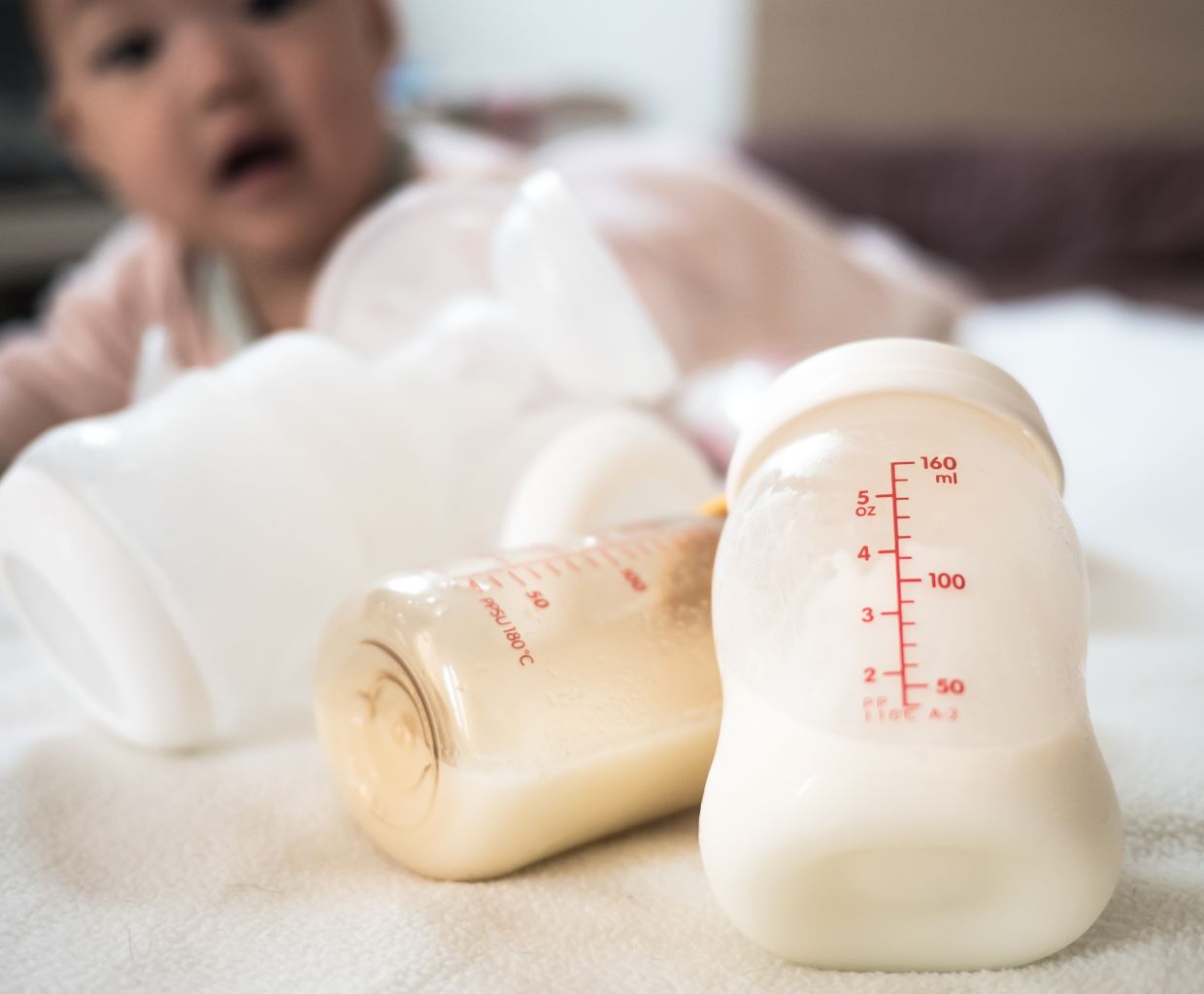
If you pump several times a day, the fridge can fill up with half-full bottles fast. The pitcher method is a popular shortcut: instead of storing each session separately, you collect a day’s milk in one container and portion it out later.
It can be a sensible way to stay organized, especially if you pump often. But it’s an online trend more than a researched technique, and the standard storage rules still apply. Here’s what the method involves, what the CDC says about combining milk, and how to do it safely.
What is the pitcher method?
The pitcher method, also called milk pooling, means storing the milk you pump over a set period, usually about 24 hours, in a single covered container in the fridge. InfantRisk Center describes it as storing all milk pumped over a 24-hour period in one refrigerated container. At the end of that period, you mix the milk, pour it into bottles or breast milk storage bags, and start again with a clean pitcher.
People like it because:
- There are fewer containers to label and track.
- It saves fridge space compared with lots of small bottles.
- Each bottle gets a similar mix of milk from different times of day.
- It’s easy to see a day’s total output, which can be useful if you’re exclusively pumping.
What the CDC says about combining breast milk
The CDC doesn’t mention the pitcher method by name, and InfantRisk notes that the CDC has no recommendations specific to pooled milk. But two parts of CDC guidance on combining milk apply directly:
- Chill before you combine. The CDC says mixing freshly expressed milk with already cooled or frozen milk is not advised, because it can rewarm the older stored milk. It’s best to cool fresh milk first, then combine it.
- Date by the oldest milk. When you combine cooled milk pumped on different days, the CDC says to base the storage time on when the older milk was first stored.
The general CDC storage limits for freshly expressed milk are:
| Where | Temperature | How long |
|---|---|---|
| Countertop | 77°F (25°C) or colder | Up to 4 hours |
| Refrigerator | 40°F (4°C) | Up to 4 days |
| Freezer | 0°F (-18°C) or colder | Within 6 months is best, up to 12 months is acceptable |
The CDC also says that if you don’t plan to use fresh milk within 4 days, you should freeze it right away. Pooling for a day means some milk sits in the fridge longer before freezing than it otherwise would, which is one reason to keep the collection window short.
How long does a breast milk pitcher last in the fridge?
Count from the first milk you put in the pitcher, not the last. For example, if you start a pitcher with milk pumped at 7 a.m. on Monday, all the milk in it should be used by 7 a.m. on Friday, 4 days later (our calculation, based on the CDC’s 4-day limit and its oldest-milk rule). Any of it you won’t use by then should go in the freezer as early as possible, not on the last day.
In practice, most people using the pitcher method close the pitcher after about 24 hours, which is the window InfantRisk describes, then portion the milk out. Bottles for the next day go in the fridge, and anything you won’t use within the 4-day limit goes in the freezer.
Our breast milk storage calculator works out a use-by time for you. For more on fridge storage in general, see how long breast milk lasts in the fridge.
How to do the pitcher method safely, step by step
- Start with a clean pitcher. Use a food-grade glass or plastic container with a tight-fitting lid, as the CDC recommends for storing milk. A pitcher with a pour spout makes portioning easier.
- Wash your hands and use clean pump parts for every session. Our guide on how to clean breast pump parts covers the CDC steps.
- Pump into a clean bottle, then chill it. Put the fresh milk in the fridge until it’s cold before adding it to the pitcher.
- Add the cold milk to the pitcher and put the lid back on right away.
- Label it with the date and time of the first milk in the pitcher.
- Keep it at the back of the fridge. The CDC says not to store breast milk in the door of the fridge or freezer.
- Close the pitcher after about 24 hours. Swirl it gently to mix the fat, which the CDC notes may have separated.
- Portion it out. The CDC suggests storing 2 to 4 ounces (60 to 120 ml), or the amount your baby takes at one feed, to avoid waste. Label each bottle or bag with the original date.
- Freeze what you won’t use in time. Leave about an inch (2.5 cm) of space at the top, because milk expands as it freezes.
- Wash the pitcher before you start again, using the steps below.
Cleaning the pitcher
Treat the pitcher like any other infant feeding item. The CDC recommends taking items apart, rinsing them under running water, washing them in a clean basin used only for feeding items (not directly in the sink), rinsing again and letting them air-dry completely. For extra germ removal, the CDC suggests sanitizing feeding items at least once a day, and says this is particularly important if your baby is younger than 2 months, was born early or has a weakened immune system (daily sanitizing may not be necessary for older, healthy babies if items are cleaned carefully after each use). You can boil items for 5 minutes, use a steam system, or run the dishwasher with hot water and a heated drying cycle. Check that your pitcher’s material can handle the method you pick.
What the research shows, and what it doesn’t
There’s very little research on the pitcher method as used at home for healthy babies. The main study is small. In a study published in 2013, 19 mothers expressing milk for their premature babies alternated between pooling a day’s milk in one sterile container and storing each session separately. Pooled milk had less variation in calories and nutrients; individual samples varied in calorie density by as much as 29%. High bacterial counts were not more common in pooled milk (8.6% of pooled samples vs 14.7% of individual samples, a difference that wasn’t statistically significant).
La Leche League likewise says that combining or pooling milk expressed over 24 hours in one container minimizes variation in nutritional content and simplifies handling without increasing bacterial growth. It also repeats ABM Protocol #8’s advice to chill fresh milk before adding it to previously expressed milk.
InfantRisk Center concludes that pooling would likely be safe and beneficial for very small premature babies, because it evens out nutrients. For healthy, full-term babies, it says there may not be a distinct advantage over traditional storage. It also points out some downsides:
- One spill or leak can cost a whole day’s milk.
- You need to empty and restart the pitcher every 24 hours, which can be hard with an irregular schedule.
- Little is known about time-sensitive components such as hormones and immune factors, which may vary through the day.
InfantRisk also notes that official guidance has shifted over the years, with some earlier statements on mixing milk temperatures later revised or removed. Current CDC guidance, chilling fresh milk first and dating by the oldest milk, is the safest rule to follow.
If your baby is premature or in the NICU, ask the care team before pooling milk.
When to ask for help
Talk to your baby’s doctor, the NICU team or a lactation consultant (IBCLC) if:
- Your baby was born early or has a medical condition, and you aren’t sure how to collect and store milk
- Your milk smells or tastes different after storage and your baby refuses it (see our guide to high lipase milk)
- You’re unsure how to fit pumping, storage and feeding into your day
For more on keeping expressed milk safe, including thawing and warming, visit our breast milk storage hub or read how to thaw frozen breast milk.
Frequently asked questions
Can I pour warm, freshly pumped milk straight into the pitcher?
The CDC advises against it. Mixing freshly expressed milk with already cooled milk can rewarm the older milk, so it's best to chill the new milk in the fridge first, then add it to the pitcher.
Does the pitcher method give my baby more consistent milk?
Pooling evens out differences in fat and calories between sessions, which a small study in mothers of premature babies confirmed. InfantRisk Center says this may help very small premature babies, but that there may be no distinct advantage for healthy, full-term babies.
Can I put the pitcher in the freezer?
Portion the milk into freezer-safe bags or containers instead, in the amounts your baby takes at a feed. The CDC suggests 2 to 4 ounces (60 to 120 ml) and leaving about an inch of space at the top, because milk expands as it freezes.
Should I use a glass or plastic pitcher?
Either can work. The CDC says to store breast milk in clean, food-grade glass or plastic containers with tight-fitting lids, so choose a pitcher with a lid that seals and is easy to wash.
Sources
- CDC: Breast Milk Storage Questions and Answershttps://www.cdc.gov/breastfeeding/php/guidelines-recommendations/faqs.html
- CDC: Proper Storage and Preparation of Breast Milkhttps://www.cdc.gov/breastfeeding/breast-milk-preparation-and-storage/handling-breastmilk.html
- CDC: Storage and Preparation of Breast Milk (printable guide, PDF)https://cdc.gov/breastfeeding/media/pdfs/preparation-of-breast-milk_H.pdf
- CDC: How to Clean, Sanitize, and Store Infant Feeding Items (FAQ)https://www.cdc.gov/hygiene/faq/index.html
- InfantRisk Center: What Is the Pitcher Method of Storing Breastmilk?https://infantrisk.com/content/what-pitcher-method-storing-breastmilk
- Stellwagen LM et al. Pooling expressed breastmilk to provide a consistent feeding composition for premature infants. Breastfeed Med, 2013https://europepmc.org/article/MED/23039396
- La Leche League International: Storing Human Milkhttps://llli.org/breastfeeding-info/storing-human-milk/
This guide is general information, not medical advice. For your own situation, talk to your doctor, midwife, pharmacist or an IBCLC lactation consultant. Read our medical disclaimer and find breastfeeding support near you.
Related articles
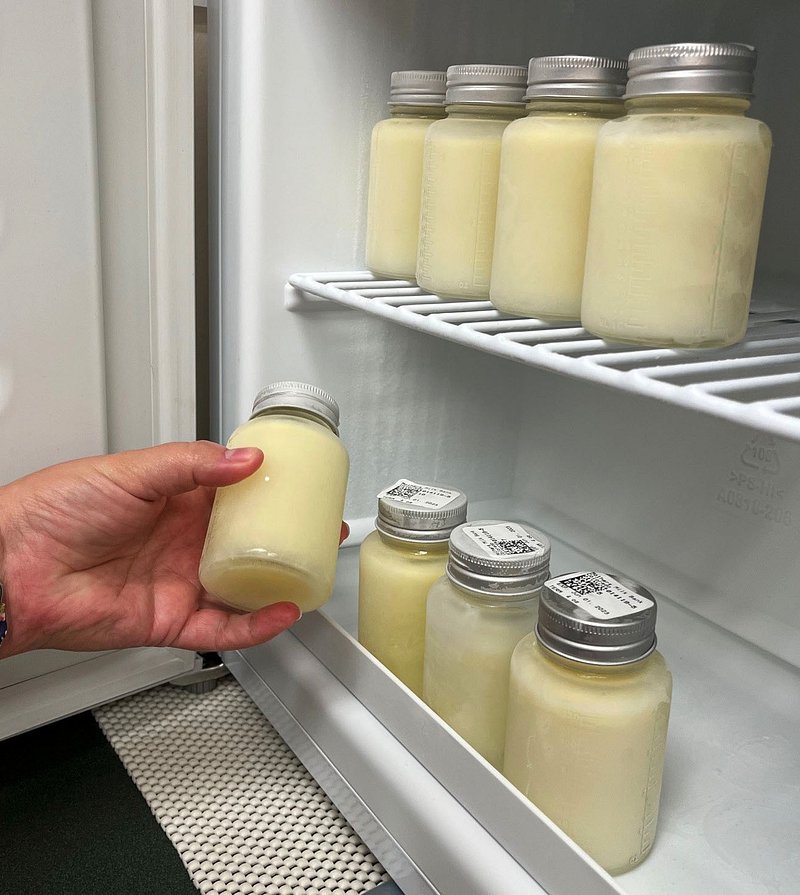
How Long Does Breast Milk Last in the Fridge?
Fresh breast milk keeps up to 4 days in the fridge and thawed milk up to 24 hours. Here's how to store it so it stays safe.
How Long Can Breast Milk Sit Out?
Fresh breast milk can sit out up to 4 hours, thawed milk 1–2 hours and leftovers 2 hours. Here's how each rule works.
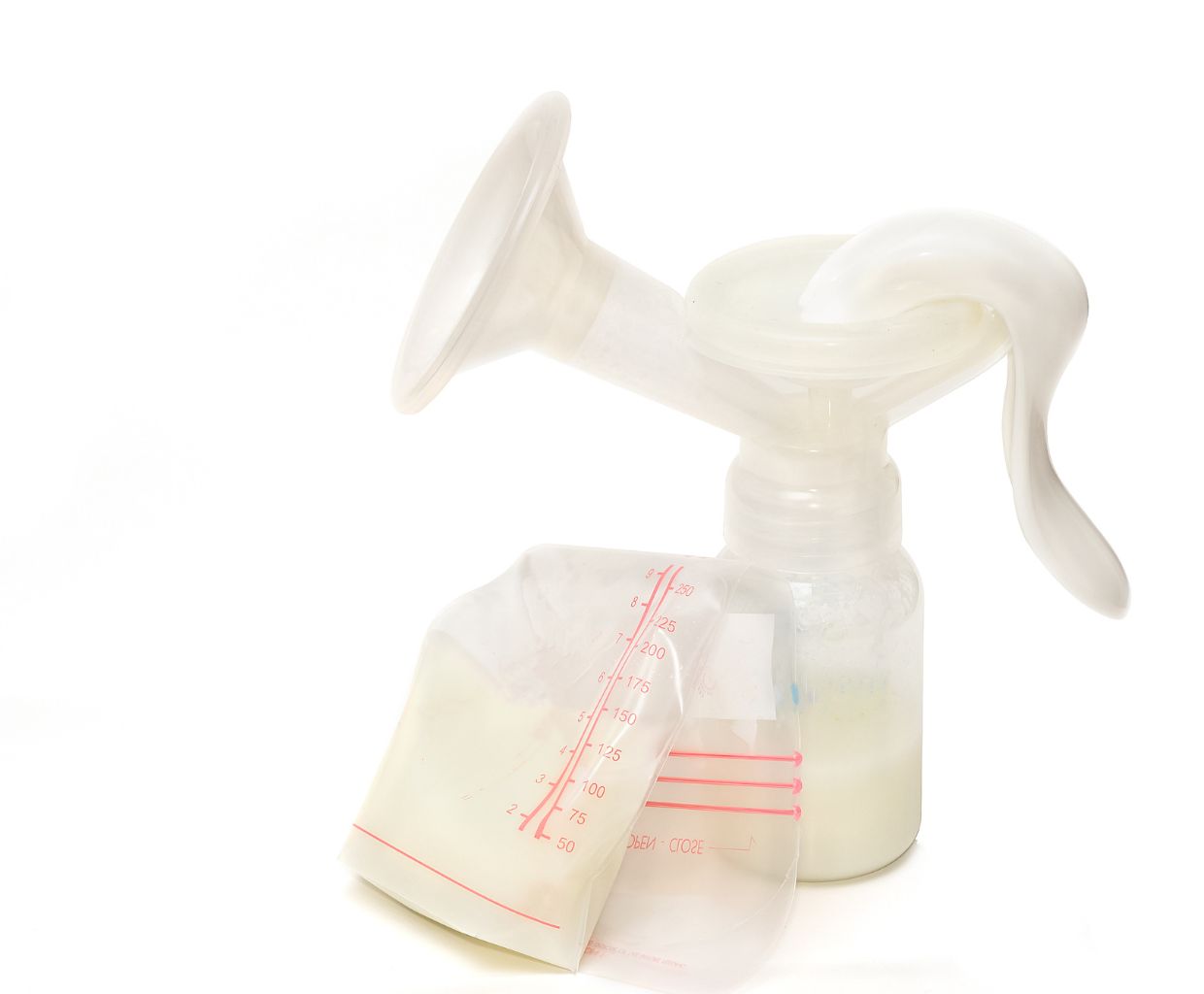
Breast Milk Storage Bags: How to Choose, Fill, Freeze and Label Them
What to look for in breast milk storage bags, plus how to fill, freeze flat, label and thaw them using the CDC's storage times.
How Long Does Breast Milk Last in the Freezer?
The CDC says breast milk is best within 6 months in the freezer and acceptable up to 12. How AAP and NHS differ, and how to freeze milk well.