How to Clean Breast Pump Parts: The CDC Steps, Simplified
By Breastfeeding Mom Editorial TeamUpdated 5 min read
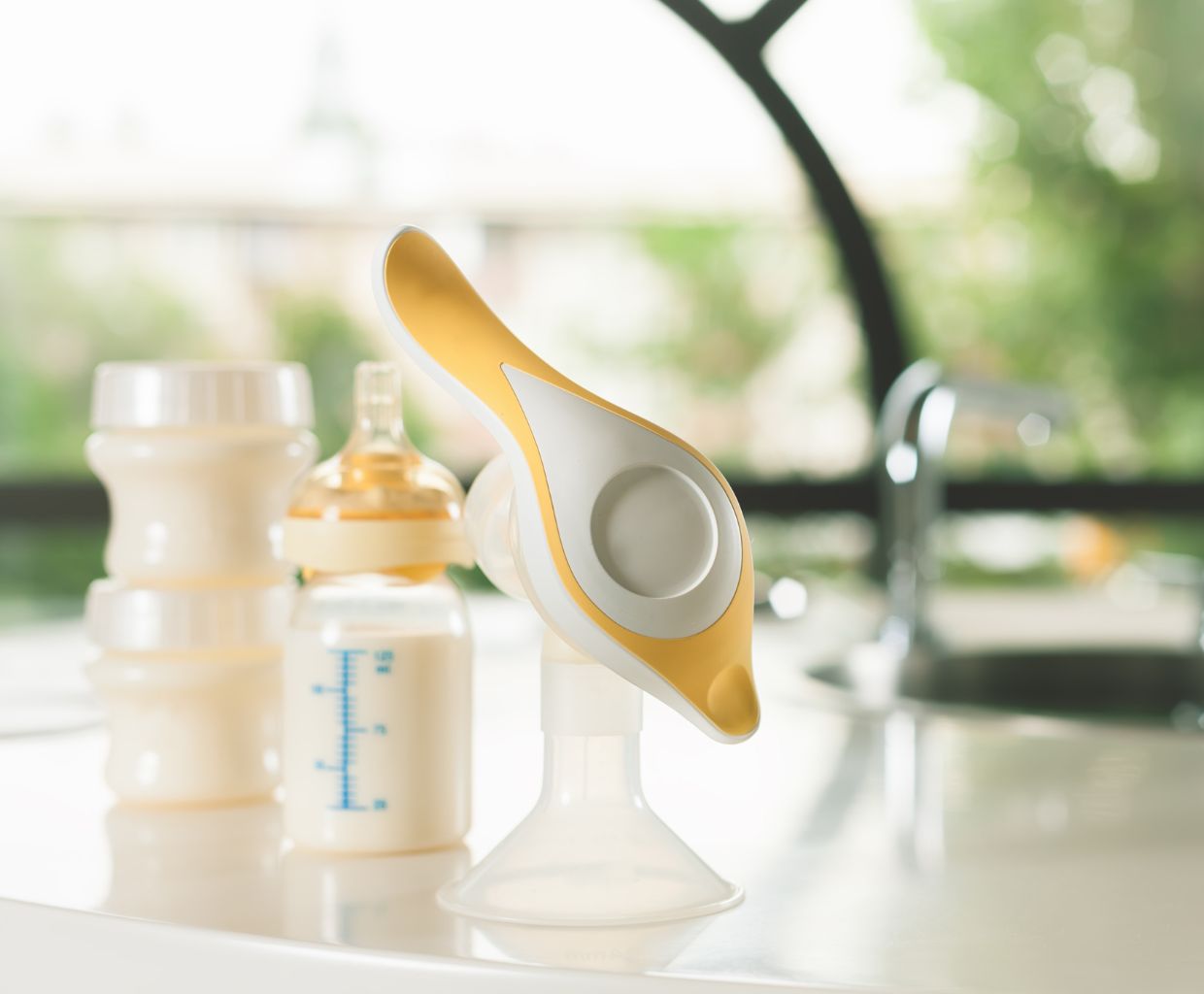
Cleaning pump parts is one of the least fun parts of pumping, especially when you do it several times a day. It matters, though. The CDC warns that babies have become ill from milk contaminated by poorly cleaned pump parts.
The good news is that the routine is simple once you know it. This guide follows the CDC’s current advice on cleaning, sanitizing, drying and storing pump parts, plus what the CDC actually says about the popular “fridge hack”. Always check your pump maker’s instructions as well, since some parts can be damaged by certain cleaning methods.
Before you pump
- Wash your hands with soap and water for 20 seconds.
- Check your kit. Assemble the clean parts and look for mold or soiling from storage. The CDC says to replace moldy tubing right away.
- Shared pump? Clean the dials, power switch and countertop with a disinfectant wipe.
After every use: step by step
- Store your milk first. Cap the bottle or seal the bag, label it with the date and time, and put it in the fridge, freezer or a cooler bag with ice packs.
- Take the kit apart. Separate every part that touches your breast or milk: flanges, valves, membranes, connectors and bottles.
- Rinse under running water to remove milk. The CDC’s guidance for feeding items specifies running water, not rinsing in the sink.
- Clean the parts as soon as you can, either in a dishwasher or by hand (see below).
- Air-dry thoroughly. Place the parts on a clean, unused dish towel or paper towel in an area protected from dirt and dust. Don’t rub or pat them dry with a dish towel.
- Store them once completely dry. Reassemble the parts and keep them in a clean, protected place, such as a sealed, unused food storage bag.
Washing by hand
- Use a wash basin used only for your pump kit and infant feeding items, not directly in the sink.
- Fill it with soap and hot water. Plain dish soap is fine; the CDC advises against antibacterial soap.
- Scrub the parts according to the manufacturer’s instructions. Use a small brush in hard-to-reach spots only if your pump maker allows it.
- Rinse under running water, or in a separate basin of fresh water.
- Afterward, rinse the basin and brush and let them air-dry. The CDC says to wash them every few days, by hand or in the dishwasher if they’re dishwasher-safe.
Using a dishwasher
If your parts are dishwasher-safe:
- Put small items in a closed-top basket or mesh laundry bag on the top rack, so they don’t fall into the filter.
- Use hot water and a heated drying cycle, or a sanitizing setting if your dishwasher has one.
- Wash your hands before taking the clean parts out.
The CDC says that a dishwasher run with hot water and a heated drying cycle or sanitize setting counts as sanitizing, so you don’t need a separate sanitizing step for those parts.
Sanitizing pump parts
Sanitizing is an extra step on top of cleaning, not a replacement for it. The CDC suggests sanitizing pump parts at least once a day for extra germ removal. It’s most important if your baby is:
- Under 2 months old
- Born prematurely
- Living with a weakened immune system
For older, healthy babies, the CDC says daily sanitizing may not be necessary if you clean parts carefully after every use.
Always clean parts before sanitizing, and check that your parts can handle heat. The CDC lists these methods:
| Method | How |
|---|---|
| Steam | Use a microwave or plug-in steam system, following the manufacturer’s directions |
| Boil | Cover the disassembled parts with water, bring to a boil and boil for 5 minutes; lift out with clean tongs |
| Dishwasher | Hot water with a heated drying cycle, or a sanitize setting |
If you can’t boil, steam or use a dishwasher, the CDC’s guidance for bottles and other feeding items describes a bleach soak: 2 teaspoons of unscented bleach per gallon (16 cups) of water, with items fully submerged for at least 2 minutes, then air-dried without rinsing. That guidance is written for feeding items in general, so check your pump maker’s instructions before using bleach on pump parts.
Tubing and mold
Tubing on most pumps doesn’t touch your milk when it’s used correctly, so the CDC says it doesn’t need routine cleaning. Instead:
- Water droplets inside the tubing? Leave it attached to the pump and run the pump until the tubing is dry.
- Milk or mold inside the tubing? Throw it away. Tubing is hard to clean properly. Check whether your valves or membranes need replacing, or whether the tubing was attached the wrong way.
- Dirty outside? Wipe it with a damp cloth or a disinfectant wipe.
- Keep a spare set of tubing so you’re never stuck.
Valves and membranes need replacing from time to time too. Our pump part replacement schedule gives a starting point for each part.
The “fridge hack”: what the CDC actually says
The “fridge hack” means putting used, unwashed pump parts in the refrigerator between sessions instead of washing them each time. It’s popular with busy parents and those who are exclusively pumping.
Here’s the CDC’s position:
- The CDC and most pump makers recommend cleaning parts thoroughly after every use.
- If that isn’t possible, the CDC says you can rinse and then refrigerate pump parts for a few hours between uses to help slow the growth of bacteria.
- It stresses that refrigeration does not stop bacteria from growing.
- It notes that no studies have shown this is a safe alternative to washing after every use.
- If you do refrigerate parts, rinse them first if you can and keep them in a sealed bag. If you can’t rinse, wipe off milk residue with a clean paper towel.
So the fridge method is a fallback for a few hours when washing isn’t possible, not a routine to replace cleaning. Following CDC guidance means washing after every use whenever you can. If you’re at work, a spare set of clean parts can make that easier; our pumping at work guide has more ideas.
Cleaning on the go
When you’re traveling, the CDC Yellow Book suggests bringing extra sets of parts (connectors, flanges, membranes and valves) if you can’t clean them between uses, and packing a cleaning kit with a brush, dish soap and a portable drying rack or mesh bag. See our guide on flying with breast milk for more travel tips.
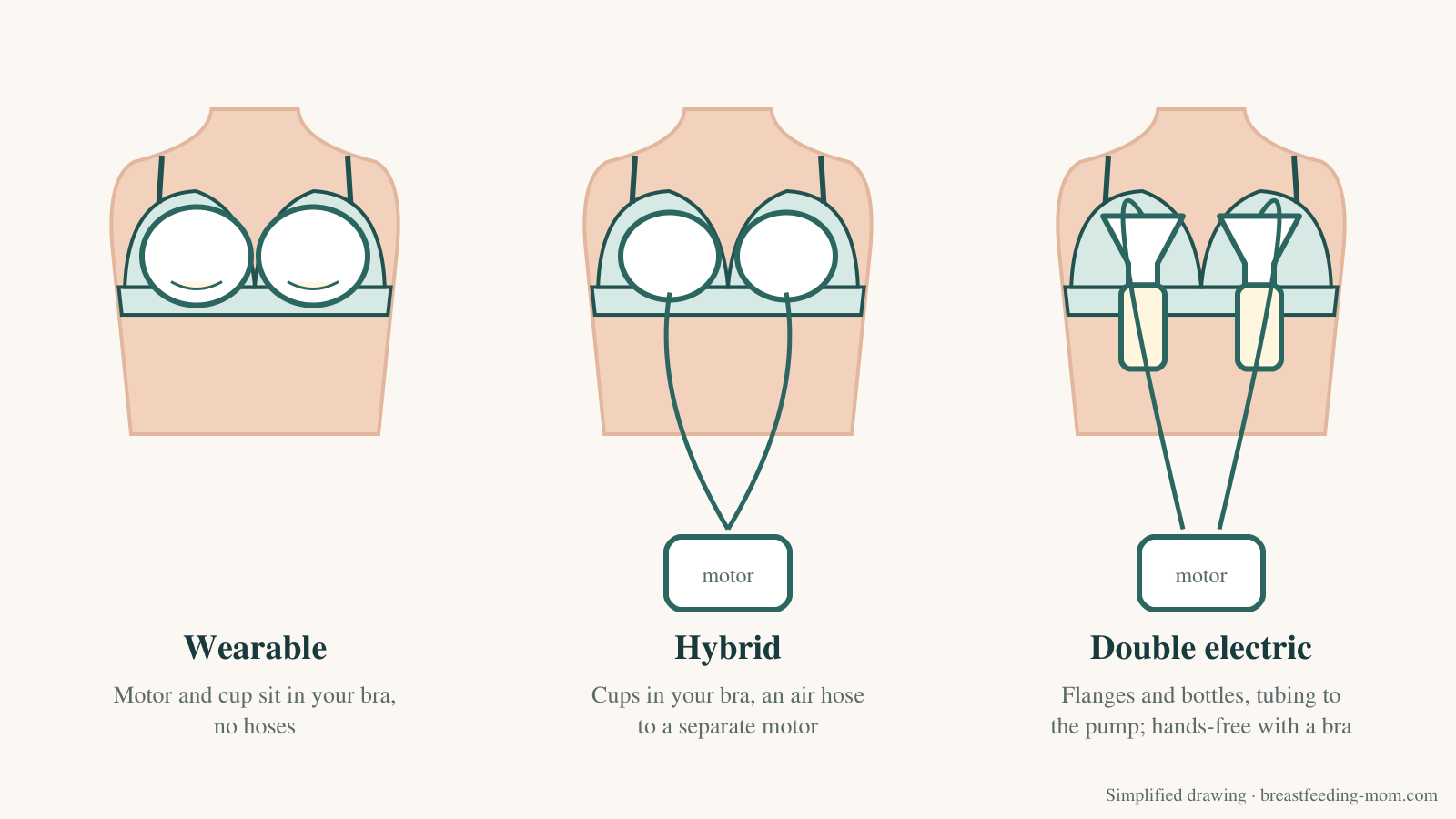
If you use a wearable breast pump, the same rules apply: every part that touches milk needs cleaning after each use, and the maker’s instructions will tell you how to take it apart.
When to talk to your doctor
Call your baby’s doctor if your baby seems unwell, especially if they’re under 2 months old, born early or have a weakened immune system. If you find mold in your parts, replace those parts. For more on pumping routines and equipment, browse our pumping guides.
Frequently asked questions
Can I use antibacterial soap on pump parts?
The CDC advises against antibacterial soap. Regular dish soap is fine, or dishwasher detergent if you use a dishwasher. Rinse off all the soap afterward.
Can I dry pump parts with a dish towel?
No. The CDC says not to rub or pat parts dry with a dish towel, since that can spread germs. Let them air-dry on a clean, unused dish towel or paper towel in a spot protected from dirt.
Do I need to sanitize pump parts every day?
The CDC suggests sanitizing at least once daily for extra germ removal. It's most important for babies under 2 months, babies born prematurely and babies with weakened immune systems. For older, healthy babies, the CDC says daily sanitizing may not be necessary if you clean the parts carefully after each use.
How often should I replace pump parts?
It depends on the part and your pump maker's instructions. Our pump part replacement schedule tool gives a starting point. The CDC says to throw out tubing that has milk or mold in it, and to check whether your valves or membranes need replacing if milk gets into the tubing.
Sources
- CDC: How to Clean and Sanitize Breast Pumpshttps://www.cdc.gov/hygiene/about/about-breast-pump-hygiene.html
- CDC: How to Clean, Sanitize, and Store Infant Feeding Itemshttps://www.cdc.gov/hygiene/about/clean-sanitize-store-infant-feeding-items.html
- CDC Yellow Book: Travel and Breastfeedinghttps://www.cdc.gov/yellow-book/hcp/family-travel/travel-and-breastfeeding.html
This guide is general information, not medical advice. For your own situation, talk to your doctor, midwife, pharmacist or an IBCLC lactation consultant. Read our medical disclaimer and find breastfeeding support near you.
Related articles
Wearable Breast Pump: How They Work, Pros and Cons, and Fit
An honest guide to wearable breast pumps: how they work, how they compare with traditional pumps, flange fit, cleaning and who they suit best.
Manual Breast Pump: Lever vs Silicone Pumps and How to Use One
How manual breast pumps work, lever vs silicone suction pumps, who they suit, how to use one step by step and how to keep the parts clean.
Exclusive Pumping: How to Start, Build and Keep Your Supply
A practical guide to exclusive pumping: how to start after birth, how often to pump, the right equipment, keeping your supply up and getting support.

Pumping at Work: Your Rights, a Plan and Storing Milk
Your rights under the PUMP Act, how to talk to your employer, how often to pump at work, what to pack and how to store breast milk safely on the job.