Exclusive Pumping: How to Start, Build and Keep Your Supply
By Breastfeeding Mom Editorial TeamUpdated 5 min read
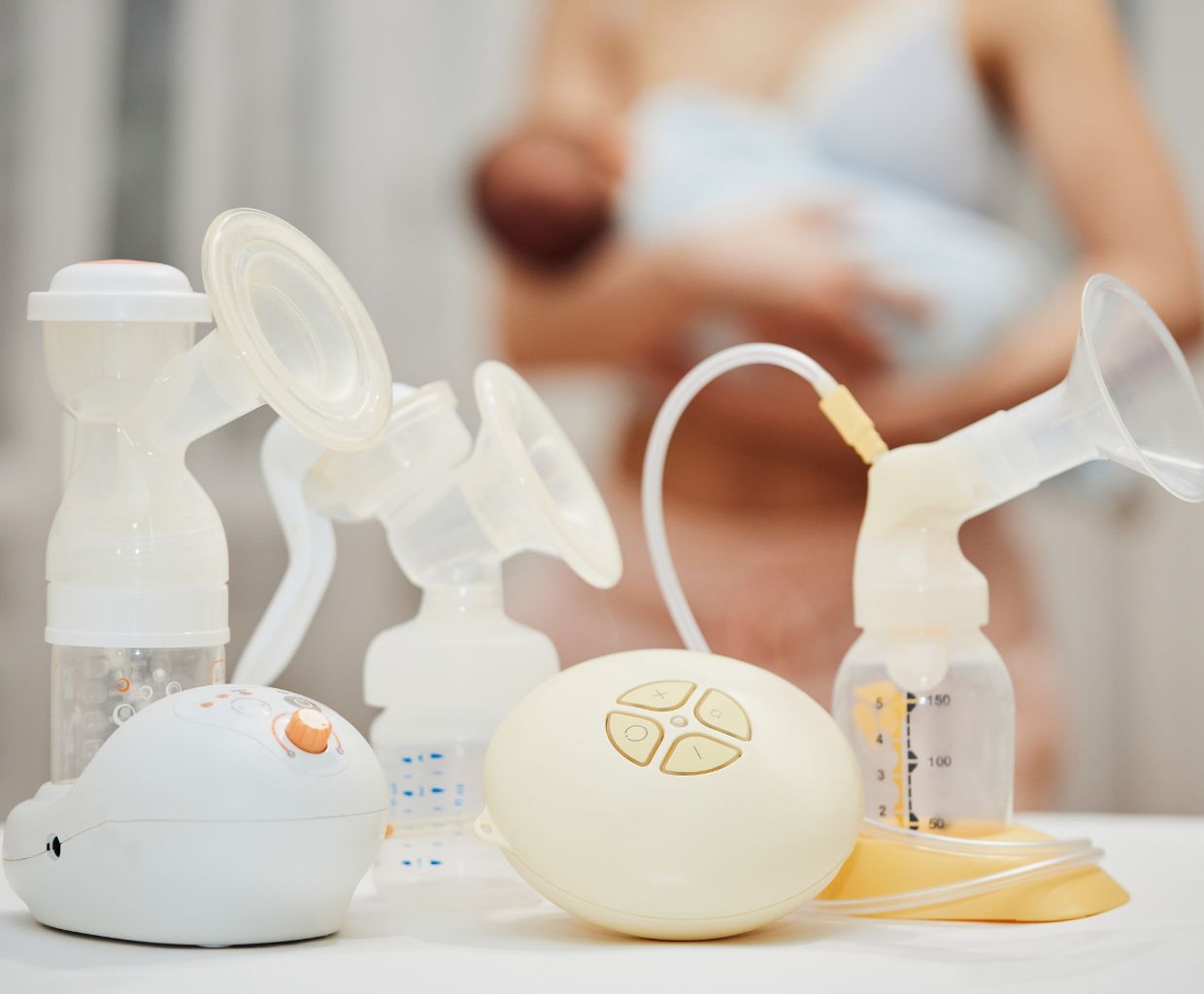
Exclusive pumping means feeding your baby only expressed breast milk, without nursing at the breast. People choose it for many reasons: a baby in the NICU, latch problems that won’t resolve, pain, a premature birth, returning to work early, or simply because it suits their family better.
Whatever your reason, it’s real work, and it’s a valid way to feed your baby breast milk. The Connecticut WIC program puts it well: its goal is to support and affirm parents who choose to provide breast milk this way. This guide covers how to get started, what equipment helps and how to keep your supply going.
Starting in the first days
The first days and weeks set up your long-term supply. Frequent milk removal early on tells your body how much milk to make.
The Connecticut WIC program advises:
- Start expressing within 6 hours of birth. Ideally, start within the first hour, especially with hand expression, to help colostrum yield and later milk production.
- Pump both breasts every 2 to 3 hours, including overnight, for at least 15 minutes each time.
- Keep going if milk is still flowing at 15 minutes, until the flow slows.
- Massage your breasts before and during pumping to increase what you express.
That adds up to about 8 to 12 sessions in 24 hours. Your output will start small, often just drops of colostrum, and increase as your mature milk comes in. That’s normal.
Add hand expression early
Hand expression can make a real difference at the start. In a 2009 Stanford study of 67 mothers of premature babies, those who hand-expressed colostrum at least six times a day in the first three days went on to produce more milk later than those who hand-expressed less often, even though both groups pumped equally often. The researchers also taught mothers to massage and compress firm areas of the breast while pumping, often called hands-on pumping. It’s one small study, but the technique costs nothing. Our guide to hand expressing breast milk shows you how.
Choosing the right equipment
Your main pump
A double electric pump is the standard choice. LLLI notes that double pumping takes about 15 minutes compared with 30 or more when you pump each breast separately, and gives strong stimulation that helps keep a good milk supply.
Connecticut WIC adds that a multi-user pump, often rented and sometimes called a hospital-grade pump, is more effective than a personal double electric pump at establishing production, and could help in the first 12 weeks. Ask your doctor, hospital or insurer whether a rental is covered, especially if your baby was born early.
Wearable pumps
Wearables are convenient, but Connecticut WIC says they shouldn’t be your primary way of expressing milk because they don’t always fully empty the breast, and it strongly encourages using standard flanges more often than hands-free cups. A wearable can be a helpful second pump once your supply is established.
Backups and spare parts
- A manual pump for power outages or when your main pump fails. Connecticut WIC notes that many exclusive pumpers benefit from having both.
- Spare parts. Keep extra valves, membranes and flanges so a broken part doesn’t force you into single pumping.
- Know your warranty. Connecticut WIC notes that personal-use pumps are often not designed for the heavy use of exclusive pumping, so contact the manufacturer if suction seems weaker.
- Correct flange size, checked again as your body changes.
A sample day
How you space sessions matters more than exact clock times. Here’s one example of an early schedule with 8 sessions:
| Time | Session |
|---|---|
| 6:00 a.m. | Pump |
| 9:00 a.m. | Pump |
| 12:00 p.m. | Pump |
| 3:00 p.m. | Pump |
| 6:00 p.m. | Pump |
| 9:00 p.m. | Pump |
| 12:00 a.m. | Pump |
| 3:00 a.m. | Pump |
Our pumping schedule guide has more sample plans by age and situation.
Keeping your supply steady
Once your supply has settled, you may be able to pump less often. In an article on LLLI’s website, an exclusive expresser describes pumping 8 to 10 times a day in the early weeks, and then, once weekly totals showed a steady supply, considering cutting back to 5 to 7 sessions a day or whatever your provider recommends.
Tips that help:
- Drop sessions one at a time and watch your daily total for a few days before changing anything else.
- Track your total output per day, not per session. Single sessions vary a lot.
- Relax. Stress can slow let-down. A photo of your baby, the smell of their clothes or covering the bottles so you aren’t watching every drop can help.
- Drink when you’re thirsty and eat regularly.
- Hand express after pumping. Connecticut WIC says this stimulates the release of more milk and increases production.
To see roughly how much milk your baby needs at their age and weight, use our breast milk intake calculator.
Feeding your pumped milk
Connecticut WIC recommends holding your baby during bottle feeds and using paced bottle feeding, which lets your baby control the flow. Our guide to paced bottle feeding explains how.
Storing and cleaning
You’ll handle a lot of milk and pump parts, so a routine helps.
Storage, per the CDC:
- Room temperature (77°F [25°C] or colder): up to 4 hours
- Refrigerator: up to 4 days
- Freezer: about 6 months is best, up to 12 months is acceptable
- Insulated cooler with frozen ice packs: up to 24 hours
- Leftover milk from a feed: use within 2 hours
Cleaning, per the CDC: take apart and clean every part that touches milk after each use, air-dry completely and sanitize at least once a day, especially for babies under 2 months, premature babies or babies with weakened immune systems.
Looking after yourself
Exclusive pumping takes time: pumping, washing parts, storing milk and feeding your baby. It’s normal to feel tired or frustrated. Ask your partner or family to take over washing or bottle feeds. Look for support from a La Leche League group, a WIC peer counselor, an IBCLC or online exclusive-pumping communities.
When you’re ready to stop, Connecticut WIC advises cutting down gradually to avoid problems from weaning abruptly. Our guide to how to stop pumping walks you through it.
When to call a doctor or lactation consultant
Get help if:
- Pumping hurts, or your nipples are cracked or bleeding
- Your supply isn’t increasing in the first weeks, or drops suddenly
- Your breasts feel very hard or painful, or you have a red, hot area, fever or flu-like symptoms, which can be signs of engorgement, a clogged duct or mastitis. Connecticut WIC stresses getting care promptly.
- Your baby isn’t gaining weight, has few wet diapers or seems hungry after feeds
- You feel low, anxious or overwhelmed for more than a couple of weeks
An IBCLC can help you build a plan that fits your supply and your life. Find more guides in our pumping section.
Frequently asked questions
Is exclusive pumping as good as breastfeeding?
Your pumped milk still gives your baby the nutrition and antibodies of breast milk. Exclusive pumping is a valid way to feed breast milk when nursing at the breast isn't possible or isn't the right choice for you.
Can I switch from exclusive pumping to nursing later?
Often, yes, though it can take patience. Skin-to-skin contact, offering the breast when your baby is calm and help from a lactation consultant can make the transition easier.
How long can I exclusively pump?
As long as it works for you and your baby. Some people pump for weeks, others for a year or more. When you decide to stop, lower your sessions gradually to avoid engorgement.
Do I have to pump at night?
In the early weeks, yes. Night sessions help establish supply, and Connecticut WIC advises pumping at least overnight in that period. Once your supply is stable, some people can stretch the night gap slowly while watching their daily total.
Sources
- Connecticut WIC Program: Consistent Breastfeeding Education Messages, Exclusive Pumping (PDF)https://portal.ct.gov/-/media/Departments-and-Agencies/DPH/dph/WIC-2018/Breastfeeding/Exclusive-Pumping-CT-WIC-June-2022-Final.pdf
- La Leche League International: Pumping Milkhttps://llli.org/breastfeeding-info/pumping-milk/
- La Leche League International: Life as an Exclusive Expresserhttps://llli.org/news/life-as-an-exclusive-expresser/
- Stanford Medicine: New Breast Pumping Approach Helps Preemies' Moms to Improve Milk Supply (2009)https://med.stanford.edu/news/all-news/2009/07/new-breast-pumping-approach-helps-preemies-moms-to-improve-milk-supply-says-packardstanford-study.html
- CDC: How to Clean and Sanitize Breast Pumpshttps://www.cdc.gov/hygiene/childcare/breast-pump.html
- CDC: Proper Storage and Preparation of Breast Milkhttps://www.cdc.gov/breastfeeding/breast-milk-preparation-and-storage/handling-breastmilk.html
This guide is general information, not medical advice. For your own situation, talk to your doctor, midwife, pharmacist or an IBCLC lactation consultant. Read our medical disclaimer and find breastfeeding support near you.
Related articles
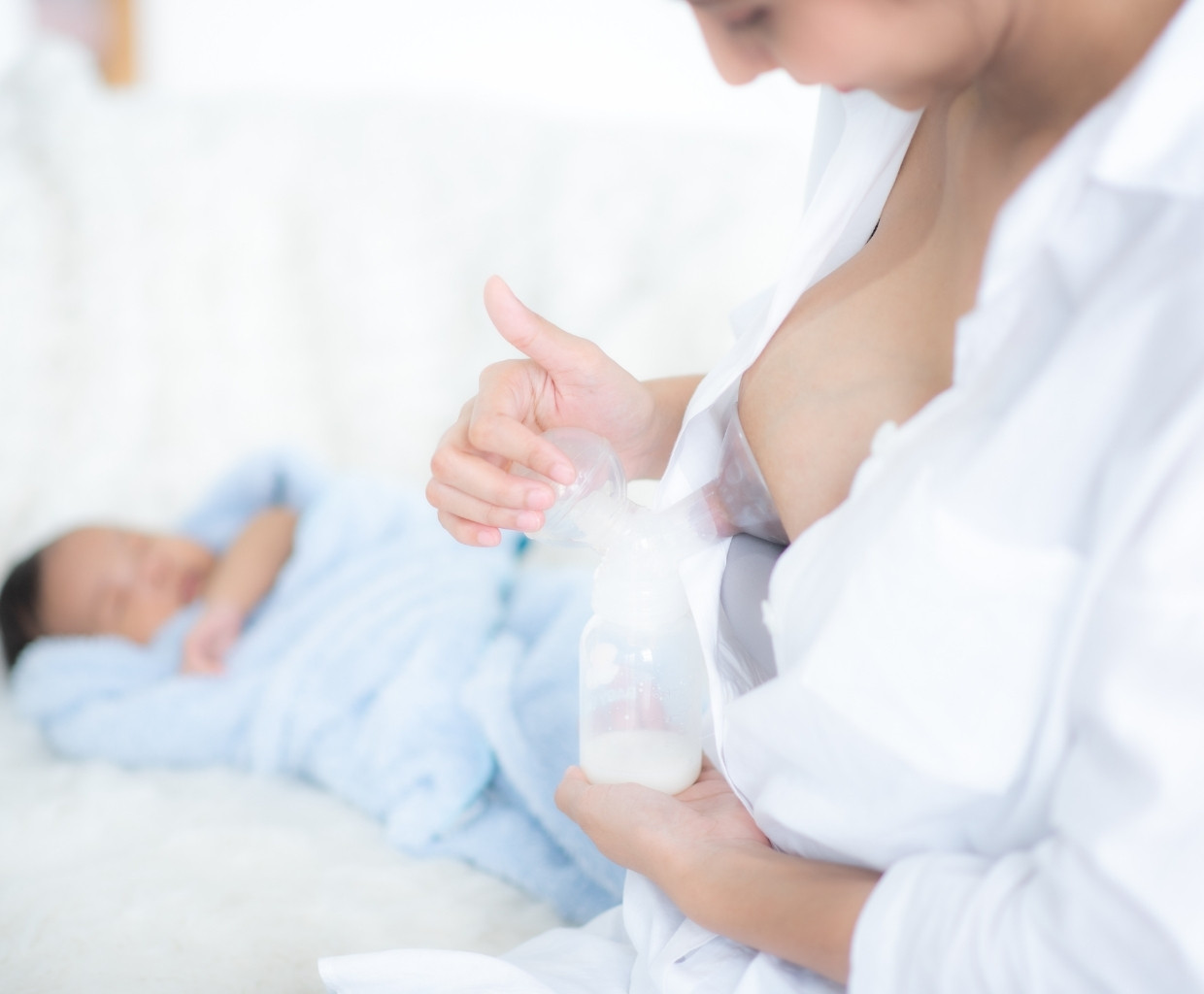
How Long to Pump: Minutes per Session and per Day
How many minutes to pump per session, single vs double pumping, when to stop, and how much time exclusive pumping takes each day at every stage.
Wearable Breast Pump: How They Work, Pros and Cons, and Fit
An honest guide to wearable breast pumps: how they work, how they compare with traditional pumps, flange fit, cleaning and who they suit best.
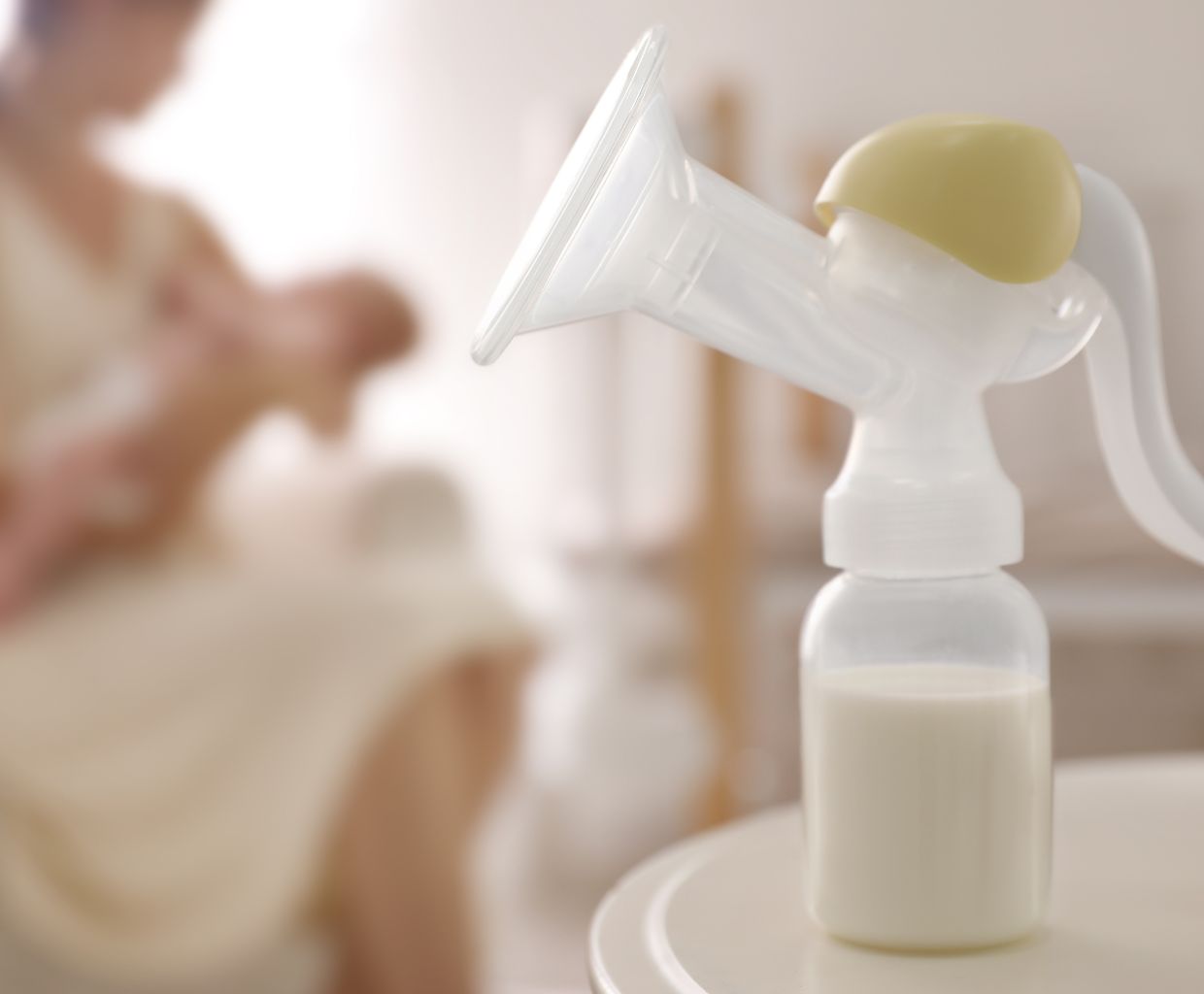
Pumping Schedule: Sample Plans for Every Situation
Sample pumping schedules in easy tables for exclusive pumping, building a stash while nursing, going back to work and 12-hour shifts.
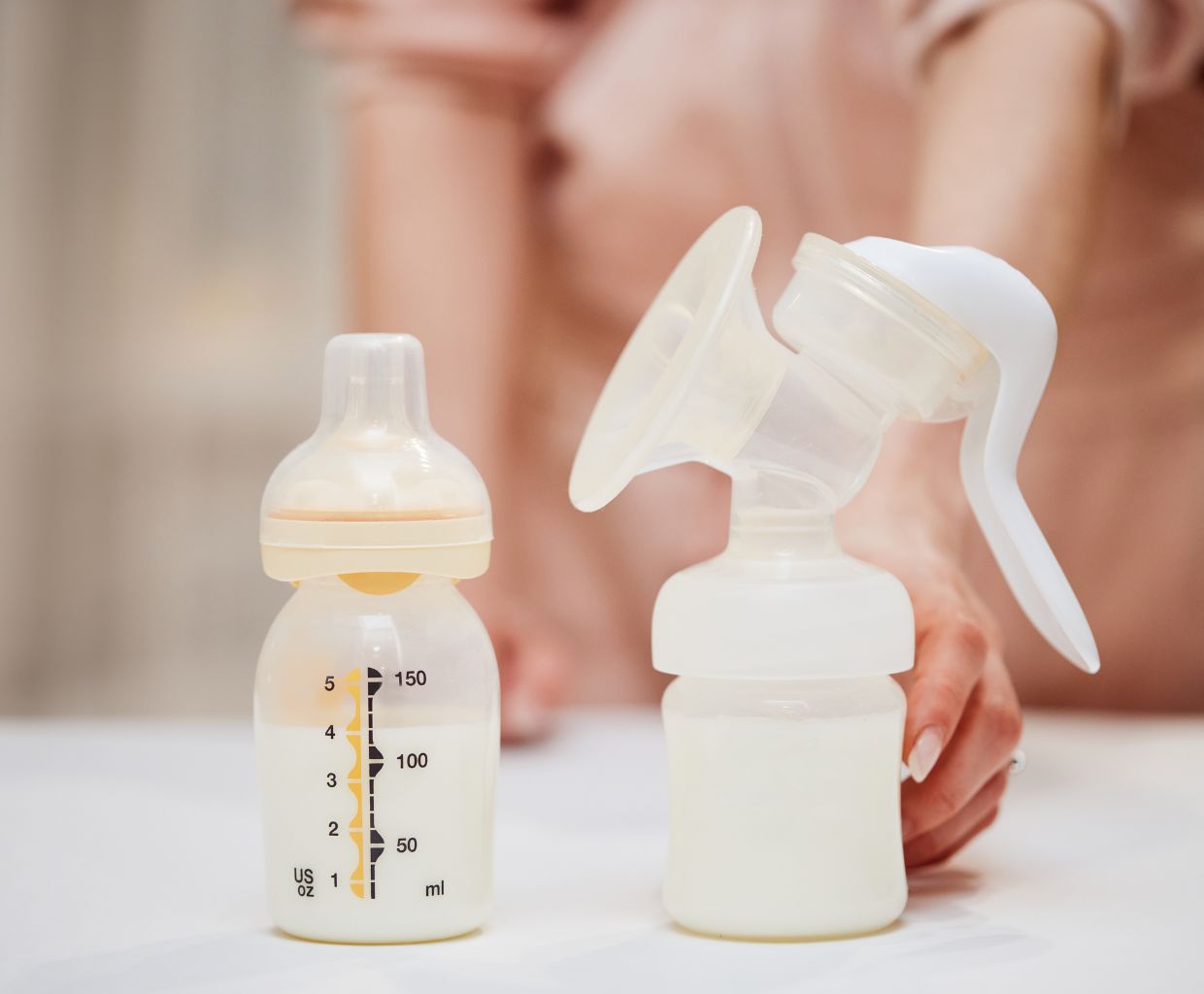
Manual Breast Pump: Lever vs Silicone Pumps and How to Use One
How manual breast pumps work, lever vs silicone suction pumps, who they suit, how to use one step by step and how to keep the parts clean.