Pumping Essentials: A Checklist for Home, Work and Exclusive Pumping
By Breastfeeding Mom Editorial TeamUpdated 6 min read

Shopping lists for pumping can get long fast. The good news is that the things that really matter fit on one page: a pump that suits your routine, parts that fit and work, a safe way to store milk and a simple cleaning setup. The rest is nice to have.
This checklist covers what you need whether you pump now and then, at work, or exclusively, with what the CDC and FDA say about each item.
The pump itself
The FDA says there’s no single right pump: the right one depends on how you’ll use it. Its checklist asks:
- How often will you pump? Occasionally alongside breastfeeding, or several times a day at work or as an exclusive pumper?
- How much time do you have? The FDA notes that battery or electric pumps may be faster, and a double pump (both breasts at once) may cut pumping time.
- Where will you pump? Manual and battery pumps are easier to carry; plug-in pumps need an outlet.
- Are the instructions easy to follow? Choose a pump you can easily put together, use and clean.
Before you buy, check what your health plan covers. The FDA suggests contacting your insurer during pregnancy, and ask what pumps and supplies are included.
Avoid borrowed or secondhand pumps unless they’re designed for multiple users. The FDA considers most breast pumps single-user devices because there’s no way to guarantee they can be cleaned and disinfected between people. The FDA also notes that most stores won’t take a pump back once opened, for health reasons.
Backup plan: The FDA points out that powered pumps need planning for times when electricity or batteries aren’t available. A manual pump, or knowing how to hand express, keeps you going in a power cut or if your pump breaks.
Flanges that fit
The flange (breast shield) is the part that matters most for comfort. The FDA says your nipple should sit comfortably in the center of the opening, without pinching, pulling or irritating your nipple or breast. Many pumps come with only one size, so the FDA suggests checking whether your pump’s maker offers other sizes before you buy.
Measure with our flange size calculator. The FDA says to adjust the breast shield until it feels comfortable; if it still pinches or rubs, the size may be wrong.
Spare parts
Parts wear out, so keep on hand:
- Spare valves and membranes. The CDC notes that milk getting into the tubing can be a sign the valves or membranes need replacing.
- A spare set of tubing. The CDC recommends keeping one in case yours gets soiled or damaged, and says to throw out tubing that has milk or mold in it.
- Extra bottles or collection cups, so you’re not washing in a hurry between sessions.
Check every part for cracks and wear when you clean it. Our pump part replacement schedule helps you track when each part was last replaced.
Milk storage supplies
The CDC’s storage guidance shapes this list:
- Storage bags made for breast milk, or clean food-grade glass or plastic containers with tight lids. The CDC says never to use disposable bottle liners or plastic bags not meant for breast milk. See our guide to breast milk storage bags.
- Labels and a marker. Label each container with the date it was expressed, and add your child’s name if milk goes to childcare.
- Small portions. The CDC suggests freezing 2 to 4 oz (60 to 120 ml) or the amount your baby takes at one feeding, leaving about an inch (2.5 cm) of space at the top.
- An insulated cooler with frozen ice packs. The CDC says milk can be kept this way for up to 24 hours when traveling. Our breast milk cooler guide covers what to look for.
Cleaning supplies
The CDC says germs can grow quickly in breast milk residue left on pump parts. Your cleaning kit:
- Dish soap. The CDC says any dishwashing soap works, but not antibacterial soap.
- A wash basin and bottle brush, if you use them, kept for this job. The CDC says to rinse and air-dry them after each use and wash them every few days. Check your pump’s instructions first, because the CDC notes that scrubbing with a brush can damage some parts.
- A clean place to air-dry, such as a drying rack, a clean paper towel or an unused dish towel. Both the CDC and FDA say not to rub or pat parts dry with a cloth towel.
- A way to sanitize at least daily if your baby is under 2 months, premature or has a weakened immune system: a steam system, a pot for boiling for 5 minutes, or a dishwasher with hot water and a heated drying or sanitize cycle, following your pump maker’s instructions.
- Sealable food storage bags to keep the clean, dry kit protected, as the CDC suggests.
- Disinfectant wipes for the dials, power switch and countertop if you use a shared pump.
The step-by-step routine is in our guide to cleaning breast pump parts.
Pumping at work
Pack your pump, parts, storage bags, labels, cooler and ice packs, plus a sealable bag for used parts and a spare set if you can’t wash between sessions. The CDC says that if you can’t wash parts after each session, you can rinse them and refrigerate them in a sealed bag for a few hours, but it stresses that refrigeration doesn’t stop bacteria from growing and no studies show this is a safe alternative to washing every time.
You also have rights. Under the federal Fair Labor Standards Act, as extended by the PUMP Act, the Department of Labor says most employees are entitled to reasonable break time and a place, other than a bathroom, that is shielded from view and free from intrusion, for up to one year after the child’s birth. There are some exceptions, such as airline crewmembers, and employers with fewer than 50 employees are exempt if compliance would impose an undue hardship. Our pumping at work guide covers how to plan with your employer.
Nice to have, not essential
- A hands-free pumping bra. It holds the flanges in place so your hands are free while you pump. See our pumping bra guide.
- Pump wipes. Useful on the go, but the CDC and FDA say they don’t replace washing parts with soap and water.
- A bag that fits everything, a water bottle and a snack.
- A photo of your baby. The FDA notes some parents find it helps to look at one while pumping.
Before you start: a quick routine
The FDA and CDC recommend washing your hands with soap and water before pumping (the CDC accepts an alcohol-based hand sanitizer with at least 60% alcohol if soap isn’t available). The CDC also says to check your kit and tubing for mold, and the FDA says to start on the lowest suction setting. The FDA says a typical session lasts about 10 to 15 minutes per breast, but to pump only as long as it’s comfortable and productive. To plan your sessions, try our pumping schedule generator.
When to call a lactation consultant or doctor
Get help from an IBCLC, your midwife or your doctor if pumping hurts, your nipples are cracked or bleeding, you can’t find a flange that fits comfortably, or your output drops and you can’t see why. See your doctor if you have a red, painful area of the breast with fever or chills. Our pumping hub has more guides on supply, schedules and equipment.
Shop on Amazon
Shop what this guide covers
Paid links: as an Amazon Associate we earn from qualifying purchases, at no extra cost to you. Links never change what we recommend. Disclosure
Frequently asked questions
Can I use a secondhand breast pump?
The FDA considers most breast pumps single-user devices and says only pumps designed for multiple users should be shared, because there is no way to guarantee a single-user pump can be cleaned and disinfected between people. If you rent a pump made for multiple users, the FDA says each renter is required to buy a new accessories kit that includes breast shields and tubing.
Do I need to sterilize pump parts every day?
The CDC recommends sanitizing at least once a day for extra protection, especially if your baby is under 2 months, was born prematurely or has a weakened immune system. For older, healthy babies, daily sanitizing may not be necessary if parts are carefully cleaned after each use.
Are breast pump wipes enough to clean my parts?
No. The CDC and FDA say wipes can be convenient when you don't have soap and water, but parts that touch breast milk should still be washed with dish soap and warm water before you use them again.
How do I get a breast pump through insurance?
The FDA suggests contacting your health insurer during pregnancy to find out what breastfeeding equipment and support it covers. Some state programs and WIC may also help.
Sources
- CDC: How to Clean and Sanitize Breast Pumpshttps://www.cdc.gov/hygiene/about/about-breast-pump-hygiene.html
- CDC: Breast Milk Storage and Preparationhttps://www.cdc.gov/breastfeeding/breast-milk-preparation-and-storage/handling-breastmilk.html
- FDA: Choosing a Breast Pumphttps://www.fda.gov/medical-devices/breast-pumps/choosing-breast-pump
- FDA: Buying and Renting a Breast Pumphttps://www.fda.gov/medical-devices/breast-pumps/buying-and-renting-breast-pump
- FDA: Cleaning a Breast Pumphttps://www.fda.gov/medical-devices/breast-pumps/cleaning-breast-pump
- FDA: Using a Breast Pumphttps://www.fda.gov/medical-devices/breast-pumps/using-breast-pump
- U.S. Department of Labor: Fact Sheet #73, FLSA Protections for Employees to Pump Breast Milk at Workhttps://www.dol.gov/agencies/whd/fact-sheets/73-flsa-break-time-nursing-mothers
This guide is general information, not medical advice. For your own situation, talk to your doctor, midwife, pharmacist or an IBCLC lactation consultant. Read our medical disclaimer and find breastfeeding support near you.
Related articles
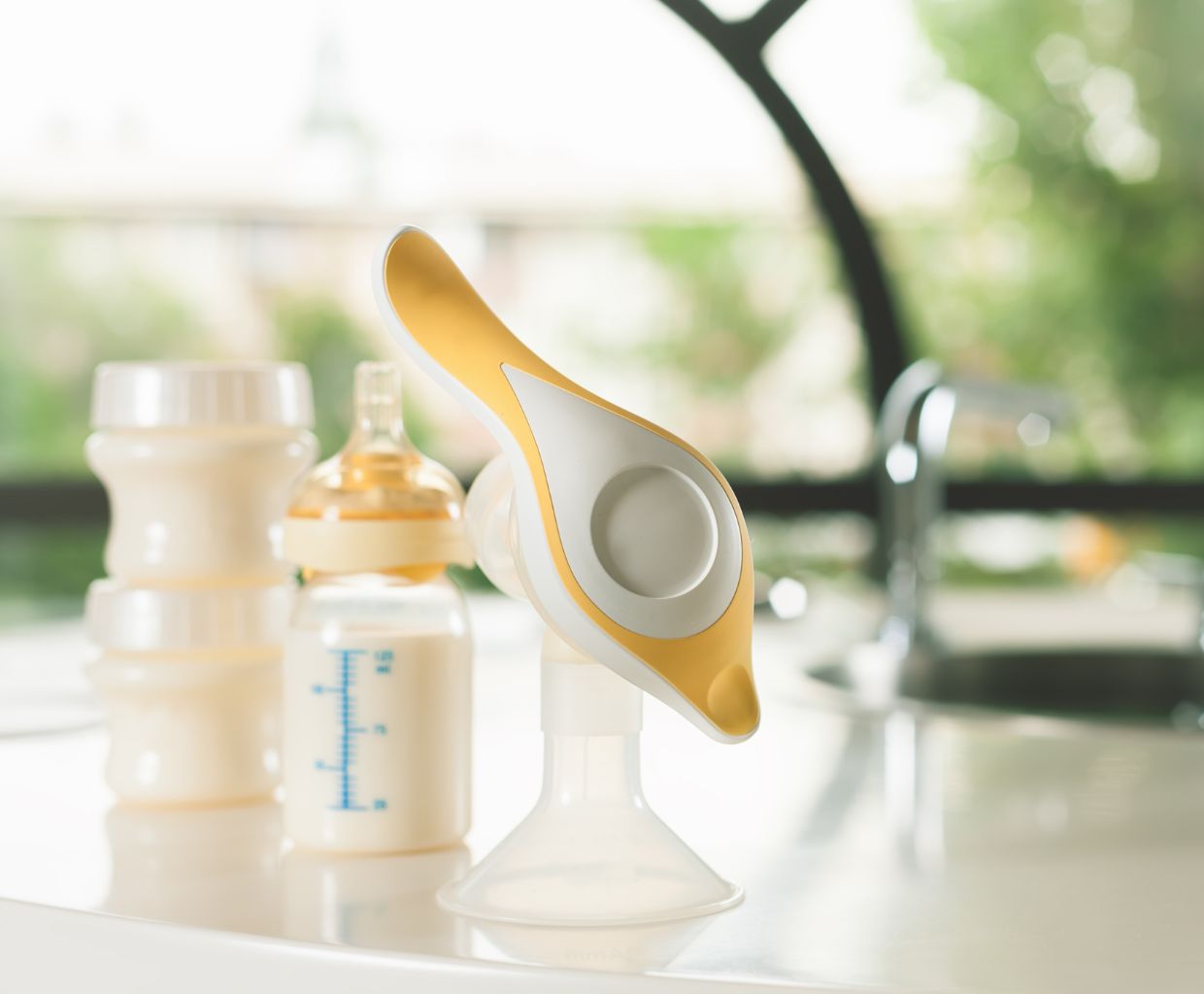
How to Clean Breast Pump Parts: The CDC Steps, Simplified
How to clean breast pump parts the CDC way: washing after every use, sanitizing, air-drying, tubing and mold, the dishwasher and the fridge hack.
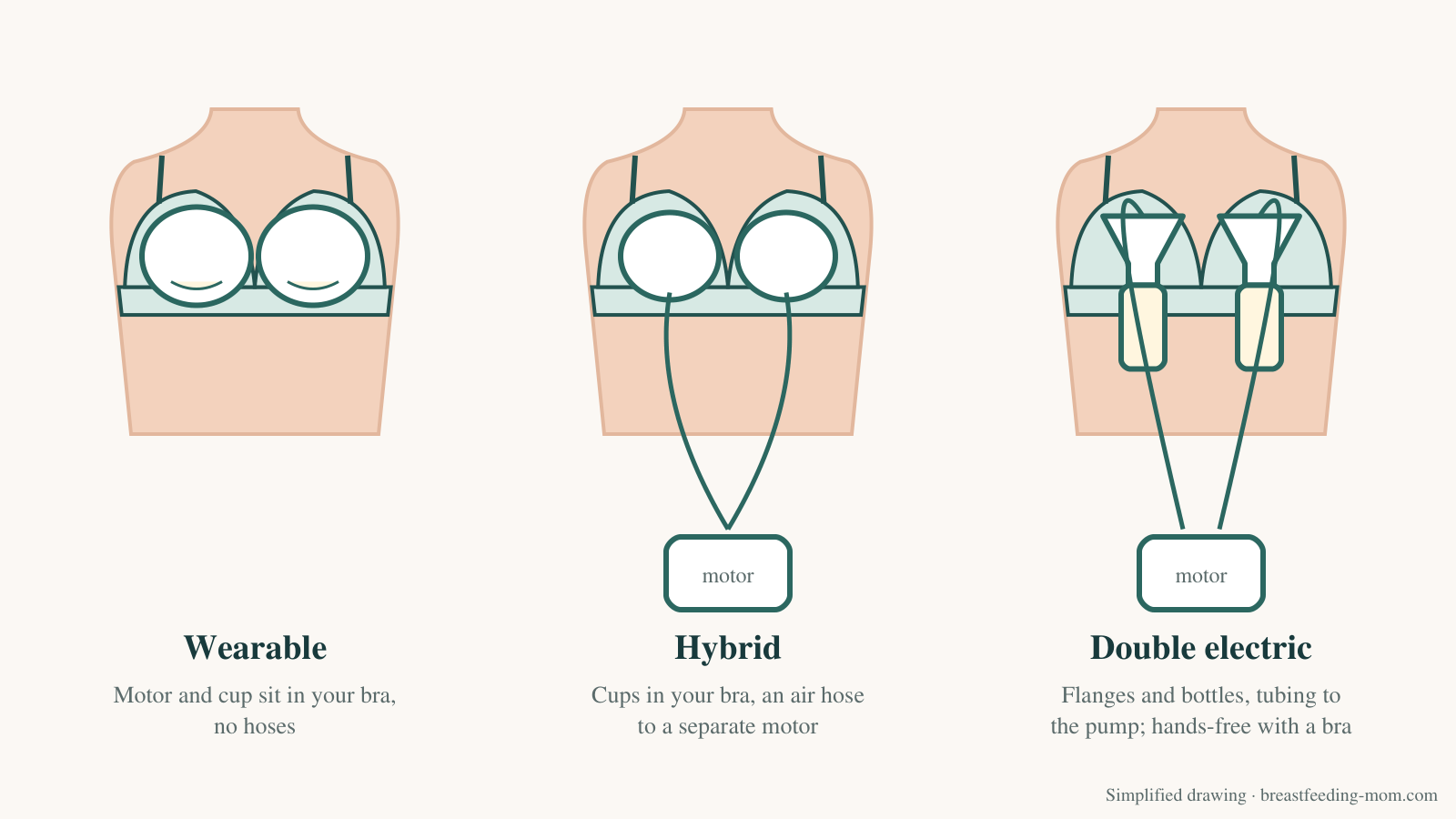
Wearable Breast Pump: How They Work, Pros and Cons, and Fit
An honest guide to wearable breast pumps: how they work, how they compare with traditional pumps, flange fit, cleaning and who they suit best.
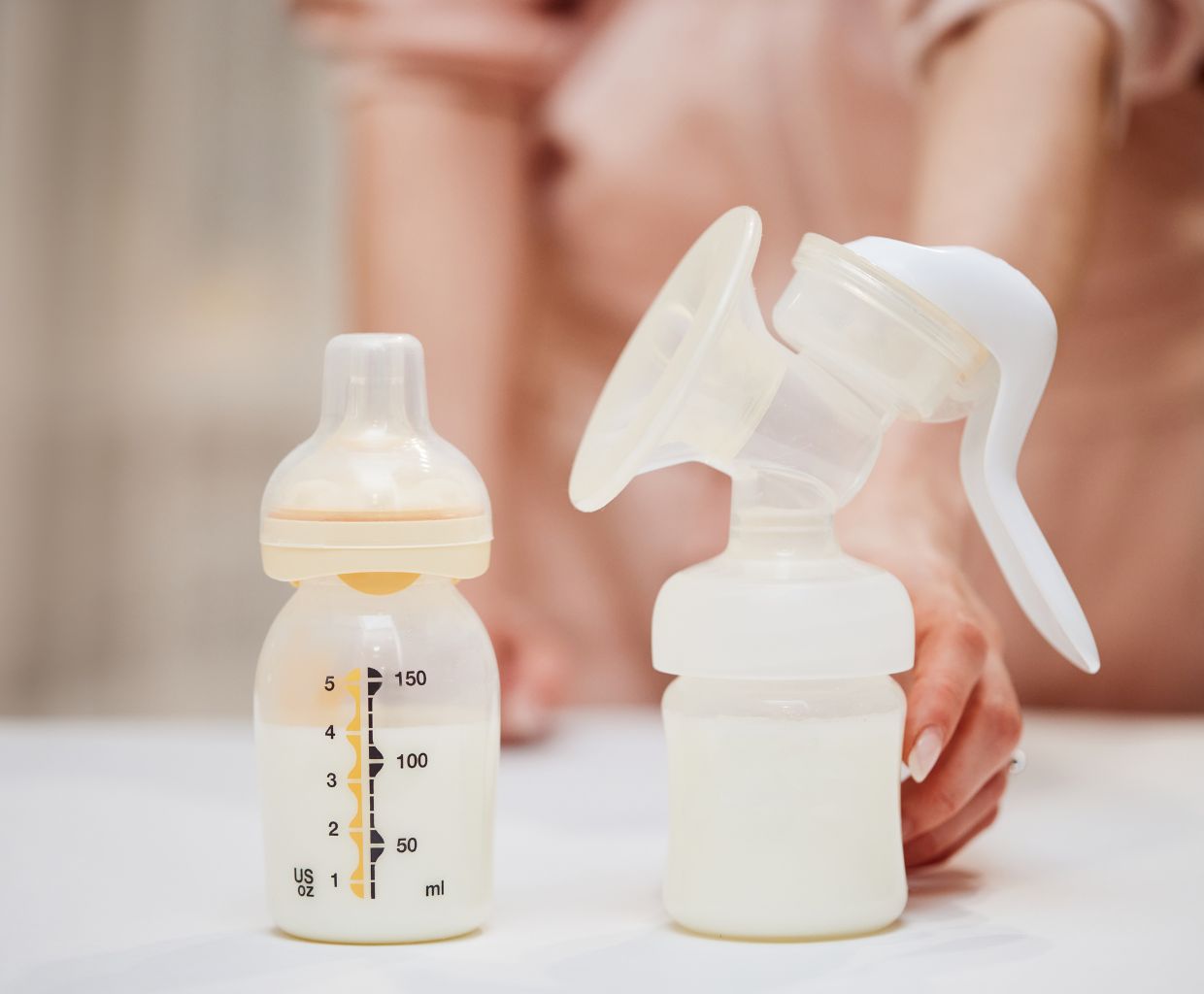
Manual Breast Pump: Lever vs Silicone Pumps and How to Use One
How manual breast pumps work, lever vs silicone suction pumps, who they suit, how to use one step by step and how to keep the parts clean.
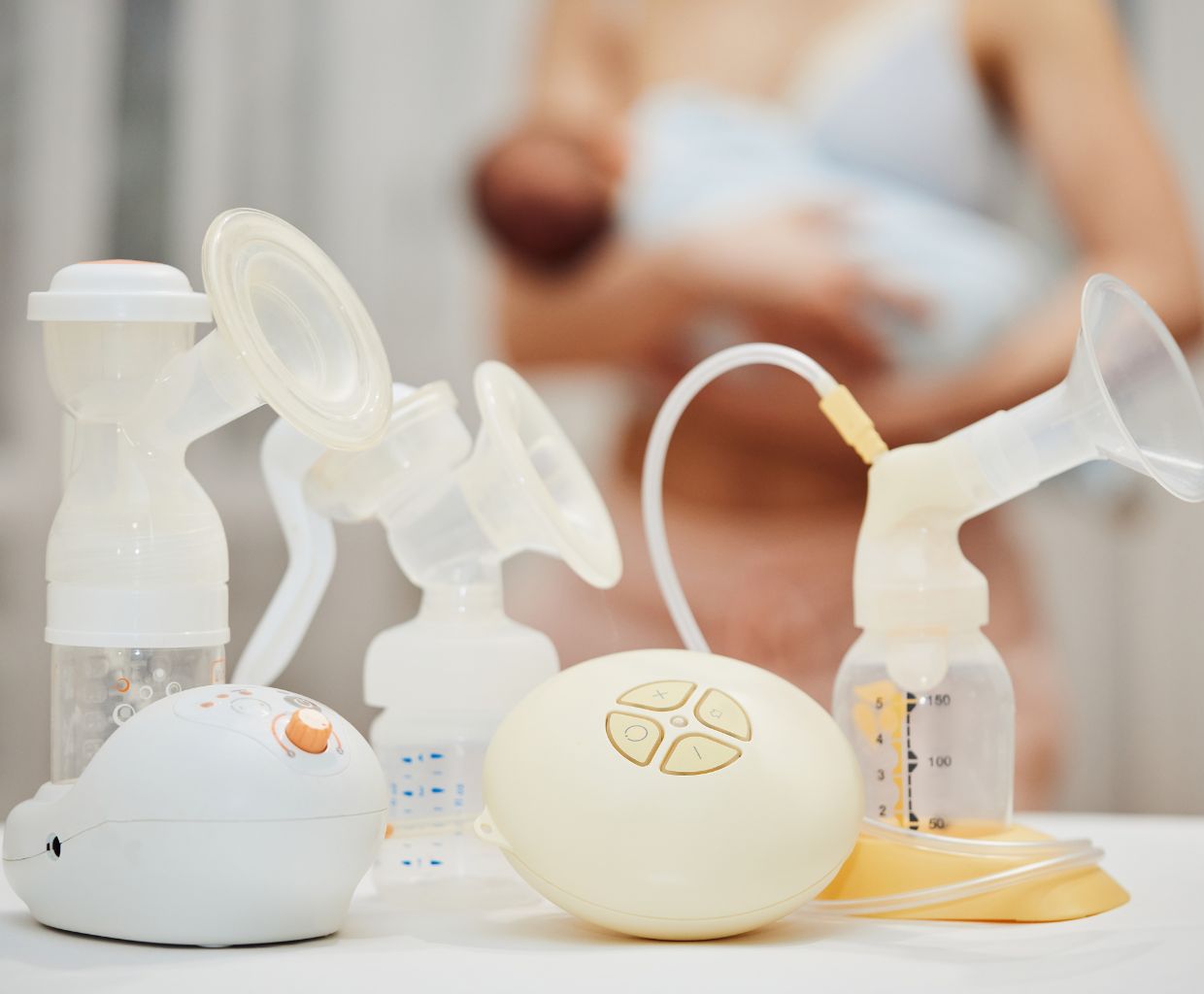
Exclusive Pumping: How to Start, Build and Keep Your Supply
A practical guide to exclusive pumping: how to start after birth, how often to pump, the right equipment, keeping your supply up and getting support.

Pumping at Work: Your Rights, a Plan and Storing Milk
Your rights under the PUMP Act, how to talk to your employer, how often to pump at work, what to pack and how to store breast milk safely on the job.