Pumping Bra: Types, Fit and How to Use a Hands-Free Bra
By Breastfeeding Mom Editorial TeamUpdated 5 min read
Holding two flanges against your chest for 15 or 20 minutes, several times a day, gets old fast. Your arms tire, you can’t do anything else, and many people end up hunched forward over the bottles. A pumping bra solves that by holding the flanges for you.
It’s a simple piece of gear, but the right fit matters for comfort, for milk flow and for your breast health. This guide covers the main types, how a pumping bra should fit and how to use one. We don’t rank or review brands.
What a pumping bra does
A pumping bra has openings, slits or clips at the nipples. You push your pump flanges through the openings, or clip them in, and the fabric holds them against your breasts while the pump runs.
Cleveland Clinic notes that a hands-free pumping bra can hold a pump in place. The University of Reading’s guide to breast pumps points out that with a traditional pump, many people find they have to sit leaning forward with hunched shoulders, and that a special bra that holds the pump is one way around this.
The benefits:
- Free hands for massage and compressions. University Hospitals Sussex NHS Foundation Trust says a hands-free bra can help because it leaves both hands free for massage and breast compressions while you pump.
- Better posture and less strain on your arms, wrists and shoulders.
- Multitasking. La Leche League International (LLLI) suggests a hands-free bra so you can pump while having a video chat with your baby’s caregiver, which can also help your let-down.
Types of pumping bras
| Type | How it works | Good to know |
|---|---|---|
| Band or bustier style | A stretchy band with two openings, usually closed with a zipper or hook-and-loop strip | Worn just for sessions, often over or under your usual bra |
| Nursing and pumping bra | An everyday nursing bra with clips or inner openings for flanges | You can wear it all day, no changing before each session |
| Clip-on adapter | Straps or clips that attach to a nursing bra you already own | Less bulk, but hold depends on your bra’s fit |
| Homemade | An old, soft sports bra with small slits cut at the nipples | Low cost; make sure it isn’t tight and the slits line up |
Which type suits you depends on how often you pump. If you pump several times a day, a nursing and pumping bra saves you from changing clothes each time. If you pump once a day, a simple band style may be enough. If you’re also shopping for everyday bras, our guide to choosing a nursing bra covers fit and support.
How a pumping bra should fit
Snug, not tight. The bra needs to hold the flanges close enough to keep a seal, without gaps. But LLLI warns that a bra that puts too much pressure on your breasts can lead to sore breasts from plugged ducts. If it leaves deep marks or presses on full breasts, it’s too tight. Learn the signs of a clogged milk duct so you can catch one early.
No underwire. LLLI says bras with underwires or other firm structure can contribute to blocked ducts and even mastitis, and are best avoided in the early months.
Openings that line up. The openings should sit right over your nipples, so each nipple is centered in its flange tunnel. If you have to pull the flange sideways to make it fit, the bra or the size isn’t right.
Room for change. Breasts often change size as your supply settles. Adjustable closures, a stretchy band and several hook positions help one bra last longer.
The right flange size. A pumping bra can’t fix a flange that doesn’t fit. Our flange size calculator helps you find a starting size. UH Sussex stresses that getting the breast shield size right is really important.
How to use a pumping bra
- Wash your hands and assemble clean pump parts.
- Put the bra on and close it so it’s snug around your ribs.
- Insert the flanges through the openings or clip them in, then connect the bottles and tubing.
- Center each nipple in its flange and check there’s no gap between your skin and the flange.
- Start the pump at a low setting, then increase suction once milk flows. UH Sussex advises using the highest setting you can tolerate without pain, which isn’t always the maximum.
- Use your hands. Gently massage and compress firm areas of your breasts during the session to help milk keep flowing.
- Lean forward slightly before removing the flanges, so milk drains into the bottles instead of spilling.
Pumping bras and wearable pumps
Wearable breast pumps sit inside a regular bra and don’t need a pumping bra. They do need a well-fitting bra that keeps the cups close to your breasts. The University of Reading guide notes that some people find wearables move in their bra and lose their seal, so a supportive bra can make a real difference.
If you want hands-free pumping with the extra power of a double electric pump, a pumping bra with your regular pump is a good alternative. That matters most if you’re building your supply or exclusively pumping.
What to look for when buying
- Compatibility with your pump’s flanges and with wearable or hybrid cups if you use them
- Soft, stretchy fabric that doesn’t dig in
- Adjustable closures for changing breast size
- Easy on and off, especially if you pump at work. Our guide to pumping at work has more ideas for making sessions quicker.
- Machine-washable fabric, since milk drips happen
- A return policy, in case the fit isn’t right
Caring for your pumping bra
Milk can drip onto the fabric, so wash your pumping bra often, following the care label. Many people keep two in rotation. Check that the fabric around the openings hasn’t stretched out, because a loose opening won’t hold the flanges securely.
When to get help
Contact a lactation consultant (IBCLC) or your doctor if:
- Pumping is painful, even with the bra and a correct flange size
- You get sore, cracked or bleeding nipples
- You notice a tender lump, redness or warmth in your breast, or you have a fever
- Your output drops after switching to hands-free pumping
A lactation consultant can watch a session and check both your flange size and how the bra holds the flanges. For more on equipment and schedules, browse our pumping guides.
Frequently asked questions
Can I wear a pumping bra all day?
Some styles are designed as everyday nursing bras with pumping openings, so you can wear them all day. Band or bustier styles are usually worn only during sessions. Whatever you choose, it shouldn't feel tight, especially when your breasts are full.
Do I need a pumping bra for a wearable pump?
Wearable pumps sit inside a regular bra and don't need a pumping bra. They do need a bra that holds the cups close to your breasts, because a loose fit can let the cups shift and lose their seal.
Will any pumping bra work with my pump?
Most fit common flanges, but not all openings suit every flange shape or size. Check the bra's compatibility information and, if possible, try it with your own flanges before you rely on it.
How many pumping bras do I need?
Many people find two useful, so one can be washed while the other is in use, especially if you pump several times a day or at work.
Sources
- Cleveland Clinic: What To Know About Breast Pumpshttps://my.clevelandclinic.org/health/articles/25244-breast-pump
- University Hospitals Sussex NHS Foundation Trust: Helping Your Breastfed Baby to Get All the Milk They Needhttps://www.uhsussex.nhs.uk/resources/helping-your-breastfed-baby-to-get-all-the-milk-they-need-2/
- La Leche League International: Brashttps://llli.org/breastfeeding-info/bras/
- La Leche League International: Working and Breastfeedinghttps://llli.org/breastfeeding-info/working-and-breastfeeding/
- University of Reading: Resources for Supporting Breastfeeding and Return to Paid Work, Mother Guide 6: Breast Pumps (PDF)https://research.reading.ac.uk/workfeed/wp-content/uploads/sites/333/2025/07/Mother-guide-6.pdf
This guide is general information, not medical advice. For your own situation, talk to your doctor, midwife, pharmacist or an IBCLC lactation consultant. Read our medical disclaimer and find breastfeeding support near you.
Related articles
Wearable Breast Pump: How They Work, Pros and Cons, and Fit
An honest guide to wearable breast pumps: how they work, how they compare with traditional pumps, flange fit, cleaning and who they suit best.
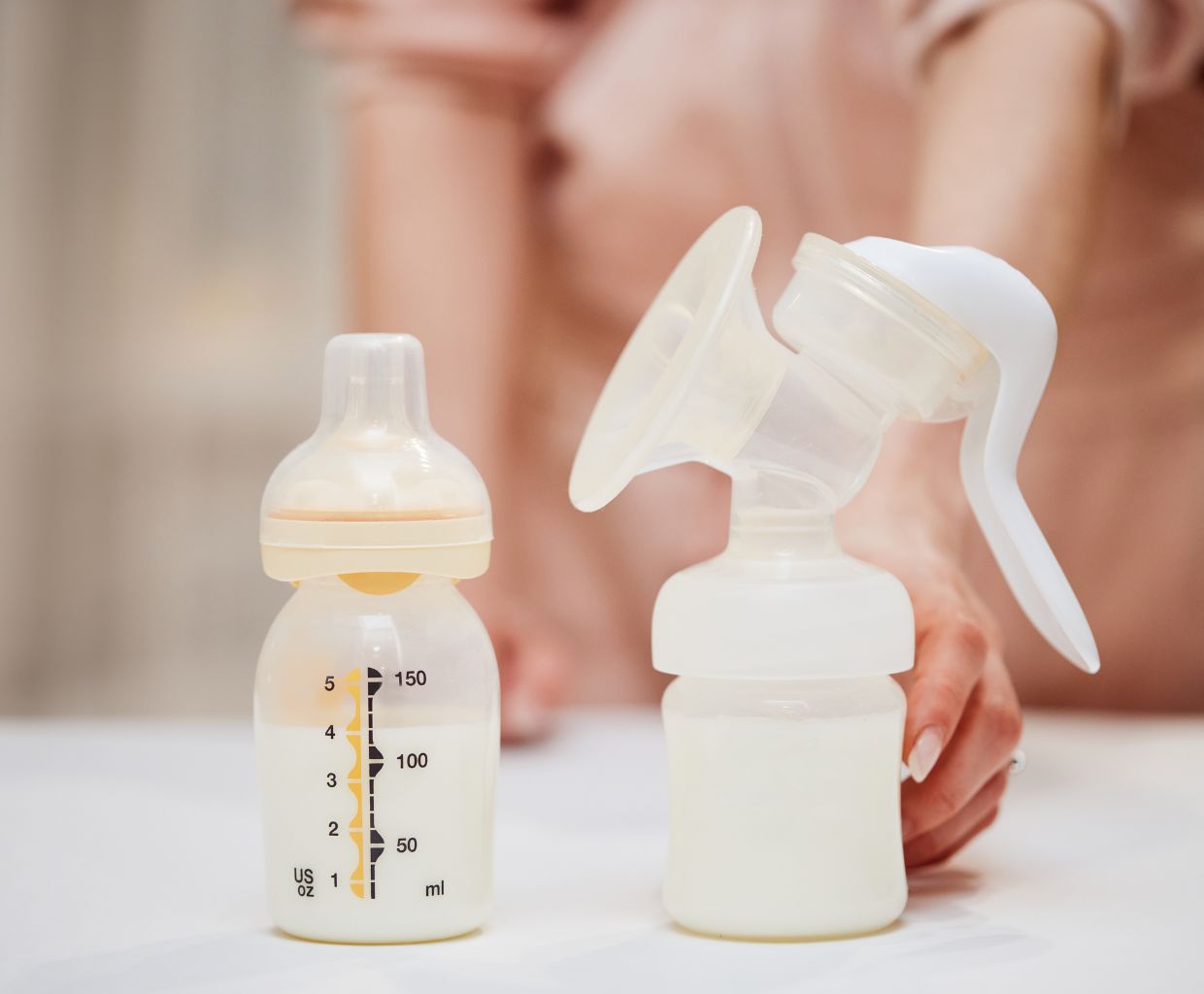
Manual Breast Pump: Lever vs Silicone Pumps and How to Use One
How manual breast pumps work, lever vs silicone suction pumps, who they suit, how to use one step by step and how to keep the parts clean.
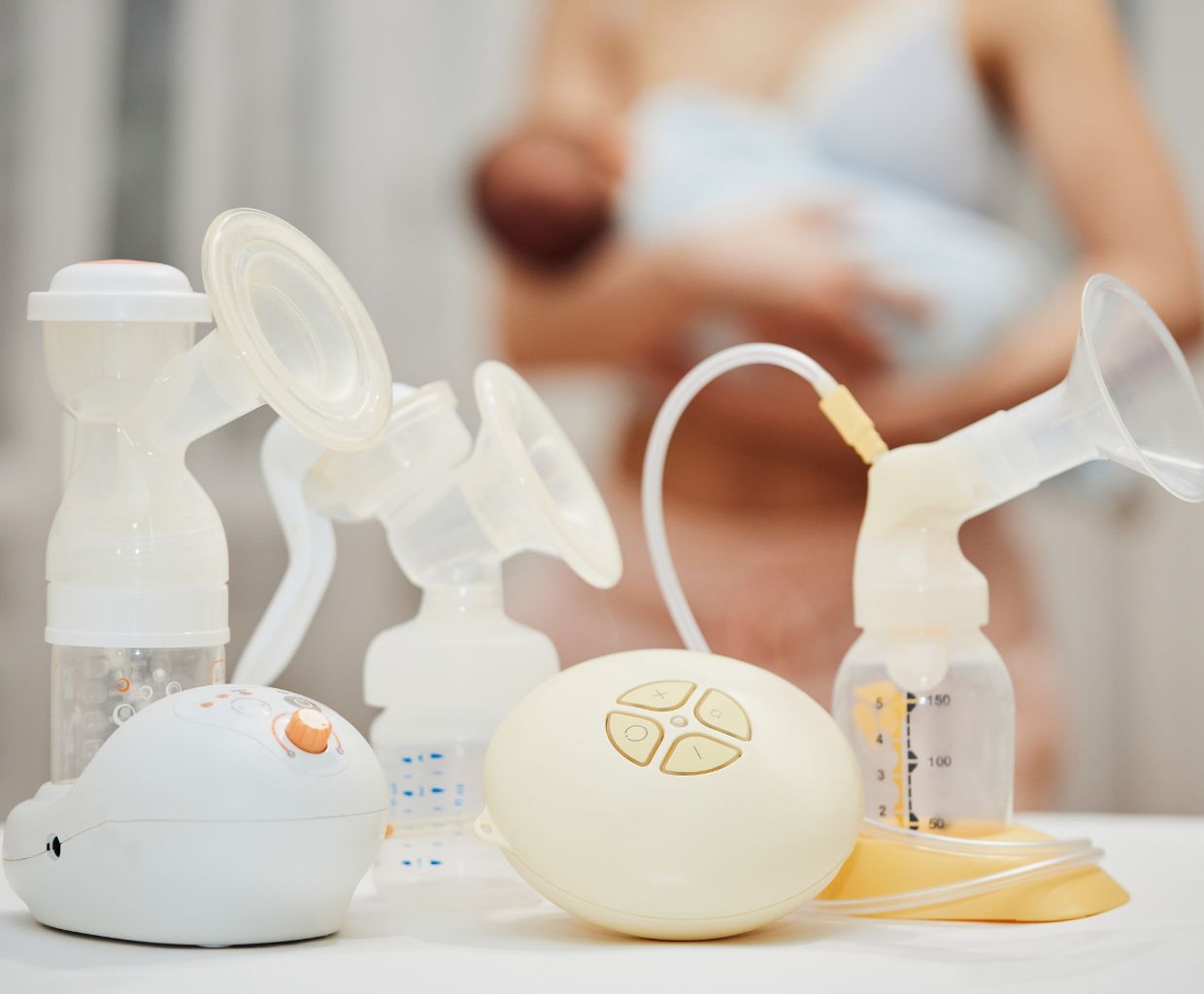
Exclusive Pumping: How to Start, Build and Keep Your Supply
A practical guide to exclusive pumping: how to start after birth, how often to pump, the right equipment, keeping your supply up and getting support.
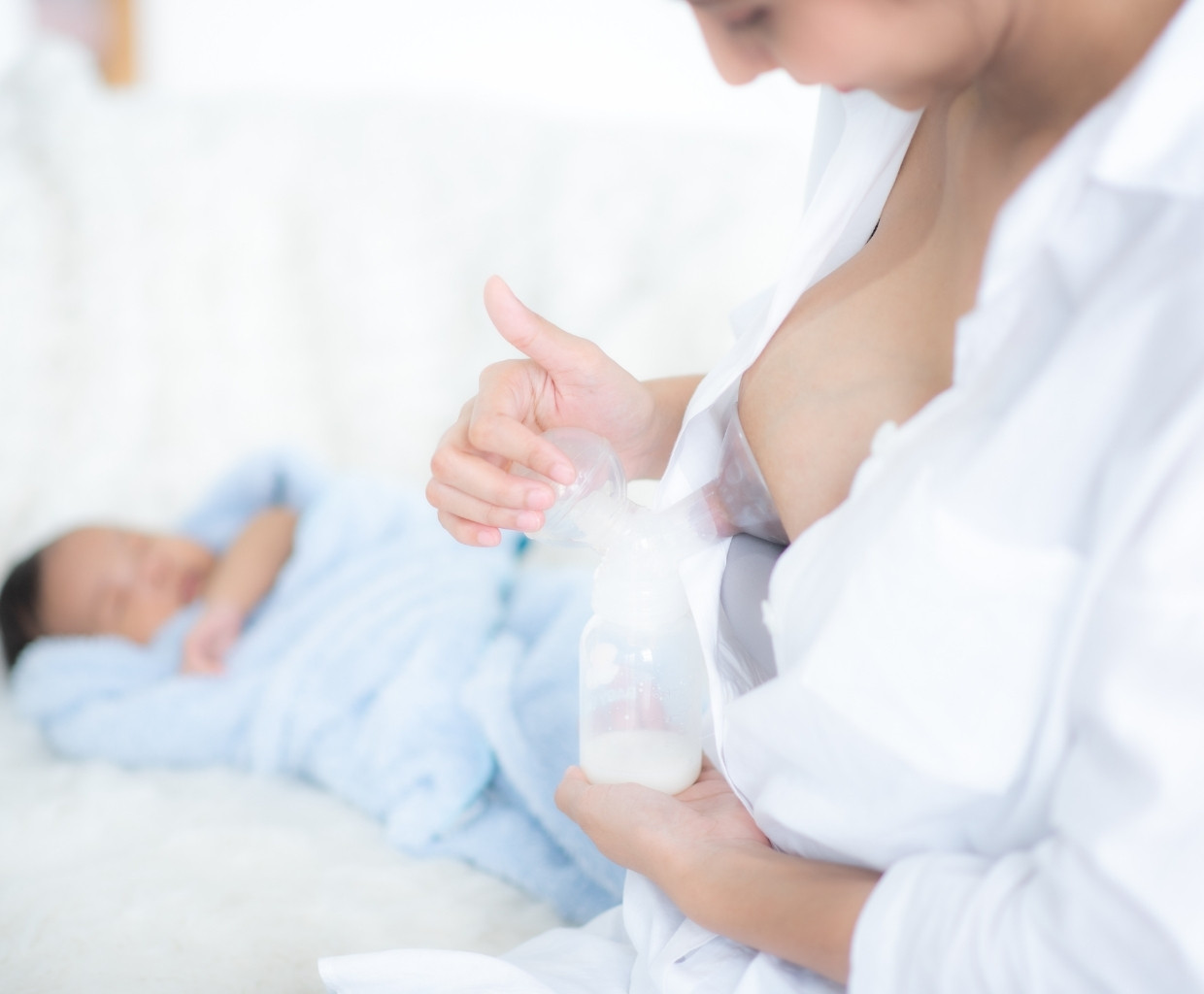
How Long to Pump: Minutes per Session and per Day
How many minutes to pump per session, single vs double pumping, when to stop, and how much time exclusive pumping takes each day at every stage.