Nursing Bra Buying Guide: Fit, Types and When to Buy
By Breastfeeding Mom Editorial TeamUpdated 6 min read

A nursing bra is a bra with cups that open, usually with a clip at the top of each strap, so you can breastfeed without taking the bra off. You don’t strictly need one to breastfeed, but a comfortable, well-fitting nursing bra can make the early weeks easier, especially when your breasts are full and leaking.
This guide walks you through the main types, what a good fit feels like, when to buy, and what the evidence actually says about underwire. We don’t rank brands. The right bra is the one that fits your body and your routine.
Do you need a nursing bra?
Not necessarily. La Leche League International (LLLI) notes that a bra can help support full breasts during the first 2 to 6 weeks, and many people like one at night to hold breast pads. If you normally go without a bra, you don’t need to start wearing one because you’re breastfeeding. Regular bras also work if they’re comfortable and not tight.
Where a nursing bra helps is convenience. The AAP points out that nursing bras with front flaps you can undo with one hand let you breastfeed while supporting your baby with the other.
Types of nursing bras
| Type | Good for | Things to know |
|---|---|---|
| Soft-cup (wire-free) | Everyday wear, early weeks | Most flexible as your size changes; less shaping |
| Sleep or lounge bra | Nights, holding breast pads | Very stretchy; usually pull-aside rather than clip-down |
| Molded or padded cup | Wearing under fitted clothes | Hides leaks and pads; check the cup isn’t too rigid |
| Nursing sports bra | Exercise | Look for easy-open cups; avoid very tight compression |
| Underwire nursing bra | Extra lift for some larger cup sizes | Fit must be perfect; see the underwire section below |
| Nursing and pumping combo | Pumping as well as nursing | Holds flanges for hands-free pumping; see our pumping bra guide |
How the cups open
- Clip-down cups: A clip near the top of the strap lets the cup fold down. Try opening and closing it with one hand before you buy.
- Pull-aside or crossover: The fabric simply moves to the side. Simple and comfortable, especially for sleep.
- Full-drop vs partial-drop: Some cups drop all the way, others leave a sling of fabric for support. A full drop gives your baby more room and helps you see the latch.
How a nursing bra should fit
The AAP says a nursing bra should support your enlarged breasts comfortably and should never be tight or constricting. LLLI’s advice is simple: let comfort be your guide. Use these checks:
- Band: Snug enough to give support, but you can slide two fingers under it. Breastfeeding bras often have extra hook rows so you can loosen it in the early weeks and tighten it as your body changes.
- Cups: No gaping and no spilling over the edge. Lean forward when you put the bra on so all of your breast tissue sits inside the cup, with nothing pinched under the edge.
- Room to grow: Your breasts can be noticeably fuller just before a feed than just after. Check the fit when you’re at your fullest. LLLI recommends making sure night bras are big enough or stretchy enough for your breasts to fill overnight.
- No pressure points: Seams, edges, elastic and wires shouldn’t dig into breast tissue anywhere, including near your armpit.
- Easy opening: You should be able to open and close the cup with one hand while holding your baby.
Signs a bra is too tight include red marks, a sore or tender area in the same spot, or a firm, tender lump. Those can be early signs of a clogged milk duct, so loosen or switch bras right away.
When to buy a nursing bra
Your breast size changes a lot in late pregnancy, when your milk comes in, and again once your supply settles. The AAP notes it’s difficult to predict what size you’ll need, and suggests buying one or two during pregnancy so you have them for the hospital, then getting fitted after birth.
A practical plan many parents use:
- Late pregnancy: Buy one or two soft, stretchy bras that fit now and have some give. Keep the receipts.
- The first days after birth: Your breasts often feel much fuller when breast milk comes in, around days 2 to 5. Stretchy styles cope best with this phase and with engorged breasts.
- A few weeks after birth: Once your supply has settled, get measured again and buy the rest of what you need.
How many do you need?
There’s no official number. Many parents find two or three daytime bras (one to wear, one in the wash, one spare) plus one or two sleep bras is enough, but it depends on how much you leak and how often you do laundry.
The underwire debate: what the evidence says
You’ll hear both “never wear underwire while breastfeeding” and “underwire is fine.” Here’s where the evidence actually stands:
- What expert groups advise: LLLI says bras with underwire or other firm structure can contribute to blocked ducts and even mastitis, so they’re best avoided in the early months. Its mastitis page also notes that some bras, particularly those with underwires, may put too much pressure on areas of the breast.
- What the NHS says: If you have mastitis, wear a comfortable, supportive bra and avoid tight-fitting clothing or bras until you feel better.
- What the research shows: We couldn’t find good-quality studies showing that underwire itself causes blocked ducts or mastitis. The advice is based on expert experience and a sensible mechanism: sustained pressure on breast tissue can stop milk draining from that area. That pressure can come from a wire, but also from a tight band, a seam, a bag strap or a too-small cup.
The practical takeaway: Fit and pressure matter more than the label. In the first weeks, while your size changes from day to day, a soft wire-free bra is the lower-risk choice. If you later want an underwire for support, make sure the wire sits on your rib cage behind the breast, not on breast tissue, and fits at your fullest. If you’ve had repeated blocked ducts or mastitis, it’s reasonable to avoid underwire and anything firm, and to ask a lactation consultant to check your fit.
What to look for when you shop
- Soft, breathable fabric such as cotton blends, especially if your nipples are sensitive.
- Stretch in the cup so it adapts to fullness before and after feeds.
- Several band hook rows and adjustable straps.
- One-handed clips that you can open easily, without fiddly hooks.
- Room for breast pads if you leak.
- Wide, comfortable straps if you have larger breasts or back ache.
For more help with the early weeks, see our breastfeeding basics hub.
When to call a doctor or lactation consultant
Contact your doctor or midwife if you have a red, hot or painful area on your breast with fever, chills or flu-like symptoms, or a lump that doesn’t get better within a few days. These can be signs of mastitis or another problem that needs care.
A lactation consultant (IBCLC) can help if you get repeated blocked ducts, have nipple pain, or struggle to find a bra that fits comfortably. Our breastfeeding support page lists where to find one.
Frequently asked questions
Do I have to wear a bra while breastfeeding?
No. La Leche League notes that many people find a bra helpful in the first weeks, when breasts are full and leaking is common, but once things settle you can go without one whenever you like.
Can I sleep in a nursing bra?
Yes, if it's soft, stretchy and not tight. A sleep bra can hold nursing pads in place overnight. Make sure it has room for your breasts to fill between night feeds.
Can I just use my regular bras?
You can, as long as they fit comfortably and aren't tight. Nursing bras are simply more convenient because the cups open without taking the whole bra off.
How do I wash a nursing bra?
Follow the care label. Washing in a laundry bag on a gentle cycle and air drying usually helps elastic and clips last longer.
Sources
- La Leche League International: Brashttps://llli.org/breastfeeding-info/bras/
- La Leche League International: Mastitis and Sore Breastshttps://llli.org/breastfeeding-info/mastitis/
- HealthyChildren.org (AAP): Nursing Supplieshttps://www.healthychildren.org/English/ages-stages/baby/breastfeeding/pages/Nursing-Supplies.aspx
- NHS: Mastitishttps://www.nhs.uk/conditions/mastitis/
This guide is general information, not medical advice. For your own situation, talk to your doctor, midwife, pharmacist or an IBCLC lactation consultant. Read our medical disclaimer and find breastfeeding support near you.
Related articles

Breastfeeding Cover Guide: Types, Safety and Your Rights
Do you need a breastfeeding cover? Compare types, learn what to look for and how to use one safely, and know your legal right to nurse in public.
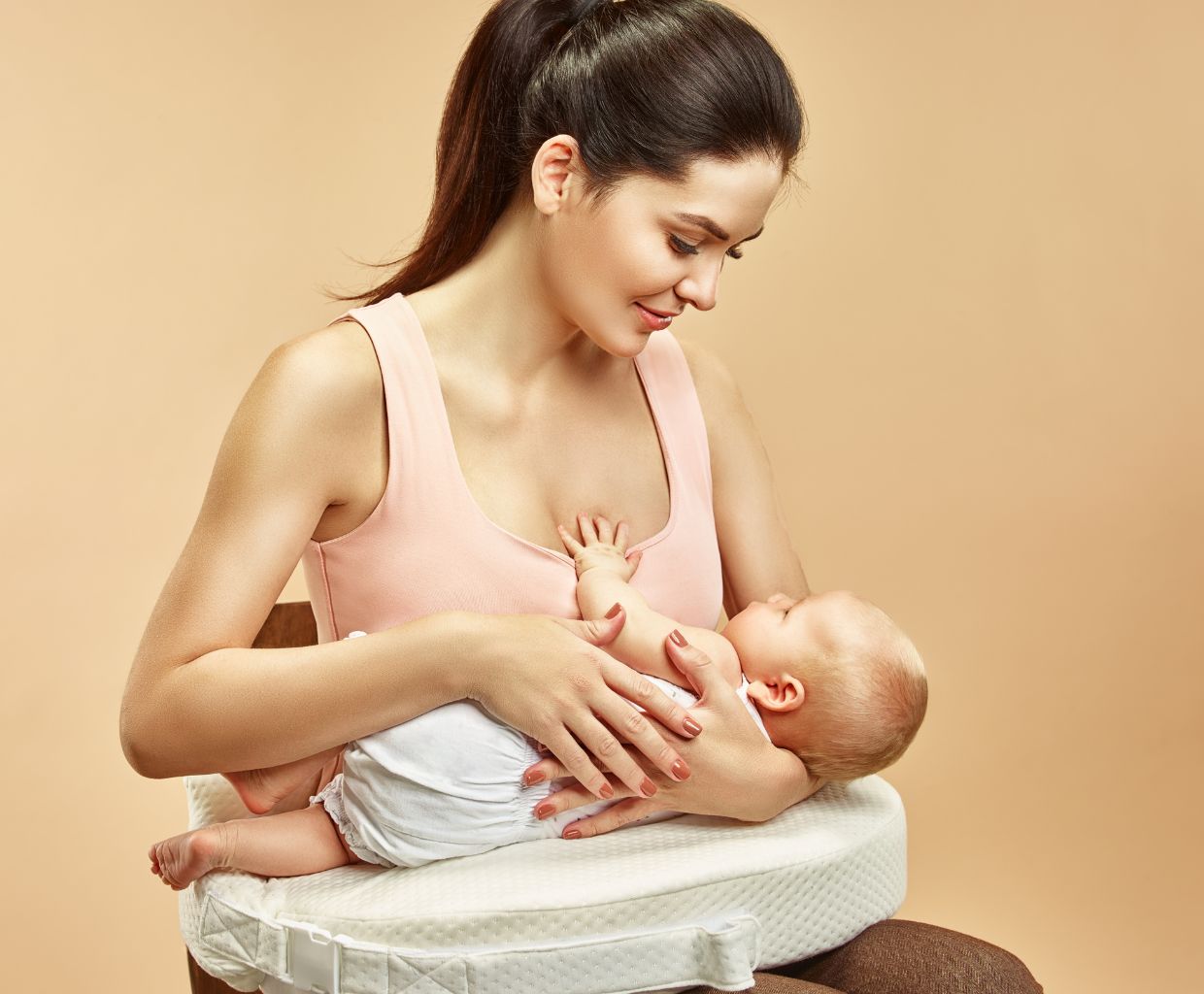
Breastfeeding Pillow Guide: How to Choose and Use One Safely
How to choose a breastfeeding pillow, the main shapes and features, how to use one for a good latch, and the CPSC and AAP rules for safe use.
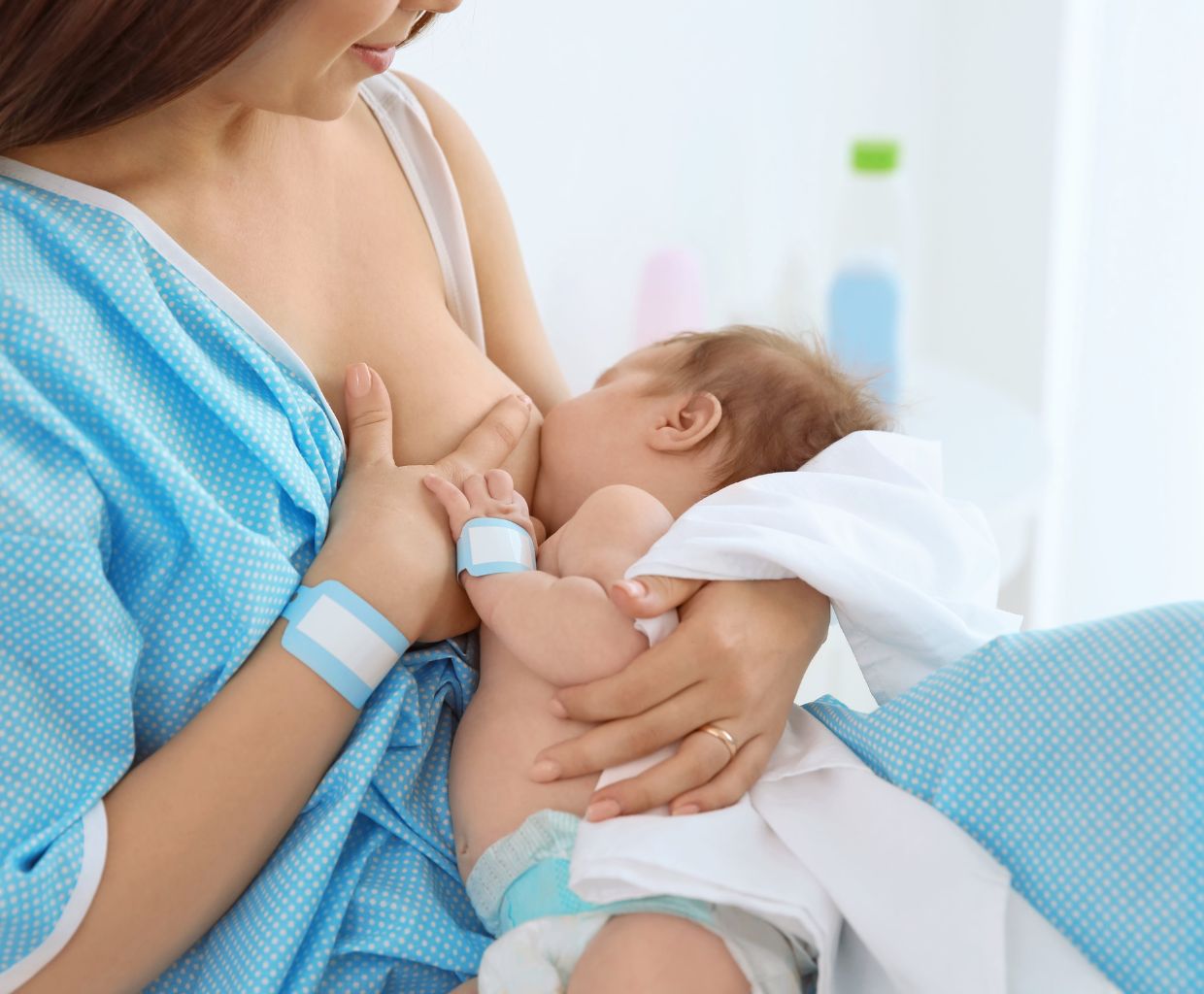
How to Breastfeed: Step-by-Step Latch and the Best Positions
A step-by-step guide to getting a deep, comfortable latch, five breastfeeding positions to try, and the beginner mistakes that are easy to fix.
Pumping Bra: Types, Fit and How to Use a Hands-Free Bra
What a hands-free pumping bra does, the main types, how it should fit, how to use one with your pump and what to look for when you buy.