Nursing Dresses: Access Styles, Fabrics and Fit for Breastfeeding
By Breastfeeding Mom Editorial TeamUpdated 6 min read

A nursing dress is a dress with a hidden or easy way to get your breast out for a feed. It can make weddings, work, church or a day out simpler, because you don’t have to pull a dress over your head or unzip it down the back to feed your baby.
You don’t need one, though. This guide explains when a nursing dress helps, how the main access styles compare, and what to check on the fabric, fit and care label. We don’t rank brands or test products; we give you the criteria so you can judge any dress, including ones already in your closet.
Do you need a nursing dress?
The AAP’s page on nursing supplies says outer clothing designed for nursing provides openings for the baby to reach the breast and is a practical idea if you want to nurse discreetly in public. The same page adds that shirts that can easily be lifted up and blouses that unbutton from the bottom up also work quite well, and that special equipment is all extra.
La Leche League says much the same: a loose top that lifts or unbuttons from the waist lets you feed without exposing your breast, because your baby covers the nipple and lower breast. It also mentions special nursing blouses, dresses and shirts with hidden slits and panels, or modifying clothes you already own.
So a nursing dress is worth it mainly when you want to wear a dress, not separates. For everyday wear, many parents manage with tops and a nursing bra underneath.
Nursing dress access styles
Each style trades off speed, coverage and how it looks. Try the opening in the fitting room as if you were feeding: one hand on the fabric, the other arm free.
| Style | How it opens | Good for | Watch out for |
|---|---|---|---|
| Wrap or faux wrap | Pull one side of the crossover neckline aside | Fast access; the tie waist adjusts as your size changes | Can gape when you bend; true wraps can come untied |
| Hidden side zips | Vertical zips under the bust, often under a ruffle or seam | Coverage; looks like a regular dress | Zips can scratch; you need two zips to pump both sides |
| Button front | Buttons from the neckline down | Easy one-handed access from the top | Gaps between buttons; small buttons are slow at night |
| Double layer | A loose top layer lifts to reveal slits in the layer below | Covers your tummy; very discreet | Warmer; more fabric to manage |
| Stretchy V or scoop neck | Pull the neckline down and to the side | Simple and soft | Necklines can stretch out over time |
| Pull-down or drop cup | Built-in shelf or flap at the bust | Combines dress and support | Fit is fixed; less forgiving if your size changes |
La Leche League describes a related trick you can use with any dress: layer a vest or camisole underneath, then lift the outer layer and pull the under layer down (“one up, one down”), which also adds warmth.
Pumping-friendly dresses
If you’ll pump at work or while traveling, check whether the dress lets you reach both breasts at once. A wrap or button front usually does. Single side zips or one nursing slit often don’t, which can mean pumping one side at a time or taking the dress half off.
Pair a pump-friendly dress with a pumping bra that holds the flanges, and you can sit fully dressed while you pump. Our guide to pumping at work covers where and how often to pump during the day.
Fabric and fit as your body changes
Your size can shift a lot in the first weeks. The AAP notes that it is hard to predict your bra size before birth. La Leche League says breasts may be enlarged during pregnancy and when your milk first comes in, and that you may want to wear a well-fitting bra more often during the first 2 to 6 weeks while your milk becomes established.
That makes stretch and adjustability more useful than a tailored fit:
- Choose some stretch in the bust, such as jersey knit or a fabric with a little elastane.
- Look for adjustable features like a tie waist, wrap front or empire seam that sits above your tummy.
- Avoid a tight bust. The NHS advises avoiding tight clothes or bras so milk can flow freely if you have a blocked duct, and not wearing tight-fitting clothing or bras until you feel better if you have mastitis. La Leche League says a bra that puts too much pressure on your breasts may result in sore breasts due to plugged ducts.
- Think about leaks. Busy prints and darker colors hide milk spots better than pale solids or silk. A dress roomy enough for nursing pads underneath helps too.
- Check the length and hem so you can sit on the floor or bend to lift a car seat without worrying.
- Wear it with your feeding setup. Try it on with your nursing bra and, if you use one, a breastfeeding cover, since some dresses work better with one than others.
What to look for when you shop
- One-handed access that you can open and close while holding a doll-sized weight
- Openings on both sides if you pump
- Soft, breathable fabric next to your nipples, without scratchy seams or zip tape at the bust
- Room in the bust for engorgement and a bra with pads
- Sleeves or a style you can layer for cooler days
- Machine-washable fabric that doesn’t need ironing
- A neckline that still looks right after you’ve opened it a few times
Washing and care
You’ll wash nursing clothes often, because milk and spit-up stains are part of the deal. Follow the care label, close zips before washing so they don’t snag, and wash stains soon. La Leche League suggests rinsing nursing bras thoroughly to remove laundry detergent residue, and notes that soaps and similar products can dry your nipples. The same idea applies to any fabric that sits against your breast, so an extra rinse cycle is a simple habit if your skin feels irritated.
You’ll find more guides for the early weeks in our breastfeeding basics hub.
When to call a doctor or lactation consultant
Clothing can’t fix a breastfeeding problem, but pain sometimes shows up first as “this dress feels too tight.” Contact your doctor, midwife or a lactation consultant (IBCLC) if:
- You have a tender lump in your breast that doesn’t ease after a day or so. Our clogged milk duct guide explains what helps.
- Part of your breast is swollen, hot and painful, or you feel unwell with flu-like symptoms. The NHS lists these as signs of mastitis and advises seeing a doctor if symptoms do not improve 12 to 24 hours after treating them at home.
- Your nipples are sore, cracked or bleeding, or feeds hurt.
- Your breast or nipple pain doesn’t go away. The NHS notes that pain can sometimes be caused by a bacterial, viral or fungal infection.
Shop on Amazon
Shop what this guide covers
Paid links: as an Amazon Associate we earn from qualifying purchases, at no extra cost to you. Links never change what we recommend. Disclosure
Frequently asked questions
Can I wear a regular dress while breastfeeding?
Yes, if it gives you easy access. Wrap dresses, button-front dresses and stretchy V-necks often work. A dress with a back zip or a high fixed neckline usually means lifting the whole dress, which is hard in public.
Should I buy nursing dresses before the baby arrives?
Buy one or two at most. The AAP notes it is hard to predict your bra size before birth, and La Leche League says breasts may be enlarged when milk first comes in. Stretchy or adjustable styles are the safest bet before birth.
Are maternity dresses and nursing dresses the same?
Not always. A maternity dress has room for a bump; a nursing dress has an opening for feeds. Many are sold as both, so check the description for zips, slits or a wrap front.
What should I wear under a nursing dress?
A nursing bra that opens with one hand, plus nursing pads if you leak. La Leche League notes it is easiest to feed discreetly if the bra can be pulled up or unfastened and refastened with one hand.
Sources
- HealthyChildren.org (AAP): Nursing Supplieshttps://www.healthychildren.org/English/ages-stages/baby/breastfeeding/pages/Nursing-Supplies.aspx
- La Leche League International: Discreet Breastfeedinghttps://llli.org/breastfeeding-info/discretion/
- La Leche League International: Brashttps://llli.org/breastfeeding-info/bras/
- La Leche League International: Breastfeeding with Sore Nippleshttps://llli.org/breastfeeding-info/breastfeeding-sore-nipples/
- NHS: Breast pain and breastfeedinghttps://www.nhs.uk/baby/breastfeeding-and-bottle-feeding/breastfeeding-problems/breast-pain/
- NHS: Mastitishttps://www.nhs.uk/conditions/mastitis/
This guide is general information, not medical advice. For your own situation, talk to your doctor, midwife, pharmacist or an IBCLC lactation consultant. Read our medical disclaimer and find breastfeeding support near you.
Related articles
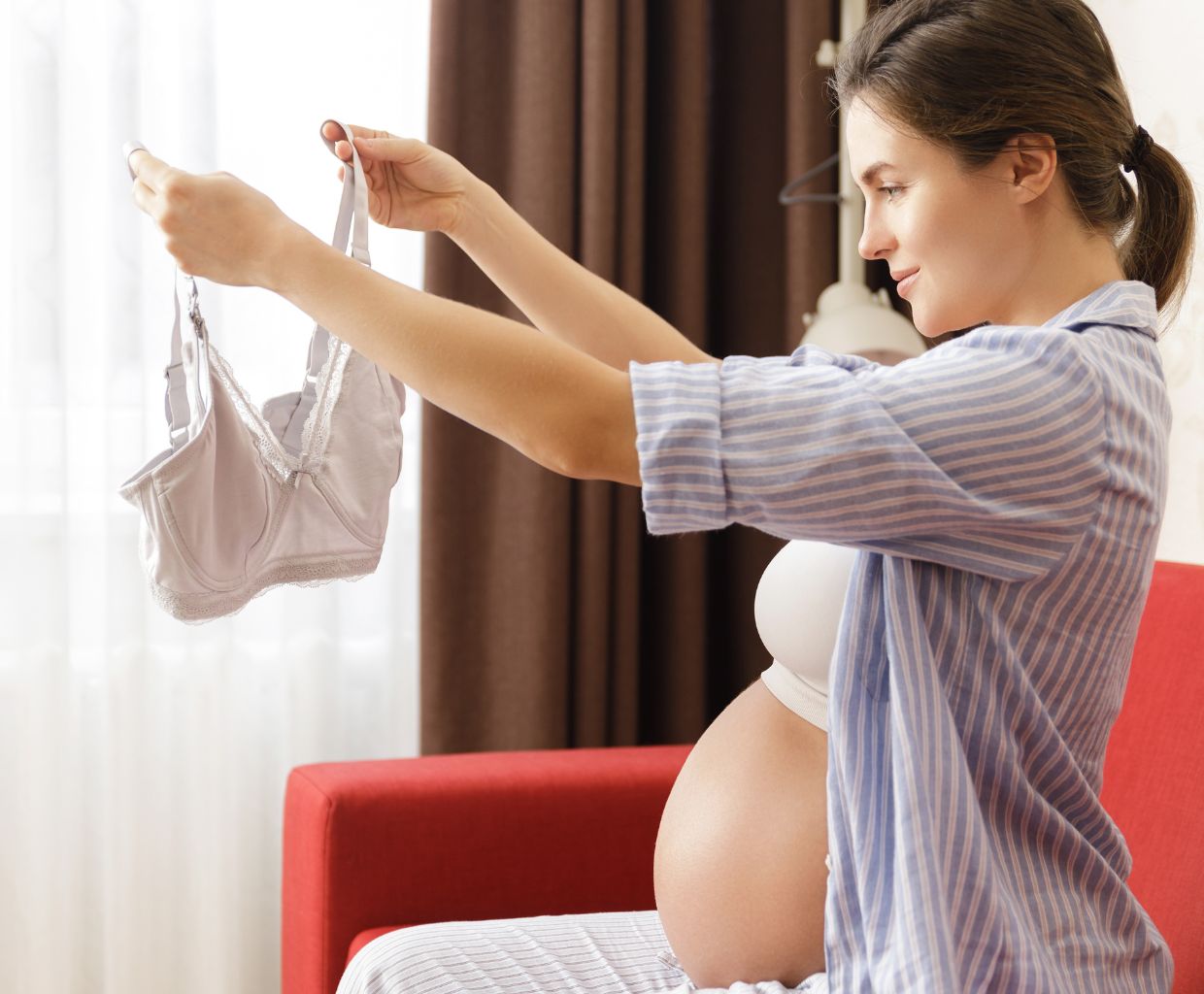
Nursing Bra Buying Guide: Fit, Types and When to Buy
How to choose a nursing bra: the main types, how it should fit, when to buy, how many you need, and what the evidence says about underwire.

Breastfeeding Cover Guide: Types, Safety and Your Rights
Do you need a breastfeeding cover? Compare types, learn what to look for and how to use one safely, and know your legal right to nurse in public.
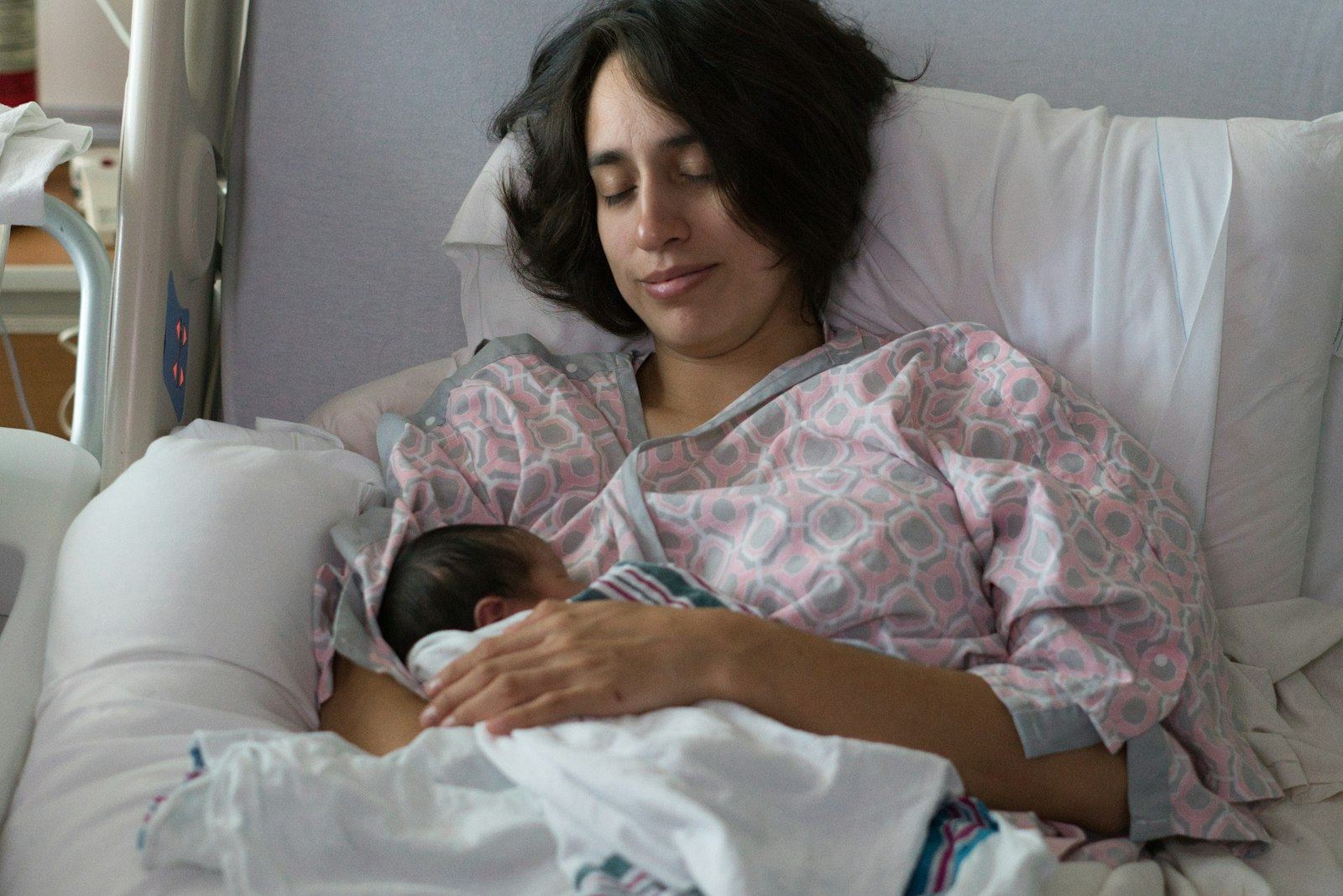
Labor and Delivery Gown: Do You Need One, and What to Look For
Whether to bring your own labor and delivery gown or robe, and what to check: front access for skin-to-skin and breastfeeding, epidural and monitor access.
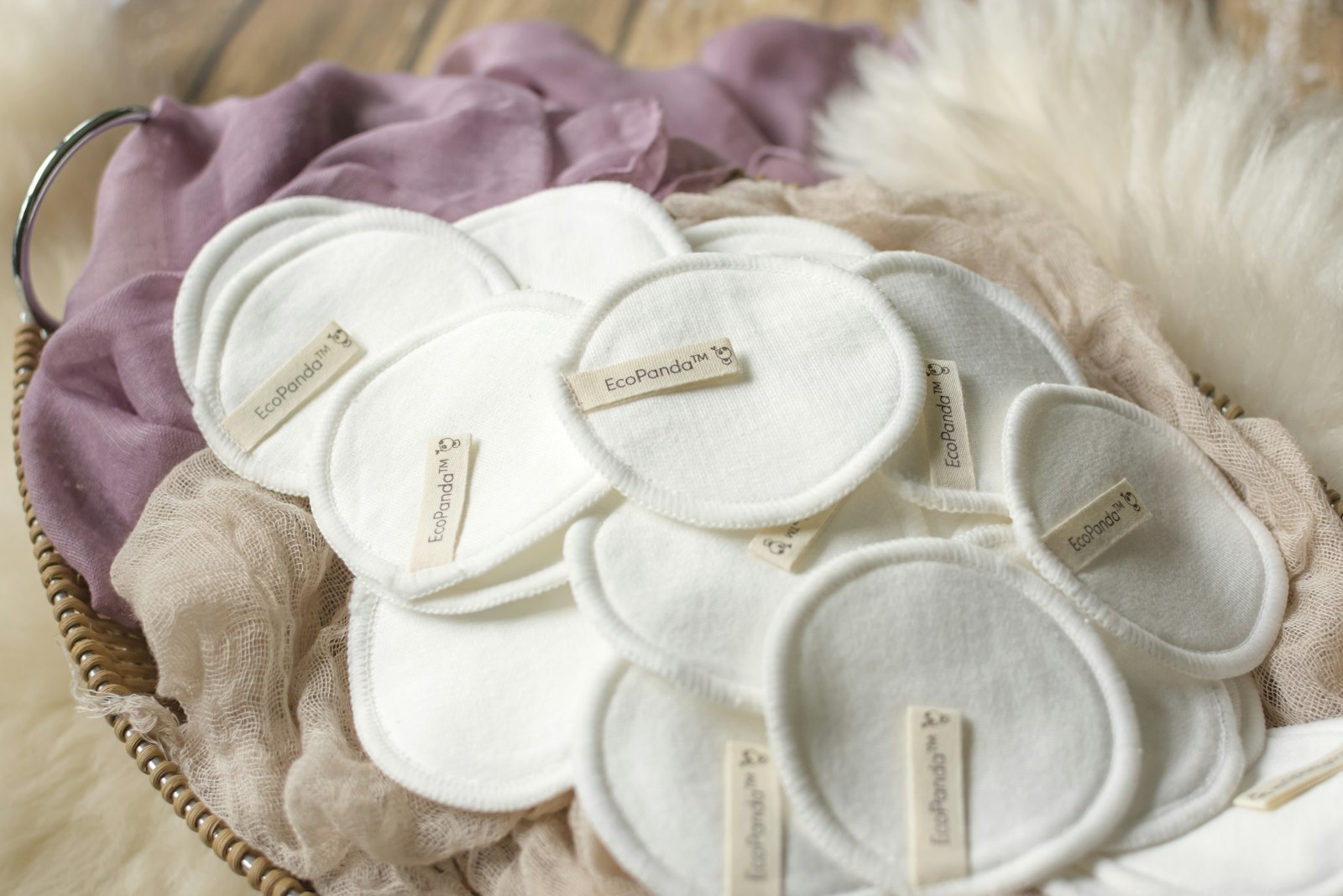
Nursing Pads: Disposable vs Reusable and What to Look For
Do you need nursing pads? Disposable vs reusable, why plastic liners are best avoided, how often to change them and how to keep nipples dry.