Labor and Delivery Gown: Do You Need One, and What to Look For
By Breastfeeding Mom Editorial TeamUpdated 5 min read
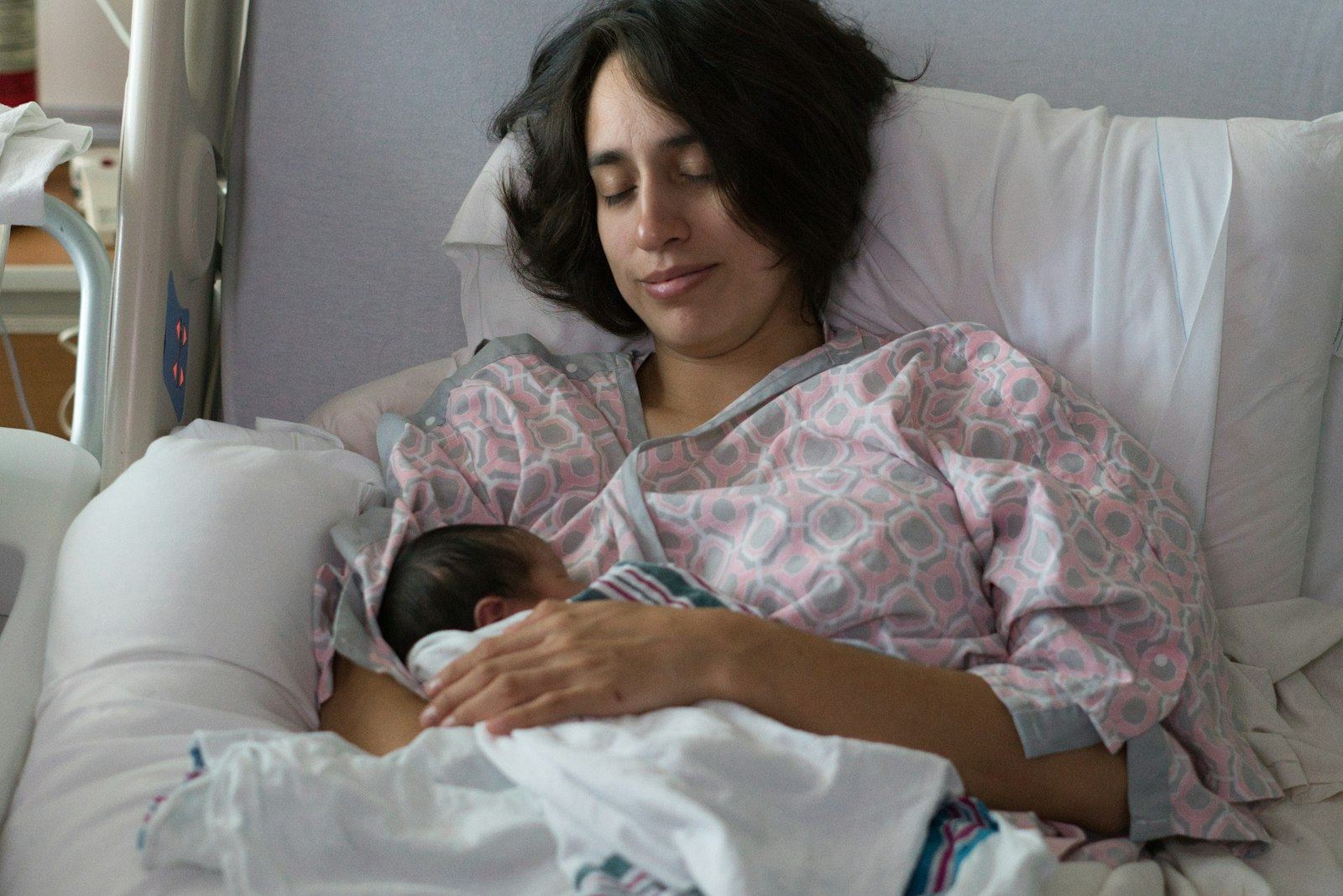
A labor and delivery gown is one of those items that shows up on a lot of hospital bag lists. Some parents love having their own gown or robe for comfort, privacy or photos. Others are perfectly happy in what the hospital provides. Either way, a few features make a real difference in labor and in the first hours of breastfeeding.
This guide covers what to ask your hospital, what a gown needs to do during labor and after birth, and how to choose a robe or nightgown for the postpartum stay. We don’t rank or test products; we explain what to look for.
First, ask your hospital
What you can wear in labor depends on your hospital and on how your birth goes. Some units are relaxed about your own clothes; others prefer their gowns, particularly for a cesarean. Ask on your hospital tour, at a prenatal appointment or by calling the labor and delivery unit:
- Do you provide gowns, and can I wear my own instead?
- Are there any rules for what I wear if I need an epidural, continuous monitoring or a C-section?
- Can I wear my own robe and nightwear on the postpartum unit?
Then pack to match. Our hospital bag checklist covers the rest of what to bring.
What a labor and delivery gown needs to do
Open at the front for skin-to-skin and the first feed
ACOG says most healthy newborns are ready to breastfeed within the first hour after birth, and that holding your baby directly against your bare skin (skin-to-skin contact) right after birth helps encourage the baby to start breastfeeding. It also triggers reflexes that help your baby latch. The AAP’s HealthyChildren.org says skin-to-skin contact can promote bonding and help regulate your baby’s temperature and heart rate, and suggests simply wearing clothing that opens down the front.
So the single most useful feature is a front that opens fully and easily, with snaps, buttons, ties or a wrap, so your baby can lie on your bare chest and reach the breast without you wrestling with fabric. Our guide on how to breastfeed explains the latch, and our colostrum guide covers what your baby gets in those first feeds.
Give access to your lower back
ACOG says an epidural is the most common type of pain relief used for childbirth in the U.S. The medication is given through a thin tube (catheter) placed in the lower back, and the tube stays in place so medication can be given as needed. A gown that opens at the back, or that you can easily lift or untie there, makes this simpler for your care team and keeps you covered.
Allow monitoring and IV lines
With external electronic fetal monitoring, ACOG explains that a pair of belts is wrapped around your abdomen: one tracks your baby’s heart rate and the other measures contractions. Your care team may also need to place an IV line, a small tube placed into a vein through which medications or fluids are given. Look for a gown that lets belts sit on your belly without bunching and has sleeves that are loose or open at the shoulder or arm.
Be loose and easy to change
Labor is warm, messy work, and you may change more than once. The NHS hospital bag list includes loose, comfortable clothing for labor. Choose something that doesn’t cling and that you won’t mind getting stained.
Robes and nightgowns for after the birth
The NHS list includes a dressing gown (robe) and slippers or flip-flops, which are also good for the shower, plus nightwear that is front-opening or loose-fitting if you’re going to breastfeed. A front-opening robe or nursing nightgown does both jobs: you can walk the halls in it and open it for feeds and skin-to-skin.
Some things to keep in mind:
- Feeding access. A wrap front, buttons or nursing panels make frequent newborn feeds easier. Pair it with a comfortable bra: our nursing bra guide covers fit.
- Bleeding. You’ll bleed after the birth, which is why the NHS list includes 2 packs of super-absorbent maternity pads. Our postpartum pads guide explains what to expect. A robe long enough to cover you and a fabric that washes well help.
- After a C-section. ACOG says your abdomen will take a few weeks to heal and the incision may be sore. Choose a gown or robe that doesn’t press on the incision, with no tight waistband. Our guide to breastfeeding after a C-section covers comfortable feeding positions.
What to look for
- Full front opening (snaps, buttons, wrap or ties) for skin-to-skin and breastfeeding
- Back access that opens or lifts easily for an epidural
- Loose fit around the belly for monitoring belts, and room for your bump
- Loose or opening sleeves for an IV line
- Soft, breathable fabric that you’re comfortable in
- Hot-wash, easy-care fabric, ideally darker or patterned
- Length that keeps you covered when you walk around
- Two of everything if you can, so you can change during your stay
If your hospital supplies gowns and you’d rather not buy one, a front-opening nightgown and a robe from your own closet often cover everything you need after the birth.
For more about the early days of feeding, see our breastfeeding basics hub and our newborn essentials list.
When to call your doctor or midwife
Your care team will tell you when to call or come in during labor. If you think labor has started, or something feels wrong, call them; never wait because your bag isn’t packed.
After a cesarean, ACOG says to call your ob-gyn right away if you have a fever, chills, leg pain, draining or leakage from your incision, heavy bleeding or worsening pain. If breastfeeding hurts or your baby has trouble latching, ask a nurse or the hospital’s lactation consultant to watch a feed before you go home.
Shop on Amazon
Shop what this guide covers
Paid links: as an Amazon Associate we earn from qualifying purchases, at no extra cost to you. Links never change what we recommend. Disclosure
Frequently asked questions
Can I wear my own clothes during labor?
Often, but hospitals set their own rules. The NHS hospital bag list includes loose, comfortable clothing to wear during labor. Ask your labor and delivery unit what they allow, especially if you might need a cesarean.
Should I bring my own gown for a planned C-section?
For the surgery itself, follow your hospital's instructions. Afterward, something loose that doesn't press on your incision is more comfortable. ACOG says a hospital stay after a cesarean birth is usually 2 to 4 days, so pack enough to change into.
What color gown should I choose?
Any color you like. Bleeding after birth is normal, and many people prefer darker or patterned fabric that shows stains less and washes easily.
Is a nursing robe worth it?
It's optional. The NHS suggests a dressing gown for the hospital and front-opening or loose nightwear if you plan to breastfeed. A robe that opens at the front can cover both.
Sources
- NHS: Hospital bag checklist – what to pack for you and your babyhttps://www.nhs.uk/best-start-in-life/pregnancy/preparing-for-labour-and-birth/hospital-bag-checklist/
- ACOG: Breastfeeding Your Babyhttps://www.acog.org/womens-health/faqs/breastfeeding-your-baby
- HealthyChildren.org (AAP): Skin-to-Skin Contact: How Kangaroo Care Benefits Your Babyhttps://www.healthychildren.org/English/ages-stages/baby/preemie/Pages/About-Skin-to-Skin-Care.aspx
- ACOG: Medications for Pain Relief During Labor and Deliveryhttps://www.acog.org/womens-health/faqs/medications-for-pain-relief-during-labor-and-delivery
- ACOG: Fetal Heart Rate Monitoring During Laborhttps://www.acog.org/womens-health/faqs/fetal-heart-rate-monitoring-during-labor
- ACOG: Cesarean Birthhttps://www.acog.org/womens-health/faqs/cesarean-birth
This guide is general information, not medical advice. For your own situation, talk to your doctor, midwife, pharmacist or an IBCLC lactation consultant. Read our medical disclaimer and find breastfeeding support near you.
Related articles

Hospital Bag Checklist: What to Pack for You, Baby and Your Partner
A hospital bag checklist for you, your baby and your partner, with a breastfeeding focus, a car seat check and what to ask your hospital first.

Breastfeeding Cover Guide: Types, Safety and Your Rights
Do you need a breastfeeding cover? Compare types, learn what to look for and how to use one safely, and know your legal right to nurse in public.

Push Present Ideas: Thoughtful Gifts for a Breastfeeding Mom
What a push present is, plus practical gift ideas for a new, breastfeeding mom: comfort, rest, real help, nursing-friendly clothes and keepsakes.

Breastfeeding After a C-Section: First Feeds, Positions and Pain Relief
How to breastfeed after a C-section: skin-to-skin in the OR, comfortable positions that protect your incision, pain relief, and help if milk is slow.