Newborn Essentials: A Minimal, Evidence-Based List for the First Month
By Breastfeeding Mom Editorial TeamUpdated 6 min read
Baby registries can run to hundreds of items, but a newborn’s real needs in the first month are short: a safe place to sleep, a safe way to travel, food, diapers, clothes and a little care. Everything else is optional, and a few popular products are unsafe.
This list sticks to what the American Academy of Pediatrics (AAP), the Consumer Product Safety Commission (CPSC) and the National Highway Traffic Safety Administration (NHTSA) recommend. We don’t name brands: what matters is that a product meets the safety standard and suits your home.
The short list
| Need | Essential | Optional |
|---|---|---|
| Sleep | Crib, bassinet or play yard that meets CPSC standards, firm flat mattress, 2–3 fitted sheets | Wearable blankets (sleep sacks) |
| Travel | Rear-facing car seat | Stroller, baby carrier |
| Feeding | You and your baby | Nursing bras, breast pads, nursing pillow, footstool |
| Diapering | Diapers, wipes or soft cloths and water | Changing pad, diaper caddy |
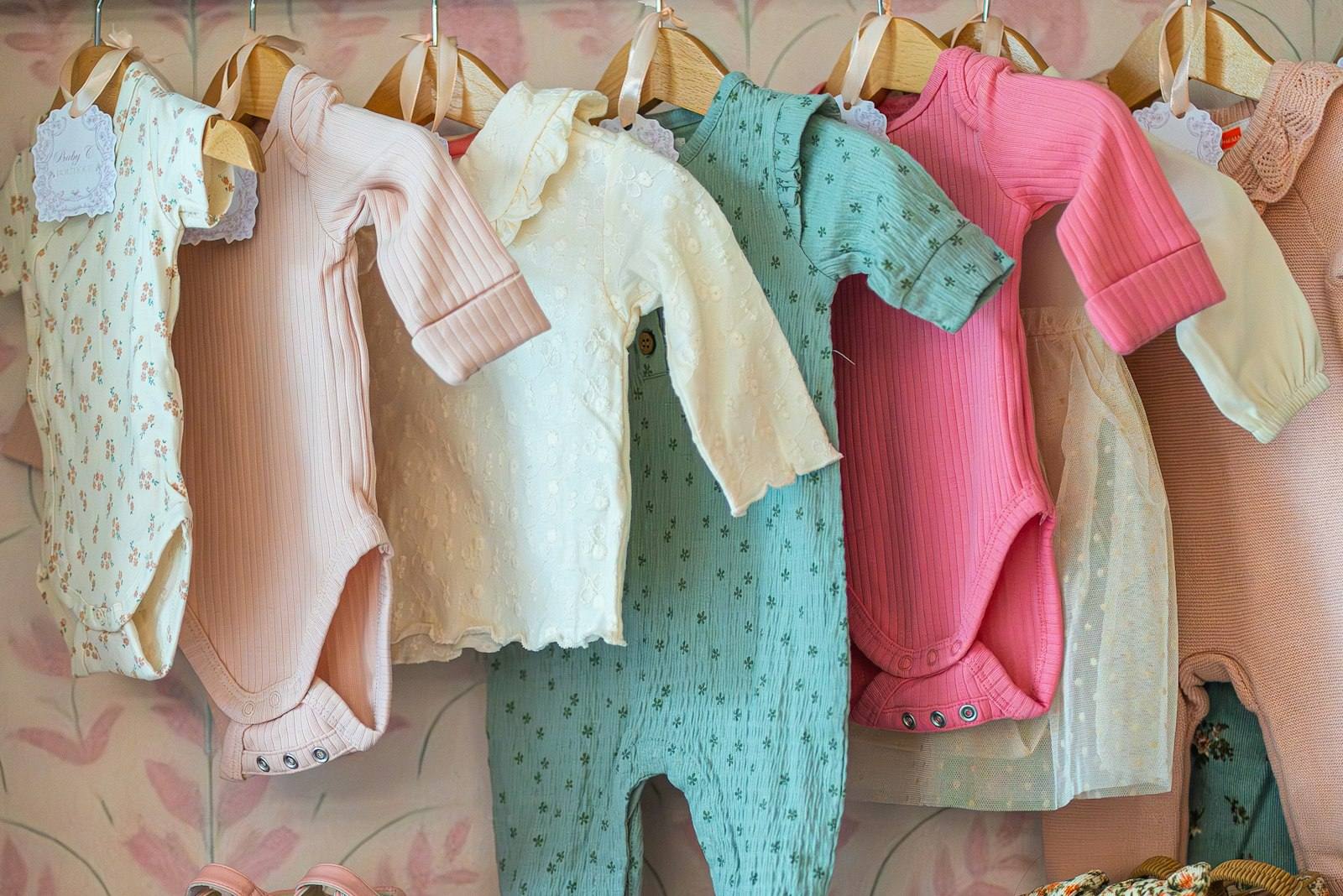
| Clothes | Bodysuits, sleepers, socks, a few hats for the hospital | Going-out outfits |
| Health | Digital thermometer | Nasal bulb, nail file |
| Bath | Soft washcloths, towel, mild soap | Infant bathtub |
A safe sleep space
This is the one item worth getting exactly right. The AAP recommends placing your baby on their back for every sleep on a firm, flat surface: a crib, bassinet, portable crib or play yard that meets CPSC safety standards. The mattress should be designed for that product and fit tightly, with a fitted sheet only. The CPSC sums it up as “Bare is Best.”
The AAP also recommends:
- Room sharing without bed sharing for at least the first 6 months, with your baby’s sleep space close to your bed.
- No soft objects or loose bedding: no pillows, blankets, bumper pads, stuffed toys or mattress toppers in the sleep space.
- A wearable blanket or an extra layer of clothing if you worry about cold. Dress your baby in only one layer more than you are wearing.
- Checking for recalls on the CPSC website, especially for a crib that isn’t new.
The AAP says other sleep products (including in-bed sleepers, travel bassinets and baby nests) are only an option if they comply with the CPSC rule that infant sleep products meet federal safety standards. If a product doesn’t meet those standards, don’t use it. Our guide to side-lying breastfeeding covers how to feed at night and move your baby back to their own space.
A rear-facing car seat
The AAP says all infants should ride rear-facing, starting with their first ride home from the hospital, and should keep riding rear-facing as long as possible, until they reach the seat maker’s highest weight or height limit. NHTSA says a child under age 1 should always ride in a rear-facing seat, and advises following the seat instructions and your vehicle manual when installing it.
Install the seat before your due date, have it checked by a certified child passenger safety technician if you can, and register it with the maker so you hear about recalls. Our hospital bag checklist covers what else to have ready for the trip home.
Feeding: what breastfeeding actually needs
HealthyChildren.org, the AAP’s parent site, says special equipment and furnishings are extras, and that all you really need to nurse are your breasts and a hungry baby. Helpful but optional:
- One or two nursing bras. The AAP says they should never be tight or constricting. See our nursing bra guide.
- Breast pads if you leak. The AAP advises avoiding pads with plastic liners and notes a folded cloth works almost as well. See our nursing pads guide.
- A nursing pillow if it helps you position your baby. Never let your baby sleep on one. Our breastfeeding pillow guide has more.
- Burp cloths for spit-up.
A breast pump and bottles can wait unless you need them early (for example, if your baby is in the NICU or you return to work soon). When the time comes, our pumping essentials checklist helps you plan.
Diapers and changing
Newborns go through a lot of diapers, so buy one or two packs in newborn size and more in size 1 rather than a huge stock of a size your baby may soon outgrow. You also need wipes or soft cloths and warm water.
A changing table is optional. HealthyChildren.org says that if your baby is on a surface above the floor, always use a safety strap or keep one hand on them. A diaper caddy keeps supplies within reach, so you never have to step away.
Your baby’s diapers change a lot in the first weeks. Our baby poop color chart shows what is typical and which colors to call the pediatrician about.
Clothes
Simple is best: bodysuits, footed sleepers, socks and a couple of hats. Choose outfits that open easily for diaper changes. The AAP says not to put a hat on your baby indoors once you’re home from the hospital, because overheating raises the risk of SIDS. Watch for sweating, a hot chest or flushed skin.
For the car seat, the AAP advises thin layers rather than bulky coats or snowsuits, with a blanket tucked over the buckled harness if it’s cold.
Bath basics
HealthyChildren.org says to give sponge baths until the umbilical cord stump falls off, and that three baths a week during the first year may be enough. For bath time:
- A safe infant tub if you want one. HealthyChildren.org says the CPSC recommends a hard plastic infant tub with a sloped, textured surface or sling, and that you should only use one made on or after October 2, 2017, so it meets current safety standards. A towel-lined plastic tub or a sink can also work.
- About 2 inches (5 cm) of water that feels warm, not hot, on the inside of your wrist or elbow. The AAP says the hottest water at the tap should be no more than 120°F (49°C).
- Mild, neutral-pH soap without additives, used sparingly.
- Touch supervision. Never leave your baby alone in the bath, even for an instant. Skip bath seats, which can tip over.
A digital thermometer
The AAP advises a digital thermometer, never a mercury one. Rectal temperatures are the most accurate. If you use one thermometer for more than one method, label it “rectal” or “oral” so it isn’t used in both places.
What not to buy
These are banned, unsafe for sleep or simply not needed, according to the AAP and CPSC:
- Crib bumpers and inclined sleepers. The Safe Sleep for Babies Act of 2022 bans padded crib bumpers and inclined sleepers that raise a baby’s head more than 10 degrees. They still turn up secondhand and online.
- Sleep positioners, wedges and nests. The AAP says these have been linked with multiple deaths, with no evidence they prevent SIDS or flat head.
- Weighted blankets, sleepers and swaddles. The AAP says not to use any of them, and the CPSC warns against weighted blankets and swaddles.
- Infant loungers and nursing pillows for sleep. Use them only while your baby is awake and watched.
- Extra-plush mattresses sold separately from the crib, and mesh crib liners.
- Baby walkers, which the AAP has called on to be banned.
- Products that claim to reduce SIDS. The AAP says there’s no evidence for these claims.
When to call your pediatrician
The AAP says to call your pediatrician right away if your baby is 2 months old or younger and has a rectal temperature of 100.4°F (38°C) or higher. Also call if your baby looks very ill, is unusually drowsy or very fussy, or if you have any questions about their sleep space or car seat.
For more on feeding in the early weeks, visit our breastfeeding basics hub.
Shop on Amazon
Shop what this guide covers
Paid links: as an Amazon Associate we earn from qualifying purchases, at no extra cost to you. Links never change what we recommend. Disclosure
Frequently asked questions
Do I need a changing table?
No. A changing pad on the floor or a bed works. HealthyChildren.org (AAP) says that if your baby is on a surface above the floor, always use a safety strap or keep one hand on them to prevent falls.
Is a secondhand crib OK?
It can be, if it meets current standards. The AAP says to check the CPSC website for recalls, especially if the crib isn't new, and not to use a crib that has no instructions, is missing hardware or is broken. It also warns that vintage cribs and drop-side cribs don't meet current U.S. safety standards.
Do I need a baby monitor that tracks breathing or oxygen?
Not for SIDS prevention. The AAP says there is no evidence that consumer heart rate or pulse oximetry monitors lower SIDS risk. It's fine to use one if you want to, but never as a substitute for safe sleep practices.
Can my baby sleep in a swing, bouncer or car seat?
Not for sleep. The AAP says swings, rockers, bouncers and gliders are fine for awake time when used as directed, but if your baby falls asleep in one, or in a car seat outside the car, move them to a firm, flat sleep surface as soon as you can.
Sources
- HealthyChildren.org (AAP): How to Keep Your Sleeping Baby Safe: AAP Policy Explainedhttps://www.healthychildren.org/English/ages-stages/baby/sleep/Pages/A-Parents-Guide-to-Safe-Sleep.aspx
- HealthyChildren.org (AAP): Baby Products to Avoid: Unsafe Registry Picks & Secondhand Gearhttps://www.healthychildren.org/English/ages-stages/baby/sleep/Pages/Inclined-Sleepers-and-Other-Baby-Registry-Items-to-Avoid.aspx
- CPSC: Safe Sleep – Cribs and Infant Productshttps://www.cpsc.gov/SafeSleep
- HealthyChildren.org (AAP): Car Seats: Information for Familieshttps://www.healthychildren.org/English/safety-prevention/on-the-go/Pages/Car-Safety-Seats-Information-for-Families.aspx
- NHTSA: Car Seats and Booster Seatshttps://www.nhtsa.gov/vehicle-safety/car-seats-and-booster-seats
- HealthyChildren.org (AAP): Nursing Supplieshttps://www.healthychildren.org/English/ages-stages/baby/breastfeeding/pages/Nursing-Supplies.aspx
- HealthyChildren.org (AAP): Bathing Your Babyhttps://www.healthychildren.org/English/ages-stages/baby/bathing-skin-care/Pages/Bathing-Your-Newborn.aspx
- HealthyChildren.org (AAP): How to Take Your Child's Temperaturehttps://www.healthychildren.org/English/health-issues/conditions/fever/Pages/How-to-Take-a-Childs-Temperature.aspx
This guide is general information, not medical advice. For your own situation, talk to your doctor, midwife, pharmacist or an IBCLC lactation consultant. Read our medical disclaimer and find breastfeeding support near you.
Related articles
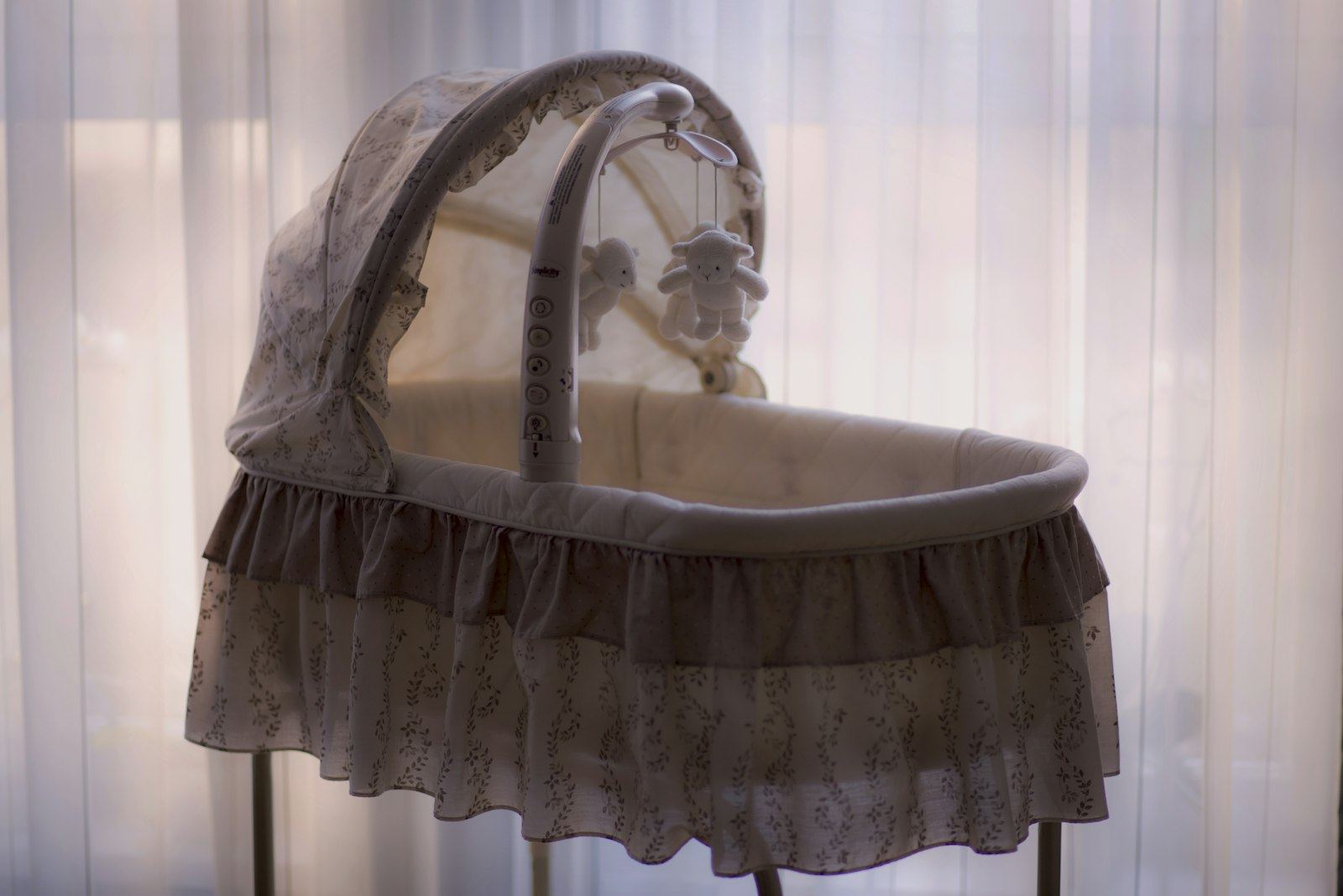
Bassinet Guide: Safe Sleep Rules, Bedside Sleepers and What to Look For
How to choose and use a bassinet or bedside sleeper safely: federal standards, a firm flat surface, fitted sheet only, and room-sharing for night feeds.
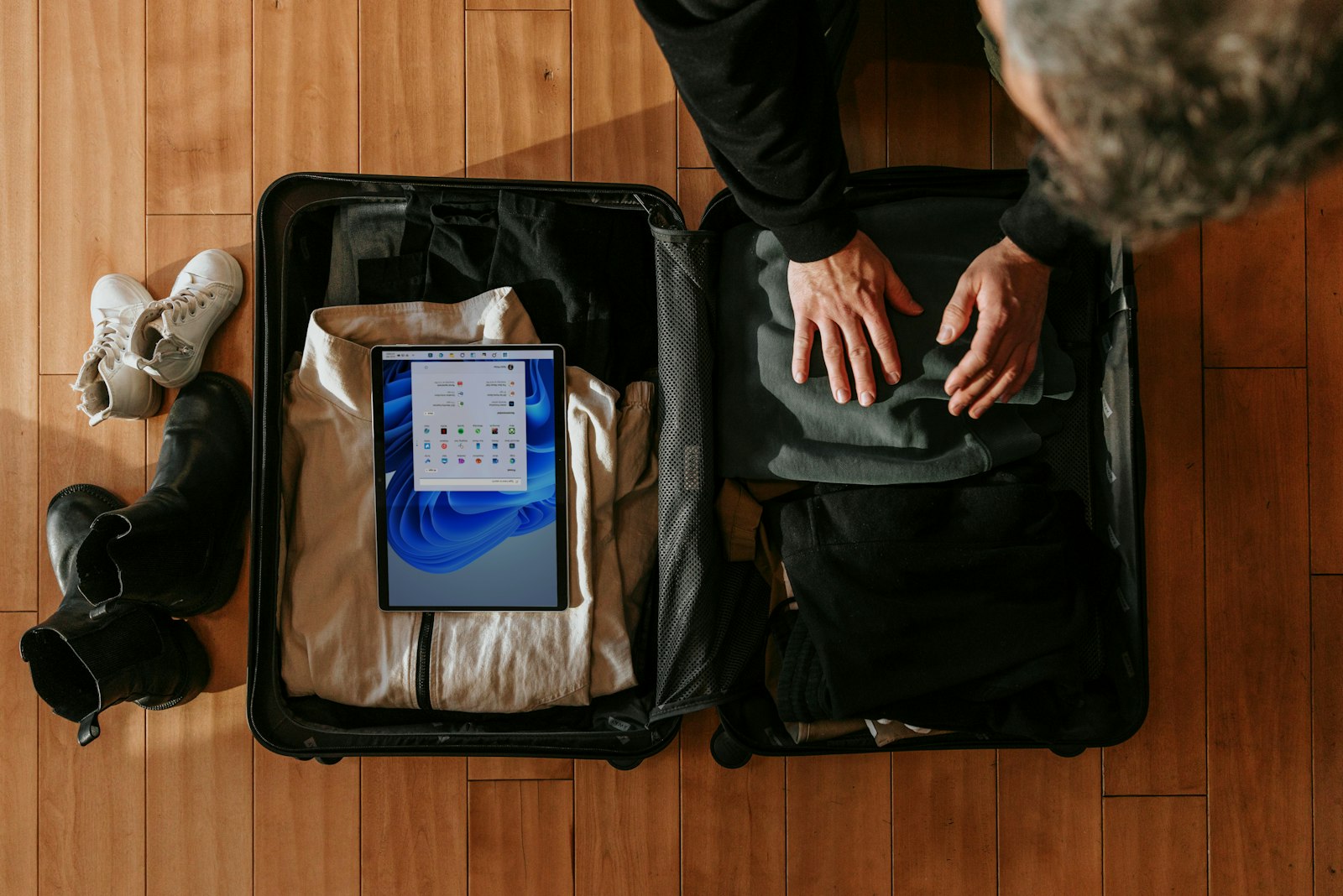
Hospital Bag Checklist: What to Pack for You, Baby and Your Partner
A hospital bag checklist for you, your baby and your partner, with a breastfeeding focus, a car seat check and what to ask your hospital first.
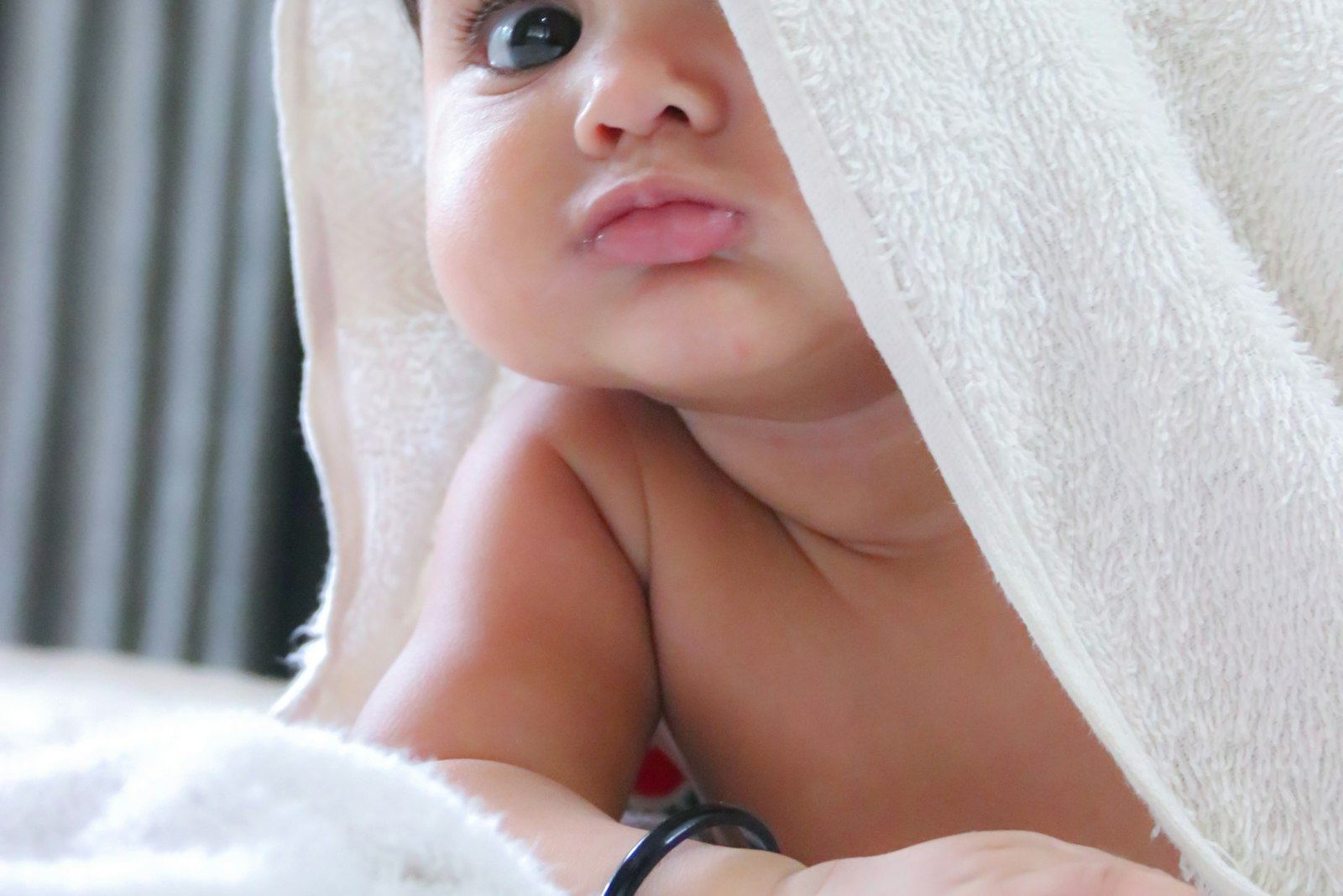
Baby Bath Tub: When You Need One and How to Bathe Your Baby Safely
When to switch from sponge baths to a baby bath tub, what the CPSC safety standard covers, why bath seats are risky, and how to keep bath time safe.
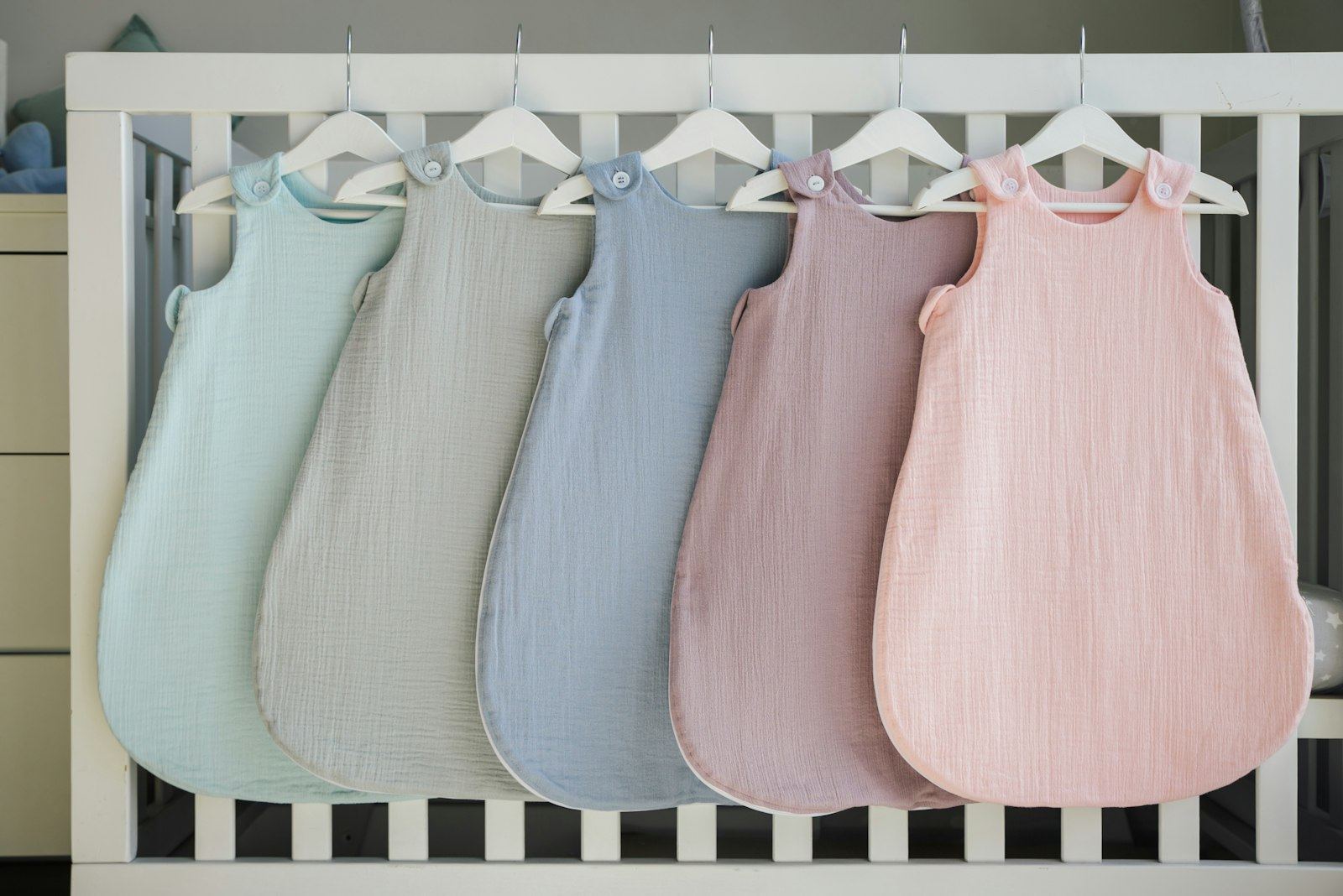
Sleep Sacks: How Wearable Blankets Keep Babies Warm Without Loose Bedding
What a sleep sack is, why the AAP prefers wearable blankets to loose blankets, how to size it, avoid overheating, keep hips free, and skip weighted ones.
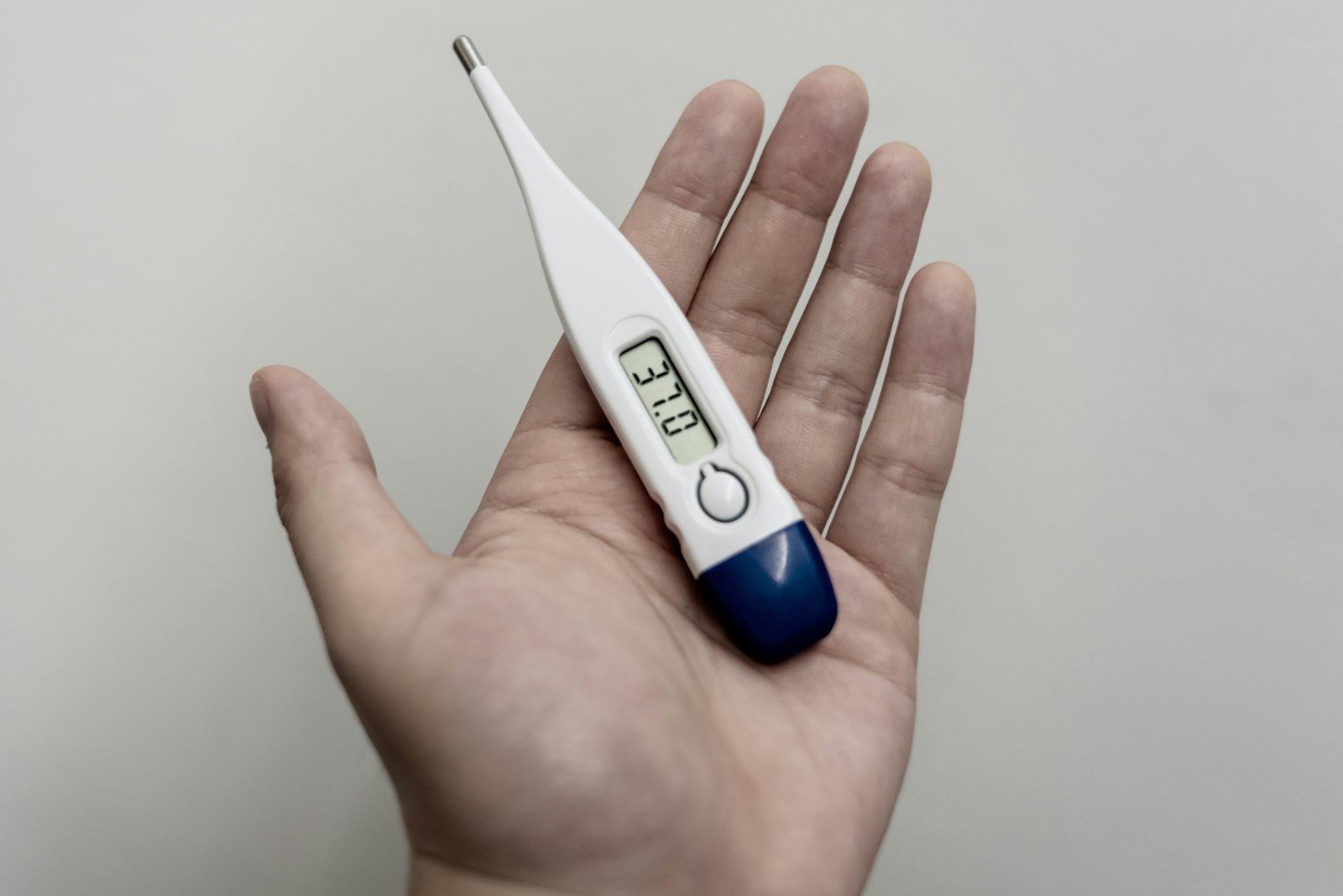
Baby Thermometer: Which Type to Use by Age and When a Fever Needs a Call
Which baby thermometer to use at each age, how to take a rectal temperature, what counts as a fever, and when to call your pediatrician, per the AAP.