Diaper Caddy: What to Put in It and How to Use It Safely
By Breastfeeding Mom Editorial TeamUpdated 6 min read
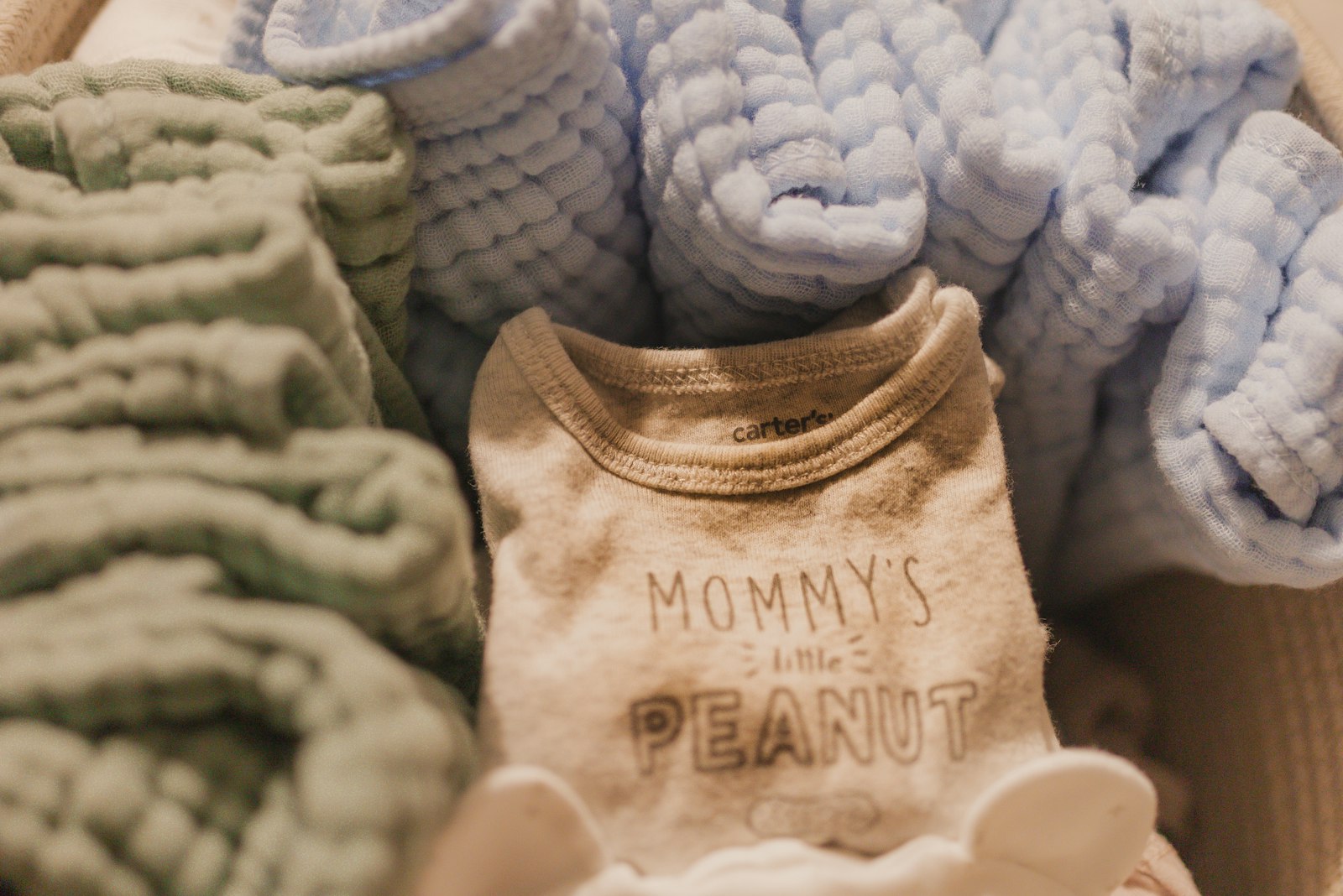
A newborn can go through a lot of diapers, and the changes don’t always happen next to the changing table. A diaper caddy is a simple fix: a portable basket or organizer with handles that holds everything for a change, so you can carry it to the couch, the bedroom or another floor of the house.
For breastfeeding parents, a caddy often doubles as a feeding station, with nursing pads, a water bottle and a burp cloth sitting next to the diapers. This guide covers what to put in it, what to look for and how to change diapers safely. We don’t rank brands or products; a sturdy basket you already own can work just as well.
Do you need a diaper caddy?
No. It’s a convenience, not a necessity. A caddy is most useful if you:
- Change diapers in more than one room or on more than one floor
- Feed at night in bed or on the couch and want everything close
- Don’t have a changing table, or prefer changing on a mat
- Want one grab-and-go kit for visits to family
If you are still building your list, our newborn essentials guide covers what you actually need in the first month.
What to put in a diaper caddy
For diaper changes
| Item | Why it’s there |
|---|---|
| Diapers | Enough for a day or two; restock daily |
| Wipes | HealthyChildren.org suggests wipes that are free of alcohol and fragrance |
| Barrier cream or paste | The AAP says zinc oxide and petrolatum are both good choices, and fragrance-free products are best |
| Portable changing pad | A wipeable surface for the floor, bed or couch |
| Small spray or squirt bottle of water and soft cloths | For severe rashes, the AAP suggests a squirt or spray bottle of water to rinse without rubbing |
| Spare outfit and a burp cloth | For leaks and spit-up |
| Hand sanitizer (at least 60% alcohol) | For when you can’t get to a sink right away |
| Bags for dirty diapers | Stored where your baby can’t reach them |
Skip baby powder. HealthyChildren.org advises not to use baby or talcum powders on babies, because talc-containing powders can cause severe lung damage and breathing problems if inhaled.
For breastfeeding and night feeds
- Nursing pads for leaks between feeds (see our nursing pads guide)
- A water bottle. The NHS suggests having a drink beside you when you settle down to breastfeed.
- A snack that you can eat with one hand
- Nipple care items you already use, plus a cloth for drips
- A small night-light or clip-on light, so you can change and feed without switching on the main light
- Phone charger and a notepad if you track feeds and diapers
HealthyChildren.org says keeping track of how much your baby is peeing is especially important in the newborn period. It notes that very absorbent disposable diapers can make that harder, and that some diapers have a strip that changes color when wet. Our baby poop color chart shows what to expect in the diaper by age, and our guide on how often to breastfeed explains feeding patterns.
What to look for in a diaper caddy
These are practical criteria, not brand picks:
- Sturdy handles that hold a full load without tipping
- Dividers you can move, so diapers, wipes and creams each have a place
- Easy to clean fabric or plastic, since leaks and cream happen
- Stable base so it won’t topple when you grab from it
- Lids or closures on creams and sanitizer, and a pocket that sits high enough to keep small items away from curious hands as your baby grows
- The right size: big enough for a day’s supplies, small enough to carry with one hand while you hold the baby with the other
Safe diaper changing
The caddy’s main job is to keep everything within your reach so you never have to step away from your baby. HealthyChildren.org says to keep diapering supplies within your reach but out of your child’s reach, so you don’t have to leave your baby’s side to get them.
Falls are the main danger on any raised surface. HealthyChildren.org warns that falls from a changing table can be serious, and that you shouldn’t trust your vigilance alone. Its advice:
- Never leave your baby unattended on a changing table, even for a moment and even if they are strapped in.
- Always keep a hand on your baby during the change.
- Use the safety strap if there is one, but don’t depend on it alone.
- Choose a sturdy, stable changing table with a 2-inch (5 cm) guardrail on all four sides, if you use one.
Changing on a pad on the floor means there is no height to fall from. On a bed or couch, the same rule applies as on a table: one hand on the baby, and take the baby with you if you need to leave.
Keep supplies out of little hands
As your baby starts reaching and rolling, the caddy itself becomes something to explore. HealthyChildren.org advises:
- Never let a child play with a powder container, since shaking it can lead to inhaling powder that can injure the lungs.
- Store disposable diapers out of your child’s reach. Children can suffocate if they tear off pieces of the plastic liner and swallow them.
- Never leave plastic bags or wrappings where your baby can reach them.
The CDC also advises supervising young children when they use hand sanitizer, to prevent swallowing alcohol. In practice, that means keeping the caddy up on a shelf or out of reach once a change is done, with creams and sanitizer capped.
Diaper rash basics
HealthyChildren.org says at least half of all babies get a diaper rash at some point. The most common type is irritant rash from contact with urine and stool. To prevent and soothe it, the AAP suggests:
- Change diapers frequently.
- Clean gently, with alcohol- and fragrance-free wipes or water and a gentle cleanser. Pat dry and let the skin air-dry.
- Apply a thick layer of barrier paste. If the paste isn’t soiled, there’s no need to rub it off at the next change; just add more on top.
- Leave some breathing room. A diaper that isn’t too tight, especially overnight, is less likely to rub.
- Don’t use over-the-counter antibiotic ointment for diaper rash, as some ingredients can worsen irritation.
Hand hygiene after every change
The CDC lists changing diapers as one of the key times to wash your hands. Its steps:
- Wet your hands with clean, running water (warm or cold), turn off the tap and apply soap.
- Lather the backs of your hands, between your fingers and under your nails.
- Scrub for at least 20 seconds.
- Rinse well under clean, running water.
- Dry with a clean towel or air dryer.
If soap and water aren’t readily available, the CDC says to use a hand sanitizer with at least 60% alcohol, but sanitizer may not work as well when hands are visibly dirty. Wash as soon as you can. If your baby has a yeast diaper rash, HealthyChildren.org advises washing your hands thoroughly before and after diaper changes.
When to call your pediatrician
HealthyChildren.org advises calling your child’s doctor if:
- The rash isn’t going away, or is getting worse after two to three days of treatment
- The rash includes pimples, peeling skin, blisters, or sores that are pus-filled, oozing or crusty
- Your baby is taking an antibiotic and develops a bright pink or red rash with red spots at the edges
Also call if you are worried about how many wet or dirty diapers your baby has. If night changes keep turning into a sleepy baby who dozes off at the breast, our guide to a baby who falls asleep while breastfeeding explains what’s normal and when to get help.
For more help with the early weeks, visit our breastfeeding basics hub.
Shop on Amazon
Shop what this guide covers
Paid links: as an Amazon Associate we earn from qualifying purchases, at no extra cost to you. Links never change what we recommend. Disclosure
Frequently asked questions
Do I need a diaper caddy if I have a changing table?
No, it's optional. A caddy is handy if you change diapers in more than one room, live on more than one floor, or want supplies by the bed or couch for night feeds. A changing table with well-stocked shelves does the same job in one spot.
Should I use baby powder at changes?
No. HealthyChildren.org (AAP) advises not to use baby or talcum powders on the baby, because talc-containing powders can cause severe lung damage and breathing problems in babies if inhaled. A barrier paste is the usual choice for protecting skin.
How often should I restock the caddy?
Check it once a day, for example before bed, so you are never out of diapers or wipes at 3 a.m. Many parents keep a small backup pack of diapers and wipes nearby.
Can I use hand sanitizer instead of washing my hands after a diaper change?
Only when you can't wash. The CDC says soap and water is the best way to get rid of germs in most situations, and that hand sanitizer with at least 60% alcohol is the option when soap and water are not readily available. Sanitizer may not work as well on visibly dirty hands.
Sources
- HealthyChildren.org (AAP): Changing Table Safetyhttps://www.healthychildren.org/English/safety-prevention/at-home/Pages/Changing-Table-Safety.aspx
- HealthyChildren.org (AAP): Make Baby's Room Safe: Parent Checklisthttps://www.healthychildren.org/English/safety-prevention/at-home/Pages/Make-Babys-Room-Safe.aspx
- HealthyChildren.org (AAP): Common Diaper Rashes and Treatmentshttps://www.healthychildren.org/English/ages-stages/baby/diapers-clothing/Pages/Diaper-Rash.aspx
- HealthyChildren.org (AAP): Diapers: Disposable or Cloth?https://www.healthychildren.org/English/ages-stages/baby/diapers-clothing/Pages/Diapers-Disposable-or-Cloth.aspx
- CDC: About Handwashinghttps://www.cdc.gov/clean-hands/about/index.html
- CDC: Hand Sanitizer Guidelines and Recommendationshttps://www.cdc.gov/clean-hands/about/hand-sanitizer.html
- NHS: Breastfeeding and Diethttps://www.nhs.uk/baby/breastfeeding-and-bottle-feeding/breastfeeding-and-lifestyle/diet/
This guide is general information, not medical advice. For your own situation, talk to your doctor, midwife, pharmacist or an IBCLC lactation consultant. Read our medical disclaimer and find breastfeeding support near you.
Related articles
Newborn Essentials: A Minimal, Evidence-Based List for the First Month
The newborn essentials you actually need for the first month: a safe sleep space, car seat, diapers, clothes, feeding basics, and what not to buy.

Baby Bath Tub: When You Need One and How to Bathe Your Baby Safely
When to switch from sponge baths to a baby bath tub, what the CPSC safety standard covers, why bath seats are risky, and how to keep bath time safe.

Burp Cloths: What to Look For, How to Burp, and When Spit-Up Needs a Doctor
Why babies spit up, how many burp cloths are handy, muslin vs other fabrics, the AAP's three burping positions and the spit-up signs that need a doctor.

Nursing Pads: Disposable vs Reusable and What to Look For
Do you need nursing pads? Disposable vs reusable, why plastic liners are best avoided, how often to change them and how to keep nipples dry.