Nursing Pads: Disposable vs Reusable and What to Look For
By Breastfeeding Mom Editorial TeamUpdated 5 min read
Wet spots on your shirt are one of the most common surprises of the first weeks of breastfeeding. Nursing pads (also called breast pads) are a simple fix: a thin absorbent pad that sits inside your bra cup and soaks up milk before it reaches your clothes.
This guide covers who really needs them, disposable vs reusable pads, what to look for and how to use them without trapping moisture against your skin. We don’t rank brands. Almost any pad works if it is soft, absorbent and changed often.
Do you need nursing pads?
Not necessarily. La Leche League International (LLLI) says that in the early weeks, until your milk supply levels out, you may leak quite a bit, and that people who leak often find it reduces greatly over time, often because supply is matching the baby’s needs. Our guide to when breast milk comes in explains why those first weeks are the leakiest.
HealthyChildren.org (the American Academy of Pediatrics’ parent site) says pads are most useful if your breasts leak heavily or you are often away from your baby at a usual feeding time. It also says a folded absorbent cloth works almost as well as store-bought pads.
Disposable vs reusable nursing pads
HealthyChildren.org describes the two kinds as disposable or washable pads that slip inside the bra cup. Beyond that, the differences are practical rather than medical.
| Disposable | Reusable (washable) | |
|---|---|---|
| How you use it | Wear, then throw away | Wear, then launder |
| Best for | Travel, work days and nights out, when you can’t wash | Home use, regular daily leaking |
| Changing | Easy to swap for a fresh one anywhere | Needs a few spares, since each one has to be washed and dried |
| Waste and cost | Ongoing purchase and waste | Upfront cost for several pads, then reuse |
| Care | None | Follow the care label and rinse out detergent |
Many people end up with both: washable pads at home and a small pack of disposables for the bag. HealthyChildren.org says breast pads are sold at most pharmacies and grocery stores.
What to look for
- No plastic lining. HealthyChildren.org advises avoiding pads with plastic liners that keep air from reaching the nipples, because trapped moisture can irritate them. It also advises against plastic-lined pads in its guide on treating breast pain.
- Soft, absorbent material that doesn’t scratch or stick to the nipple.
- A shape and size that stays put in your bra. LLLI notes that wearing a bra holds nursing pads in place, so pick a pad that stays put in your bra rather than one that bunches or slides.
- A bra that isn’t tight. LLLI warns that a bra that puts too much pressure on your breasts can lead to sore breasts from plugged ducts, so don’t tighten your bra to hold a pad. Our nursing bra guide covers fit.
- Easy care if you choose washable pads, such as a machine-washable fabric. LLLI also advises rinsing nursing bras thoroughly to remove detergent residue. The same sensible step applies to washable pads, though LLLI doesn’t mention pads specifically.
How to use them and keep skin dry
Moisture is the main issue with pads. The Office on Women’s Health advises changing nursing pads often, so that they don’t trap moisture that can cause cracked nipples. The NHS goes further and says to change them after every feed if you are using them.
A few habits help:
- Change a pad when it feels damp, even if it is mid-day and you haven’t fed.
- Let your nipples air-dry after a feed before getting dressed, as the NHS suggests, or gently pat them dry, as HealthyChildren.org advises.
- Skip soap on your nipples. The NHS notes soap can dry out the skin.
- Wear breathable, unlined fabric. The NHS recommends cotton bras without underwiring, which let air circulate.
- Have spares in your bag so changing is never a hassle.
At night
LLLI says many people wear nursing pads at night to limit the number of clothes that need to be washed. A maternity tank top with a built-in shelf bra can hold the pads without a separate bra, and a towel or cloth diaper under you protects the sheets. Make sure any night bra is big enough or stretchy enough for your breasts to fill.
At work
If you are pumping at work, leaks can happen when a break runs late. LLLI suggests wearing a printed top, where any leakage is less obvious, in case pumping is delayed. Pads add a second layer of protection, and a spare top in your bag helps.
Common problems
- Sore or cracked nipples that aren’t healing. Moisture can be part of the picture, and thrush can develop when nipples are damaged. See our thrush guide and, for the basics of healing, our sore nipples guide.
- Leaking along with hard, painful breasts. Read about engorgement and clogged milk ducts.
When to call a doctor or lactation consultant
The NHS advises contacting a midwife, health visitor or breastfeeding specialist as soon as possible if you have nipple pain, and getting help early if your nipples are cracked or bleeding, because that raises the risk of infection. In the U.S., an IBCLC, your baby’s doctor or your own provider can help.
Seek care promptly if you have:
- A swollen area on your breast that is hot and painful, or a wedge-shaped lump or hard area
- Fever, chills or flu-like aches, or a burning pain that may be constant or only occur during feeds, as the NHS lists for mastitis (see our mastitis guide)
- Sore, cracked or bleeding nipples that aren’t improving
For more help with the basics, visit our breastfeeding basics hub or find breastfeeding support near you.
Frequently asked questions
How long will I leak breast milk?
Leaking is common in the early weeks, until your supply settles. La Leche League says that people who leak often find it reduces greatly, often because supply is matching the baby's needs. How long it lasts varies from person to person.
Can I use a folded cloth instead of nursing pads?
Yes. HealthyChildren.org (AAP) says a folded absorbent cloth works almost as well as store-bought pads. The same rule applies: change it as soon as it feels damp.
Should I wear nursing pads at night?
Many people do. La Leche League notes that nursing pads at night limit how much bedding and clothing needs washing. A soft, stretchy sleep bra or a maternity tank top with a built-in shelf bra can hold them in place. A towel or cloth diaper under you is another option.
Can nursing pads cause thrush or sore nipples?
Moisture is the concern. The Office on Women's Health says changing pads often avoids trapping moisture that can cause cracked nipples, and the NHS notes thrush can develop when nipples become cracked or damaged, so tell a professional about any changes.
Sources
- HealthyChildren.org (AAP): Nursing Supplieshttps://www.healthychildren.org/English/ages-stages/baby/breastfeeding/pages/Nursing-Supplies.aspx
- HealthyChildren.org (AAP): Treating Breast Painhttps://www.healthychildren.org/English/ages-stages/baby/breastfeeding/Pages/Treating-Breast-Pain.aspx
- Office on Women's Health: Common Breastfeeding Challengeshttps://womenshealth.gov/breastfeeding/breastfeeding-challenges/common-breastfeeding-challenges
- NHS: Sore Nipples (Best Start in Life)https://www.nhs.uk/best-start-in-life/baby/feeding-your-baby/breastfeeding/breastfeeding-challenges/sore-nipples/
- La Leche League International: Brashttps://llli.org/breastfeeding-info/bras/
- La Leche League International: Breastfeeding with Sore Nippleshttps://llli.org/breastfeeding-info/breastfeeding-sore-nipples/
- La Leche League International: Working and Breastfeedinghttps://llli.org/breastfeeding-info/working-and-breastfeeding/
- NHS: Mastitishttps://www.nhs.uk/conditions/mastitis/
This guide is general information, not medical advice. For your own situation, talk to your doctor, midwife, pharmacist or an IBCLC lactation consultant. Read our medical disclaimer and find breastfeeding support near you.
Related articles
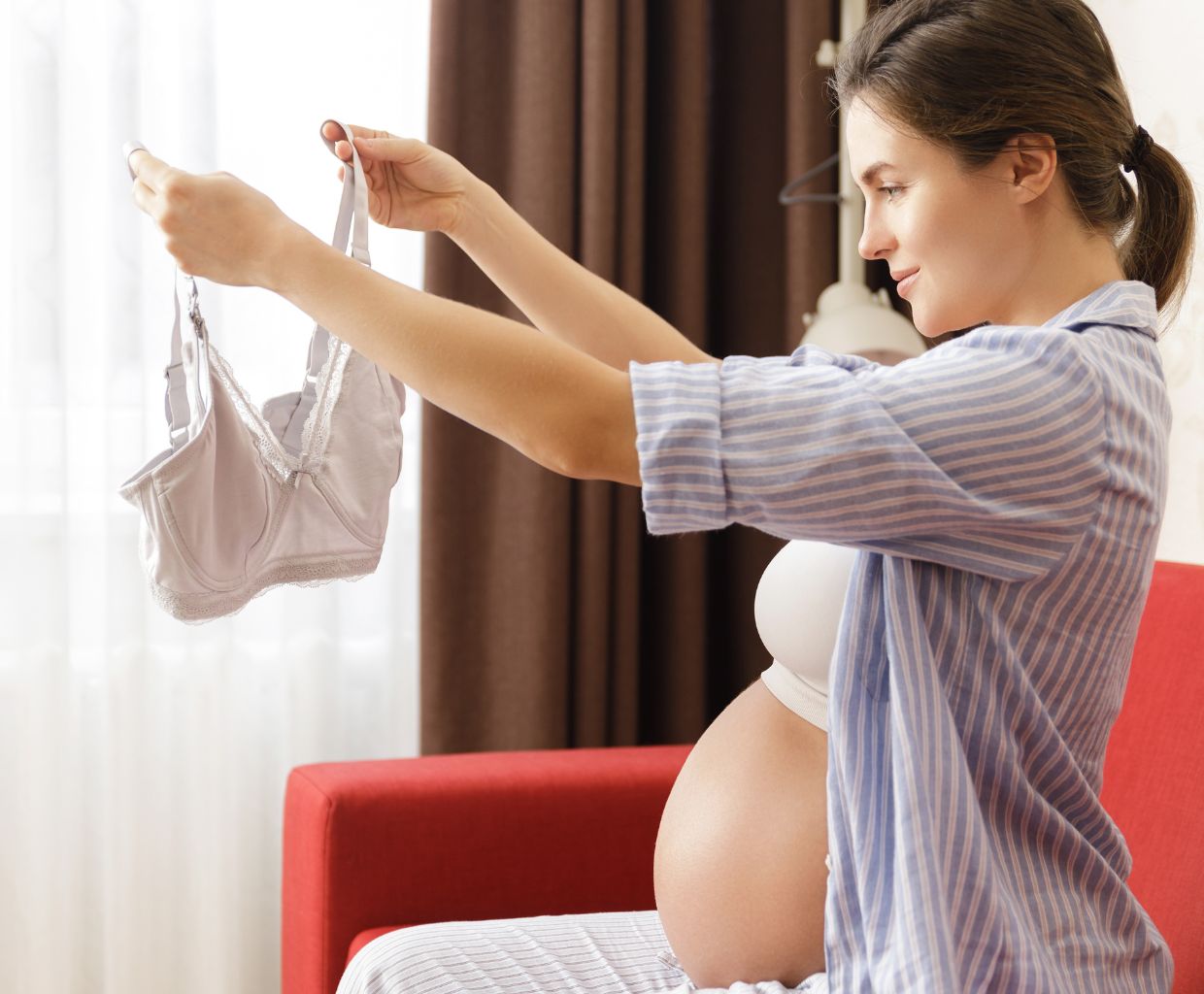
Nursing Bra Buying Guide: Fit, Types and When to Buy
How to choose a nursing bra: the main types, how it should fit, when to buy, how many you need, and what the evidence says about underwire.

Breastfeeding Cover Guide: Types, Safety and Your Rights
Do you need a breastfeeding cover? Compare types, learn what to look for and how to use one safely, and know your legal right to nurse in public.
Best Bottles for Breastfed Babies: How to Choose One That Works
How to choose a bottle for a breastfed baby: nipple flow and shape, glass vs plastic vs steel, BPA, cleaning, and what to try when your baby refuses.
Combination Feeding: How to Mix Breastfeeding and Formula
How to start combination feeding with breast milk and formula, protect your milk supply, and prepare formula safely the way the CDC recommends.