Nursing Pajamas and Nightgowns: What to Look For for Night Feeds
By Breastfeeding Mom Editorial TeamUpdated 5 min read
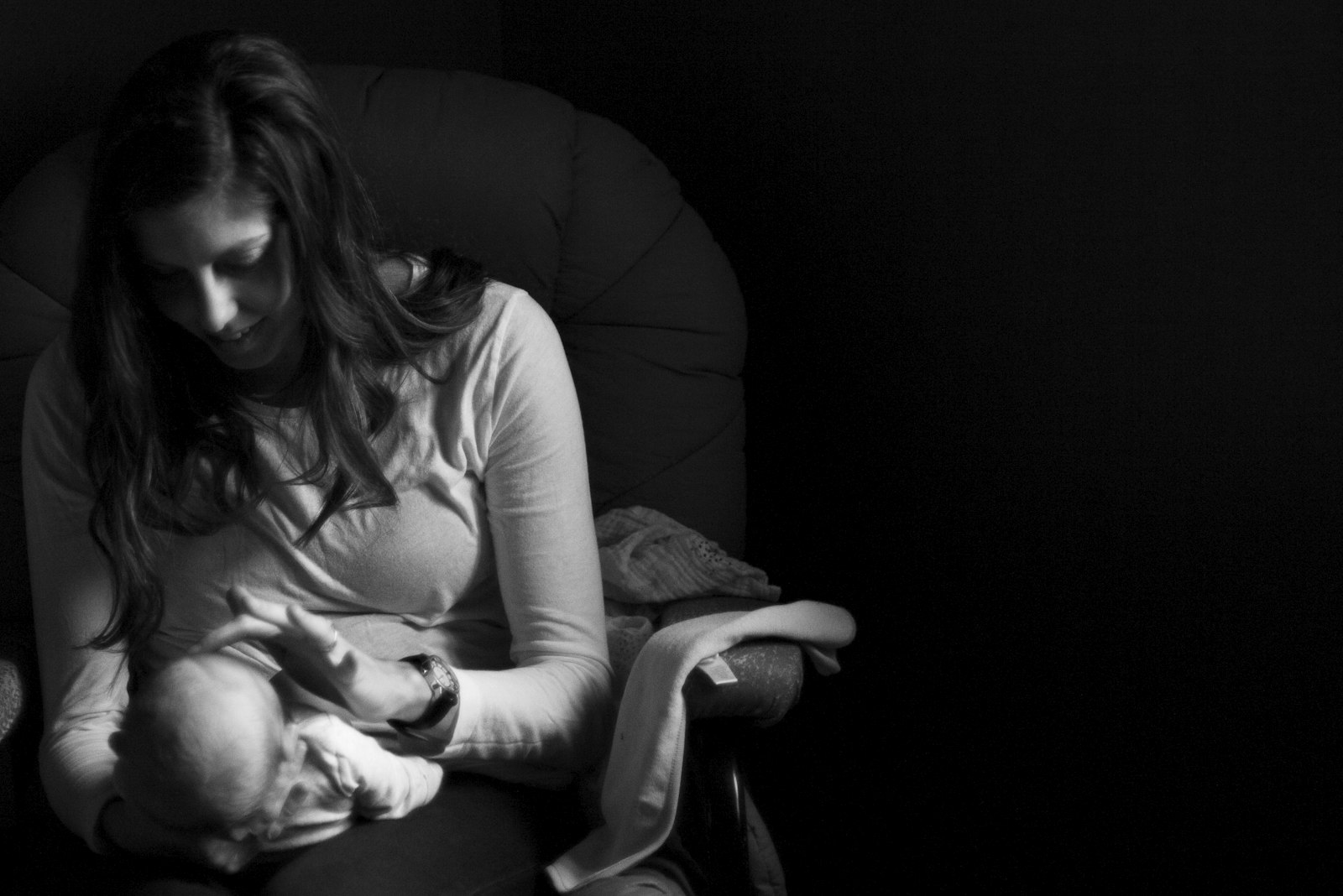
Night feeds are a big part of life with a newborn, and fumbling with buttons or pulling a top over your head at 3 a.m. gets old fast. Nursing pajamas and nursing nightgowns are sleepwear with a built-in opening, so you can feed, settle your baby and get back to sleep with less fuss.
This guide covers the access styles, support options, fabrics for postpartum sweating, what to pack for the hospital, and a few safe-sleep reminders. We don’t rank brands or test products; we explain what to look for so you can choose for yourself.
Do you need nursing pajamas?
No. The NHS hospital bag checklist suggests nightwear that is front-opening or loose-fitting if you’re going to breastfeed, which many ordinary pajamas already are. The AAP’s page on nursing supplies says special equipment is an extra, and notes that shirts that lift easily and blouses that unbutton from the bottom up work well.
Nursing sleepwear earns its place if your current pajamas don’t open at the front, if you want coverage when visitors or a partner are around, or if you’d like built-in support instead of a separate bra.
Access styles for night feeds
| Style | How it works | Best for |
|---|---|---|
| Button-front top or gown | Unbutton from the neckline | Coverage; looks like regular pajamas |
| Wrap or crossover top | Pull one side aside | Fastest access in the dark |
| Pull-aside panels | Overlapping fabric layers over each breast | Discreet; nothing to fasten |
| Drop-cup with built-in shelf | Clip or flap at the shoulder, like a nursing bra | Support and access in one piece |
| Loose V-neck or scoop neck | Pull the neckline down | Simple and soft, if the fabric has stretch |
A nightgown is easier for diaper changes on yourself and for skin-to-skin in the first days. A two-piece set lets you change just the top after a leak, and pants feel warmer and more covered for night wandering.
Support at night: bra, shelf or nothing
La Leche League says you might find it comfortable to wear a bra fairly often during the first 2 to 6 weeks, when engorgement and heavy breasts are common. After that, or if you’re more comfortable without one, it says there is no reason you can’t take it off for sleeping.
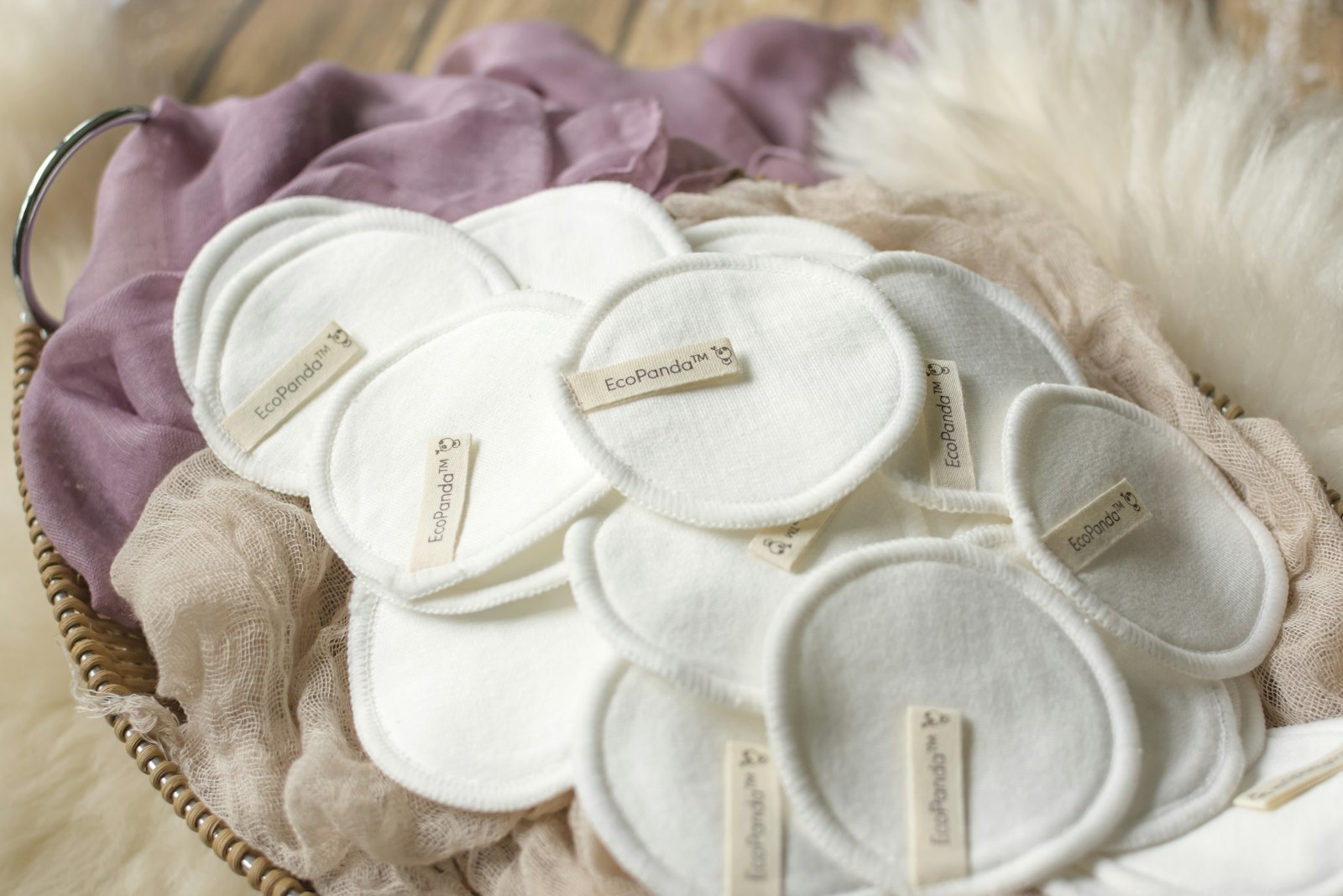
Leaking is the other reason people wear something at night. La Leche League notes that many people wear nursing pads overnight in the early weeks, and that a maternity tank with a built-in shelf bra can hold pads in place if you don’t want a bra. It also suggests keeping a bath towel or cloth in bed, or lying on one, to protect the sheets. Our guide to nursing pads covers disposable and washable options.
Whatever you choose, leave room. La Leche League advises that a night bra should be big enough or stretchy enough to allow for your breasts filling overnight, because a bra that is too tight can cause soreness and potential problems such as blocked ducts. For daytime fit and sizing, see our nursing bra guide.
Fabrics for night sweats
Many new parents wake up drenched. Cleveland Clinic describes postpartum night sweats as common in the first few weeks after birth, caused mainly by the drop in hormone levels and the body shedding extra fluid from pregnancy. It says they tend to be worst in the first two weeks and may last longer if you’re breastfeeding, because prolactin keeps estrogen low.
Its suggestions for coping include light pajamas made of cotton or silk, cotton sheets, a towel under your body, a fan or open window, a second pillowcase and a waterproof mattress protector, and plenty of water.
When you shop, that points to:
- Breathable fabrics such as cotton, cotton-modal blends or silk, rather than heavy fleece
- Layers you can shed, like a short-sleeved top with a separate cardigan for night feeds in a cold room
- Dark or patterned colors if leaks and spit-up bother you
- A spare set by the bed, so a change takes seconds
What to look for when you shop
- An opening you can work with one hand while holding your baby
- No tight bands across the bust; the NHS advises avoiding tight clothes or bras if you have a blocked duct
- Room under the top for a sleep bra and pads
- Soft seams and no scratchy labels near your nipples
- A waistband that sits comfortably over a sore tummy or C-section incision
- Machine-washable fabric that survives frequent hot or warm washes as the care label allows
- Pockets in a robe or pants for a phone, lip balm or nipple cream
Packing for the hospital
The NHS checklist suggests packing front-opening or loose nightwear, a robe and slippers, two or three comfortable bras (including nursing bras if you plan to breastfeed), breast pads, several pairs of underwear and maternity pads. A dark-colored nightgown or pajama set is practical in the first days, since postpartum bleeding and leaks are both likely.
Safe sleep after a night feed
Comfortable sleepwear makes it easier to doze off, which is good for you but needs a plan for your baby. The AAP recommends sharing a room but not a bed. If you bring your baby into your bed to feed or comfort them, place them back in their own sleep space before you go to sleep. If there’s any chance you might fall asleep, remove pillows, blankets, sheets and other items that could cover your baby’s face, head or neck or lead to overheating, and if you do fall asleep, move your baby back as soon as you wake up.
The AAP also warns that the risk of sleep-related infant death is up to 67 times higher when infants sleep with someone on a couch, soft armchair or cushion, so avoid feeding where you might nod off. If you feed lying down, our guide to side-lying breastfeeding covers how to do it safely, and our page on what to do when your baby falls asleep while breastfeeding explains how to move a sleepy baby.
If you’d also like a daytime option with the same easy access, see our guide to nursing dresses. More early-days guides are in our breastfeeding basics hub.
When to call a doctor or lactation consultant
- Night sweats with fever, chills or pain. Cleveland Clinic says these can be a sign of infection and advises checking with your provider if night sweats last longer than three weeks.
- A painful lump or hot, swollen area of the breast, or flu-like symptoms. The NHS lists these as possible signs of a blocked duct or mastitis and advises contacting a doctor if you feel worse or aren’t better within 12 to 24 hours.
- Feeds that hurt, nipples that crack or bleed, or a baby who seems to struggle to latch at night. A lactation consultant (IBCLC) can help.
- Call 911 if your baby is not breathing, turns blue, or is limp or unresponsive.
Shop on Amazon
Shop what this guide covers
Paid links: as an Amazon Associate we earn from qualifying purchases, at no extra cost to you. Links never change what we recommend. Disclosure
Frequently asked questions
Do I need a bra under nursing pajamas?
Not necessarily. La Leche League says that after early engorgement it's up to your comfort whether you wear a bra at night. Many people wear a soft sleep bra or a tank with a built-in shelf bra mainly to hold nursing pads if they leak.
How many pairs of nursing pajamas do I need?
Two or three is a common choice, because night leaks and spit-up mean frequent changes. Cleveland Clinic notes that postpartum night sweats can mean changing clothes in the middle of the night, so a spare set by the bed helps.
Are button or wrap nursing pajamas easier at night?
Wraps and pull-aside panels are usually faster in the dark because there's nothing to fasten. Buttons give more coverage for visitors, but large or snap buttons are easier than small ones when you're half asleep.
Can I wear a nursing nightgown in the hospital?
Yes. The NHS hospital bag checklist suggests front-opening or loose-fitting nightwear if you're going to breastfeed, plus comfortable nursing bras and breast pads. A gown that opens at the front also helps with skin-to-skin contact.
Sources
- NHS: Hospital bag checklisthttps://www.nhs.uk/best-start-in-life/pregnancy/preparing-for-labour-and-birth/hospital-bag-checklist/
- La Leche League International: Brashttps://llli.org/breastfeeding-info/bras/
- Cleveland Clinic: Postpartum Night Sweatshttps://my.clevelandclinic.org/health/symptoms/24631-postpartum-night-sweats
- HealthyChildren.org (AAP): Nursing Supplieshttps://www.healthychildren.org/English/ages-stages/baby/breastfeeding/pages/Nursing-Supplies.aspx
- HealthyChildren.org (AAP): How to Keep Your Sleeping Baby Safehttps://www.healthychildren.org/English/ages-stages/baby/sleep/Pages/A-Parents-Guide-to-Safe-Sleep.aspx
- NHS: Breast pain and breastfeedinghttps://www.nhs.uk/baby/breastfeeding-and-bottle-feeding/breastfeeding-problems/breast-pain/
This guide is general information, not medical advice. For your own situation, talk to your doctor, midwife, pharmacist or an IBCLC lactation consultant. Read our medical disclaimer and find breastfeeding support near you.
Related articles
Nursing Dresses: Access Styles, Fabrics and Fit for Breastfeeding
How to choose a nursing dress: wrap, hidden zip, button-front and double-layer styles, pumping access, fabrics, and fit while your body keeps changing.
Labor and Delivery Gown: Do You Need One, and What to Look For
Whether to bring your own labor and delivery gown or robe, and what to check: front access for skin-to-skin and breastfeeding, epidural and monitor access.
Nursing Bra Buying Guide: Fit, Types and When to Buy
How to choose a nursing bra: the main types, how it should fit, when to buy, how many you need, and what the evidence says about underwire.
Nursing Pads: Disposable vs Reusable and What to Look For
Do you need nursing pads? Disposable vs reusable, why plastic liners are best avoided, how often to change them and how to keep nipples dry.