Hospital Bag Checklist: What to Pack for You, Baby and Your Partner
By Breastfeeding Mom Editorial TeamUpdated 6 min read
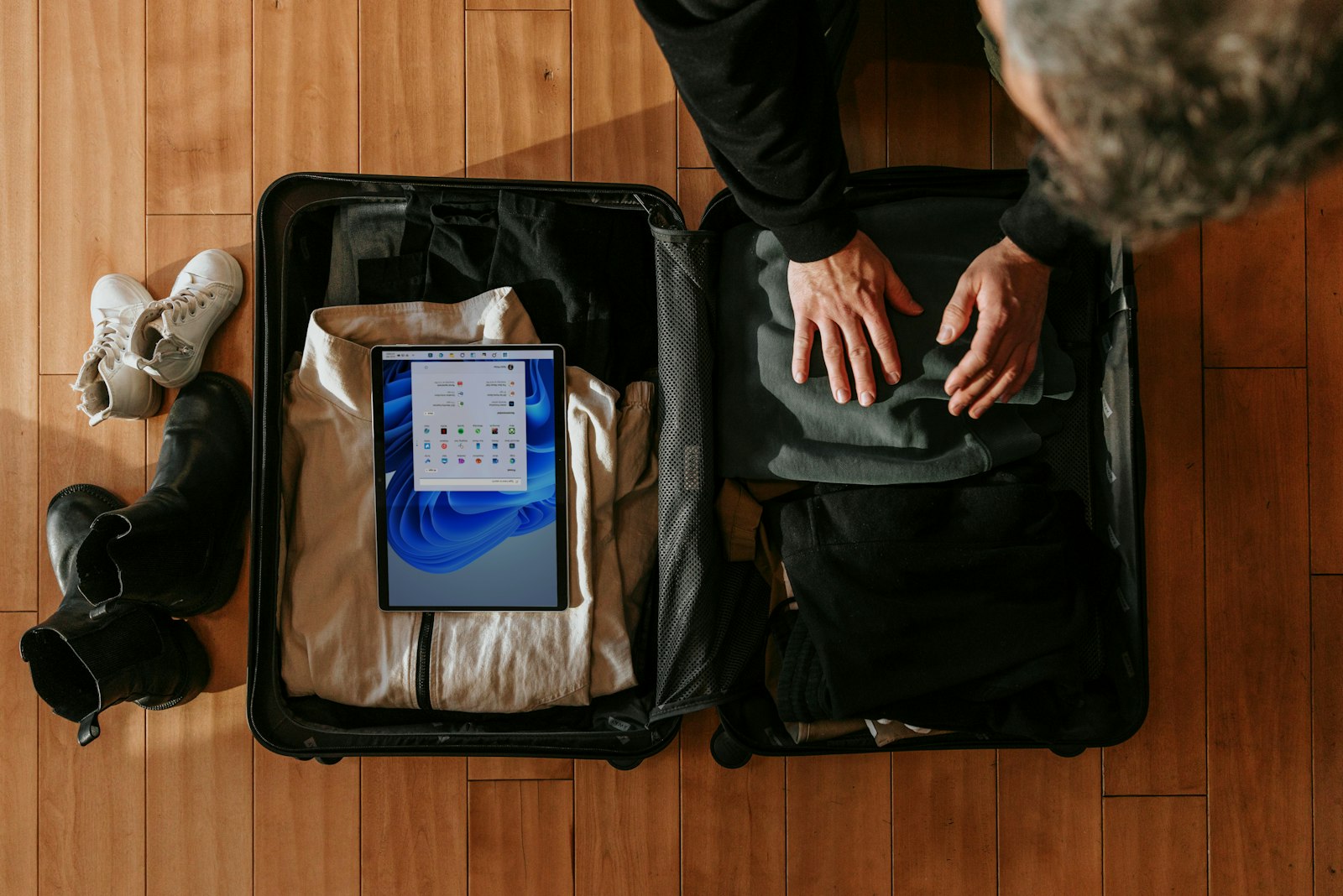
Packing a hospital bag is one of the few parts of birth you can fully control. A good bag is not a big one: it holds what keeps you comfortable, what makes the first feeds easier and what your baby needs for the trip home.
This checklist covers you, your baby and your birth partner, with extra attention to breastfeeding. It is based on the NHS hospital bag checklist, adapted for U.S. hospitals, plus car seat guidance from the American Academy of Pediatrics (AAP) and the National Highway Traffic Safety Administration (NHTSA).
When to pack your hospital bag
The NHS notes that only about 1 in 20 babies arrives on the due date, and suggests having your bag packed at least 3 weeks before the due date in case your baby comes early. Keep it by the door or in the car, with a short note of the last-minute items (phone charger, glasses, medicines) you will add on the day.
First, ask your hospital what they provide
Hospitals vary a lot. Some supply maternity pads, disposable underwear, diapers, wipes and a peri bottle; others expect you to bring most of it. Rules also differ on your own pillows, food, electrical items and how many people can stay overnight. Ask on your hospital tour, at a prenatal appointment or by calling the labor and delivery unit, then cut the list below to match.
What to pack for you
The NHS list for the birthing parent includes:
- Your paperwork: birth plan and hospital notes (plus, in the U.S., your ID and insurance card)
- Loose, comfortable clothes for labor, plus 3 changes of clothes for after
- A robe and slippers or flip-flops (handy for the shower)
- Socks
- 5 or 6 pairs of underwear. The NHS says disposable ones may be useful.
- 2 packs of super-absorbent maternity pads. You will bleed after the birth (lochia), and the NHS says you will need super-absorbent pads at first. It also advises against tampons until after your postnatal check. Our guide to postpartum pads explains what to expect.
- A wash bag: toothbrush, toothpaste, hairbrush, soap, lip balm, deodorant, hair ties, hand sanitizer and body lotion
- An eye mask, which the NHS says may help you sleep on a brightly lit ward
- Towels and your own pillow, if your hospital allows them
- Snacks, drinks and a water bottle (one with a straw is easier to use while feeding)
- Any medicines you take
- Phone and charger, ideally with an extra-long cable or a battery pack
- Spare glasses or contact lenses
- Something to pass the time: a book, podcasts or a playlist
- A spare bag for dirty laundry
After a vaginal birth, ACOG lists cold packs and witch hazel pads among the ways to ease perineal pain. See our guides to padsicles and sitz baths for how they are used at home.
Breastfeeding items for your bag
You need very little to breastfeed. HealthyChildren.org, the AAP’s parent site, says special equipment is extra and that all you really need are your breasts and a hungry baby. A few things make the first days easier:
- 1 or 2 nursing bras. The AAP suggests buying at least one or two while pregnant to have for the hospital, taking your best guess at size, then getting fitted after the birth. A nursing bra should never be tight or constricting. Our nursing bra guide covers fit and styles.
- Front-opening or loose nightwear. The NHS recommends front-opening or loose-fitting nightwear if you plan to breastfeed.
- Breast pads. The NHS includes them on its list, and a few take up almost no space in case you leak. See our nursing pads guide.
- Nipple care. Nipple cream or lanolin is optional. If feeding hurts, ask a nurse or the hospital’s lactation consultant to watch a feed and check the latch before you go home.
- A nursing pillow, if you like. The AAP calls nursing pillows optional; some parents find them easier than stacking hospital pillows. The AAP says not to use nursing pillows for sleep, so move your baby to a flat, firm sleep space after a feed.
- Colostrum syringes, only if advised. If your doctor or midwife suggested collecting colostrum before birth, bring the frozen syringes in a cooler bag and ask the unit how they want them labeled and stored. Don’t start expressing before birth unless your provider has said it’s right for you.
What to pack for your baby
From the NHS list, converted to U.S. terms:
- Bodysuits and sleepers
- A going-home outfit
- A hat, scratch mittens, and socks or booties
- A blanket
- Diapers and wipes (or cotton balls and water)
- A few burp cloths or muslin cloths
- A car seat for the trip home (see below)
Newborn sizes are only worn for a short time, so two or three outfits are enough for the stay.
The car seat: install it before your due date
You’ll need a car seat for the ride home, and installing one for the first time during labor is stressful. The AAP says all infants should ride rear-facing, starting with their first ride home from the hospital. NHTSA says a child under age 1 should always ride in a rear-facing car seat.
Before your due date:
- Choose a rear-facing seat (an infant-only seat or a convertible or all-in-one seat used rear-facing) that fits your car.
- Install it using the seat’s instructions and your vehicle manual. NHTSA advises always following both.
- Get it checked. The AAP suggests working with a certified child passenger safety technician before your baby is born. NHTSA lists inspection stations.
- Never put a rear-facing seat in front of an active passenger airbag. The AAP warns the airbag could hit the back of the seat, right against your baby’s head.
- Practice the harness. The AAP says the straps should be snug, with no slack you can pinch, and the chest clip level with the armpits.
The AAP also says babies born preterm should be screened in the hospital to make sure they can sit safely in a semi-reclined position.
What to pack for your birth partner
- A change of clothes
- Toothbrush, toothpaste and deodorant
- Phone and charger, plus a camera if you want one
- Snacks and drinks
- Any medicines they take
- Spare glasses or contact lenses
- Change or a card for parking and vending machines
C-section and longer stays
ACOG says a hospital stay after a cesarean birth is usually 2 to 4 days. If you have a planned cesarean, add a few more changes of clothes, underwear with a high waist that sits above the incision, and loose clothes for going home. Our guide to breastfeeding after a C-section covers positions that keep pressure off the wound.
When to call your doctor or midwife
Your provider or hospital will tell you when to call or come in, so keep their numbers in your phone and on your bag. If you think labor has started, or anything feels wrong, call them rather than waiting: never delay going in because your bag isn’t ready. The hospital has the basics you need.
For more on the first feeds, see our breastfeeding basics hub, and use our newborn essentials list for what to have ready at home.
Shop on Amazon
Shop what this guide covers
Paid links: as an Amazon Associate we earn from qualifying purchases, at no extra cost to you. Links never change what we recommend. Disclosure
Frequently asked questions
Should I pack a breast pump for the hospital?
Ask your hospital first. If your baby may need special care, or you've been told you might need to express milk, ask whether a hospital pump is available on the unit and whether you should bring your own pump parts.
What should my baby wear in the car seat on the way home?
Thin layers. HealthyChildren.org (AAP) says bulky clothing such as winter coats and snowsuits can compress in a crash and leave the straps too loose. Buckle your baby in first, then tuck a coat or blanket over the harness if it's cold.
Can I use a secondhand car seat?
Only if you know its history. The AAP advises against seats that are too old (check the date of manufacture on the label), have no label, have been recalled or were in a moderate or severe crash. If you're unsure, a new seat is the safer choice.
Do I need a different bag for a planned C-section?
The same list works, with a few extras: high-waisted underwear that won't rub the incision, loose clothes and slip-on shoes. ACOG says a hospital stay after a cesarean birth is usually 2 to 4 days, so pack enough for that.
Sources
- NHS: Hospital bag checklist – what to pack for you and your babyhttps://www.nhs.uk/best-start-in-life/pregnancy/preparing-for-labour-and-birth/hospital-bag-checklist/
- HealthyChildren.org (AAP): Nursing Supplieshttps://www.healthychildren.org/English/ages-stages/baby/breastfeeding/pages/Nursing-Supplies.aspx
- HealthyChildren.org (AAP): Car Seats: Information for Familieshttps://www.healthychildren.org/English/safety-prevention/on-the-go/Pages/Car-Safety-Seats-Information-for-Families.aspx
- NHTSA: Car Seats and Booster Seatshttps://www.nhtsa.gov/vehicle-safety/car-seats-and-booster-seats
- ACOG: Cesarean Birthhttps://www.acog.org/womens-health/faqs/cesarean-birth
- NHS: Your body after the birthhttps://www.nhs.uk/pregnancy/labour-and-birth/your-body/
- ACOG: Postpartum Pain Managementhttps://www.acog.org/womens-health/faqs/postpartum-pain-management
- HealthyChildren.org (AAP): How to Keep Your Sleeping Baby Safe: AAP Policy Explainedhttps://www.healthychildren.org/English/ages-stages/baby/sleep/Pages/A-Parents-Guide-to-Safe-Sleep.aspx
This guide is general information, not medical advice. For your own situation, talk to your doctor, midwife, pharmacist or an IBCLC lactation consultant. Read our medical disclaimer and find breastfeeding support near you.
Related articles
Newborn Essentials: A Minimal, Evidence-Based List for the First Month
The newborn essentials you actually need for the first month: a safe sleep space, car seat, diapers, clothes, feeding basics, and what not to buy.
Labor and Delivery Gown: Do You Need One, and What to Look For
Whether to bring your own labor and delivery gown or robe, and what to check: front access for skin-to-skin and breastfeeding, epidural and monitor access.

Breastfeeding After a C-Section: First Feeds, Positions and Pain Relief
How to breastfeed after a C-section: skin-to-skin in the OR, comfortable positions that protect your incision, pain relief, and help if milk is slow.
Nursing Pads: Disposable vs Reusable and What to Look For
Do you need nursing pads? Disposable vs reusable, why plastic liners are best avoided, how often to change them and how to keep nipples dry.