Lanolin for Breastfeeding: What It Is, Does It Work, and How to Use It
By Breastfeeding Mom Editorial TeamUpdated 6 min read
If your nipples are sore in the early days of breastfeeding, you may have been handed a tube of lanolin or seen it on a baby-shopping list. But what is it, does it actually help, and do you need it at all?
Here’s what the research and the main breastfeeding organizations say, so you can decide for yourself. For the bigger picture on why nipples get sore in the first place, start with our guide to sore nipples while breastfeeding.
What is lanolin?
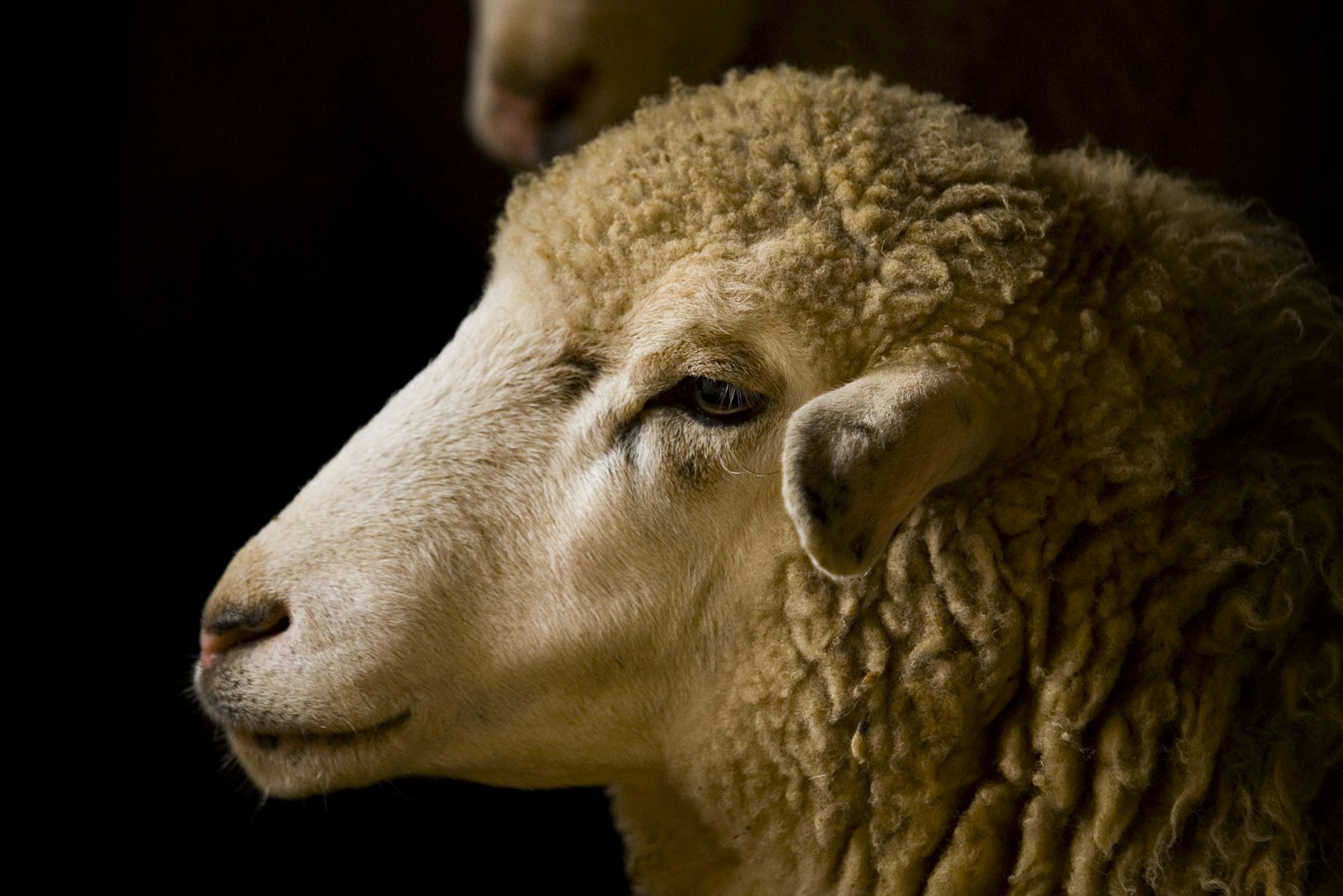
Lanolin is a natural, waxy fat from sheep’s wool. LactMed, the NIH database on medicines and breastfeeding, describes it as a yellow fat obtained from wool that has traditionally been used on sore, cracked nipples.
On nipples it works as a moisture barrier. La Leche League explains that it slows the loss of moisture from the skin, which supports what’s called moist wound healing: the skin heals while staying soft instead of forming dry scabs.
Purified vs regular lanolin
Not all lanolin is the same. According to LactMed, highly purified lanolin has pesticide and detergent residues removed and its natural free alcohols reduced to below 1.5%, to improve safety and lower the chance of an allergic reaction. La Leche League also refers to ultrapure, modified lanolin. If you buy lanolin for your nipples, look for a highly purified product sold for breastfeeding, and read the label.
Does lanolin work for sore nipples?
This is where it pays to be honest: the evidence is mixed, and the best-quality summary doesn’t show a clear benefit.
| Source | What it found |
|---|---|
| Cochrane review (2014): 4 trials, 656 women | One trial found no clear difference in nipple pain between lanolin and applying nothing. Women who applied expressed breast milk had less pain than the lanolin group after 4–5 days, but that difference was gone by 6–7 days. Overall there was insufficient evidence to recommend any treatment, and the evidence was rated low quality. |
| Cochrane review conclusion | Applying nothing or just expressed breast milk may be equally or more helpful in the short term than an ointment such as lanolin. |
| Cochrane review, all treatments | For most women, nipple pain dropped to mild levels about 7–10 days after birth, whatever they used. |
| LactMed summary | LactMed says lanolin appears to be effective for preventing and treating nipple pain during breastfeeding, but most studies have not found it consistently different from breast milk, hydrogel dressings, peppermint gel, aloe vera or warm compresses. One meta-analysis suggested nothing or breast milk may be better than lanolin, though LactMed notes good studies are lacking, while a randomized trial in 180 mothers and a more recent meta-analysis found lanolin better than breast milk or routine care. |
| LactMed on prevention | Lanolin does not appear to work as a preventive started before delivery. |
La Leche League describes lanolin as very soothing, and if you don’t have a wool allergy it’s fine to use if it helps you. But it isn’t a proven fix, and it won’t heal damage that keeps happening because of a shallow latch. The NHS says the most common cause of nipple pain is a baby who isn’t latched on properly, and that getting help with this early matters most.
Who should not use lanolin
- People with a wool allergy. LactMed says that even highly purified lanolin should be avoided if you have a known allergy to wool.
- If your nipples get worse after using it. ABM Protocol #26 on persistent breastfeeding pain lists lanolin among common causes of allergic contact dermatitis on the nipple, along with topical antibiotics, chamomile, vitamins A and E and fragrances. If you notice new redness, itching, a rash or more pain after starting a cream, stop using it and let your doctor or lactation consultant know.
- If you have thrush. La Leche League says lanolin and gel pads are not recommended if you have a yeast infection. Our thrush guide explains the signs and why diagnosis can be tricky.
How to apply lanolin
La Leche League gives these steps:
- Start with clean hands.
- Take a pea-sized amount between your fingertips.
- Pat it gently onto the nipple and areola after a feed. Don’t rub it in.
Do you need to wipe it off before feeding?
La Leche League says highly purified lanolin does not need to be removed before feedings and describes it as safe for your baby to ingest. Check your product’s label too, since instructions can differ.
If you pump, the FDA says you don’t need to wash your breasts before pumping unless you’ve used a cream, ointment or other product that must be removed first. Check the label of whatever you’re using and ask your doctor if you’re unsure. Sore nipples from pumping are often a fit problem, so check your flange size with our flange size calculator.
Alternatives to lanolin
| Option | What sources say |
|---|---|
| Your own milk | La Leche League suggests expressing a little milk or colostrum onto your nipples after feeds. It’s free, and the Cochrane review found it may be as helpful as lanolin in the short term. La Leche League says not to use it when soreness is due to thrush. |
| Nothing at all | In the Cochrane review, applying nothing did about as well as lanolin for pain. |
| Hydrogel pads | La Leche League says gel pads may relieve soreness, but the Cochrane review found no evidence that glycerine gel dressings significantly improved nipple pain. |
| Simple skin care | The NHS suggests letting nipples dry after each feed, changing breast pads after every feed, avoiding soap and wearing cotton, non-underwired bras. Our nursing pads guide covers how to keep skin dry. |
| Nipple shields and breast shells | The NHS says to avoid them because they won’t improve your baby’s attachment. A lactation consultant may still suggest a nipple shield in specific situations. |
The fix that matters most: the latch
La Leche League and the NHS both put the latch first: creams and gels are comfort measures while the cause is found and fixed. La Leche League says that with good positioning and latch, you can expect little or no nipple soreness, and that it is rarely necessary to stop breastfeeding because of sore nipples. The NHS advises not shortening feeds, because it won’t ease the pain and may lower your milk supply.
Try a deeper latch and different holds: our guide on how to breastfeed walks through positioning step by step. If your baby keeps slipping off or clicking, ask about tongue tie.
When to call your doctor or a lactation consultant
Get help from a lactation consultant (IBCLC), midwife or doctor if:
- Every feed hurts, or your nipples are cracked or bleeding (the NHS says cracked or bleeding nipples raise the risk of infection)
- Pain isn’t getting better over the first days, or it gets worse
- You have a rash, itching or new redness after using lanolin or another cream
- A crack looks infected, with pus, yellow crusting or spreading redness
- You have burning or shooting pain, or a red, painful area of the breast with fever or chills
- Your baby isn’t gaining weight well or has fewer wet diapers than expected
Our breastfeeding support page explains where to find a lactation consultant, and our breastfeeding problems hub covers other common challenges.
Shop on Amazon
Shop what this guide covers
Paid links: as an Amazon Associate we earn from qualifying purchases, at no extra cost to you. Links never change what we recommend. Disclosure
Frequently asked questions
What is lanolin made of?
LactMed describes lanolin as a yellow fat obtained from sheep's wool. Highly purified versions have pesticide and detergent residues removed and their natural free alcohols reduced to make them safer and less likely to cause allergy.
Is lanolin safe for my baby to swallow?
La Leche League describes highly purified lanolin as an emollient that is safe for the baby to ingest and says it does not need to be removed before feedings. Use only a small amount and check the product label.
Can I use lanolin if I have thrush?
La Leche League says lanolin and gel pads are not recommended if you have a yeast infection. If you think you have thrush, see your doctor so you and your baby can be checked.
Can I use lanolin before my baby is born to prevent sore nipples?
LactMed says lanolin does not appear to work as a preventive started before delivery. Getting help with the latch in the first days is a better use of your energy.
Sources
- LactMed (NIH): Lanolinhttps://www.ncbi.nlm.nih.gov/books/NBK501842/
- Cochrane Review: Interventions for treating painful nipples among breastfeeding women (Dennis et al., 2014)https://europepmc.org/article/MED/25506813
- La Leche League International: Breastfeeding with Sore Nippleshttps://llli.org/breastfeeding-info/breastfeeding-sore-nipples/
- Academy of Breastfeeding Medicine Clinical Protocol #26: Persistent Pain with Breastfeedinghttps://doi.org/10.1089/bfm.2016.29002.pjb
- NHS: Sore nippleshttps://www.nhs.uk/best-start-in-life/baby/feeding-your-baby/breastfeeding/breastfeeding-challenges/sore-nipples/
- FDA: Using a Breast Pumphttps://www.fda.gov/medical-devices/breast-pumps/using-breast-pump
This guide is general information, not medical advice. For your own situation, talk to your doctor, midwife, pharmacist or an IBCLC lactation consultant. Read our medical disclaimer and find breastfeeding support near you.
Related articles
Sore Nipples While Breastfeeding: Causes and Relief
Why breastfeeding can make your nipples sore or cracked, what helps them heal, what the evidence says about lanolin, and when to get help.

Thrush While Breastfeeding: Signs in Baby and You, and What Helps
White patches in your baby's mouth or burning nipples? Learn the signs of thrush while breastfeeding, how it's treated and what newer research says.

Nipple Shield: When It Helps, How to Use It and How to Wean Off
A nipple shield can rescue a tricky latch, but it isn't a fix for everything. Learn when it helps, how to fit and use it, and how to wean off.
Mastitis: Symptoms, Treatment and When to Get Help
Red, painful breast and flu-like aches? Learn the signs of mastitis, current treatment advice, when antibiotics are needed and when to seek urgent care.