Nipple Cream for Breastfeeding: What Works and What to Look For
By Breastfeeding Mom Editorial TeamUpdated 6 min read
When your nipples are sore, a tube of nipple cream feels like the obvious fix. Many hospitals hand one out, and most baby registries include one. But the research on nipple creams is more modest than the marketing: creams can soothe, and some people like them a lot, yet none has been shown to reliably speed healing.
This guide explains the main types of nipple cream and similar products, what the studies show, how to choose and use one safely, and when soreness needs more than a cream. We don’t review or rank brands. If you’re still working out why your nipples hurt, start with our guide to sore nipples.
Does nipple cream work?
The best summary comes from a 2014 Cochrane review of four good-quality trials with 656 women. It compared glycerine gel pads, lanolin with breast shells, lanolin alone, expressed breast milk and an all-purpose nipple ointment. The reviewers found insufficient evidence that any of them improved nipple pain, and suggested that applying nothing or just expressed breast milk may be as good as, or better than, an ointment such as lanolin in the short term. They rated the overall evidence as low quality, mainly because each comparison relied on small single studies.
The review’s most useful finding was about time: whatever women used, nipple pain fell to mild levels for most of them about 7 to 10 days after birth.
Later studies haven’t settled the question. A 2017 trial randomly assigned 186 women with damaged nipples to lanolin or usual care. Pain at day 4 was no different between the groups, though more women in the lanolin group were satisfied with their treatment. LactMed, the NIH’s database on medicines and breastfeeding, sums up a mixed picture: it says lanolin appears effective for nipple pain and cites a newer meta-analysis favoring it over routine care, but other studies found it no different from breast milk or hydrogel dressings, an earlier meta-analysis suggested that nothing or breast milk may be superior, and good studies are lacking.
What this means for you: a nipple cream is a comfort measure. It’s fine to use one if it helps you feel better, but it won’t fix pain caused by a shallow latch, a poorly fitting pump flange or an infection.
Types of nipple cream and alternatives
| Option | What it is | What to know |
|---|---|---|
| Highly purified lanolin | A wax from sheep’s wool, purified to remove residues and lower allergy risk | Most studied. Mixed evidence. LLLI says it doesn’t need to be removed before feeds. Avoid if you’re allergic to wool. |
| Expressed breast milk | A few drops of your own milk rubbed gently on the nipple after a feed | Free and easy to try. In one trial it eased pain more than lanolin at days 4 to 5, but the difference was gone by days 6 to 7. Skip it if you have thrush. |
| Hydrogel (gel) pads | Cool, moist pads placed over the nipple between feeds | Many people find them soothing. Trials haven’t shown that they reduce pain. Remove and clean before feeding. |
| Plant-based balms and oils | Products based on oils, butters or herbal extracts | Only small studies; LactMed mentions a few on olive oil and coconut oil compared with lanolin. Check every ingredient and whether it needs wiping off before feeds. |
| All-purpose nipple ointment (APNO) | A prescription mix compounded by a pharmacy, usually an antibiotic, a steroid and an antifungal | Not better than lanolin in a trial. Only with a prescription and follow-up. |
Lanolin
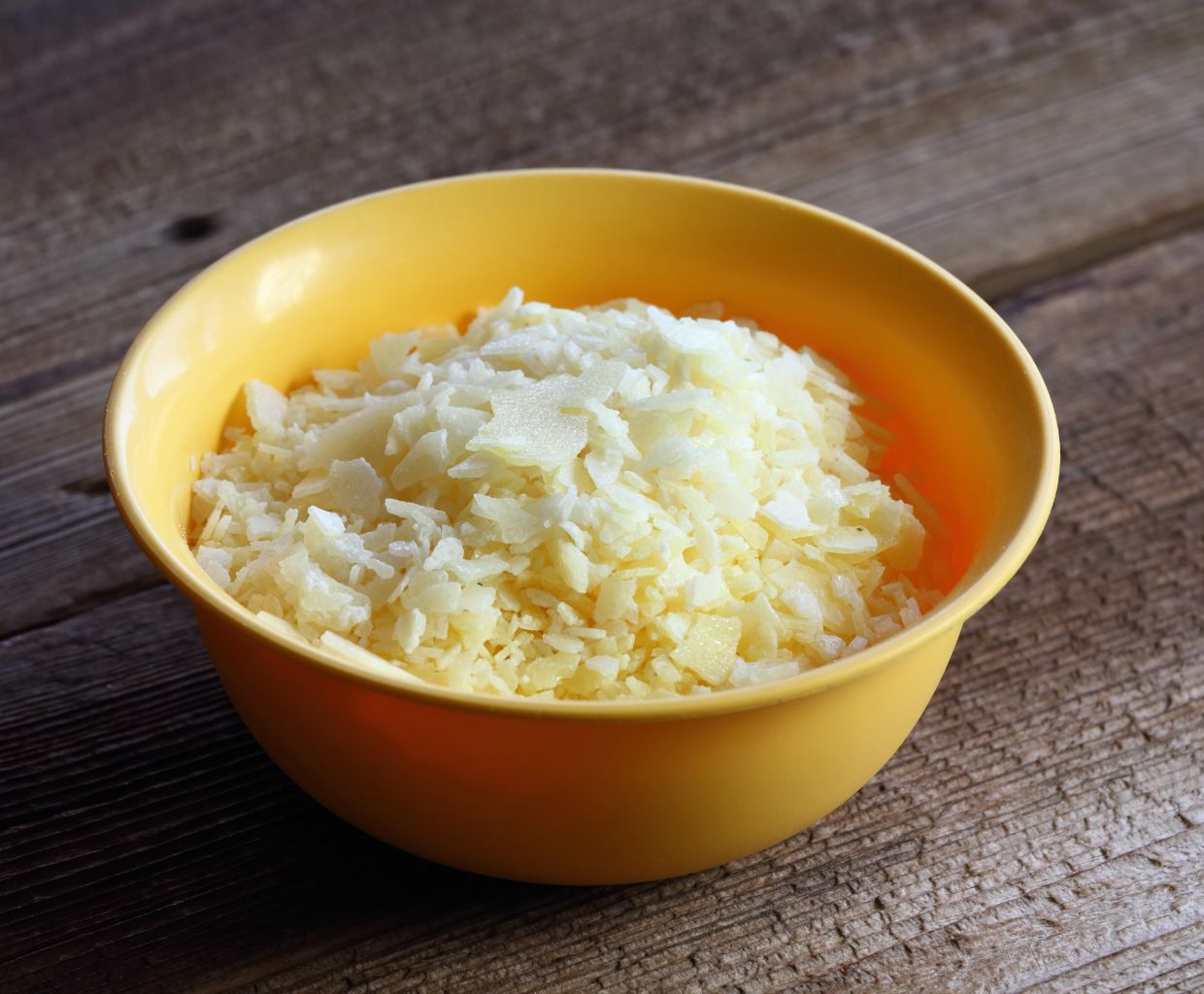
Lanolin is the classic nipple cream. LactMed explains that highly purified lanolin products have pesticide and detergent residues removed and natural free alcohols reduced to lower the risk of allergy. La Leche League International (LLLI) suggests taking a pea-sized amount between clean fingertips and gently patting it onto the nipple and areola after a feed rather than rubbing it in.
LactMed also notes that lanolin used before birth hasn’t been shown to prevent sore nipples.
Expressed breast milk
LLLI suggests expressing a little milk or colostrum onto your nipples after a feed and letting it dry. It costs nothing, and the Cochrane review found it may be as helpful as ointments in the short term. LLLI advises against it when soreness is caused by thrush.
Hydrogel pads
Hydrogel pads keep the area moist and cool. LLLI says they may provide relief from soreness and promote healing, while the 2022 review says hydrogel has not been shown to improve healing. The Cochrane review found no clear benefit for glycerine gel pads on pain. LLLI says neither lanolin nor gel pads are recommended if you have a yeast infection.
All-purpose nipple ointment (APNO)
APNO is a compounded prescription ointment. It is usually made from mupirocin (an antibiotic), betamethasone (a steroid) and miconazole (an antifungal). In a 2012 double-blind trial of 151 women with damaged nipples, APNO did not reduce pain more than lanolin after one week, and women in the lanolin group were more satisfied with their feeding method.
There are also safety points about the ingredients. LactMed says topical betamethasone should be avoided on the nipple, where a baby could swallow it, and that only lower-potency steroids should be used there. It describes mupirocin on the nipples as relatively ineffective for sore, cracked nipples. A 2022 review argues that many topical products, including APNO, risk over-moistening the skin. APNO may still have a place for a specific diagnosis, but only when a doctor prescribes it and checks on you.
What to look for when buying a nipple cream
- Ingredients you can trust near your baby’s mouth. Choose a product made for breastfeeding nipples, and read the full ingredient list.
- Highly purified lanolin, if you choose lanolin, and no lanolin at all if you have a wool allergy.
- Clear instructions on whether to wipe it off. Some products are meant to stay on through feeds; others need removing first.
- Water-based creams or gels for anything medicated. For medicated products such as mupirocin or steroid creams, LactMed advises using water-miscible cream or gel forms on the breast, because ointments may expose a baby to high levels of mineral paraffins when they lick the skin.
Avoid using anything with a prescription medicine on your nipples unless your doctor has prescribed it for you.
How to use nipple cream
- Fix the latch first. The Cochrane reviewers note that poor positioning or latch is a common cause of painful nipples. Our guide on how to breastfeed covers latch and positions.
- Rinse with plain water. LLLI says rinsing with clear water is enough; soap, shampoo, body wash and alcohol can dry your nipples.
- Apply a small amount after feeds, following the product directions, and let your skin dry first if you’re using breast milk.
- Stop if your skin reacts. New redness, itching or a rash where you applied a product can mean irritation or allergy.
- Keep pump parts in mind. If pumping causes the pain, check the fit with our flange size calculator.
When a cream isn’t enough
Nipple cream can’t treat infection or other causes of persistent pain. Contact a lactation consultant (IBCLC), your midwife or your doctor if:
- Every feed hurts, or pain hasn’t eased after the first week or two
- Your nipples are cracked, bleeding or not healing
- You have burning or shooting pain after weeks of comfortable feeding, which can be thrush
- Your nipple turns white or blue with throbbing pain after feeds, which can be nipple vasospasm
- A crack looks infected, with yellow crust, pus or spreading redness
- You have a fever or a red, painful area of the breast, which could be mastitis
Our breastfeeding support page lists where to find a lactation consultant. For other common challenges, visit our breastfeeding problems hub.
Shop on Amazon
Shop what this guide covers
Paid links: as an Amazon Associate we earn from qualifying purchases, at no extra cost to you. Links never change what we recommend. Disclosure
Frequently asked questions
Do I need to wipe off nipple cream before breastfeeding?
It depends on the product. La Leche League says lanolin does not need to be removed before feeds, while a 2022 review notes that hydrogel pads do need to be washed off. For anything else, follow the label, and don't feed over a medicated cream unless your doctor says it's fine.
Can I use nipple cream if I'm allergic to wool?
Lanolin comes from sheep's wool. LactMed says that even highly purified lanolin should be avoided if you have a known wool allergy. Expressed breast milk or a hydrogel pad are alternatives.
Should I use nipple cream before my baby is born?
LactMed notes that lanolin applied before delivery has not been shown to prevent nipple pain. Learning about latch and positioning before birth is more useful.
Can I use nipple cream with a breast pump?
A 2022 review suggests olive oil can reduce friction during pumping and notes that lanolin may stick. A flange that fits well matters more, so if pumping hurts, check your flange size and suction setting before reaching for a cream.
Sources
- Cochrane: Interventions for treating painful nipples among breastfeeding women (2014)https://europepmc.org/article/MED/25506813
- LactMed (NIH): Lanolinhttps://www.ncbi.nlm.nih.gov/books/NBK501842/
- LactMed (NIH): Betamethasone, Topicalhttps://www.ncbi.nlm.nih.gov/books/NBK501160/
- LactMed (NIH): Mupirocinhttps://www.ncbi.nlm.nih.gov/books/NBK501429/
- Dennis CL et al. Lanolin for the treatment of nipple pain in breastfeeding women: a randomized controlled trial. Matern Child Nutr, 2017https://europepmc.org/article/MED/27477840
- Dennis CL et al. An all-purpose nipple ointment versus lanolin in treating painful damaged nipples. Breastfeed Med, 2012https://europepmc.org/article/MED/22428572
- Douglas P. Re-thinking lactation-related nipple pain and damage. Womens Health, 2022https://europepmc.org/article/MED/35343816
- La Leche League International: Breastfeeding with Sore Nippleshttps://llli.org/breastfeeding-info/breastfeeding-sore-nipples/
This guide is general information, not medical advice. For your own situation, talk to your doctor, midwife, pharmacist or an IBCLC lactation consultant. Read our medical disclaimer and find breastfeeding support near you.
Related articles
Lanolin for Breastfeeding: What It Is, Does It Work, and How to Use It
What lanolin is, what studies really show for sore nipples, who should avoid it, how to apply it and whether you need to wipe it off before feeds.

Sore Nipples While Breastfeeding: Causes and Relief
Why breastfeeding can make your nipples sore or cracked, what helps them heal, what the evidence says about lanolin, and when to get help.

Thrush While Breastfeeding: Signs in Baby and You, and What Helps
White patches in your baby's mouth or burning nipples? Learn the signs of thrush while breastfeeding, how it's treated and what newer research says.
Does Breastfeeding Hurt? What's Normal and What's Not
Some tenderness early on is common, but lasting pain is a signal. Learn what's normal, the usual causes, what to try and when to get help.