Postpartum Pads: What to Use for Bleeding After Birth and for How Long
By Breastfeeding Mom Editorial TeamUpdated 5 min read
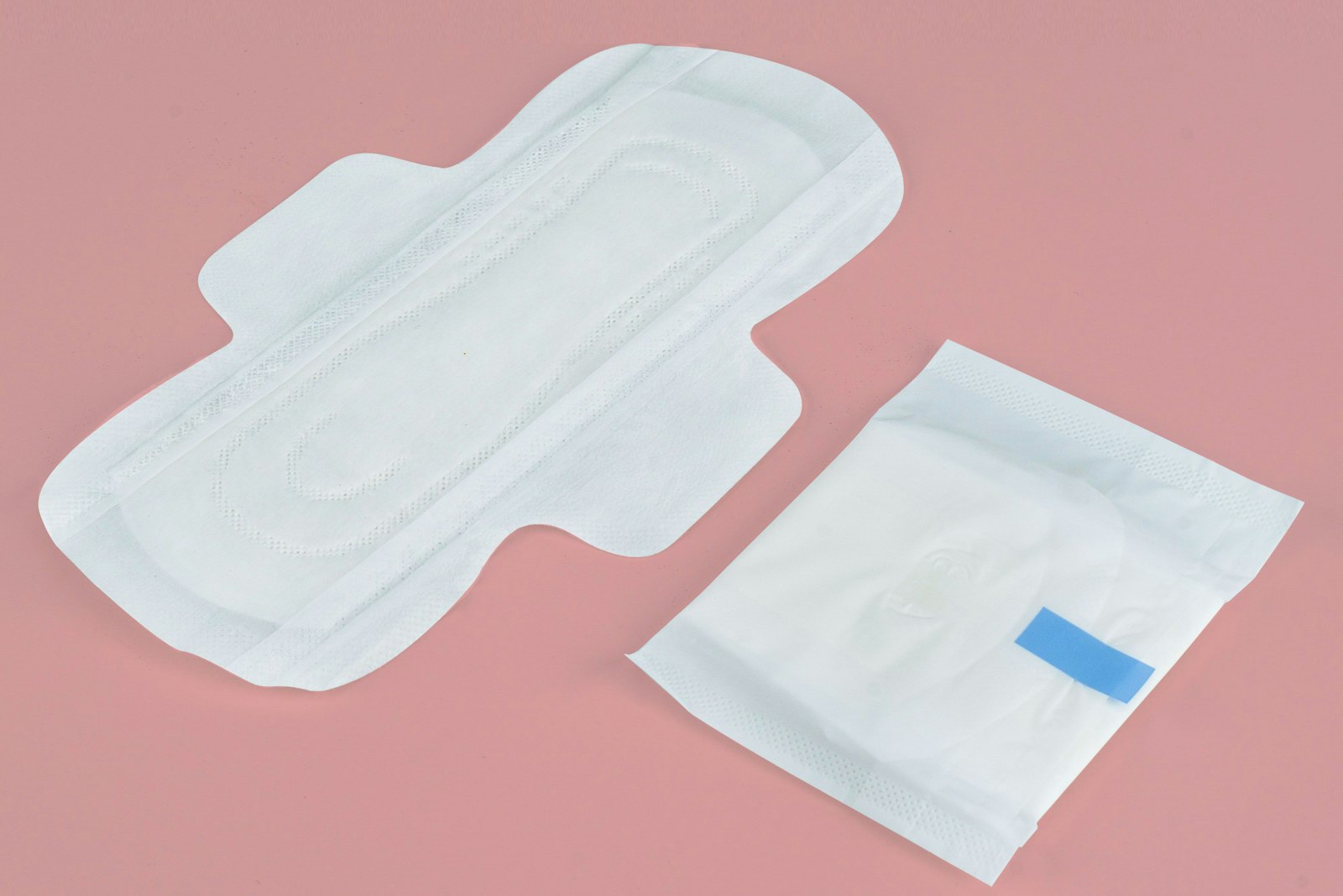
Everyone bleeds after giving birth, whether the baby arrived vaginally or by cesarean. This bleeding, called lochia, comes from the place inside your uterus where the placenta was attached, and the NHS says it is quite heavy at first. Postpartum pads (also called maternity pads) are made for it.
This guide covers why pads are the right choice for the first weeks, how long bleeding usually lasts, what to look for when you buy them and the signs that bleeding is too heavy. We don’t recommend brands: almost any long, absorbent pad works.
Why pads and not tampons or menstrual cups
The NHS says you should not use tampons until you’ve had your 6-week postnatal check. It explains that there is still a wound where the placenta joined the wall of your womb, and you may have tears or cuts in or around your vagina. Using internal period products like tampons and menstrual cups before that wound heals could increase your chance of infection.
U.S. sources say the same thing in slightly different ways. MedlinePlus advises waiting 6 weeks after a vaginal birth before using tampons, and ACOG says that after a cesarean you shouldn’t put anything in your vagina, such as tampons, for a few weeks. Ask at your postpartum checkup before switching back.
How long postpartum bleeding lasts
Sources give slightly different timelines, which reflects how much it varies:
- MedlinePlus: bleeding for up to 6 weeks after a vaginal birth.
- ACOG: bleeding or discharge for about 4 to 6 weeks after a cesarean.
- NHS: bleeding usually stops after 6 to 8 weeks, but can last longer.
What to expect along the way, according to MedlinePlus and the NHS:
| Stage | What it usually looks like |
|---|---|
| First days | Heavy, bright red. You may pass small clots when you first get up. Super-absorbent pads needed. |
| First week | Bleeding decreases the most in this week. |
| Around days 7–14 | A brief increase in red bleeding can happen, for a day or so, as a scab forms where the placenta was. |
| Following weeks | Gradually less red, then pink or brownish, then a yellow or white discharge before it stops. |
The NHS also notes that bleeding may be redder and heavier when you breastfeed, because breastfeeding makes your womb contract. That is expected, and so are the period-like cramps during feeds.
What to look for in postpartum pads
There’s no single right product. Use these criteria:
- Absorbency. The NHS recommends super-absorbent pads at first. Maternity pads are made thicker for this; as the flow gets lighter over the weeks, you can step down to lighter pads.
- Length. Longer pads give more coverage when you’re lying down, feeding or getting up. Overnight pads are a good choice for nights.
- Softness. A soft top layer is kinder to stitches and sore skin.
- Plain and simple. MedlinePlus advises plain water for baths and avoiding bubble baths and oils after a vaginal birth. In the same spirit, plain, unscented pads are a simple choice while you heal.
- A good fit with your underwear. Some hospitals give out stretchy mesh underwear that holds a large pad in place and others don’t, so ask yours. Disposable postpartum briefs are another option.
- How many to buy. The NHS hospital bag checklist suggests 2 packets of super-absorbent pads for the hospital stay. Have more at home for the first week or two, and ask your hospital what it supplies.
Cooling and comfort pads are separate from absorbent pads. ACOG lists an ice pack or cold gel pack on the perineum for 10 to 20 minutes at a time, and witch hazel pads, as ways to ease perineal pain. See our guides to padsicles, witch hazel pads and sitz baths.
How often to change your pad
The NHS says to change pads regularly, washing your hands before and afterwards. There is no set number of hours: change when the pad feels full or damp, and each time you use the toilet in the early days. Keeping track of how fast you fill pads also helps you spot bleeding that is too heavy (see below).
To dispose of a used pad, roll it up in its wrapper or some toilet paper and put it in the trash. Pads can’t be flushed.
Notes after a C-section
You’ll still bleed after a cesarean birth. ACOG says to expect bleeding or discharge for about 4 to 6 weeks, sometimes with clots and cramps. Practical tips:
- Choose underwear with a waistband that doesn’t rub on your incision, either high-waisted or sitting well below it.
- Keep pads within easy reach of the bed, since bending is uncomfortable at first.
- MedlinePlus says to contact your provider if bleeding is still very heavy, like a period, after more than 4 days, if light bleeding lasts beyond 4 weeks, or if you pass large clots.
Our guide to breastfeeding after a C-section covers feeding positions that keep pressure off your incision.
When to call your doctor or midwife
Call 911 (or your local emergency number) if bleeding is sudden and very heavy, or you feel faint, dizzy or weak, or have pale, clammy skin or a racing heart. ACOG says postpartum hemorrhage usually happens within 24 hours of birth but can occur up to 12 weeks later.
Call your provider right away if you have:
- Heavy bleeding. ACOG defines it as soaking through two pads an hour for more than an hour or two. MedlinePlus advises calling if bleeding is heavier than one pad an hour or you pass clots bigger than a golf ball.
- Bleeding that is still heavy, like a period, after more than 4 days (apart from the brief increase around days 7 to 14), or that comes back after stopping for more than a few days.
- Discharge that becomes heavier or smells bad. ACOG lists foul-smelling discharge, with fever and chills, abdominal pain or tenderness, or feeling sick, as signs of a uterine infection.
- A fever of more than 100.4°F (38°C), which ACOG lists among reasons to call right away. (MedlinePlus advises calling for a fever over 100°F (37.8°C) that persists.)
- Pain in your stitches or incision that gets worse, or redness or discharge there.
When your period eventually comes back, our guide to periods while breastfeeding explains what to expect. For more on recovery, visit our nutrition and health hub, and use our hospital bag checklist to pack the pads you’ll need.
Shop on Amazon
Shop what this guide covers
Paid links: as an Amazon Associate we earn from qualifying purchases, at no extra cost to you. Links never change what we recommend. Disclosure
Frequently asked questions
Is it normal to bleed more when breastfeeding?
Yes. The NHS says bleeding may be redder and heavier when you breastfeed, because breastfeeding makes your womb contract. You may also feel period-like cramps during feeds.
Can bleeding get heavier again after it slowed down?
A short increase can be normal. MedlinePlus says it is not uncommon to have more red bleeding around 7 to 14 days after birth, for a day or so. Call your provider if bleeding stays heavy, or returns after stopping for more than a few days.
When will I get my period back if I'm breastfeeding?
It varies a lot. MedlinePlus says your period is likely to return 3 to 12 months after delivery if you breastfeed, and 4 to 9 weeks after if you don't. The NHS notes you can get pregnant as soon as 3 weeks after the birth, even if you're breastfeeding and your periods haven't returned, so talk to your provider about contraception.
Can I use period underwear after birth?
The NHS advice is about internal products such as tampons and cups. Absorbent period underwear is worn outside the body like a pad, but check how much a pair holds: the early days need super-absorbent protection, so pads are usually simpler at first. Ask your provider if you're unsure.
Sources
- NHS: Your body after the birthhttps://www.nhs.uk/pregnancy/labour-and-birth/your-body/
- NHS: Early dayshttps://www.nhs.uk/pregnancy/labour-and-birth/early-days/
- ACOG: Postpartum Pain Managementhttps://www.acog.org/womens-health/faqs/postpartum-pain-management
- ACOG: 3 Conditions to Watch for After Childbirthhttps://www.acog.org/womens-health/experts-and-stories/the-latest/3-conditions-to-watch-for-after-childbirth
- ACOG: Cesarean Birthhttps://www.acog.org/womens-health/faqs/cesarean-birth
- MedlinePlus: Vaginal delivery - dischargehttps://medlineplus.gov/ency/patientinstructions/000628.htm
- NHS: Hospital bag checklist – what to pack for you and your babyhttps://www.nhs.uk/best-start-in-life/pregnancy/preparing-for-labour-and-birth/hospital-bag-checklist/
- MedlinePlus: Going home after a C-sectionhttps://medlineplus.gov/ency/patientinstructions/000624.htm
This guide is general information, not medical advice. For your own situation, talk to your doctor, midwife, pharmacist or an IBCLC lactation consultant. Read our medical disclaimer and find breastfeeding support near you.
Related articles

Padsicles and Perineal Cold Packs: How to Use Cold Safely After Birth
What padsicles are, what the research says about cold for perineal pain, how long to apply it, a simple home method, store-bought packs and warning signs.
Peri Bottle: How to Use One After Birth and When You Can Stop
What a peri bottle is, why hospitals hand them out after vaginal birth, how to use and clean one, when you can stop, and signs of infection.
Sitz Bath After Birth: How to Use One for Perineal and Hemorrhoid Relief
What a sitz bath is, how to take one safely after birth (timing, water, cleaning), basin vs bathtub, what the evidence says, and signs of infection.

Witch Hazel Pads After Birth: How to Use Them and What the Evidence Says
What witch hazel pads are, how to use them for perineal soreness and hemorrhoids after birth, what the evidence shows, and when to call your provider.