Postpartum Underwear: Mesh, Disposable or Cotton, and What You Need
By Breastfeeding Mom Editorial TeamUpdated 5 min read
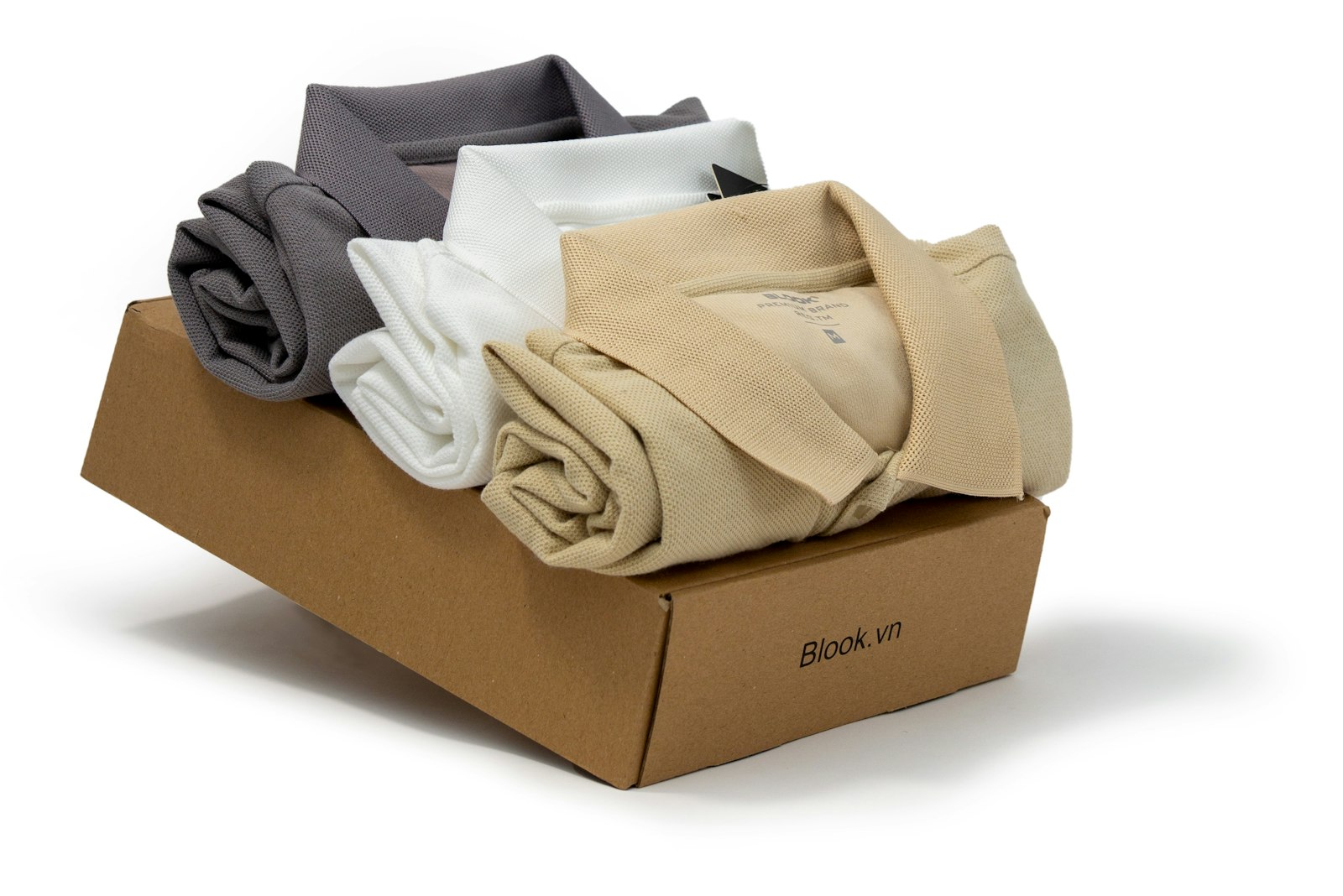
Whether you give birth vaginally or by C-section, you will bleed for weeks afterward. That bleeding, plus thick pads, ice packs, stitches or an incision, is why the underwear you wore before pregnancy may not work for a while. Postpartum underwear simply means underwear that holds a large pad in place, is easy to change, and is gentle on the parts of you that are healing.
This guide explains how long bleeding usually lasts, how the main types of postpartum underwear compare, what to look for after a C-section, and how to tell normal bleeding from bleeding that needs a doctor.
Why you need different underwear after birth
After birth, your uterus shrinks back and heals the spot where the placenta was attached. MedlinePlus says you may bleed from your vagina for up to 6 weeks after a vaginal birth. The flow slowly changes from red to pink and then to a yellow or white discharge; this discharge is called lochia. ACOG says bleeding or discharge lasts about 4 to 6 weeks after a cesarean birth too.
What to expect, according to MedlinePlus:
| Time after birth | What’s typical |
|---|---|
| First days | Heaviest bleeding; you may pass small clots when you first get up |
| First week | Bleeding decreases the most |
| Around days 7 to 14 | A short increase in red bleeding is not uncommon as the placental site heals |
| Up to about 6 weeks | Pink, then yellow or white discharge until it stops |
Ohio State’s after-delivery guide describes the first few days as like a heavy menstrual period and says you will wear thick sanitary pads. Use pads, not tampons: the NHS’s C-section recovery advice says pads reduce the risk of spreading infection into the vagina, and MedlinePlus advises waiting 6 weeks before using tampons after a tear or episiotomy.
Types of postpartum underwear compared
We don’t rank brands. Here’s how the main styles compare.
| Type | Good for | Things to consider |
|---|---|---|
| Disposable mesh underwear | The first days, when bleeding is heaviest and you’re changing often | Stretchy, light and throwaway; holds a separate pad or ice pack; check that the pad stays put |
| Disposable postpartum briefs | Heavy flow, nights, or when you want fewer separate pieces | Absorbent padding is built in; you throw out the whole brief each change |
| Reusable high-waist cotton briefs | Once bleeding eases, and after a C-section | Soft and breathable; need a pad inside; choose a size up from your usual so pads fit without pressure |
| Period underwear | Lighter discharge later on | Check the maker’s absorbency rating; early postpartum bleeding is often heavier than a period |
Many people use more than one: mesh or disposable briefs in the hospital and the first week at home, then cotton briefs with pads as the flow gets lighter.
What to look for
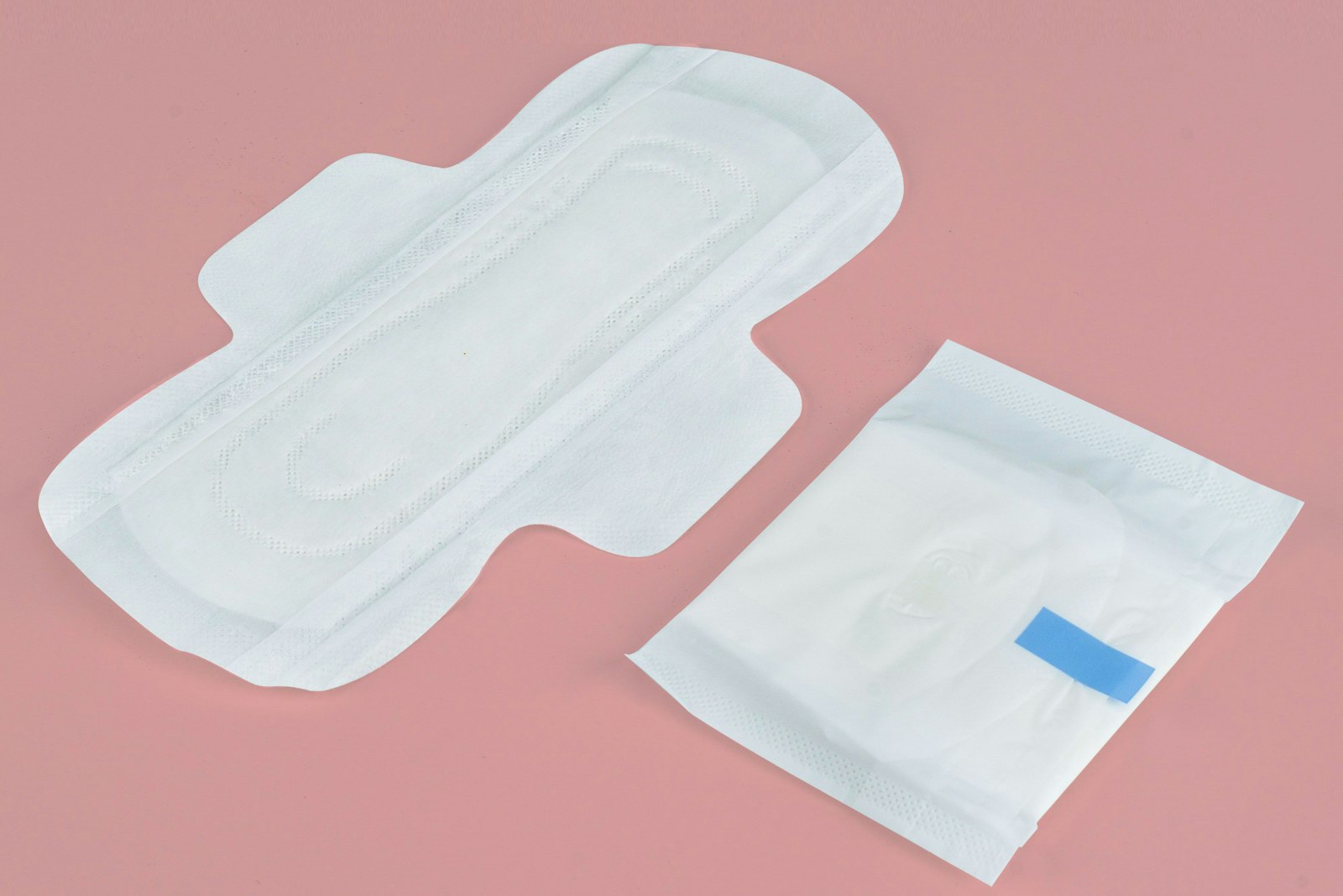
- Room for a thick pad. NHS Tayside describes maternity pads as softer and thicker than regular sanitary pads. A wide gusset and enough stretch keep the pad flat and in place. A Milton Keynes NHS leaflet advises making sure your pad is secured so it doesn’t move around and cause irritation.
- Soft, breathable fabric. The NHS recommends cotton underwear after a C-section. Avoid scratchy seams and lace against stitches.
- Not too tight. The same Milton Keynes leaflet advises avoiding tight trousers or jeans while your perineum heals. Your body is still changing size, so going up a size is often more comfortable.
- Easy to pull on. Bending is hard in the first days. Stretchy waistbands help.
- Unscented pads. NHS Tayside notes that scented sanitary pads can cause irritation and suggests soft, thick maternity pads instead.
After a C-section: mind the waistband
The NHS advises loose, comfortable clothes and cotton underwear while your wound heals, and says to clean and dry the wound gently every day. It describes the usual C-section scar as a horizontal cut about 4 to 8 inches (10 to 20 cm) long, just below the bikini line. That’s exactly where many regular briefs sit, so a waistband can rub on the incision.
Options that tend to avoid pressure on the scar:
- High-waist briefs whose waistband sits well above the incision
- Soft, wide waistbands that spread pressure instead of a narrow elastic edge
Check the incision when you change. Ohio State’s guide says to keep it clean and dry. For feeding positions that keep your baby off the incision, see our guide to breastfeeding after a C-section.
Pad and underwear hygiene
- Wash your hands before going to the bathroom and after changing your pad, as Ohio State advises.
- Change pads often. MedlinePlus suggests every 2 to 4 hours after an episiotomy or tear; the Milton Keynes leaflet says at least every four hours.
- Rinse instead of wiping. Spray warm water over the area after you pee or poop and pat dry from front to back. Our guide to the peri bottle walks through each step, and our sitz bath guide covers warm soaks for stitches and hemorrhoids.
- Don’t flush pads. Ohio State says to wrap used pads and put them in the trash.
- Change underwear whenever it’s soiled, and wash reusable pairs as the maker directs.
If you’re also leaking breast milk, our guide to nursing pads covers that side of the laundry pile. Wondering when your period will return after the bleeding stops? See period while breastfeeding. More recovery guides are in our nutrition and health hub.
When to call your doctor or midwife
Heavy bleeding after birth can be an emergency. Call your ob-gyn right away if you have heavy bleeding that soaks through two pads an hour for more than an hour or two (ACOG). MedlinePlus, Ohio State and the NHS also advise contacting your provider if:
- You soak a pad and need to change it every hour, or pass clots bigger than a golf ball
- Bleeding is still heavy, like a menstrual period, more than 4 days after birth (other than the brief increase around days 7 to 14)
- Bleeding turns bright red again after it had turned pink or brown, or comes back after stopping for more than a few days
- Discharge becomes heavier or smells bad
- You have a fever: Ohio State lists 100.5°F (38°C) or higher, and MedlinePlus a fever over 100°F (37.8°C) that doesn’t go away
- Your incision or stitches become more painful, red or swollen, or leak fluid or pus
- You feel dizzy or faint, or have trouble breathing
Call 911 or get emergency help right away if you have chest pain, trouble breathing, a seizure, severe pain in your lower belly, pain and swelling in a leg, or thoughts of harming yourself or your baby.
Shop on Amazon
Shop what this guide covers
Paid links: as an Amazon Associate we earn from qualifying purchases, at no extra cost to you. Links never change what we recommend. Disclosure
Frequently asked questions
How many pairs of postpartum underwear do I need?
No source gives a number. Pads need changing every few hours and leaks are common early on, so plan enough pairs to change more than once a day and get through a few days between laundry loads.
Can I use period underwear after giving birth?
Postpartum bleeding is heavy at first. Ohio State's after-delivery guide talks about thick pads changed every few hours, and MedlinePlus suggests changing pads every 2 to 4 hours after a tear. If you want to use period underwear, consider it for the lighter weeks later on, check the maker's absorbency, and still use pads while bleeding is heavy.
Can I wear shapewear or tight jeans after birth?
A Milton Keynes NHS leaflet advises avoiding tight trousers or jeans while your perineum heals, and the NHS advises loose, comfortable clothes after a C-section. Ask your provider before wearing anything compressive over a fresh wound.
Is it normal for bleeding to get heavier again after a week or two?
It can be. MedlinePlus says an increase in red bleeding around 7 to 14 days after birth is not uncommon and usually lasts a day or so. Bleeding that stays heavy, or comes back strongly after stopping, needs a call to your provider.
Sources
- MedlinePlus: Vaginal delivery - dischargehttps://medlineplus.gov/ency/patientinstructions/000628.htm
- MedlinePlus: Episiotomy - aftercarehttps://medlineplus.gov/ency/patientinstructions/000483.htm
- ACOG: Cesarean Birthhttps://www.acog.org/womens-health/faqs/cesarean-birth
- ACOG: Postpartum Pain Managementhttps://www.acog.org/womens-health/faqs/postpartum-pain-management
- NHS: Caesarean section recoveryhttps://www.nhs.uk/tests-and-treatments/caesarean-section/recovery/
- Ohio State University Wexner Medical Center: Caring for You After Delivery (patient guide)https://wexnermedical.osu.edu/-/media/files/wexnermedical/patient-care/healthcare-services/obstetrics-gynecology/pregnancy-and-childbirth/education/afterdeliverybook_ada.pdf
- NHS Tayside: Episiotomy/Perineal Tear Aftercare (patient leaflet, 2025)https://www.nhstaysidecdn.scot.nhs.uk/NHSTaysideWeb/idcplg?IdcService=GET_SECURE_FILE&dDocName=PROD_385334&Rendition=web&RevisionSelectionMethod=LatestReleased&noSaveAs=1
- Milton Keynes University Hospital (NHS): Care of Your Perineum After the Birth of Your Babyhttps://www.mkuh.nhs.uk/wp-content/uploads/2021/03/Care-of-your-perineum-after-the-birth-of-your-baby-PIL.pdf
This guide is general information, not medical advice. For your own situation, talk to your doctor, midwife, pharmacist or an IBCLC lactation consultant. Read our medical disclaimer and find breastfeeding support near you.
Related articles
Postpartum Pads: What to Use for Bleeding After Birth and for How Long
Why you need pads, not tampons or cups, after birth, how long lochia lasts, what to look for in maternity pads, and when bleeding is too heavy.
Peri Bottle: How to Use One After Birth and When You Can Stop
What a peri bottle is, why hospitals hand them out after vaginal birth, how to use and clean one, when you can stop, and signs of infection.

Padsicles and Perineal Cold Packs: How to Use Cold Safely After Birth
What padsicles are, what the research says about cold for perineal pain, how long to apply it, a simple home method, store-bought packs and warning signs.

Sitz Bath After Birth: How to Use One for Perineal and Hemorrhoid Relief
What a sitz bath is, how to take one safely after birth (timing, water, cleaning), basin vs bathtub, what the evidence says, and signs of infection.