Push Present Ideas: Thoughtful Gifts for a Breastfeeding Mom
By Breastfeeding Mom Editorial TeamUpdated 5 min read

A push present is a gift for the mother to mark the birth of a baby, usually given by a partner. Some people love the tradition, some find the name a bit odd, and plenty of couples skip it. If you are planning one, the good news is that there is no rule about what it has to be.
For a mom who plans to breastfeed, the most appreciated gifts often make the first weeks a little easier: comfort, rest, real help and support. The ideas below are suggestions, not a shopping list, and we don’t recommend brands. The best gift is the one that fits her.
Start by asking what would help
Before you buy anything, it’s worth asking (or listening for) what she is worried about. Is it sleep? Feeding? Being stuck at home? Having no time to herself? A gift that answers a real worry usually beats an expensive surprise.
ACOG (the American College of Obstetricians and Gynecologists) notes that all new parents need a baseline of support, such as sleep, healthy food and time to yourself, and that the time to plan postpartum support is before the baby is born. That makes a push present a natural moment to plan help together.
Gifts that give her rest
Rest is hard to come by with a newborn, and the NHS suggests practical ways around it: rest when your baby sleeps rather than doing chores, ask a partner to help with diapers or dressing the baby in the morning so a breastfeeding mom can go back to sleep, and ask a relative or friend to watch the baby while you nap. Gift ideas built around that:
- A “rest voucher” you actually honor: you take the early-morning diaper change and dressing, or a set block of time when she can sleep with the door closed.
- Help from family or friends, arranged in advance, so someone comes over for a few hours or stays for a few days.
- A comfortable sleep setup for her: soft pajamas that open easily for night feeds, a sleep bra, a good pillow for herself.
Our guide on whether breastfeeding makes you tired explains why the early weeks feel so draining.
Gifts that take work off her plate
Practical help is often the gift people remember most.
- Meals: a meal train organized with friends, a batch of freezer meals you cook ahead, or a meal delivery subscription.
- Housework: a few weeks of house cleaning or laundry help, or a firm promise that these jobs are yours.
- Errands and older kids: grocery runs, school pickups or a regular afternoon out with older siblings.
Comfort for breastfeeding
The AAP’s HealthyChildren.org says that breastfeeding needs very little special equipment, but that some supplies can make life easier and that nursing equipment makes wonderful gifts. Ideas:
- Nursing-friendly clothing: nursing bras, tops and pajamas that open easily. HealthyChildren.org says a nursing bra should never be tight or constricting, so a gift card or a fitting after the birth can be better than guessing a size. See our nursing bra guide.
- A large water bottle, ideally one she can open and sip with one hand. The NHS suggests having a drink beside you when you settle down to breastfeed.
- A snack basket of easy, one-handed foods for long feeds. Our breastfeeding snacks guide has ideas.
- A nursing pillow or footstool. HealthyChildren.org lists both as optional extras that some mothers find more comfortable. Read more in our breastfeeding pillow guide.
- Small comforts: a soft robe, cozy socks, a bedside basket with nursing pads, lip balm and a phone charger.
If she is still pregnant, you could also help her pack: our hospital bag checklist covers the basics.
Gifts of support
Some of the most valuable gifts are visits from people who know what they’re doing.
- A lactation consultant visit. ACOG lists lactation consultants among the specialists who can be part of a postpartum support network. A paid home or clinic visit can be a thoughtful gift, especially if she is nervous about feeding. Many families can also find low-cost or free help; our breastfeeding support page explains where to look.
- A postpartum doula. ACOG names doulas, alongside the ob-gyn, midwife and nurses, as part of the obstetric care team at the start of a postpartum support network. What a postpartum doula offers and costs varies, so ask about services up front and arrange it before the birth.
- Time for her own care: covering the baby so she can make her own appointments, see friends or get outside. The NHS says regular exercise can help you feel less tired and suggests trying to get out for a walk with your baby every day.
Keepsakes and personal gifts
Not every gift has to be practical. Many moms love something that marks the moment:
- A photo album, printed photos or a baby memory book
- A framed print of the baby’s name and birth details
- A handwritten letter about the birth, from you
- A piece of jewelry for her, such as a ring, earrings or a bracelet
- A professional newborn or family photo session
If you choose a necklace, pick a sturdy one and keep it as hers only. The FDA has received reports of deaths and serious injuries to babies, including strangulation and choking, caused by teething jewelry such as amber teething necklaces. A baby should never wear jewelry or be given it to chew on.
What to skip
- Gifts with pressure attached, such as anything aimed at “getting your body back.” Recovery takes time.
- Big surprises that create work, like an event to host while she is still healing.
- Anything for the baby’s sleep space you haven’t checked against safe sleep guidance. Baby gear deserves its own research.
The best gift: noticing how she is doing
The weeks after birth bring big emotional changes. ACOG says the baby blues usually start about 3 days after birth and usually get better within 1 to 2 weeks without treatment, and HealthyChildren.org says that getting enough rest and accepting plenty of family and social support helps most parents recover from the blues. ACOG also notes that friends, family and doctors are often the first to recognize when a new mom is struggling.
So alongside any gift, keep an eye out. If her low mood, anxiety or exhaustion doesn’t lift after about 2 weeks, or she can’t sleep even when the baby sleeps, encourage her to talk to her ob-gyn, midwife, primary care doctor or the baby’s pediatrician. The NHS lists not being able to sleep at night even when your baby is asleep, or feeling tired all the time, as possible signs of postnatal depression.
In the U.S., the National Maternal Mental Health Hotline is free, confidential and available 24/7 in English and Spanish: call or text 1-833-TLC-MAMA (1-833-852-6262). Partners and family members can use it too. If anyone is thinking about harming themselves or the baby, call 911 right away.
For more about the early weeks, visit our breastfeeding basics hub.
Shop on Amazon
Shop what this guide covers
Paid links: as an Amazon Associate we earn from qualifying purchases, at no extra cost to you. Links never change what we recommend. Disclosure
Frequently asked questions
When do you give a push present?
Whenever it suits you. Some partners give it in the hospital, others once everyone is home, or at the first quiet moment. A practical gift like meal help or a lactation visit is often most useful in the first weeks, so it can make sense to arrange it before the birth.
Is a push present expected?
No. It is a personal tradition, not an obligation. Many couples skip it, and a heartfelt note or simply taking on more of the baby care and housework can mean just as much.
Can the push present be for the baby?
It can, but most people intend it for the mother. If you want to give baby things, consider pairing them with something just for her, such as a few hours to herself.
Is jewelry a good push present for a breastfeeding mom?
It can be. Rings, earrings or a bracelet she wears are popular. If you choose a necklace, pick a sturdy one and remember it is for her only: the FDA has received reports of death and serious injuries to infants and children, including strangulation and choking, caused by teething jewelry, so never let a baby wear or chew on jewelry.
Sources
- HealthyChildren.org (AAP): Nursing Supplieshttps://www.healthychildren.org/English/ages-stages/baby/breastfeeding/pages/Nursing-Supplies.aspx
- NHS: Sleep and Tiredness After Having a Babyhttps://www.nhs.uk/conditions/baby/support-and-services/sleep-and-tiredness-after-having-a-baby/
- ACOG: 5 Reasons Why You Need a Postpartum Support Networkhttps://www.acog.org/womens-health/experts-and-stories/the-latest/5-reasons-why-you-need-a-postpartum-support-network
- ACOG: Postpartum Depression (FAQ)https://www.acog.org/womens-health/faqs/postpartum-depression
- HealthyChildren.org (AAP): Depression During and After Pregnancy: You Are Not Alonehttps://www.healthychildren.org/English/ages-stages/prenatal/delivery-beyond/Pages/Understanding-Motherhood-and-Mood-Baby-Blues-and-Beyond.aspx
- HRSA: National Maternal Mental Health Hotlinehttps://mchb.hrsa.gov/programs-impact/national-maternal-mental-health-hotline
- NHS: Breastfeeding and Diethttps://www.nhs.uk/baby/breastfeeding-and-bottle-feeding/breastfeeding-and-lifestyle/diet/
- FDA: Safely Soothing Teething Pain in Infants and Childrenhttps://www.fda.gov/consumers/consumer-updates/safely-soothing-teething-pain-infants-and-children
This guide is general information, not medical advice. For your own situation, talk to your doctor, midwife, pharmacist or an IBCLC lactation consultant. Read our medical disclaimer and find breastfeeding support near you.
Related articles

Hospital Bag Checklist: What to Pack for You, Baby and Your Partner
A hospital bag checklist for you, your baby and your partner, with a breastfeeding focus, a car seat check and what to ask your hospital first.
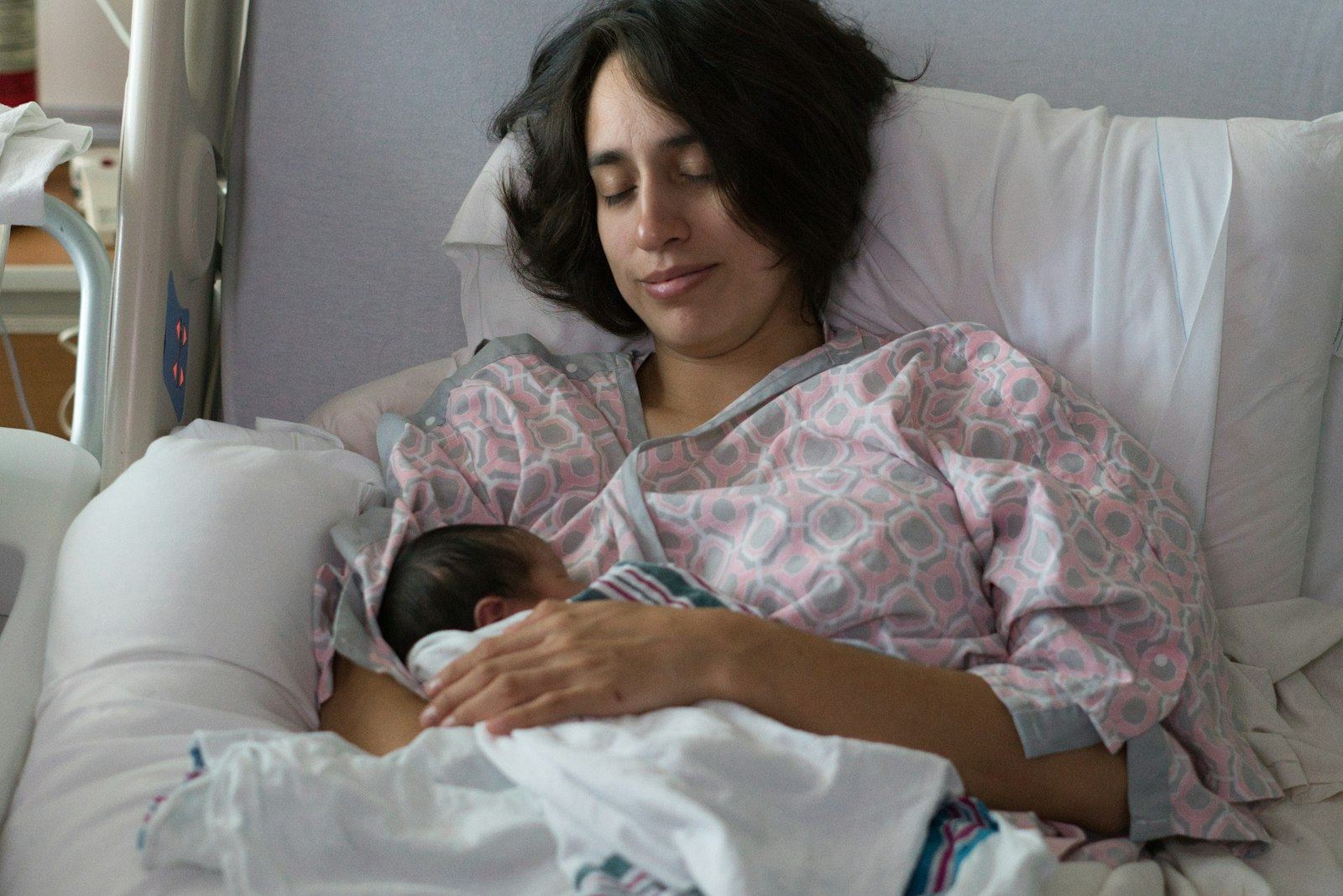
Labor and Delivery Gown: Do You Need One, and What to Look For
Whether to bring your own labor and delivery gown or robe, and what to check: front access for skin-to-skin and breastfeeding, epidural and monitor access.

Nursing Bra Buying Guide: Fit, Types and When to Buy
How to choose a nursing bra: the main types, how it should fit, when to buy, how many you need, and what the evidence says about underwire.

Breastfeeding After a C-Section: First Feeds, Positions and Pain Relief
How to breastfeed after a C-section: skin-to-skin in the OR, comfortable positions that protect your incision, pain relief, and help if milk is slow.