Breastfeeding Snacks: Easy One-Handed Ideas for Busy Days
By Breastfeeding Mom Editorial TeamUpdated 6 min read
Breastfeeding can make you surprisingly hungry and thirsty, often at the exact moment your baby latches on. With a baby in one arm, the best snack is one you can open, hold and eat with your free hand, without crumbs landing on your baby’s head.
This guide gives you practical snack ideas built around three things that keep you going: protein, fiber and fluids. It also covers fish, caffeine and an honest look at what snacks can and can’t do for your milk supply.
What makes a good breastfeeding snack?
You don’t need a special diet to breastfeed. The NHS says that if you’re a healthy weight, a varied, balanced diet with plenty of fluids is enough. Snacks simply help you meet your needs on days when proper meals are hard to fit in.
The CDC estimates that well-nourished breastfeeding mothers need about 330 to 400 extra calories a day compared with before pregnancy. A couple of solid snacks can cover a good part of that. If you’d like a personal estimate, try our breastfeeding calorie calculator.
Aim for snacks that combine:
- Protein: eggs, yogurt, cheese, milk, beans, hummus, nuts, nut butters, fish or lean meat
- Fiber: fruit, vegetables, whole grains, oats, beans and seeds
- Fluids: water, milk or foods with a high water content, like fruit and soups
Protein and fiber together digest more slowly than sugary snacks, so you stay full longer. That matters when you don’t know when you’ll next get both hands free.
One-handed breastfeeding snack ideas
These need little or no preparation and can be eaten with one hand while you feed.
| Snack | Why it works | Prep tip |
|---|---|---|
| Greek yogurt in a squeeze pouch or cup with a lid | Protein and calcium | Buy plain and add fruit to keep sugar down |
| Cheese sticks or cubes with whole-grain crackers | Protein plus fiber | Portion into small containers ahead of time |
| Banana or apple slices with peanut butter | Fiber, healthy fats, protein | Pre-spread nut butter on apple slices for the fridge |
| Hard-boiled eggs | Protein, easy to hold | Boil a batch and keep them peeled in the fridge |
| Hummus with carrot, cucumber or pepper sticks | Fiber and plant protein | Single-serve hummus cups travel well |
| Unsalted nuts and seeds | Protein, healthy fats | Pre-portion a small handful per bag |
| Homemade oat bites or energy balls | Fiber and steady energy | Make a batch on the weekend and freeze |
| Whole-grain toast or a wrap with tuna or chicken | Protein and fiber | Roll wraps tightly and cut in half |
| Edamame or roasted chickpeas | Plant protein and fiber | Roasted chickpeas keep for a few days in a jar |
| Smoothie in a lidded cup with a straw | Fluids, fruit, protein if made with milk or yogurt | Prep bags of frozen fruit for quick blending |
The NHS suggests similar quick snacks, such as fresh fruit with a handful of unsalted nuts, lower-sugar yogurt, and hummus with bread or vegetable sticks.
Make snacks easy to reach
A little setup saves a lot of frustration:
- Build a feeding basket. Keep a water bottle, a few shelf-stable snacks and your phone charger where you usually feed.
- Prep the fridge. Wash and cut fruit and vegetables once, so they’re ready to grab.
- Pack your diaper bag. Add a couple of nonperishable snacks, like nuts or crackers, for feeds on the go.
- Ask for help. If a partner, friend or family member asks how they can help, a tray of ready-to-eat snacks is a great answer.
- Keep hot drinks out of reach. Set coffee or tea down well away from your baby while you feed, to avoid spills and burns.
Fluids: drink to thirst
Many people feel very thirsty during feeds. The NHS recommends keeping a drink beside you, such as water, low-fat milk or diluted fruit juice, whenever you settle down to breastfeed.
You don’t have to force down extra water, though. A Cochrane review found no good evidence that drinking more than your body needs increases milk production. A practical guide is to drink when you’re thirsty and check that your urine is pale yellow. Dark urine, headaches or constipation can be signs you need more.
Fish snacks: choose low-mercury options
Fish is a great source of protein, and fatty fish like salmon and sardines also provide omega-3 fats. But most fish contains some mercury, which can pass into breast milk. The FDA and EPA advice for people who are breastfeeding is:
- Eat 2 to 3 servings a week (8 to 12 oz, or about 225 to 340 g) from the “Best Choices” list, or 1 serving a week from the “Good Choices” list.
- A serving is 4 oz (about 113 g), measured before cooking.
- Best Choices include salmon, sardines, canned light tuna, shrimp, cod, tilapia, haddock, anchovies and Atlantic mackerel.
- Avoid king mackerel, marlin, orange roughy, shark, swordfish, tilefish from the Gulf of Mexico and bigeye tuna.
For fish caught by family or friends, the CDC says to check local fish advisories. If there’s no advisory, eat only one serving that week and no other fish.
Easy fish snacks include canned salmon or light tuna on whole-grain crackers, or sardines on toast. For more on what to limit, see our guide to foods to avoid while breastfeeding.
Caffeine and snacks
Coffee, tea, soda, energy drinks and chocolate all contain caffeine. The CDC says that up to about 300 mg a day (roughly 2 to 3 cups of coffee) usually doesn’t harm a breastfed baby. If your baby seems unusually fussy or wakeful, try cutting back. Newborns and premature babies process caffeine more slowly, so you may want less in the early weeks. Our guide to caffeine while breastfeeding explains more.
Can snacks increase milk supply?
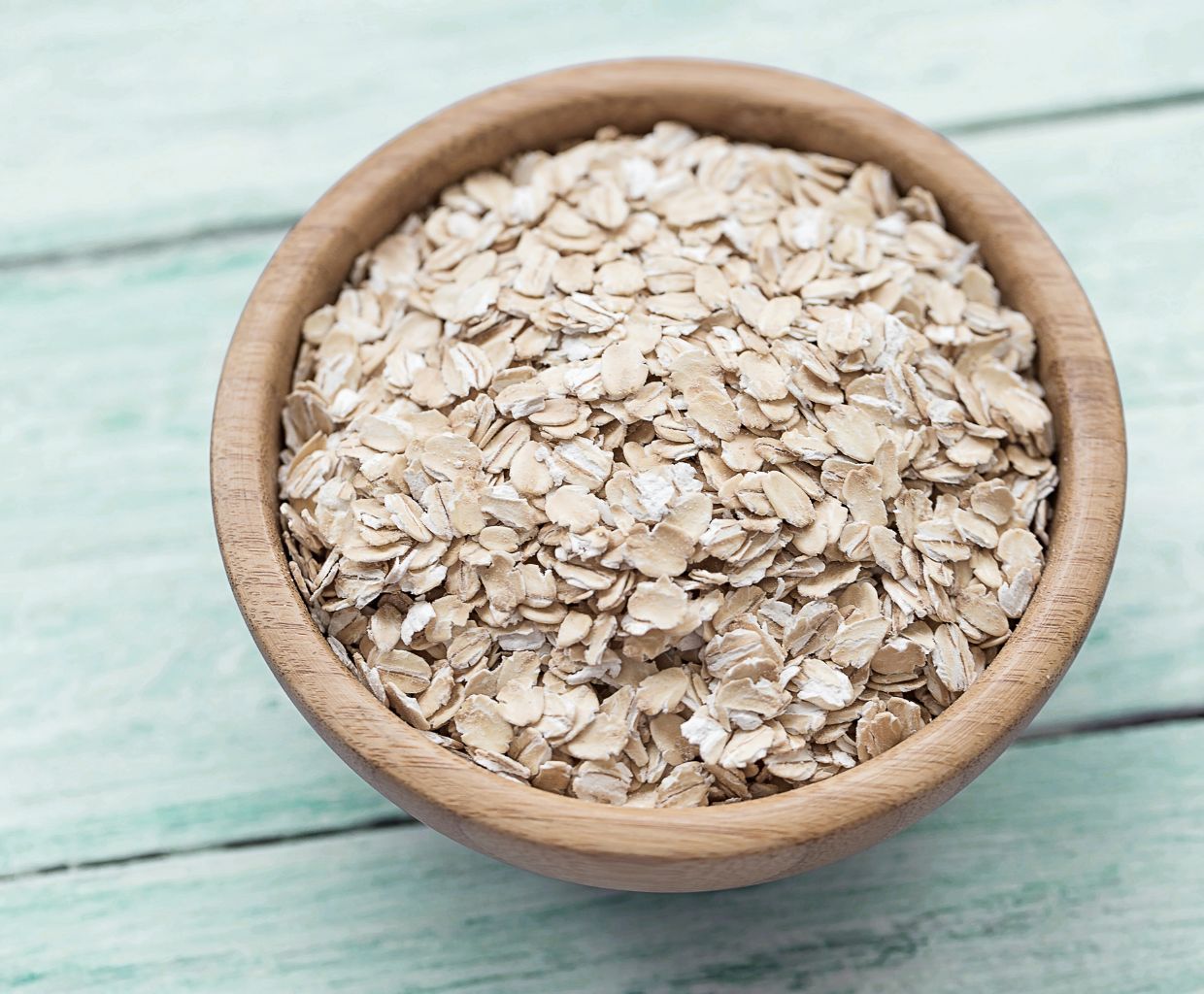
It’s a common hope, but no snack has been proven to increase milk supply. Foods like oats, flaxseed and brewer’s yeast are popular in “lactation” recipes, yet the evidence that they boost milk production is limited. Lactation snacks can still be a filling, convenient choice; just don’t rely on them to fix low supply. Our article on lactation cookies looks at what the research says.
What does make a difference is how often and how well milk is removed from your breasts. If you’re worried about supply, our guide on how to increase milk supply explains the steps that work.
Special diets and supplements
If you eat a vegan or mostly plant-based diet, the CDC notes that your baby may get too little vitamin B12 unless you take a supplement. Iron and other nutrients may also need attention. Talk to your doctor or a registered dietitian about whether you need supplements. The NHS also suggests that breastfeeding women consider a daily vitamin D supplement; ask your provider what’s right for you.
When to get extra help
Talk to your doctor, a registered dietitian or a lactation consultant if:
- You’re losing weight quickly or feel exhausted, dizzy or unwell
- You have a history of an eating disorder, or eating feels stressful
- You follow a restricted diet because of allergies, religion or preference and aren’t sure you’re covering your needs
- Your baby isn’t gaining weight well or you’re worried about your milk supply
You’ll find more everyday nutrition advice in our nutrition and health guides.
Frequently asked questions
How many extra calories do I need while breastfeeding?
The CDC says well-nourished breastfeeding mothers need roughly 330 to 400 extra calories a day compared with before pregnancy. Your own needs depend on your body, activity level and whether you breastfeed exclusively.
Do I need to drink a lot of extra water to make enough milk?
Drink to thirst and keep a drink nearby when you feed. Research hasn't shown that drinking more than you need increases milk production, but pale yellow urine is a good sign you're getting enough.
Are lactation snacks or cookies worth buying?
They can be a tasty, filling snack, but there is little good evidence that ingredients like oats, brewer's yeast or flaxseed increase milk supply. Feeding or pumping often is what makes the difference.
Can I snack on sweets while breastfeeding?
An occasional treat is fine. For everyday snacks, foods with protein and fiber will keep you fuller for longer than sugary snacks, which tend to leave you hungry again quickly.
Sources
- CDC: Maternal Diet and Breastfeedinghttps://www.cdc.gov/breastfeeding-special-circumstances/hcp/diet-micronutrients/maternal-diet.html
- FDA: Advice about Eating Fishhttps://www.fda.gov/food/consumers/advice-about-eating-fish
- NHS: Breastfeeding and Diethttps://www.nhs.uk/baby/breastfeeding-and-bottle-feeding/breastfeeding-and-lifestyle/diet/
- Cochrane: Extra Fluids for Breastfeeding Mothers for Increasing Milk Productionhttps://www.cochrane.org/evidence/CD008758_extra-fluids-breastfeeding-mothers-increasing-milk-production
This guide is general information, not medical advice. For your own situation, talk to your doctor, midwife, pharmacist or an IBCLC lactation consultant. Read our medical disclaimer and find breastfeeding support near you.
Related articles
Foods to Avoid While Breastfeeding (and the Myths You Can Ignore)
The list of foods to avoid while breastfeeding is short: high-mercury fish, alcohol, too much caffeine and some herbs. Here's what matters and what's myth.
How Many Calories Does Breastfeeding Burn?
Making milk uses about 500 calories a day, but official advice is to eat 330 to 400 extra. Here's why, and what it means for postpartum weight loss.

Does Breastfeeding Make You Tired? Why It Happens and When to Worry
Why breastfeeding can make you sleepy, how night feeds affect your rest, and the medical causes of exhaustion, like anemia and thyroid problems.
Breastfeeding While Sick: Colds, Flu, Stomach Bugs and COVID-19
Most illnesses are no reason to stop breastfeeding. How to keep feeding safely through colds, flu, stomach bugs, COVID-19 and fever.