Foods to Avoid While Breastfeeding (and the Myths You Can Ignore)
By Breastfeeding Mom Editorial TeamUpdated 6 min read
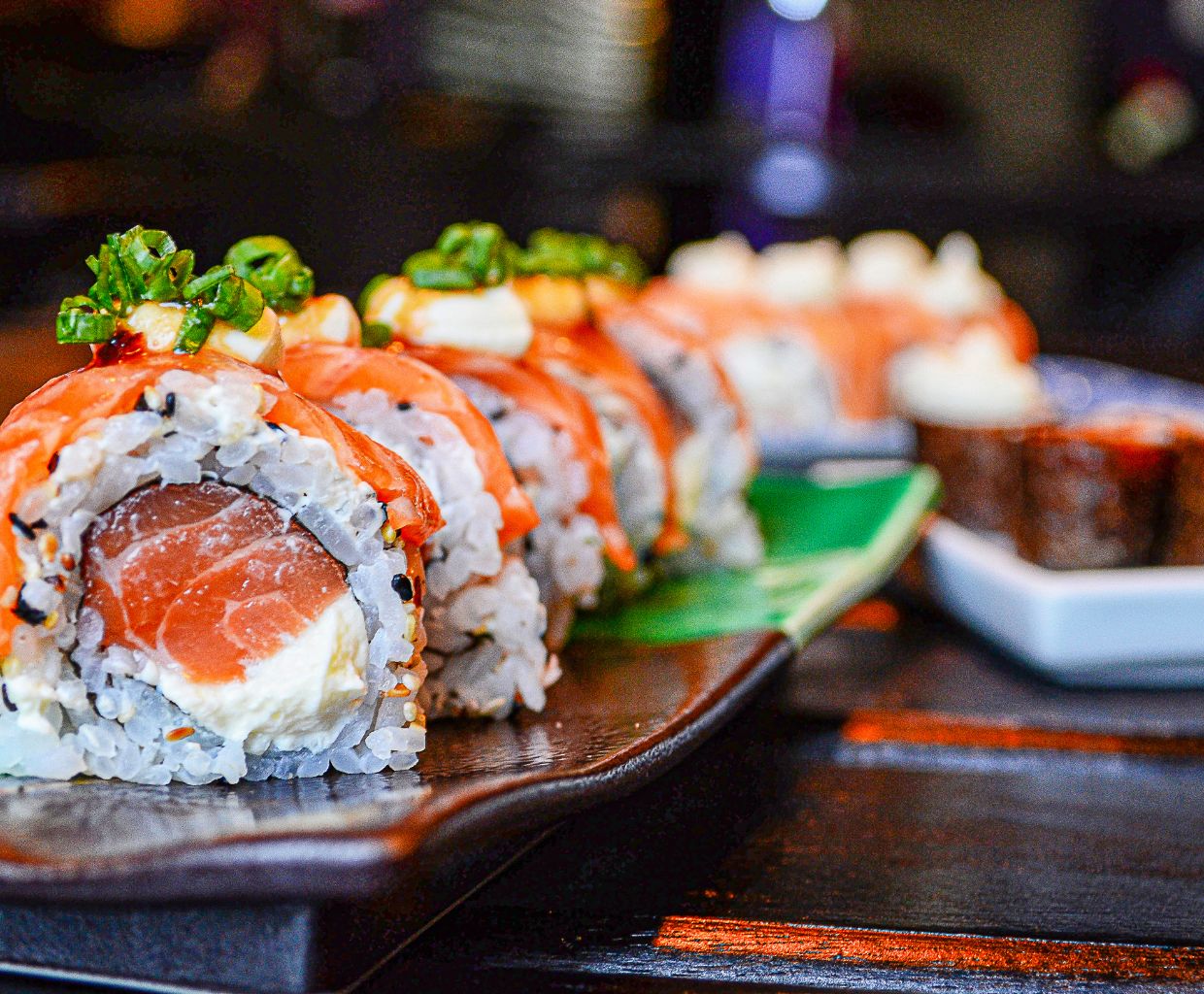
Friends, relatives and the internet all have opinions about what you should and shouldn’t eat while breastfeeding. Cabbage, beans, chocolate, citrus, spicy food: at some point, someone will tell you to cut it out.
Here’s the reassuring truth: the list of foods to avoid while breastfeeding is short. The CDC says that, in general, breastfeeding mothers do not need to avoid specific foods. This guide covers the few things that do deserve limits, and why most “gassy food” rules aren’t needed. For the bigger picture, see our breastfeeding diet and nutrition hub.
The short list at a glance
| Food or drink | Why limit it | What to do |
|---|---|---|
| High-mercury fish | Mercury can affect a baby’s developing nervous system | Avoid swordfish, shark, king mackerel, marlin, orange roughy, bigeye tuna and Gulf of Mexico tilefish |
| Alcohol | Passes into milk; affects infant care and sleep safety | Not drinking is safest; up to 1 drink a day with timing |
| Caffeine | Large amounts can make babies fussy and wakeful | Keep to about 300 mg a day or less |
| Some herbal supplements and teas | Little research; some may affect supply | Check before taking; avoid large or medicinal amounts |
High-mercury fish
Fish is one of the best foods you can eat while breastfeeding. It provides DHA, an omega-3 fat that supports your baby’s brain and eye development. The issue is mercury, which builds up in some large, long-lived fish.
The FDA advice for people who are breastfeeding:
- Eat 8 to 12 oz (225 to 340 g) a week of a variety of lower-mercury fish, which is 2 to 3 servings of 4 oz (115 g) from the “Best Choices” list, or 1 serving a week from the “Good Choices” list.
- Best Choices include salmon, shrimp, cod, pollock, tilapia, catfish, sardines, trout and canned light tuna.
- Avoid king mackerel, marlin, orange roughy, shark, swordfish, tilefish from the Gulf of Mexico and bigeye tuna.
- Fish caught by family or friends: check local advisories. If there’s no advice, eat just one serving and no other fish that week.
What about sushi and soft cheese?
Many pregnancy food rules, like skipping sushi or unpasteurized soft cheese, were mainly about protecting the unborn baby from infections such as listeria. Neither the CDC nor the NHS lists these as foods to avoid while breastfeeding. Normal food safety still matters for you, and the mercury limits above still apply to the fish in your sushi.
Alcohol
Alcohol passes freely into breast milk. The CDC says not drinking is the safest option, but up to one standard drink a day is not known to harm a baby, especially if you wait at least 2 hours before nursing. Read our full guide to breastfeeding and alcohol for drink sizes, timing and why pumping and dumping doesn’t help.
Too much caffeine
You don’t need to give up coffee. The CDC says about 300 mg of caffeine a day or less, roughly 2 to 3 cups of coffee, usually doesn’t affect a breastfed baby. Very high intake, around 10 or more cups a day, has been linked to irritability, poor sleep, fussiness and jitteriness in babies.
The NHS uses a lower limit of 200 mg a day. Either way, a few points help:
- Count all sources: coffee, tea, cola, energy drinks, chocolate and some pain relievers.
- Newborns and premature babies clear caffeine more slowly, so the CDC suggests some mothers of young or preterm babies may want to have even less.
- If your baby seems unusually wakeful or jittery, try cutting back for a week to see if it helps.
Certain herbs and supplements
“Natural” doesn’t always mean tested. Most herbal products have little or no research in breastfeeding, and quality varies because supplements aren’t regulated like medicines.
A few herbs have long been used to reduce milk supply. LactMed, the National Library of Medicine’s lactation database, notes that sage is traditionally said to reduce lactation and has been used during weaning, though no scientific studies confirm it. Peppermint and parsley have similar reputations. Using these as everyday seasonings is not a concern, but large amounts, concentrated teas, capsules or essential oils are best avoided unless you’re trying to reduce your supply.
Before taking any herbal remedy, including ones sold to boost supply, check it in LactMed and with your doctor, pharmacist or IBCLC. Our guide to lactation cookies looks at what the evidence says about popular supply-boosting ingredients.
Myth: you need to avoid gassy foods
Beans, broccoli, cabbage, onions and garlic make some adults gassy, but the fiber and gas they produce stay in your gut. They don’t travel into your milk.
Babies are often gassy and fussy in the first months for reasons that have nothing to do with your diet: swallowing air during feeds, an immature digestive system, or a fast let-down. Before cutting out healthy foods, it often helps to look at feeding itself. Our guide to how to breastfeed covers latch and positioning, which can reduce swallowed air.
Spicy food is another common worry. Flavors from your meals do pass into milk, which is normal and introduces your baby to family flavors. As the NHS puts it, you don’t need a special diet while you’re breastfeeding.
Allergies and cow’s milk protein: only when there are symptoms
A small number of babies do react to proteins from their mother’s diet, most often cow’s milk. The Academy of Breastfeeding Medicine’s protocol on allergic proctocolitis estimates that about 0.5% to 1% of exclusively breastfed babies react to cow’s milk proteins passed through milk.
The typical sign is streaks of blood or mucus in the stool of a baby who otherwise seems well. Other possible signs of a food allergy include eczema or hives, persistent vomiting, or poor weight gain.
If you notice these signs:
- Talk to your pediatrician first. Other causes, such as a small nipple crack, need to be ruled out.
- If an elimination diet is recommended, it usually means removing all dairy for a trial period. Symptoms often improve within days, but it can take longer.
- Replace the nutrients. If you cut dairy, ask about calcium and vitamin D from other foods or a supplement.
- Don’t cut foods “just in case”. Avoiding common allergens without symptoms doesn’t prevent allergies, and unnecessary restrictions make eating well harder. The NHS says you can eat peanuts while breastfeeding unless you’re allergic yourself.
You can keep breastfeeding throughout. In most cases, babies outgrow this type of milk protein reaction.
When to call a doctor or lactation consultant
Contact your baby’s doctor if your baby has:
- blood or mucus in the stool,
- a rash, hives or eczema that doesn’t settle,
- frequent forceful vomiting, or
- poor weight gain, or fewer wet diapers than expected.
Call 911 for swelling of the face or lips, trouble breathing or sudden floppiness after a feed.
If your baby is gassy or fussy at the breast, an IBCLC can check latch and feeding patterns before you change your diet. Our breastfeeding support page explains how to find one. A registered dietitian can help you plan balanced meals if you need to avoid a food group.
Frequently asked questions
Can I eat sushi while breastfeeding?
Sushi isn't on the CDC's or NHS's list of foods to avoid while breastfeeding. Choose reputable places, follow normal food safety, and pick low-mercury fish such as salmon rather than high-mercury fish like bigeye tuna or swordfish.
Can I eat peanuts while breastfeeding?
Yes, unless you're allergic to them yourself. The NHS says peanuts and peanut butter can be part of a balanced diet while breastfeeding.
Does chocolate affect breastfed babies?
Chocolate contains small amounts of caffeine and a related substance, theobromine. Normal amounts are unlikely to matter, but large quantities add to your total caffeine intake.
Can what I eat change the taste of my milk?
Yes. Flavors from your diet, such as garlic or spices, pass into your milk. This is normal and may even help your baby get used to the flavors of family foods.
Sources
- CDC: Maternal Diet and Breastfeedinghttps://www.cdc.gov/breastfeeding-special-circumstances/hcp/diet-micronutrients/maternal-diet.html
- FDA: Advice about Eating Fishhttps://www.fda.gov/food/consumers/advice-about-eating-fish
- NHS: Breastfeeding and diethttps://www.nhs.uk/baby/breastfeeding-and-bottle-feeding/breastfeeding-and-lifestyle/diet/
- LactMed: Sagehttps://www.ncbi.nlm.nih.gov/books/NBK501816/
- ABM Clinical Protocol #24: Allergic Proctocolitis in the Exclusively Breastfed Infanthttps://journals.sagepub.com/doi/full/10.1089/bfm.2011.9977
This guide is general information, not medical advice. For your own situation, talk to your doctor, midwife, pharmacist or an IBCLC lactation consultant. Read our medical disclaimer and find breastfeeding support near you.
Related articles
How Many Calories Does Breastfeeding Burn?
Making milk uses about 500 calories a day, but official advice is to eat 330 to 400 extra. Here's why, and what it means for postpartum weight loss.

Can You Get Pregnant While Breastfeeding? Fertility, Birth Control and Nursing While Pregnant
Yes, you can get pregnant while breastfeeding. Learn when breastfeeding works as birth control, which methods are compatible, and nursing while pregnant.
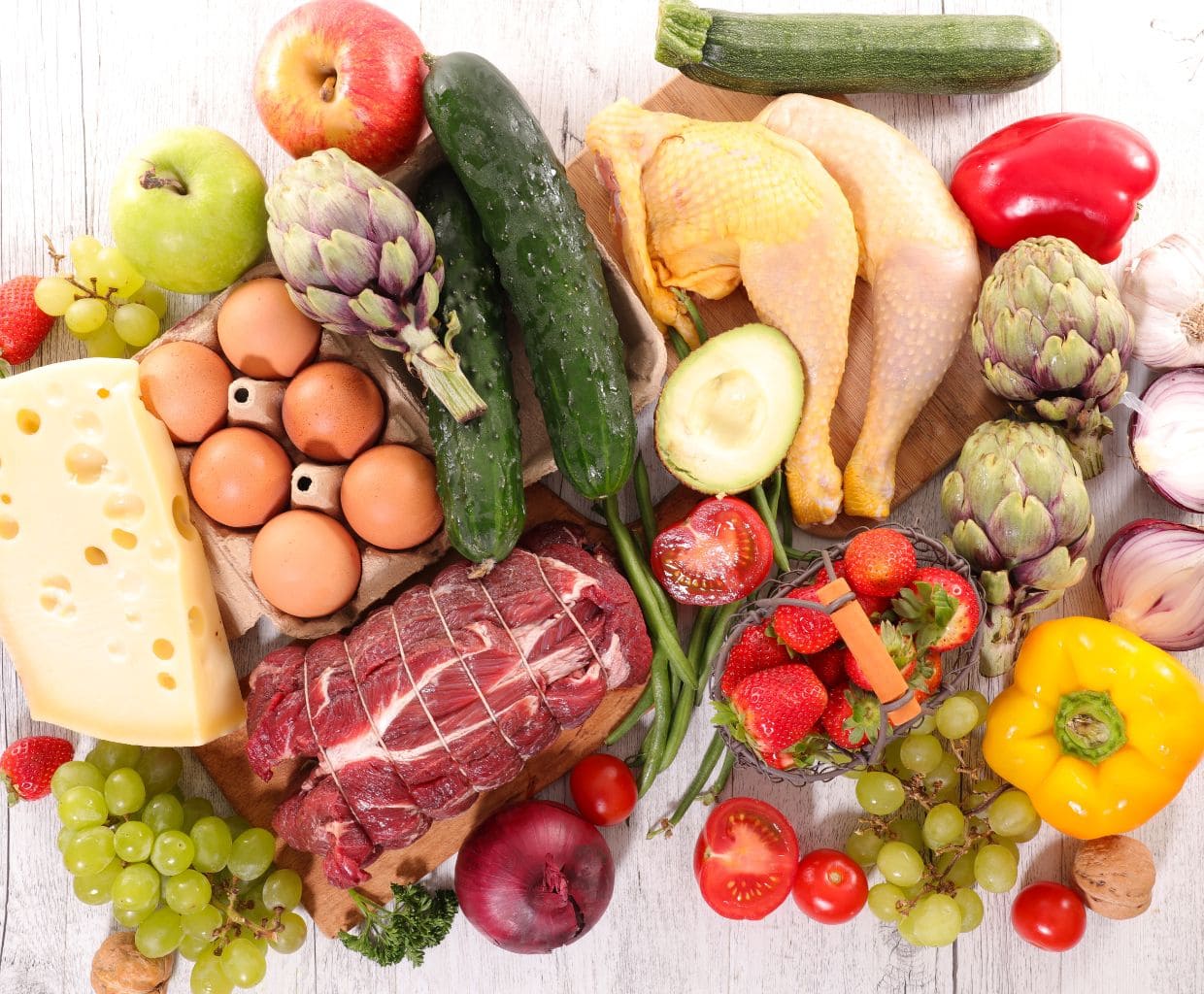
Breastfeeding Diet, Nutrition and Health: What You Need While Nursing
What to eat and drink while breastfeeding: calories, key nutrients, fish, caffeine, supplements, and looking after your mental health.