Can You Eat Sushi While Breastfeeding? Mercury, Raw Fish and Smart Choices
By Breastfeeding Mom Editorial TeamUpdated 7 min read
If you skipped sushi during pregnancy, you may be wondering when you can have it again. For most breastfeeding parents, the answer is now. The CDC says that, in general, women don’t need to limit or avoid specific foods while breastfeeding. The exceptions it names are certain seafood (because of mercury) and caffeine.
So the question isn’t really “sushi or no sushi”. It’s which fish, how much, and how fresh. This guide walks you through all three. For the bigger picture on eating well while nursing, see our nutrition and health hub.
Why sushi rules change after birth
During pregnancy, the main worry with raw fish is infection that could affect the unborn baby. After birth, two separate things matter:
- Mercury, which can reach your baby. The CDC says most fish contain mercury that can pass from mother to infant through breast milk, and that this can affect the breastfed baby’s brain and nervous system. That applies to cooked fish just as much as raw.
- Food poisoning, which is mainly a risk to you. Raw seafood can carry germs and parasites. That’s about your own health, and how well you can care for your baby if you get sick.
Keeping these apart makes choices easier. A cooked roll made with swordfish isn’t “safer” than raw salmon nigiri. Raw salmon is a lower-mercury fish; swordfish is one of the highest.
How much fish: the FDA/EPA advice
The FDA and EPA’s joint Advice about Eating Fish applies directly to people who are breastfeeding:
- Eat 8 to 12 oz (225 to 340 g) a week of a variety of lower-mercury fish.
- That’s 2 to 3 servings a week from the “Best Choices” list, or 1 serving a week from the “Good Choices” list.
- One serving is 4 oz (115 g), about the size of the palm of your hand. The CDC notes this is measured before cooking.
- Avoid the “Choices to Avoid” fish, which have the highest mercury levels (the CDC says to try to avoid them).
Fish is worth eating. The FDA lists omega-3 fats (DHA and EPA), iron, choline, protein, vitamin B12, vitamin D and selenium among its nutrients, and notes that several of these support a child’s brain development.
It’s hard to know exactly how many ounces of fish are in a plate of rolls. A practical approach: count a sushi meal with a good amount of fish as one serving, and keep an eye on which fish were in it.
Sushi fish and their mercury category
Here’s how common sushi fish line up with the FDA/EPA lists. Japanese menu names are given in brackets where they’re widely used.
| Fish | FDA/EPA category | What it means |
|---|---|---|
| Salmon (sake), shrimp (ebi), crab, squid (ika), scallop (hotate) | Best Choice | 2 to 3 servings a week |
| Sardine, anchovy, herring, smelt, flounder, freshwater trout | Best Choice | 2 to 3 servings a week |
| Atlantic mackerel and Pacific chub mackerel (saba) | Best Choice | 2 to 3 servings a week |
| Canned light tuna, including skipjack | Best Choice | 2 to 3 servings a week |
| Yellowfin tuna, albacore (white) tuna | Good Choice | 1 serving a week |
| Halibut, snapper, Spanish mackerel, Chilean sea bass, mahi mahi | Good Choice | 1 serving a week |
| Bigeye tuna | Choice to Avoid | Skip it |
| King mackerel, swordfish, shark, marlin, orange roughy, Gulf of Mexico tilefish | Choice to Avoid | Skip it |
A few fish you’ll see on sushi menus, such as yellowtail (hamachi) and eel (unagi), aren’t on the FDA/EPA chart at all, so the chart can’t tell you their category. If you eat them often, ask your doctor or a dietitian.
The tuna question
Tuna is where sushi gets tricky. The FDA/EPA lists put different tunas in all three groups: canned light and skipjack are Best Choices, yellowfin and albacore are Good Choices, and bigeye is a Choice to Avoid. Many menus just say “tuna”, so ask which species it is. If the restaurant doesn’t know, choose a different fish that day.
If you’re in the UK
The NHS uses slightly different limits: aim for at least 2 portions of fish a week (one oily), but no more than 2 portions of oily fish such as salmon, mackerel, sardines or trout a week while breastfeeding, and no more than 1 portion a week of shark, swordfish or marlin. US readers can follow the FDA/EPA advice above.
Raw fish and your own food safety
The FDA’s guide to serving seafood safely lists groups at higher risk of foodborne illness who should avoid raw or undercooked fish and shellfish, including sashimi. Those groups are pregnant women, young children, older adults and people with weakened immune systems (for example after a transplant, or with HIV/AIDS, cancer or diabetes). Breastfeeding on its own isn’t on that list.
That doesn’t mean raw fish is risk-free for anyone. The FDA notes:
- Freezing kills parasites that some fish may carry, but it doesn’t kill all harmful germs.
- Bacteria that cause illness grow quickly between 40°F and 140°F (4°C and 60°C), so sushi left out at room temperature is a bigger risk.
- Cooking most seafood to 145°F (63°C) is the best way to reduce the risk.
- Raw oysters: higher-risk groups should avoid them even if they were treated after harvest, because that treatment doesn’t remove all pathogens.
- Sour, rancid or strong “fishy” smells mean you shouldn’t eat it.
Practical steps that follow from this:
- Eat at busy, reputable restaurants or buy sushi from places with good refrigeration.
- Eat takeout or supermarket sushi promptly, and keep it in the fridge until you do.
- Skip anything that smells or looks off.
- If your immune system is weakened, or your doctor has told you to avoid raw foods, follow that advice and stick to cooked options.
Lower-risk ways to enjoy sushi
If you want sushi without the raw-fish question, plenty of options work: rolls with cooked shrimp (ebi), cooked crab, cooked eel, or vegetable rolls such as cucumber or avocado. Cooked fish still counts toward your weekly fish total.
What about food poisoning while breastfeeding?
If you do get an upset stomach after a meal, you usually don’t need to stop breastfeeding. For diarrhea picked up from food or water while traveling, the CDC says a nursing mother can continue to breastfeed, that the organisms that cause it don’t pass through breast milk, and that you should drink extra fluids. The same page advises avoiding bismuth subsalicylate (found in some upset-stomach remedies), because salicylate can pass to your baby through your milk.
Our guide to breastfeeding while sick covers stomach bugs in more detail, and our heartburn and stomach medicines guide explains which remedies are generally considered compatible.
The extras: sake, soy sauce and green tea
- Sake and other alcohol: the CDC says the alcohol level in breast milk is essentially the same as in your bloodstream. Not drinking is safest; if you do have a drink, the CDC says waiting at least 2 hours after a single drink before nursing is safest. Read our guide to breastfeeding and alcohol for drink sizes and timing.
- Green tea: it contains caffeine, which counts toward your daily total. The CDC considers about 300 mg a day or less a low to moderate intake. See our caffeine while breastfeeding guide.
- Soy sauce, ginger and wasabi: these are ordinary condiments and aren’t among the foods the CDC or NHS asks breastfeeding parents to limit.
For the short list of foods that do deserve limits, see foods to avoid while breastfeeding.
When to call a doctor
Call your doctor if, after eating sushi or any other food, you:
- can’t keep fluids down or show signs of dehydration (very dark urine, dizziness, a dry mouth),
- have a high fever, blood in your stool, or diarrhea that isn’t improving after a few days,
- have a weakened immune system and develop any signs of food poisoning, or
- are unsure whether a medicine for your symptoms is safe while breastfeeding.
Call 911 for trouble breathing, swelling of the face or throat, or fainting, which can be signs of a severe allergic reaction to fish or shellfish. If you’re worried about your baby’s feeding, sleep or diapers at any point, call your pediatrician.
Frequently asked questions
Can raw fish make my breast milk unsafe?
The main concern with raw fish is food poisoning for you. For diarrhea from food or water while traveling, the CDC says you can keep breastfeeding and that the germs that cause it don't pass through breast milk. Mercury is the fish-related issue that does reach milk, which is why fish choice matters.
Is a spicy tuna roll okay while breastfeeding?
It depends on the tuna. Canned light and skipjack tuna are FDA Best Choices, albacore and yellowfin are Good Choices (one serving a week), and bigeye tuna is on the Choices to Avoid list. If the menu just says 'tuna', ask which kind.
Do I have to pump and dump after eating sushi?
No. Nothing in the FDA, EPA or CDC advice suggests pumping and dumping after a normal meal of fish. Mercury builds up over time, so the useful step is choosing lower-mercury fish across the week.
Can I have sake with sushi?
Alcohol passes into breast milk. The CDC says not drinking is safest, and that up to one standard drink a day is not known to harm a baby, and that waiting at least 2 hours after a single drink before nursing is safest. Our breastfeeding and alcohol guide has the details.
Is smoked salmon okay while breastfeeding?
The FDA's advice to avoid refrigerated smoked seafood (lox, nova-style, kippered) unless it's cooked is aimed at higher-risk groups, including pregnant women and people with weakened immune systems. Breastfeeding alone isn't on that list, but talk to your doctor if your immune system is weakened.
Sources
- FDA: Advice about Eating Fish (FDA and EPA)https://www.fda.gov/food/consumers/advice-about-eating-fish
- CDC: Maternal Diet and Breastfeedinghttps://www.cdc.gov/breastfeeding-special-circumstances/hcp/diet-micronutrients/maternal-diet.html
- FDA: Selecting and Serving Fresh and Frozen Seafood Safelyhttps://www.fda.gov/food/buy-store-serve-safe-food/selecting-and-serving-fresh-and-frozen-seafood-safely
- CDC: Breastfeeding and Food- and Waterborne Illness (Travelers' Diarrhea)https://www.cdc.gov/breastfeeding-special-circumstances/hcp/illnesses-conditions/food-water-borne-illness.html
- NHS: Breastfeeding and Diethttps://www.nhs.uk/baby/breastfeeding-and-bottle-feeding/breastfeeding-and-lifestyle/diet/
- CDC: Alcohol and Breastfeedinghttps://www.cdc.gov/breastfeeding-special-circumstances/hcp/vaccine-medication-drugs/alcohol.html
This guide is general information, not medical advice. For your own situation, talk to your doctor, midwife, pharmacist or an IBCLC lactation consultant. Read our medical disclaimer and find breastfeeding support near you.
Related articles
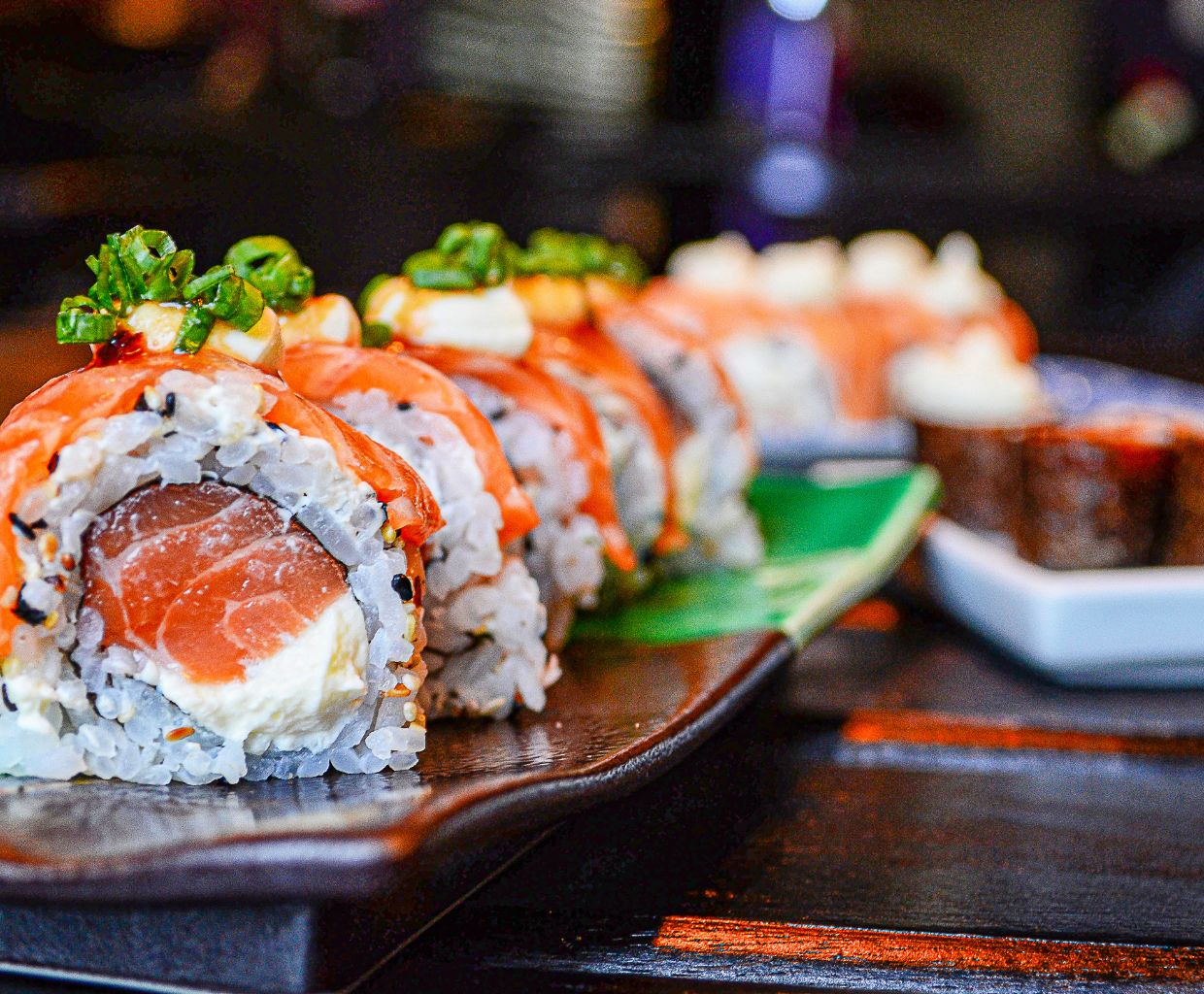
Foods to Avoid While Breastfeeding (and the Myths You Can Ignore)
The list of foods to avoid while breastfeeding is short: high-mercury fish, alcohol, too much caffeine and some herbs. Here's what matters and what's myth.
Breastfeeding Snacks: Easy One-Handed Ideas for Busy Days
Quick, one-handed breastfeeding snacks built around protein, fiber and fluids, plus how to choose fish safely and what snacks can't do for supply.
How to Lose Weight While Breastfeeding Without Hurting Your Supply
Does breastfeeding make you lose weight? What the studies show, how many calories you need, a safe pace and the habits that protect your milk supply.

Breastfeeding While Sick: Colds, Flu, Stomach Bugs and COVID-19
Most illnesses are no reason to stop breastfeeding. How to keep feeding safely through colds, flu, stomach bugs, COVID-19 and fever.