How Many Calories Does Breastfeeding Burn?
By Breastfeeding Mom Editorial TeamUpdated 4 min read
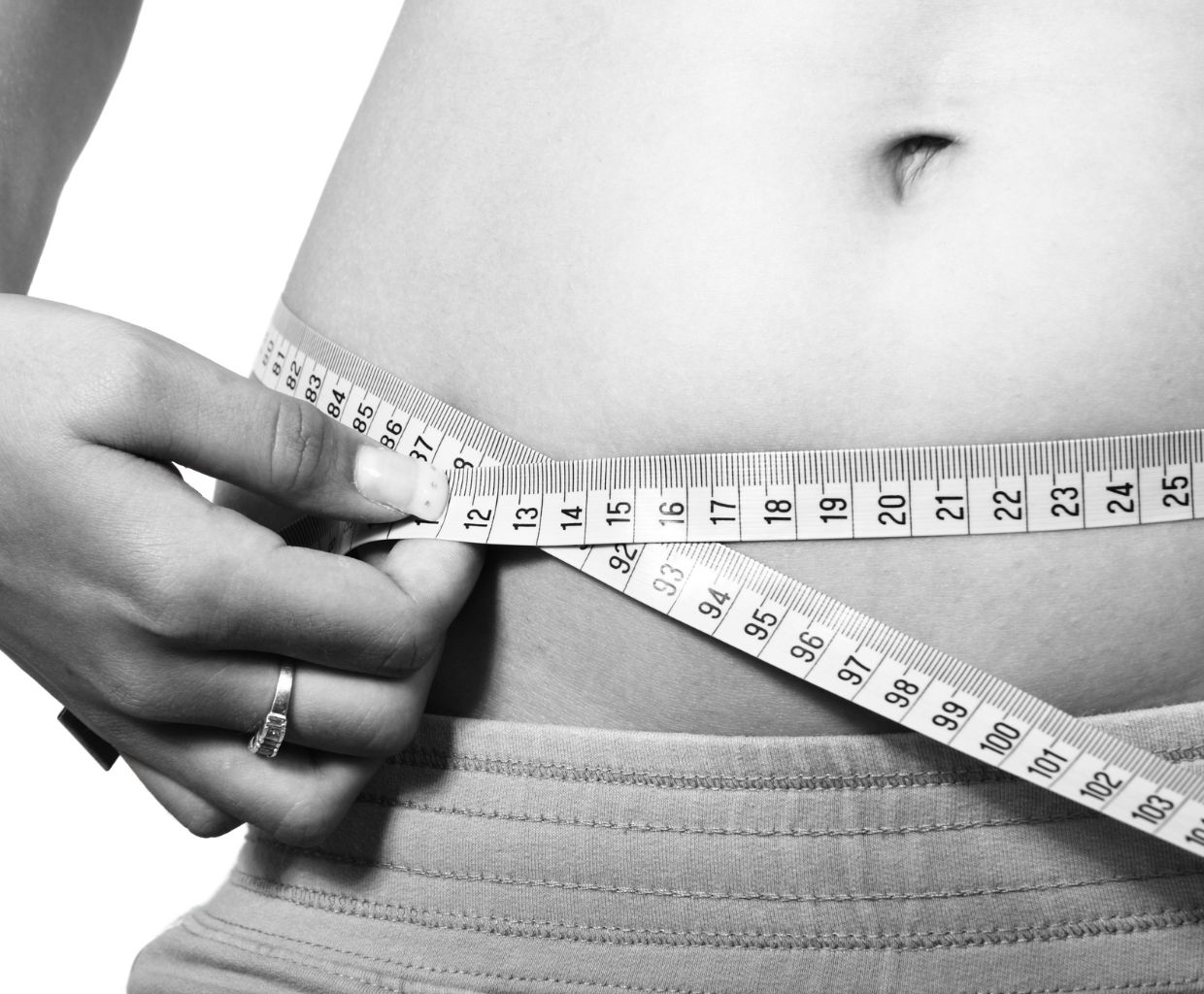
You may have heard that breastfeeding “burns” hundreds of calories a day, and that it helps you lose the baby weight. There’s some truth to both, but the details matter, especially if you’re feeling hungry all the time or wondering how much to eat.
Here’s how many calories making milk actually uses, why official advice suggests eating a little less than that extra, and how to lose weight without affecting your supply. For a personal estimate, try our breastfeeding calorie calculator.
How many calories does making milk use?
Your body uses energy to make milk, and the milk itself carries energy to your baby. Two numbers help explain the total:
- Energy in the milk. Breast milk averages about 20 calories per ounce (roughly 67 per 100 ml), according to the University of Texas Medical Branch pediatric nutrition course. The real figure varies from mother to mother and from feed to feed.
- How much milk you make. The Dietary Guidelines Advisory Committee uses an average of about 780 ml (26 oz) a day during the first six months of exclusive breastfeeding, falling to about 600 ml (20 oz) a day after that.
Put together, full milk production in the first six months uses roughly 500 calories a day. The Academy of Nutrition and Dietetics gives a similar range: 400 to 500 calories a day to make the full amount of milk most babies need from birth to six months.
Your own number depends mostly on how much milk you make. Exclusively breastfeeding one baby uses more than feeding once or twice a day; feeding twins uses more still.
How many extra calories should you eat?
If making milk uses about 500 calories, why is the advice to eat only 330 to 400 more?
| Stage | Extra calories a day vs. before pregnancy | Why |
|---|---|---|
| First 6 months (exclusive breastfeeding) | About 330 | Milk uses about 500; about 170 comes from fat stored during pregnancy |
| Second 6 months | About 400 | Less milk, but no assumed help from fat stores |
The CDC says well-nourished breastfeeding mothers generally need an additional 330 to 400 calories a day compared with before pregnancy. Your age, body size, activity level and whether you’re exclusively breastfeeding all change the figure.
What does 330 to 400 calories look like? Roughly a slice of whole-grain toast with peanut butter and a banana, or a cup of yogurt with fruit and a handful of nuts. Hunger is a useful guide: many people find they’re naturally hungrier while breastfeeding.
Does breastfeeding help you lose weight?
It can, but results vary a lot. The Academy of Nutrition and Dietetics notes that many women find breastfeeding helps them lose weight, while others don’t see much change until later. How much you gained in pregnancy, your activity level, sleep, appetite and how much milk you make all play a part.
Some people lose weight steadily while breastfeeding; others hold on to a few pounds until after weaning. Both are normal.
How to lose weight safely while breastfeeding
In the early weeks, focus on healing, rest and getting breastfeeding going rather than on the scale. Once you’re ready, a slow approach protects both your energy and your supply:
- Aim for about 1 pound (0.45 kg) a week. The Academy of Nutrition and Dietetics calls a gradual loss of 1 pound a week, or about 4 pounds (1.8 kg) a month, a safe goal for breastfeeding moms.
- Don’t drop too low. The same source warns that eating fewer than 1,800 calories a day may reduce the amount of milk your body makes. Skip crash diets, meal-replacement-only plans and long fasts.
- Make calories count. Build meals around vegetables, fruit, whole grains, protein foods and healthy fats. Our breastfeeding diet and nutrition guide covers the nutrients that matter most, such as iodine, choline and DHA.
- Move in ways you enjoy. Moderate activity, such as brisk walking, is good for you and won’t reduce milk volume. Get the go-ahead from your provider after birth before returning to intense exercise.
- Drink to thirst and limit sugary drinks.
- Watch your supply. If your baby has fewer wet diapers, seems less satisfied or isn’t gaining well, ease off the diet and talk to your provider.
Sleep loss, stress and fatigue can also affect milk production, so be kind to yourself. If supply becomes a worry, our guide on how to increase milk supply explains what helps.
Does pumping burn calories too?
Yes. The calories go into making milk, so pumping the same amount of milk uses about the same energy as feeding at the breast. If you exclusively pump, your needs are similar to someone exclusively breastfeeding. Our pumping schedule guide can help you keep output steady.
Using our calculator
Every body is different, so a single number won’t fit everyone. Our breastfeeding calorie calculator estimates your daily needs based on your age, height, weight, activity level, your baby’s age and how much of your baby’s milk comes from you. Use it as a starting point, then adjust based on hunger, energy and your baby’s growth.
When to talk to a doctor, dietitian or lactation consultant
Get personal advice if:
- you’re losing more than about 2 pounds (0.9 kg) a week without trying, or you’re losing weight when you don’t want to,
- you feel dizzy, exhausted or unwell,
- your baby isn’t gaining weight well or has fewer wet diapers,
- you have a history of an eating disorder, diabetes or thyroid problems, or
- you’re following a restricted diet, such as vegan, and want to make sure you’re covering your nutrients.
A registered dietitian can help you plan meals, and an IBCLC can check feeding if your supply or your baby’s growth is a concern.
Frequently asked questions
Does pumping burn as many calories as breastfeeding?
Yes. The calories are used to make milk, not by the act of feeding, so pumping the same amount of milk uses about the same energy as nursing.
Do I burn fewer calories once my baby starts solids?
Usually, yes. As your baby eats more solid food and drinks less milk, your body makes less milk and uses fewer calories for it.
Why am I not losing weight while breastfeeding?
Weight loss varies widely. Increased appetite, how much weight you gained in pregnancy, sleep loss, activity level and how much milk you make all play a part. Some people lose more weight after weaning.
Will eating too little reduce my milk supply?
It can. The Academy of Nutrition and Dietetics notes that eating fewer than 1,800 calories a day may reduce the amount of milk your body makes.
Sources
- CDC: Maternal Diet and Breastfeedinghttps://www.cdc.gov/breastfeeding-special-circumstances/hcp/diet-micronutrients/maternal-diet.html
- Dietary Guidelines Advisory Committee: Part D, Chapter 3: Food, Beverage and Nutrient Consumption During Lactationhttps://www.dietaryguidelines.gov/sites/default/files/2020-07/PartD_Ch3_Lactation_first-print.pdf
- Academy of Nutrition and Dietetics (eatright.org): Losing Weight While Breastfeedinghttps://www.eatright.org/health/pregnancy/breast-feeding/losing-weight-while-breastfeeding
- University of Texas Medical Branch, Pediatric Education: How much milk does an infant need?https://www.utmb.edu/pedi_ed/NUTRITION/06-06_how_much.asp
This guide is general information, not medical advice. For your own situation, talk to your doctor, midwife, pharmacist or an IBCLC lactation consultant. Read our medical disclaimer and find breastfeeding support near you.
Related articles
Foods to Avoid While Breastfeeding (and the Myths You Can Ignore)
The list of foods to avoid while breastfeeding is short: high-mercury fish, alcohol, too much caffeine and some herbs. Here's what matters and what's myth.
Can You Get Pregnant While Breastfeeding? Fertility, Birth Control and Nursing While Pregnant
Yes, you can get pregnant while breastfeeding. Learn when breastfeeding works as birth control, which methods are compatible, and nursing while pregnant.
Breastfeeding Calorie Calculator
Estimate how many calories you need a day while breastfeeding, based on your size, activity and how much your baby nurses.
Breastfeeding Diet, Nutrition and Health: What You Need While Nursing
What to eat and drink while breastfeeding: calories, key nutrients, fish, caffeine, supplements, and looking after your mental health.