Nursing Sports Bra: Support, Fit and Feeding Around Workouts
By Breastfeeding Mom Editorial TeamUpdated 5 min read
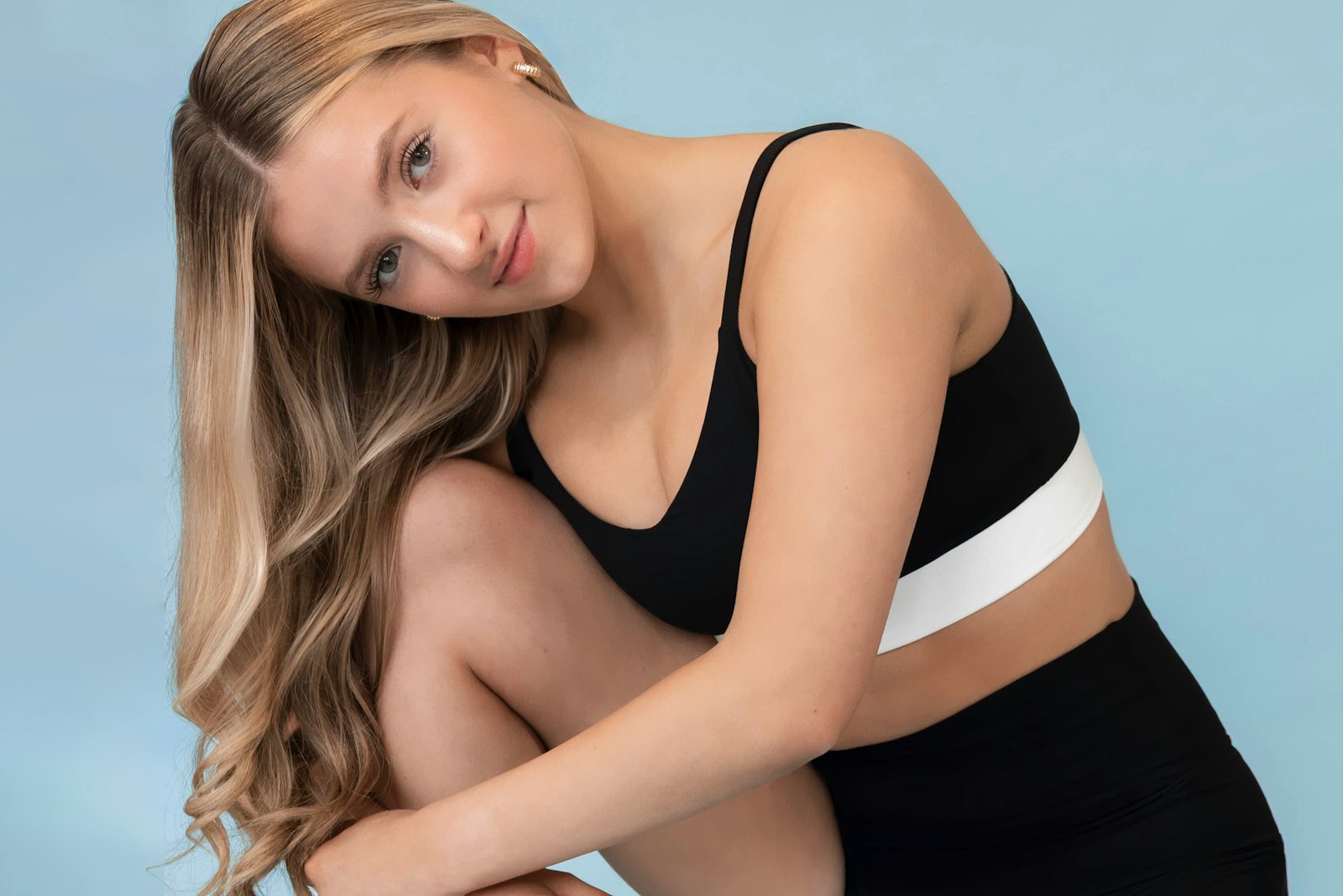
Getting back to walking, yoga or running after birth often means discovering that your old sports bra no longer fits, and that it doesn’t open for a feed. A nursing sports bra combines workout support with a way to reach your breast, so you can feed or pump before and after exercise without changing.
This guide explains what ACOG and the NHS say about bras and exercise after birth, how to balance support with comfort, and what to check when you shop. We don’t rank brands or test products; we give you the criteria.
Exercise after birth: what the guidance says
ACOG says that after a healthy pregnancy and a normal vaginal birth, it is usually safe to begin exercising a few days after giving birth, or as soon as you feel ready. If you had a cesarean birth or complications, ask your ob-gyn when it is safe to start. ACOG recommends at least 150 minutes of moderate-intensity aerobic activity a week, which can be split into short sessions, and suggests starting gently and building up. Its committee opinion on exercise in pregnancy and the postpartum period says that women who were physically active before pregnancy, including those who regularly did vigorous aerobic activity, can continue these activities during pregnancy and the postpartum period.
The NHS suggests gentle exercise such as walking, stretches and pelvic floor exercises as soon as you feel up to it after a straightforward birth, and advice at your postnatal check before high-impact exercise such as aerobics or running.
For breastfeeding parents, ACOG’s tips for preparing for a workout include two that matter here:
- Feed your baby or express your milk before your workout to avoid any discomfort from engorged breasts.
- Wear a bra that fits well and gives plenty of support to protect your breasts.
Get measured again
The NHS is direct about this: do not rely on your pre-pregnancy sports bra, because your back and cup size are likely to have changed, so get measured for a new one. Your size may also keep shifting in the first weeks. La Leche League notes that breasts may be enlarged when your milk first comes in, and that engorgement and heavy breasts are common in the first 2 to 6 weeks. Buying one bra first and more later, once your size settles, is often less wasteful than buying a full set right away.
Support without too much pressure
Sports bras hold breasts in two ways: compression (pressing them against your chest) and encapsulation (separate cups that hold each breast). Many combine both. For breastfeeding, the goal is firm support that doesn’t squeeze hard.
La Leche League says a bra that puts too much pressure on your breasts may result in sore breasts due to plugged ducts. It also says bras with underwiring or other firm structure can contribute to blocked ducts and even mastitis, so they are best avoided in the early months. The NHS advises avoiding tight clothes or bras so milk can flow freely if you have a blocked duct, and not wearing tight-fitting bras until you feel better if you have mastitis.
That advice comes from experienced breastfeeding organizations rather than trials of sports bras, and there is no good research comparing sports bra styles in breastfeeding parents. In practice:
- Choose the lowest compression that keeps you comfortable for your activity. Walking and yoga need less than running.
- Prefer wire-free cups in the early months, as La Leche League suggests.
- Check for marks. Deep red lines, a band that digs in, or soreness in one spot after a workout mean the bra is too tight.
- Change soon after exercise rather than staying in a damp, tight bra for hours.
Access styles
| Style | How it opens | Good for | Trade-offs |
|---|---|---|---|
| Clip-down cups | Clasp at the strap drops each cup | Feeding before and after workouts | Clips can rub under straps on some activities |
| Pull-aside or crossover front | Stretch the fabric aside | Low-impact exercise, simple design | Less support for high-impact activity |
| Front zip | Zips open at the center | Easy on and off; no pulling over your head | Zip can press; you remove more of the bra to feed |
| Racerback with clips | Clips at the front, straps meet at the back | Higher support with nursing access | Harder to adjust strap length |
| Pump-friendly | Openings that hold flanges | Pumping at the gym or after a run | Often less support than a dedicated sports bra |
If you plan to pump after workouts, a sports bra rarely replaces a proper pumping bra. Some parents switch bras after exercise, then pump hands-free.
What to look for when you shop
- Support level that matches your main activity
- Nursing access you can open with one hand
- Wide, soft band that stays put without digging in
- Adjustable straps and several hook settings, since your size can change
- Wire-free cups, or soft molded cups without firm structure
- Moisture-wicking fabric that dries quickly
- Removable cup inserts or room for nursing pads if you leak
- Machine-washable fabric; La Leche League suggests rinsing nursing bras thoroughly to remove detergent residue
For everyday bras, sizing and the underwire question in more detail, see our nursing bra guide.
Feeding and exercise
Plan your workout for just after a feed or pumping session when you can, following ACOG’s tip. Keep water nearby; ACOG suggests taking several sips during your workout. If exercise is part of a plan to lose weight after birth, our guide to losing weight while breastfeeding covers how to approach it gradually. You’ll find more early-days guides in our breastfeeding basics hub.
When to call a doctor or lactation consultant
- Stop exercising if you feel pain, as ACOG advises, and talk to your ob-gyn if it continues.
- Leaking urine or a heavy feeling between your vagina and anus. The NHS suggests pelvic floor exercises for these and says to ask a doctor for help at any time if a physical problem is bothering you; they can refer you to a specialist such as a physical therapist.
- A tender lump in your breast that doesn’t ease. Our clogged milk duct guide explains what helps, and a lactation consultant (IBCLC) can check your bra fit and feeding.
- A hot, swollen, painful area of the breast or flu-like symptoms, which the NHS lists as signs of mastitis. Contact your doctor if you feel worse or aren’t better within 12 to 24 hours.
Shop on Amazon
Shop what this guide covers
Paid links: as an Amazon Associate we earn from qualifying purchases, at no extra cost to you. Links never change what we recommend. Disclosure
Frequently asked questions
Can I wear my old sports bra while breastfeeding?
You can try, but the NHS advises not relying on your pre-pregnancy sports bra, because your back and cup size are likely to have changed. Get measured, and check that it doesn't dig in or leave deep marks.
Should I breastfeed before a workout?
ACOG suggests feeding your baby or expressing milk before your workout to avoid the discomfort of engorged breasts.
Is a compression sports bra bad for breastfeeding?
There are no good studies on sports bras and breastfeeding. La Leche League says a bra that puts too much pressure on your breasts may lead to sore breasts from plugged ducts, and the NHS advises avoiding tight bras with mastitis. Aim for support that holds you without squeezing.
How soon after birth can I exercise?
ACOG says that after a healthy pregnancy and normal vaginal birth it is usually safe to begin exercising a few days after birth or when you feel ready. After a cesarean or complications, ask your ob-gyn first.
Sources
- ACOG: Exercise After Pregnancyhttps://www.acog.org/womens-health/faqs/exercise-after-pregnancy
- ACOG Committee Opinion 804: Physical Activity and Exercise During Pregnancy and the Postpartum Periodhttps://www.acog.org/clinical/clinical-guidance/committee-opinion/articles/2020/04/physical-activity-and-exercise-during-pregnancy-and-the-postpartum-period
- NHS: Keeping fit and healthy with a babyhttps://www.nhs.uk/baby/support-and-services/keeping-fit-and-healthy-with-a-baby/
- La Leche League International: Brashttps://llli.org/breastfeeding-info/bras/
- NHS: Breast pain and breastfeedinghttps://www.nhs.uk/baby/breastfeeding-and-bottle-feeding/breastfeeding-problems/breast-pain/
- NHS: Mastitishttps://www.nhs.uk/conditions/mastitis/
- NHS: Your post-pregnancy bodyhttps://www.nhs.uk/baby/support-and-services/your-post-pregnancy-body/
- La Leche League International: Breastfeeding with Sore Nippleshttps://llli.org/breastfeeding-info/breastfeeding-sore-nipples/
This guide is general information, not medical advice. For your own situation, talk to your doctor, midwife, pharmacist or an IBCLC lactation consultant. Read our medical disclaimer and find breastfeeding support near you.
Related articles
Nursing Bra Buying Guide: Fit, Types and When to Buy
How to choose a nursing bra: the main types, how it should fit, when to buy, how many you need, and what the evidence says about underwire.

Nursing Dresses: Access Styles, Fabrics and Fit for Breastfeeding
How to choose a nursing dress: wrap, hidden zip, button-front and double-layer styles, pumping access, fabrics, and fit while your body keeps changing.

Nursing Pajamas and Nightgowns: What to Look For for Night Feeds
How to choose nursing pajamas or a nursing nightgown: easy access for night feeds, built-in support, fabrics for night sweats and what to pack for the hospital.
Nursing Pads: Disposable vs Reusable and What to Look For
Do you need nursing pads? Disposable vs reusable, why plastic liners are best avoided, how often to change them and how to keep nipples dry.