Pumping Schedule: Sample Plans for Every Situation
By Breastfeeding Mom Editorial TeamUpdated 5 min read
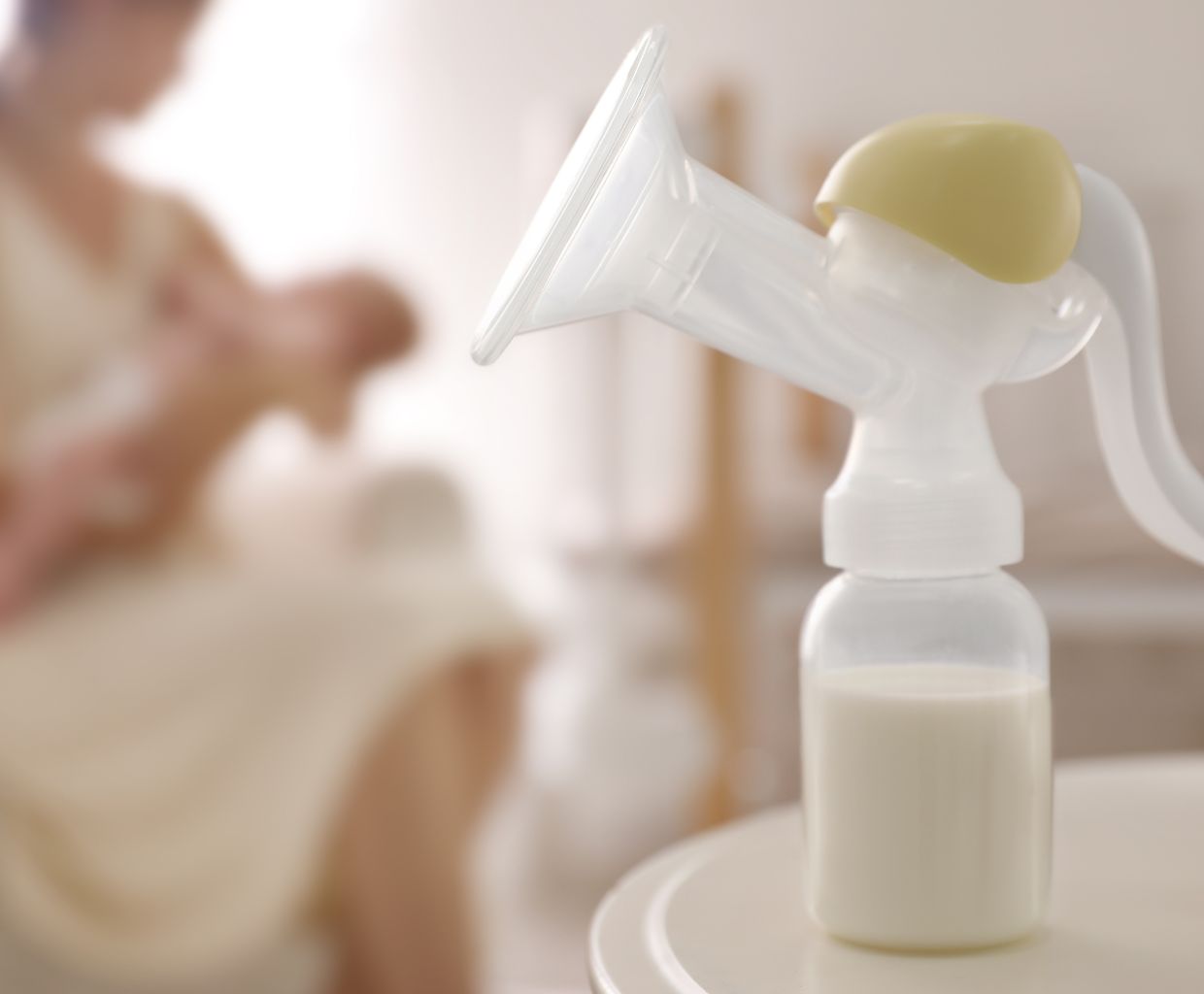
There’s no single perfect pumping schedule. The right one depends on your baby’s age, whether you also breastfeed, and how your days actually look. What every good schedule has in common is simple: it removes milk often enough to tell your body how much to make.
Below are sample schedules for the most common situations. Use them as starting points, not rules. Shift the times to fit your life, and keep the number of sessions and the gaps between them roughly the same.
The basic rules behind any schedule
- Frequency matters most. Milk supply follows demand. Regular, frequent milk removal keeps production up, and long gaps signal your body to slow down.
- Match your baby. If you’re replacing feeds, pump about as often as your baby would eat. La Leche League suggests pumping as many times as your baby feeds while you’re apart.
- Session length. Cleveland Clinic notes that sessions typically run about 10 to 15 minutes per breast. With a double pump, many people pump 15 to 20 minutes, or until the flow slows.
- Don’t skip sessions for long stretches, especially in the first weeks. Skipping can lead to lower supply and uncomfortably full breasts.
If you’re not sure your output is enough, compare it with what your baby takes. Our breast milk intake calculator gives a typical range by age and weight.
Exclusive pumping a newborn
When you’re pumping instead of nursing, the first weeks build your long-term supply. The Connecticut WIC program advises starting to express within 6 hours of birth, ideally in the first hour, and then pumping both breasts every 2 to 3 hours, including overnight, for at least 15 minutes. That works out to 8 to 12 sessions in 24 hours.
| Time | Session |
|---|---|
| 6:00 a.m. | Pump |
| 9:00 a.m. | Pump |
| 12:00 p.m. | Pump |
| 3:00 p.m. | Pump |
| 6:00 p.m. | Pump |
| 9:00 p.m. | Pump |
| 12:00 a.m. | Pump |
| 3:00 a.m. | Pump |
This sample has 8 sessions, the low end of the range. If your output is low, add sessions (for example a 10:30 p.m. and a 4:30 a.m. pump) rather than making each one much longer. Keep the night gap short in the early weeks too, since overnight sessions are part of building supply.
Once your supply is well established, often after the first few months, some exclusive pumpers slowly reduce to fewer sessions. Drop or merge one session at a time, wait several days, and check that your daily total holds steady before changing anything else.
Pumping to build a stash while nursing
If your baby nurses well and you want some milk in the freezer, you don’t need much extra pumping. La Leche League suggests waiting until breastfeeding is well established, usually around 4 weeks, then pumping after one feed a day when your breasts still feel a little full.
| Time | What you do |
|---|---|
| 6:00 a.m. | Breastfeed |
| 6:30 a.m. | Pump 10–15 minutes (many people are fullest in the morning) |
| Rest of the day | Breastfeed on demand as usual |
You’ll collect “leftovers,” so an ounce or less per session is normal at first. Combine small, chilled amounts from the same day before freezing. Our guide on how long breast milk lasts in the fridge covers safe storage. If you want to boost output for a few days, read about power pumping.
Back to work (8-hour day)
Cleveland Clinic’s example for a typical workday is to pump about every 3 hours while you’re away. A rough rule of thumb is that most people make about 1 to 1.25 oz (30 to 37 ml) of milk per hour, so an 8-hour day often yields around 8 to 10 oz (240 to 300 ml), enough for the next day’s bottles.
| Time | What you do |
|---|---|
| 6:30–7:00 a.m. | Breastfeed before leaving (or at drop-off) |
| 10:00 a.m. | Pump |
| 1:00 p.m. | Pump (lunch break) |
| 4:00 p.m. | Pump |
| 6:00–7:00 p.m. | Breastfeed at pickup or at home |
| Evening and night | Breastfeed on demand |
Plan 30 to 40 minutes per break, which leaves time to set up, pump and store milk. If you pump less than your baby eats, pump closer to every 2 hours. If you consistently get more than enough, every 4 hours may be fine. In the US, most employees have a legal right to break time and a private, non-bathroom space to pump for a year after birth. Our pumping hub explains the basics.
12-hour shifts
Long shifts, common in nursing, healthcare and emergency work, are harder, but the same idea applies: aim for a session every 3 to 4 hours while you’re gone.
| Time | What you do |
|---|---|
| 5:30–6:00 a.m. | Breastfeed or pump right before leaving |
| 9:30 a.m. | Pump |
| 1:00 p.m. | Pump |
| 4:30 p.m. | Pump |
| 7:30 p.m. | Pump before leaving work (or breastfeed as soon as you’re home) |
| Evening and night | Breastfeed on demand |
For night shifts, flip the plan: feed before you leave, pump every 3 to 4 hours through the shift, and nurse when you get home. Tips that help on long shifts:
- Keep a backup kit at work: spare valves, a cooler bag with ice packs and a manual pump as backup.
- Have a short version ready. When a full break isn’t possible, even a 10-minute session is better than none. La Leche League suggests using any 10 to 15 minute window.
- Talk to your manager early about predictable break times.
- Use your days off to nurse more often, which many people find helps keep supply steady.
Not sure how long your milk is good for after a long shift in a cooler? Our breast milk storage calculator gives you a use-by time.
When to call a doctor or lactation consultant
Talk to an IBCLC, your provider or your baby’s doctor if your output drops for several days in a row, pumping is painful, you see nipple damage, or you develop a fever or a hot, red, painful area on your breast. Also reach out if your baby isn’t gaining weight as expected. And when you’re ready to cut back for good, our guide on how to stop pumping shows you how to do it comfortably.
Frequently asked questions
How long should each pumping session be?
Many people pump about 15 to 20 minutes with a double pump. If milk is still flowing well at that point, you can keep going until the flow slows. Single pumping takes longer because each breast is pumped separately.
Is it OK to skip the night pumping session?
In the first weeks of exclusive pumping, a night session helps establish supply, so it's best not to skip it. Once your supply is steady, some people can stretch the night gap gradually, but watch your daily total and slow down if it drops.
Do I need a huge freezer stash before going back to work?
Usually not. Cleveland Clinic notes you mainly need enough milk for the next day, because what you pump at work covers the following day's bottles. A small reserve helps for unexpected days.
Should I pump at the same times every day?
Consistency helps, but exact times matter less than the number of sessions and the gaps between them. A session that's 30 minutes late is far better than one that's skipped.
Sources
- Connecticut WIC Program: Consistent Breastfeeding Education Messages, Exclusive Pumping (PDF)https://portal.ct.gov/-/media/Departments-and-Agencies/DPH/dph/WIC-2018/Breastfeeding/Exclusive-Pumping-CT-WIC-June-2022-Final.pdf
- Cleveland Clinic: Pumping at Work, Example Schedule and Helpful Tipshttps://health.clevelandclinic.org/pumping-schedule-pumping-at-work
- La Leche League International: Working and Breastfeedinghttps://llli.org/breastfeeding-info/working-and-breastfeeding/
- U.S. Department of Labor: Fact Sheet #73, FLSA Protections for Employees to Pump Breast Milk at Workhttps://www.dol.gov/agencies/whd/fact-sheets/73-flsa-break-time-nursing-mothers
- Cleveland Clinic: Breast Pump Types, Parts and Tutorialhttps://my.clevelandclinic.org/health/articles/25244-breast-pump
This guide is general information, not medical advice. For your own situation, talk to your doctor, midwife, pharmacist or an IBCLC lactation consultant. Read our medical disclaimer and find breastfeeding support near you.
Related articles
Power Pumping: The One-Hour Schedule and What to Expect
What power pumping is, the classic 20-10-10-10-10 one-hour schedule, how long to try it and what the evidence really shows.
How to Stop Pumping Without Pain or Engorgement
A gentle, step-by-step plan to wean off the pump: drop one session every few days, shorten sessions and stay comfortable.

Pumping Breast Milk: A Practical Guide for Every Stage
Why and when to pump, how to choose a pump and flange, what to expect per session, pumping at work and keeping parts clean.