How to Stop Pumping Without Pain or Engorgement
By Breastfeeding Mom Editorial TeamUpdated 5 min read
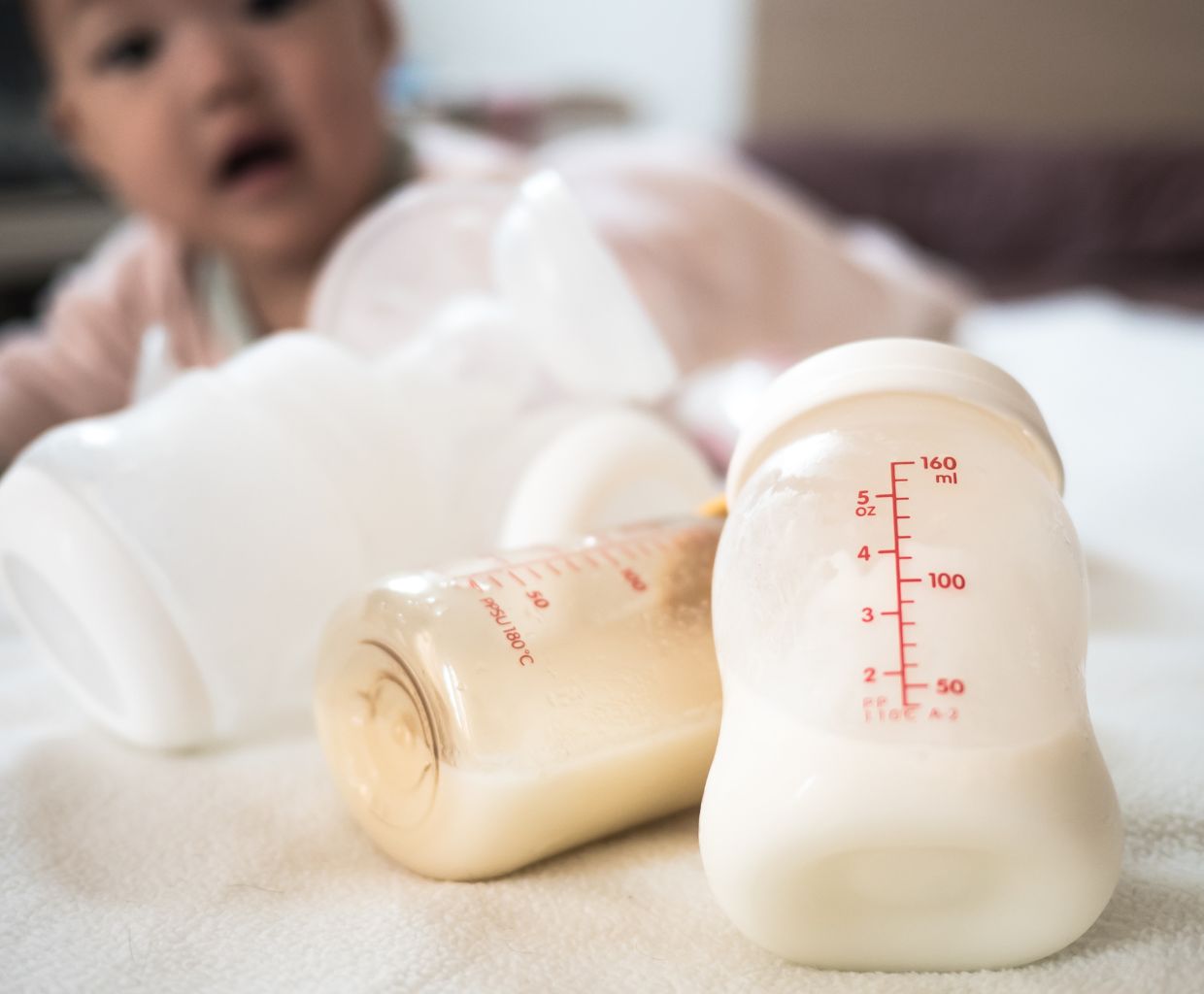
Whether you’ve pumped for six weeks or eighteen months, deciding to stop is a big step. You may feel relief, sadness, pride or all three at once. Whatever brought you here, the goal now is simple: to finish in a way that keeps your breasts comfortable and healthy.
The key is going slowly. Stopping all at once can leave you painfully full and raises the risk of blocked ducts and mastitis. A gradual plan lets your body adjust to making less milk, step by step.
Why gradual weaning off the pump works
Your body makes milk in response to how often and how much milk is removed. When you cut back slowly, your supply has time to follow. The Connecticut WIC program advises reducing pumping gradually to avoid the problems that come with weaning abruptly, and NHS guidance gives the same advice for stopping breastfeeding.
You can reduce in two ways, and most people combine them:
- Drop sessions. Remove one pumping session at a time, then wait a few days before dropping another.
- Shorten or space out sessions. Pump a few minutes less each time, or let more time pass between sessions.
A sample plan for how to stop pumping
This example starts from 6 sessions a day. Adjust it to your own starting point and go slower if you feel uncomfortable.
| Days | Sessions per day | What changes |
|---|---|---|
| 1–3 | 5 | Drop the session you find hardest to fit in |
| 4–6 | 4 | Drop another; spread the remaining sessions evenly |
| 7–9 | 3 | Shorten each session by 2–3 minutes |
| 10–12 | 2 | Morning and evening only, shorter again |
| 13–15 | 1 | One short session, ideally the time you feel fullest |
| 16 onward | 0 | Express by hand only if you feel uncomfortably full |
A few tips that make each step easier:
- Stop when you’re comfortable, not empty. Toward the end, pump only until the fullness eases. Emptying your breasts tells your body to keep making milk.
- Turn the suction down and shorten the time, rather than pumping hard for a few minutes.
- Wait for each step to settle. If your breasts still feel very full two or three days after dropping a session, stay at that step a little longer.
- Exclusive pumpers with a large supply often need more time. Dropping a session every 4 to 7 days is perfectly fine.
If you’re cutting back after a short time, before your supply is fully established, things may move faster. If you make a lot of milk, expect it to take longer.
What about the night session?
Many people want to drop the middle-of-the-night pump first, because it costs the most sleep. That’s a reasonable choice, but it’s also often a session with a lot of milk, so go gently:
- Push the night session later by 30 to 60 minutes every couple of nights, until it merges with your first morning pump.
- Or shorten it by a few minutes each night until it’s just a quick comfort session, then drop it.
Either way, a long first stretch of sleep can leave you very full in the morning. Pump only until you feel comfortable, then continue with your plan.
Staying comfortable while you cut back
Some fullness is normal as you wean. These measures help:
- Cold compresses or wrapped ice packs for 15 to 20 minutes at a time ease swelling and soreness.
- A supportive, well-fitting bra that doesn’t dig in. Avoid tight bras, binding or anything that presses hard on your breasts.
- Pain relief. Ibuprofen or acetaminophen at the standard adult dose on the label can help with soreness and swelling. Our guide on ibuprofen and Tylenol while breastfeeding has more detail. Check with your doctor or pharmacist if you have other health conditions or take other medicines.
- Gentle touch only. Current guidance from the Academy of Breastfeeding Medicine advises against deep or firm breast massage, which can increase swelling. A light, sweeping touch toward the armpit is enough.
- Choose cold over heat. Current guidance favors cold to calm inflammation, and heat can encourage leaking.
If your breasts become hard, swollen and painful, our guide to engorged breasts covers what to do. A small, tender lump that appears as you cut back may be a narrowed duct. See clogged milk ducts for gentle care.
Should you stop pumping cold turkey?
It’s best avoided when you can, because suddenly stopping makes engorgement and mastitis more likely. Sometimes, though, life or health makes a quick stop necessary. If that’s you, express by hand or with the pump only enough to relieve pressure, as rarely as you can manage, and use the comfort measures above. Our guide on how to dry up breast milk explains your options, including when a doctor may suggest medicine.
Your feelings matter too
Ending pumping can bring up mixed emotions. Some parents feel freed. Others feel guilty or tearful, or miss the routine. These feelings are common and usually ease in a few weeks. If low mood, anxiety or tearfulness lasts more than a couple of weeks or feels overwhelming, talk to your doctor. Every ounce you pumped mattered, and stopping is a valid choice.
For more on pumping, from schedules to storage, visit our pumping guide.
When to call a doctor or lactation consultant
Contact your doctor or midwife promptly if you have:
- A fever, chills or flu-like symptoms
- A hot, swollen, painful or red area on your breast (redness can be harder to see on darker skin)
- A hard lump that doesn’t improve within a day or two, or gets bigger
- Blood-streaked discharge from the nipple
These can be signs of mastitis, which needs prompt care. An IBCLC can also help you build a weaning plan, especially if you have a large supply or keep getting blocked ducts as you cut back.
Frequently asked questions
How long does it take for milk to dry up after I stop pumping?
It varies. Your breasts usually feel softer within days to a couple of weeks after your last session, but small amounts of milk can sometimes be expressed for weeks or even months. That's normal and isn't a sign that something is wrong.
Will my period come back when I stop pumping?
It may. Frequent milk removal can delay periods for some people, so cycles often return or become more regular as you cut back. Remember that you can ovulate before your first period, so use contraception if you don't want to get pregnant.
Can I switch from exclusive pumping to formula gradually?
Yes. As you drop each pumping session, replace that amount of breast milk with formula if your baby is under 12 months. Your baby's doctor can help you work out amounts.
What should I do with my frozen milk stash?
You can keep using it until it reaches its storage limit. Many parents mix thawed milk into bottles of formula or use it in food once their baby eats solids.
Sources
- NHS: How to Stop Breastfeedinghttps://www.nhs.uk/baby/breastfeeding-and-bottle-feeding/breastfeeding/how-to-stop/
- Leeds Teaching Hospitals NHS Trust: Lactation Following Pregnancy or Infant Losshttps://www.leedsth.nhs.uk/patients/resources/lactation-following-pregnancy-or-infant-loss/
- NHS: Mastitishttps://www.nhs.uk/conditions/mastitis/
- Connecticut WIC Program: Consistent Breastfeeding Education Messages, Exclusive Pumping (PDF)https://portal.ct.gov/-/media/Departments-and-Agencies/DPH/dph/WIC-2018/Breastfeeding/Exclusive-Pumping-CT-WIC-June-2022-Final.pdf
- Academy of Breastfeeding Medicine: Clinical Protocol #36, The Mastitis Spectrum (2022, PDF)https://abm.memberclicks.net/assets/DOCUMENTS/PROTOCOLS/36-mitchell-et-al-2022-academy-of-breastfeeding-medicine-clinical-protocol-36-the-mastitis-spectrum-revised-2022.pdf
This guide is general information, not medical advice. For your own situation, talk to your doctor, midwife, pharmacist or an IBCLC lactation consultant. Read our medical disclaimer and find breastfeeding support near you.
Related articles
Pumping Schedule: Sample Plans for Every Situation
Sample pumping schedules in easy tables for exclusive pumping, building a stash while nursing, going back to work and 12-hour shifts.
Power Pumping: The One-Hour Schedule and What to Expect
What power pumping is, the classic 20-10-10-10-10 one-hour schedule, how long to try it and what the evidence really shows.

How to Dry Up Breast Milk Safely and Comfortably
How to dry up breast milk gently: gradual reduction, comfort measures, what the evidence says about remedies and support after a loss.

Breast Engorgement: Relief for Full, Swollen Breasts
Hard, swollen breasts after your milk comes in? Learn normal fullness vs engorgement, how to soften the breast for latching and when to call.