Power Pumping: The One-Hour Schedule and What to Expect
By Breastfeeding Mom Editorial TeamUpdated 5 min read
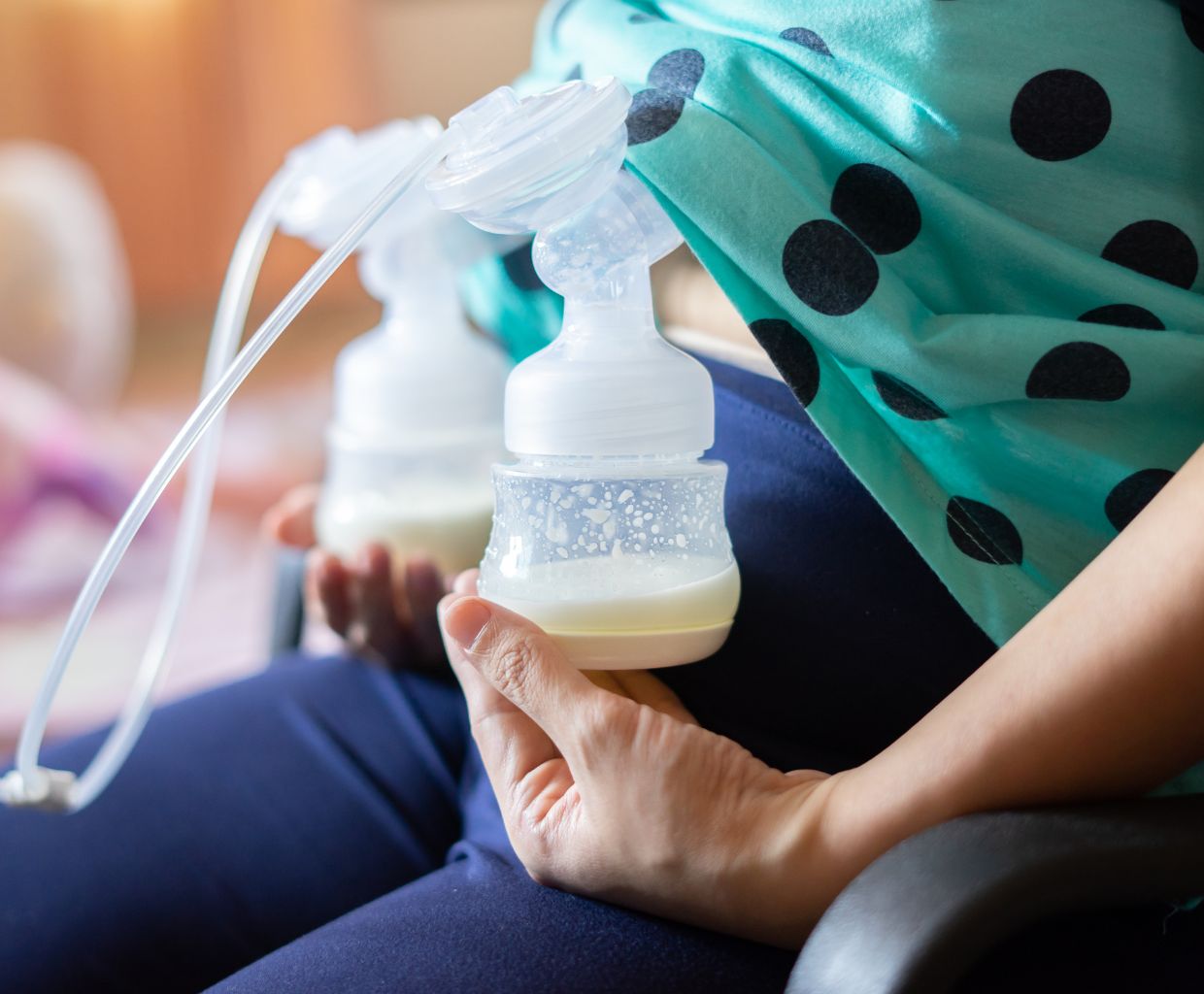
If you’re pumping less than your baby needs, you’ve probably come across power pumping. It’s a simple idea: for a short time each day, you pump in quick, repeated bursts, the way a baby nurses again and again during a growth spurt. The goal is to send your body a strong “make more milk” signal.
Below you’ll find the classic schedule, how long to give it, what the evidence does and doesn’t show, and when it’s time to get personal help.
What power pumping is
Milk production works mostly on supply and demand. The more often milk is removed from your breasts, the more milk your body tends to make. Babies do this naturally when they cluster feed, nursing in short, frequent bursts over an hour or two, often in the evening.
Power pumping (sometimes called cluster pumping) copies that pattern with a pump. Cleveland Clinic describes extra pumping or several short power pumping sessions, done for several days in a row, as a way to trigger your body to make more milk. It doesn’t replace your regular routine. You do it once a day in place of one of your usual sessions.
The classic one-hour schedule
The version most lactation professionals share is often written as 20-10-10-10-10:
| Minutes | What you do |
|---|---|
| 0–20 | Pump |
| 20–30 | Rest |
| 30–40 | Pump |
| 40–50 | Rest |
| 50–60 | Pump |
A few practical tips:
- Use a double electric pump if you can, so both breasts get the same stimulation at once.
- Pick a regular time you can protect, like after your baby’s bedtime. Morning sessions work well for some people, since many find their breasts feel fuller then.
- Stay put during rests. Leave the flanges on or nearby so starting again is easy. Set a timer and have water and a snack within reach.
- Don’t chase drops. It’s normal to get very little milk in the later rounds. The stimulation is the point, not the volume in the bottle.
There’s no single official protocol, and the exact minutes don’t matter much. Some people do two 30-minute blocks, or several short 5–10 minute sessions spread through the day. Choose the pattern you can actually keep up.
How long to try it
Most people do one power pumping session a day for several days to a week, alongside their usual feeds or pumping sessions. Changes in supply usually build gradually, so don’t judge it after one session. Compare your total daily output over a few days rather than looking at any single bottle.
If you’ve given it about a week and see no change, it’s a good moment to stop and look for the cause with an expert rather than adding more pumping.
What the evidence says
Power pumping is common clinical advice, and it rests on a well-understood principle: frequent, effective milk removal supports milk production. But there is very little research testing power pumping itself. We don’t have good studies comparing it with simply adding one or two regular sessions a day, and there’s no agreed “best” schedule. What you’ll read about it, including the 20-10-10-10-10 pattern, comes mostly from clinical practice and parent experience.
That means it’s reasonable to try, and it’s low risk for most people with low supply. It just isn’t a guaranteed fix, and it works best when the basics are already in place.
Get the basics right first
Power pumping can’t make up for problems with how milk is being removed the rest of the day. Before you add an extra hour, check that:
- You’re pumping often enough. In the early months, exclusive pumpers usually need 8 to 12 sessions in 24 hours, including at least one at night. Our pumping schedule guide has sample plans for different situations.
- Your flange fits. A flange that’s too small or too big can lower output and make pumping painful. Cleveland Clinic suggests your nipple should move freely in the tunnel without pain.
- Your pump works well. Worn valves and membranes can quietly cut suction. La Leche League notes that pumping less than your baby drinks is often a pump issue rather than a milk issue.
- You’re not skipping sessions for long stretches, especially at work.
For a wider look at what raises supply, including feeding at the breast more often and when to talk about medical causes, read our guide on how to increase milk supply. The pumping hub covers pump types, fit and cleaning.
Watch for overdoing it
More isn’t always better. If your supply already matches your baby’s needs, extra stimulation can lead to oversupply. The Academy of Breastfeeding Medicine’s mastitis protocol links hyperlactation (making much more milk than your baby needs) with a higher risk of breast inflammation. Signs to ease off include breasts that feel hard and uncomfortable, a tender lump or a hot, red area. Our guide to clogged milk ducts explains what to do if that happens.
Before you start, it also helps to know how much your baby actually needs. Many parents worry about low supply when their output is normal. Our breast milk intake calculator gives a typical range by age and weight.
When to see a doctor or IBCLC
Reach out to an International Board Certified Lactation Consultant (IBCLC), your baby’s doctor or your own provider if:
- Your baby has few wet or dirty diapers, isn’t gaining weight as expected or seems hungry after most feeds.
- Your output has dropped suddenly, or hasn’t increased after about a week of extra pumping.
- Pumping hurts, or you notice nipple damage.
- You have a fever, flu-like symptoms or a painful red area on your breast.
- You’ve had breast surgery, a hormonal condition or a difficult birth, which can affect supply.
An IBCLC can watch you pump, check your flange size and settings, and build a plan that fits your life. Our page on breastfeeding support lists where to find one, including free options.
Frequently asked questions
Can I power pump with a manual pump?
You can, but an hour of hand-operated pumping is tiring, and a double electric pump lets you pump both breasts at once. If you only have a manual pump, shorter bursts spread through the day may be easier to keep up.
Should I power pump if my supply is already fine?
No. Power pumping is meant for parents who need more milk. Extra stimulation when your supply already meets your baby's needs can lead to oversupply, engorgement and a higher risk of clogged ducts.
Can I power pump at night?
You can choose any hour that works, but many people pick an evening or early-morning slot when they are home. Sleep matters too, so don't give up rest you need for an extra session unless your lactation consultant suggests it.
Does power pumping work for exclusive pumpers?
Exclusive pumpers use it often. If you exclusively pump, make sure your regular sessions are frequent enough first, since a steady 8 or more sessions a day in the early months usually does more for supply than one extra hour.
Sources
- Cleveland Clinic: How Long Do Experts Recommend Breastfeeding? (mentions power pumping)https://health.clevelandclinic.org/how-long-should-you-breastfeed
- Connecticut WIC Program: Consistent Breastfeeding Education Messages, Exclusive Pumping (PDF)https://portal.ct.gov/-/media/Departments-and-Agencies/DPH/dph/WIC-2018/Breastfeeding/Exclusive-Pumping-CT-WIC-June-2022-Final.pdf
- Cleveland Clinic: Finding Your Breast Pump Flange Sizehttps://health.clevelandclinic.org/breast-pump-flange
- La Leche League International: Working and Breastfeedinghttps://llli.org/breastfeeding-info/working-and-breastfeeding/
- Academy of Breastfeeding Medicine: Clinical Protocol #36, The Mastitis Spectrum (2022, PDF)https://abm.memberclicks.net/assets/DOCUMENTS/PROTOCOLS/36-mitchell-et-al-2022-academy-of-breastfeeding-medicine-clinical-protocol-36-the-mastitis-spectrum-revised-2022.pdf
This guide is general information, not medical advice. For your own situation, talk to your doctor, midwife, pharmacist or an IBCLC lactation consultant. Read our medical disclaimer and find breastfeeding support near you.
Related articles

Pumping Schedule: Sample Plans for Every Situation
Sample pumping schedules in easy tables for exclusive pumping, building a stash while nursing, going back to work and 12-hour shifts.

How to Stop Pumping Without Pain or Engorgement
A gentle, step-by-step plan to wean off the pump: drop one session every few days, shorten sessions and stay comfortable.

Pumping Breast Milk: A Practical Guide for Every Stage
Why and when to pump, how to choose a pump and flange, what to expect per session, pumping at work and keeping parts clean.

Breast Milk Supply: How It Works and How to Know It's Enough
How breast milk supply builds, the signs your baby is getting enough, real vs perceived low supply, and what can affect it.