How Long Does Breast Milk Last in the Fridge?
By Breastfeeding Mom Editorial TeamUpdated 5 min read
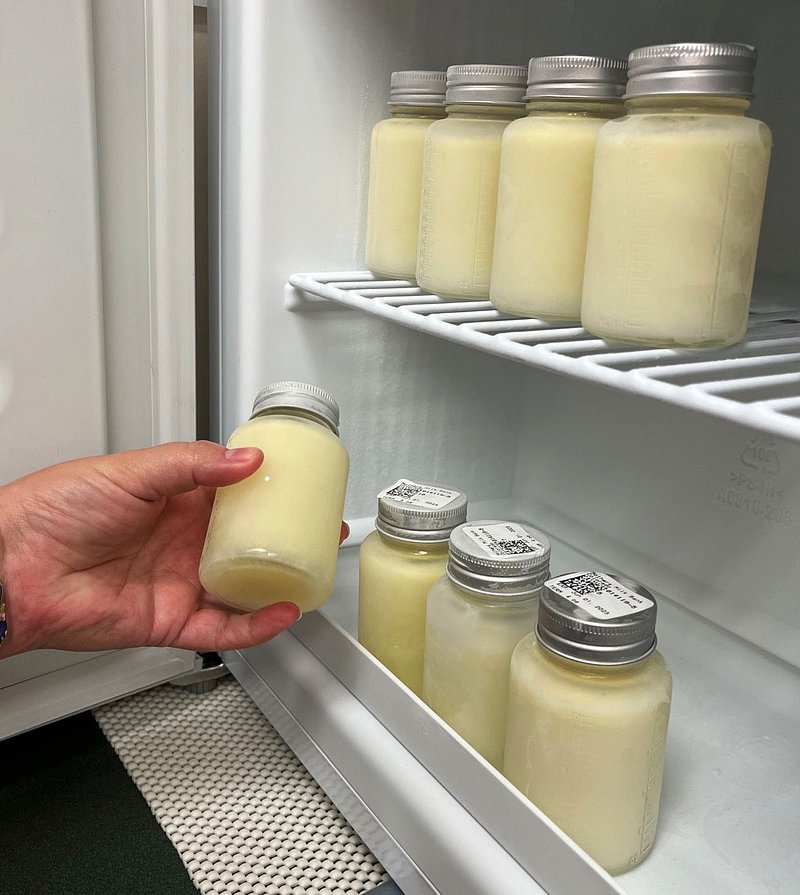
The fridge is where most pumped milk spends its first hours, whether you’re prepping bottles for daycare or saving an extra pumping session for tomorrow. Knowing exactly how long breast milk lasts in the fridge takes the guesswork out of those 2 a.m. decisions about what to keep and what to toss.
Below you’ll find the current CDC times for fresh, thawed and leftover milk, plus practical tips to keep refrigerated milk as safe and fresh as possible. These guidelines are for healthy, full-term babies. If your baby is premature or in the hospital, ask your baby’s care team which rules to follow.
Fridge storage times at a glance
| Type of breast milk | How long it lasts in the fridge (40°F / 4°C or colder) |
|---|---|
| Freshly expressed or pumped | Up to 4 days |
| Thawed in the fridge (previously frozen) | Up to 24 hours, counted from when it is completely thawed |
| Leftover from a feed | Don’t refrigerate. Use within 2 hours after your baby finishes, then discard |
These numbers come from the CDC’s breast milk storage guidance. The AAP’s HealthyChildren.org gives the same advice for fresh milk: up to 4 days is best. Some lactation groups mention longer windows for milk expressed under very clean conditions, but 4 days is the limit both the CDC and AAP recommend for everyday use at home.
For a quick use-by date on a specific bottle, try our breast milk storage calculator. For the full chart, including room temperature, coolers and freezers, see our main guide to breast milk storage.
Fresh milk: up to 4 days
Freshly pumped or hand-expressed milk can go straight into the fridge and stay there for up to 4 days. Quality is best when you use it sooner, so try to:
- Put milk in the fridge soon after pumping instead of leaving it on the counter.
- Use the oldest refrigerated milk first.
- Freeze milk right away if you don’t expect to use it within 4 days. Freezing early protects quality better than freezing on day 3 or 4.
La Leche League points out that refrigerated milk keeps more of its nutrients than frozen milk, so if you have both, it makes sense to offer fresh refrigerated milk first and keep the frozen stash for backup.
Thawed milk: up to 24 hours
Once frozen milk has thawed in the fridge, the clock changes. The CDC says to use it within 24 hours, counted from the moment it is completely thawed, not from when you took it out of the freezer.
Two more rules apply to thawed milk:
- Never refreeze milk that has fully thawed.
- Once thawed milk is brought to room temperature or warmed, use it within 1–2 hours.
Our guide on how to thaw frozen breast milk walks you through the safest ways to defrost milk and what to do if milk partly thaws during a power outage.
Leftover milk: don’t put it back
When your baby drinks from a bottle, bacteria from their mouth mix into the milk. That’s why the CDC says leftover milk should be used within 2 hours after your baby finishes feeding and then thrown away. Putting a half-finished bottle back in the fridge to use later isn’t part of the guidance.
To waste less, store and warm milk in smaller portions, about 2 to 4 ounces (60 to 120 ml) at a time, and offer more if your baby is still hungry. Our breast milk intake calculator can help you estimate how much to put in each bottle for your baby’s age and weight.
How to store breast milk in the fridge
Where and how you store milk matters as much as how long.
Keep it at the back, not in the door
The CDC advises against storing breast milk in the fridge door. The door warms up every time it’s opened, while the back of a shelf stays colder and steadier. If you’re not sure your fridge holds 40°F (4°C) or colder, an inexpensive fridge thermometer can tell you.
Use the right containers
- Breast milk storage bags, or clean food-grade glass or plastic containers with tight-fitting lids.
- Not disposable bottle liners or ordinary plastic bags that aren’t meant for breast milk.
- Label each container with the date you expressed the milk. For daycare, add your baby’s name too.
Chill before you combine
You can combine milk from different pumping sessions, but cool the fresh milk in the fridge first. The CDC advises against adding freshly expressed, warm milk directly to milk that is already chilled, because it rewarms the older milk.
Keep things clean
Wash your hands before pumping or handling milk, and clean pump parts and bottles after every use. If you pump often, a realistic pumping schedule also helps you rotate milk through the fridge before it reaches the 4-day limit.
Is it normal for fridge milk to look or smell different?
Yes, within limits. Refrigerated milk often separates into a creamy layer on top and a thinner layer below. That’s just the fat rising, and a gentle swirl mixes it back together. Milk can also vary in color from day to day.
Stored milk sometimes develops a soapy or metallic smell. La Leche League notes that this is linked to the breakdown of milk fats over time and that properly stored milk is still safe; most babies drink it without fuss. What matters most is following the storage times. Milk that has been in the fridge longer than 4 days should be thrown away even if it smells fine, and if anything about a bottle worries you, it’s okay to discard it.
Taking refrigerated milk on the go
Freshly expressed milk can travel in an insulated cooler bag with frozen ice packs for up to 24 hours, according to the CDC. When you arrive, use the milk, refrigerate it, or freeze it. If you’ll be out longer than that, plan to refrigerate it along the way.
When to call a doctor or lactation consultant
Call your baby’s doctor if your baby has vomiting, diarrhea, a fever or seems unusually sleepy or unwell after a feed, especially if you think the milk may have been stored too long.
A lactation consultant (IBCLC) can help if you’re struggling to keep up with pumping, have questions about storing milk for a premature baby, or keep running into waste. Our page on breastfeeding support lists where to find help.
Frequently asked questions
Is breast milk still good after 5 days in the fridge?
The CDC says refrigerated breast milk should be used or thrown away after 4 days. If you don't think you'll use milk within that time, freeze it as soon as possible instead.
Can I freeze breast milk that has been in the fridge for a few days?
Yes. Milk you won't use within 4 days can be frozen. Freezing it sooner rather than later is better for quality, so don't wait until day 4 if you already know you won't need it.
Does cold breast milk need to be warmed before feeding?
No. The CDC says breast milk can be served cold or at room temperature. Warming is only a matter of what your baby prefers.
Can I store breast milk in a bottle with a nipple attached?
Store milk in a container with a tight-fitting lid, such as a capped bottle or a breast milk storage bag. Attach the nipple when you are ready to feed.
Sources
- CDC: Breast Milk Storage and Preparationhttps://www.cdc.gov/breastfeeding/breast-milk-preparation-and-storage/handling-breastmilk.html
- CDC: Breast Milk Storage Questions and Answershttps://www.cdc.gov/breastfeeding/php/guidelines-recommendations/faqs.html
- HealthyChildren.org (AAP): Storing and Preparing Expressed Breast Milkhttps://www.healthychildren.org/English/ages-stages/baby/breastfeeding/Pages/storing-and-preparing-expressed-breast-milk.aspx
- La Leche League International: Storing Human Milkhttps://llli.org/breastfeeding-info/storingmilk/
This guide is general information, not medical advice. For your own situation, talk to your doctor, midwife, pharmacist or an IBCLC lactation consultant. Read our medical disclaimer and find breastfeeding support near you.
Related articles
How Long Can Breast Milk Sit Out?
Fresh breast milk can sit out up to 4 hours, thawed milk 1–2 hours and leftovers 2 hours. Here's how each rule works.
How to Thaw Frozen Breast Milk (and Why Not to Refreeze It)
The safest ways to thaw frozen breast milk, how long thawed milk lasts, and why you should never refreeze milk once it has thawed.
How to Warm Breast Milk Safely
Safe ways to warm breast milk with warm water or a bottle warmer, why to skip the microwave, and how long warmed milk is good for.
Mixing Breast Milk and Formula: Is It Safe and How to Do It
You can mix breast milk and formula in one bottle if formula is made with water first. Here's the safe order, timing and tips.