How Long Can Breast Milk Sit Out?
By Breastfeeding Mom Editorial TeamUpdated 4 min read
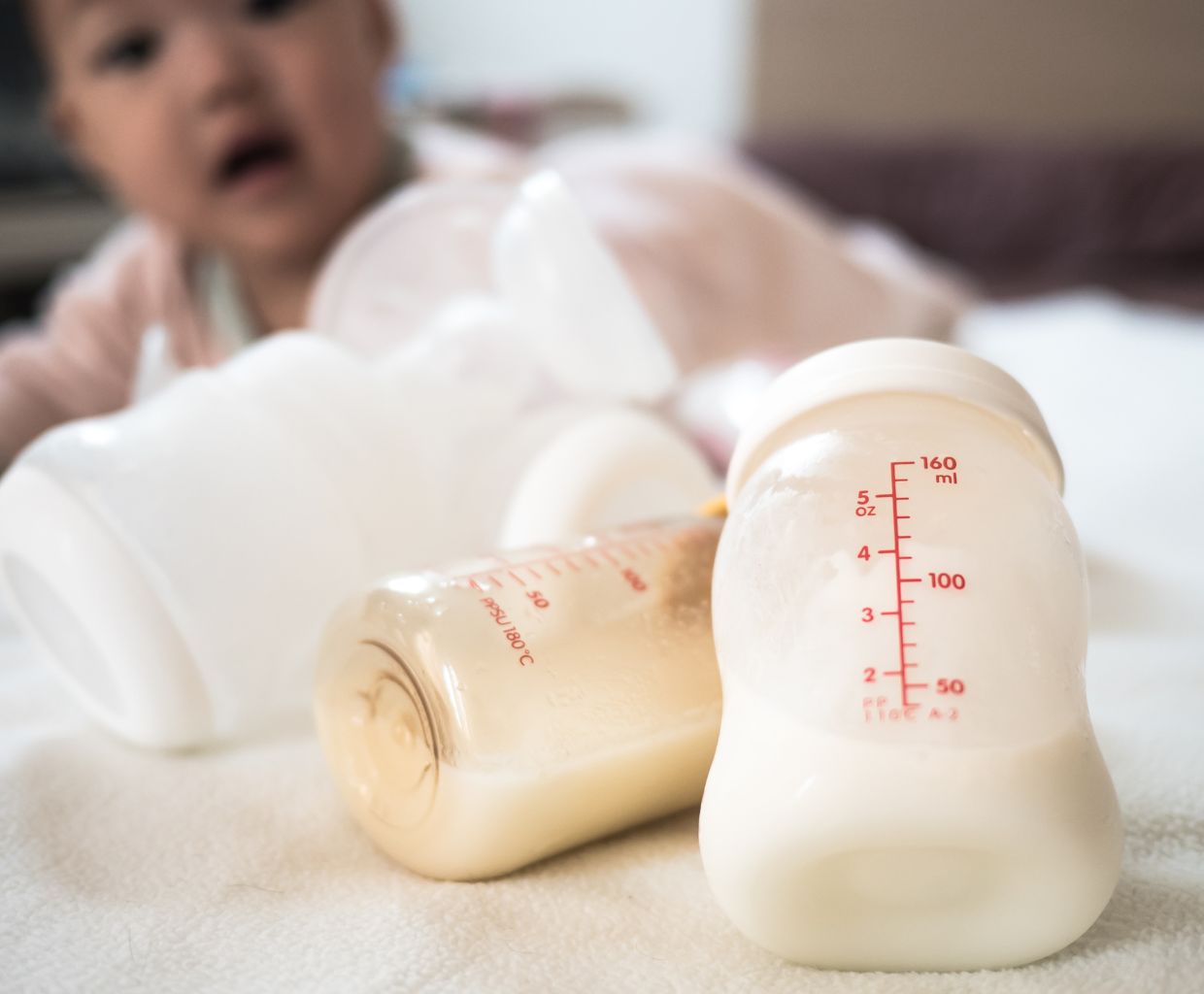
You finish pumping, your baby finally falls asleep, and the bottle ends up on the nightstand. An hour later you wonder: is it still okay? The answer depends on what kind of milk it is. Fresh milk, thawed milk and milk your baby has already drunk from each follow a different clock.
This guide explains how long breast milk can sit out at room temperature in each situation, based on current CDC guidance for healthy, full-term babies. If your baby is premature or in the hospital, ask the care team, because hospitals often use stricter limits.
Room temperature rules at a glance
| Type of breast milk | How long it can sit out at 77°F (25°C) or colder |
|---|---|
| Freshly expressed or pumped | Up to 4 hours |
| Thawed (previously frozen) | 1–2 hours |
| Leftover from a feed | Use within 2 hours after your baby finishes, then discard |
The temperature matters. The CDC’s 4-hour limit applies to a room at 77°F (25°C) or cooler. On a hot day, in a warm car or near a heater, don’t rely on the full 4 hours: chill the milk as soon as you can.
For the full chart covering fridge, freezer and travel, see our breast milk storage guide. If you’d like a use-by time worked out for you, the breast milk storage calculator does it in a few taps.
Freshly expressed milk: up to 4 hours
Milk you’ve just pumped or hand-expressed can stay at room temperature for up to 4 hours. That’s handy when you plan to feed it soon, for example pumping in the morning and offering it at the next feed.
Even within the 4-hour window, cooler is better. The AAP’s HealthyChildren.org recommends chilling milk as soon as possible after expressing. Some sources mention up to 6 to 8 hours for milk expressed under very clean conditions, but the CDC and AAP both recommend 4 hours as the everyday limit at home.
A few habits make the 4-hour rule easy to follow:
- Write the time on the bottle or bag when you pump.
- Keep the container closed with a tight-fitting lid.
- If you won’t use the milk within 4 hours, move it to the fridge, a cooler with frozen ice packs, or the freezer.
Freshly expressed milk can travel in an insulated cooler bag with frozen ice packs for up to 24 hours. This is a good option if you pump at work or on the road and don’t have a fridge nearby.
Thawed milk: 1–2 hours
Milk that has been frozen behaves differently. Once thawed milk reaches room temperature, or once you’ve warmed it, the CDC says to use it within 1–2 hours. That’s a much shorter window than for fresh milk.
Thawed milk also has two firm rules:
- Never refreeze milk that has fully thawed.
- If you thaw milk in the fridge and don’t need it right away, keep it there. It lasts up to 24 hours in the fridge, counted from when it’s completely thawed.
Thaw only as much as you think your baby will drink. Our guide on how to thaw frozen breast milk explains the safest methods.
Leftover milk after a feed: 2 hours
Once your baby has drunk from a bottle, saliva and bacteria from their mouth mix into the milk. For that reason, the CDC says leftover milk can be used within 2 hours after your baby finishes feeding. After that, throw it away.
This rule applies to all leftover breast milk, whether it started out fresh, refrigerated or thawed. Don’t put a half-finished bottle back in the fridge to warm up later.
To cut down on waste:
- Offer smaller amounts, about 2 to 4 ounces (60 to 120 ml), and add more if your baby is still hungry.
- Use our breast milk intake calculator to estimate how much milk your baby typically needs per feed.
Does breast milk need to be warm?
No. The CDC notes that breast milk can be served at room temperature or cold. If your baby takes room-temperature milk, a bottle that has been sitting out (within the time limits above) can be fed as it is. If your baby prefers it warm, see how to warm breast milk for safe methods. Never use the microwave.
Can you mix milk that has been sitting out with cold milk?
The CDC advises against adding freshly expressed, room-temperature milk directly to milk that is already chilled or frozen. Cool the fresh milk in the fridge first, then combine. This keeps the older milk from warming up.
Signs a bottle should go
Go by time and temperature, not just smell. Throw milk away if:
- Fresh milk has been out longer than 4 hours, or the room was very warm.
- Thawed or warmed milk has been out longer than 1–2 hours.
- Your baby finished feeding more than 2 hours ago.
- You don’t know how long it has been out.
Stored milk can separate into layers, which is normal; swirl it gently to mix. A soapy or metallic smell on its own doesn’t mean milk has gone bad, according to La Leche League, but when in doubt, throw it out.
When to call a doctor or lactation consultant
Contact your baby’s doctor if your baby has vomiting, diarrhea, a fever, or seems unusually fussy or unwell after drinking milk that may have been left out too long.
If you’re finding it hard to keep milk cool while working or traveling, or you’re pumping a lot of milk you can’t use, a lactation consultant (IBCLC) can help you plan. You’ll find options on our breastfeeding support page.
Frequently asked questions
Can I put breast milk back in the fridge after it has been sitting out?
Freshly expressed milk that has been out for less than 4 hours can be refrigerated, though chilling it sooner is better for quality. Thawed or warmed milk and milk your baby has drunk from should not go back in the fridge to save for later.
Does the 4-hour rule start when I finish pumping?
Yes. Count from the time the milk was expressed. If you pump over a longer session, start counting from when you began collecting that milk.
Is it safe to leave breast milk out overnight?
No. A full night is longer than the CDC's 4-hour limit for fresh milk at room temperature. If you pump at night, put the milk in the fridge or a cooler with ice packs when you're done.
What if I'm not sure how long the milk has been out?
If you don't know how long a bottle has been sitting out, it's safest to throw it away. Labeling bottles with the time you pumped helps avoid this.
Sources
- CDC: Breast Milk Storage and Preparationhttps://www.cdc.gov/breastfeeding/breast-milk-preparation-and-storage/handling-breastmilk.html
- CDC: Breast Milk Storage Questions and Answershttps://www.cdc.gov/breastfeeding/php/guidelines-recommendations/faqs.html
- CDC: Human Milk Storage Guidelines (printable chart, PDF)https://cdc.gov/breastfeeding/media/pdfs/preparation-of-breast-milk_H.pdf
- HealthyChildren.org (AAP): Storing and Preparing Expressed Breast Milkhttps://www.healthychildren.org/English/ages-stages/baby/breastfeeding/Pages/storing-and-preparing-expressed-breast-milk.aspx
- La Leche League International: Storing Human Milkhttps://llli.org/breastfeeding-info/storingmilk/
This guide is general information, not medical advice. For your own situation, talk to your doctor, midwife, pharmacist or an IBCLC lactation consultant. Read our medical disclaimer and find breastfeeding support near you.
Related articles
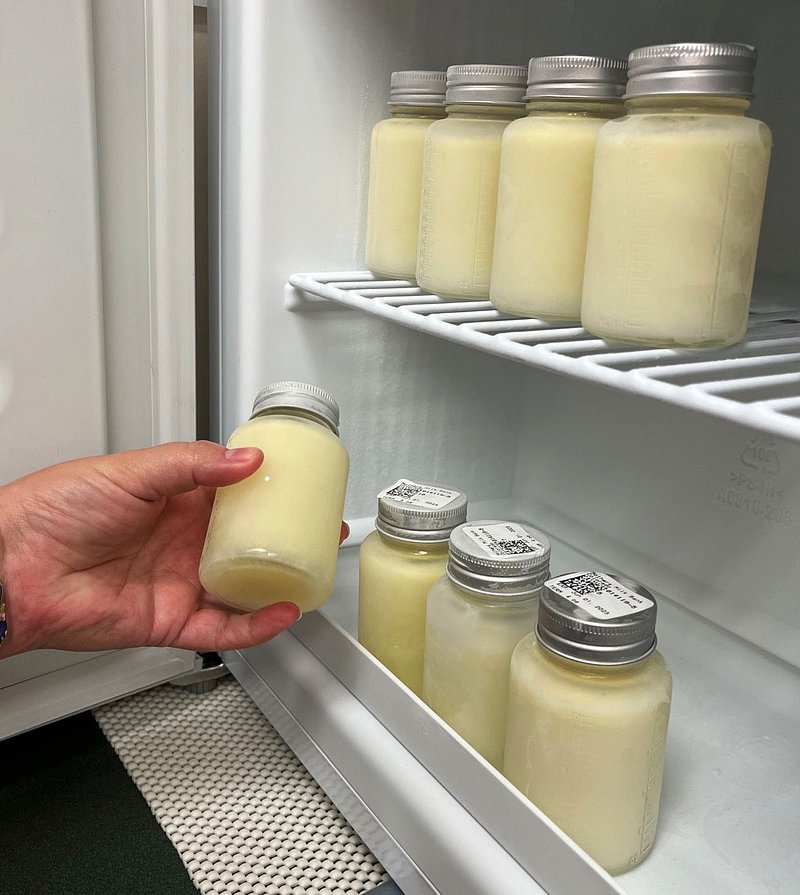
How Long Does Breast Milk Last in the Fridge?
Fresh breast milk keeps up to 4 days in the fridge and thawed milk up to 24 hours. Here's how to store it so it stays safe.
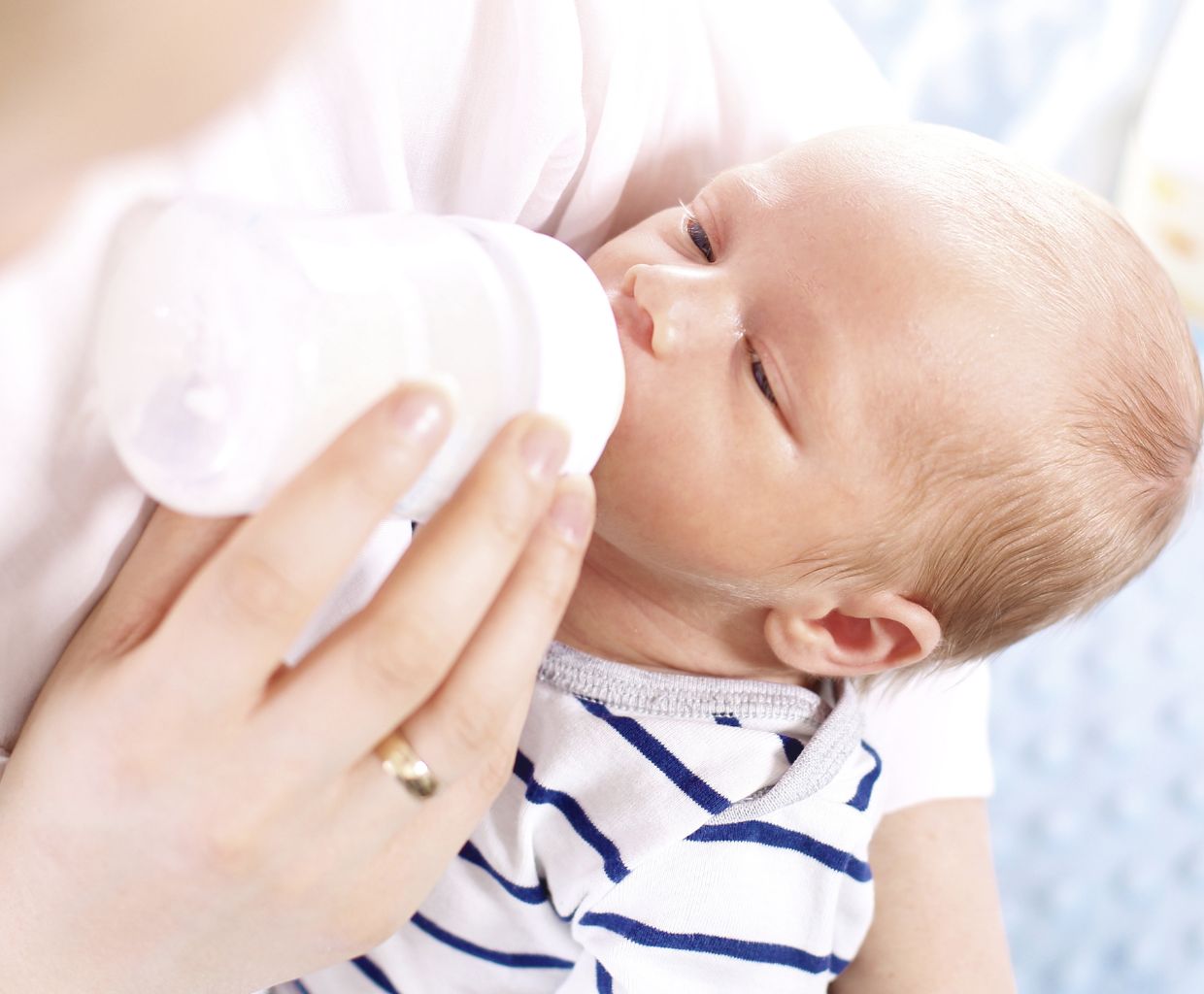
How to Warm Breast Milk Safely
Safe ways to warm breast milk with warm water or a bottle warmer, why to skip the microwave, and how long warmed milk is good for.
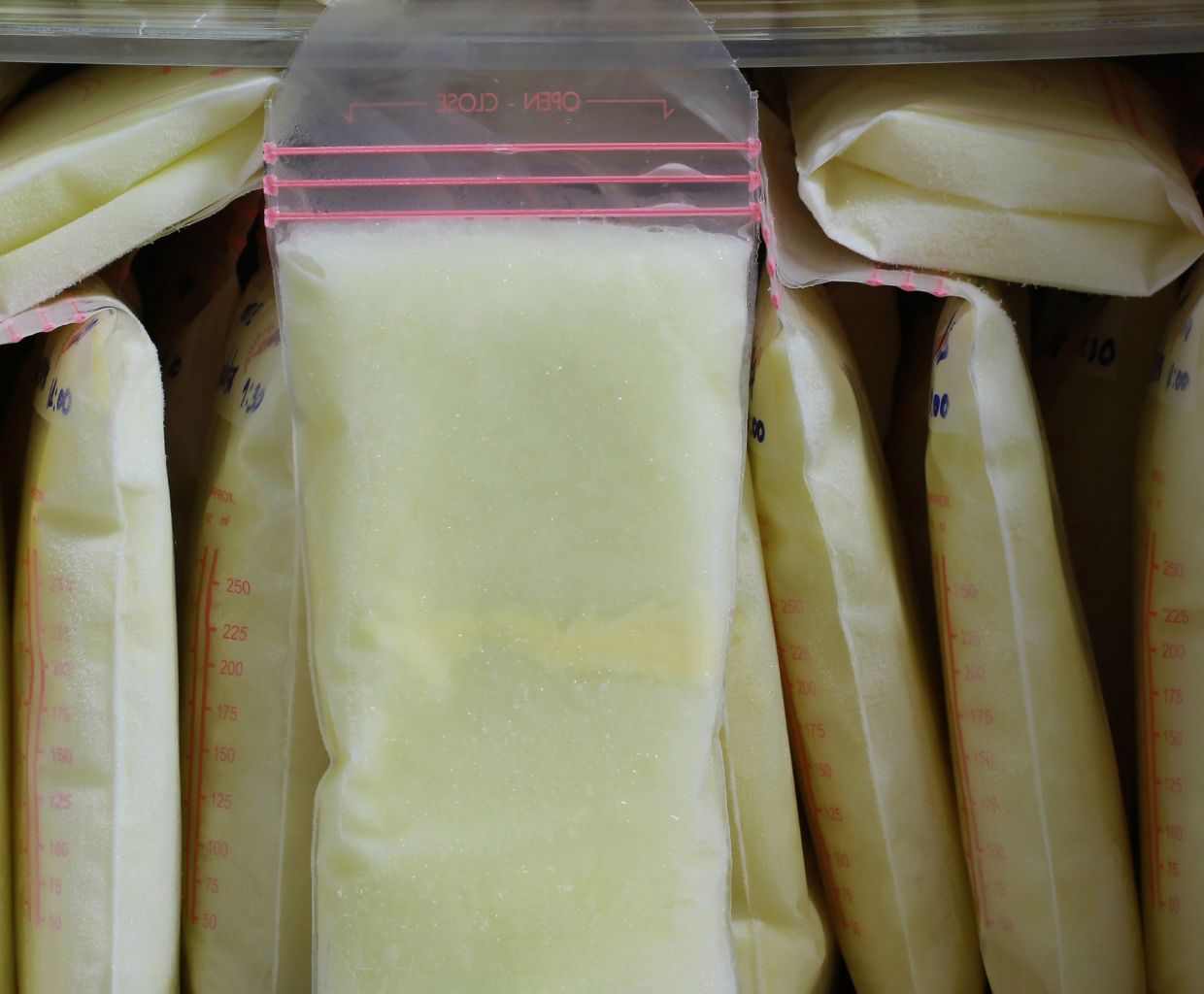
How to Thaw Frozen Breast Milk (and Why Not to Refreeze It)
The safest ways to thaw frozen breast milk, how long thawed milk lasts, and why you should never refreeze milk once it has thawed.
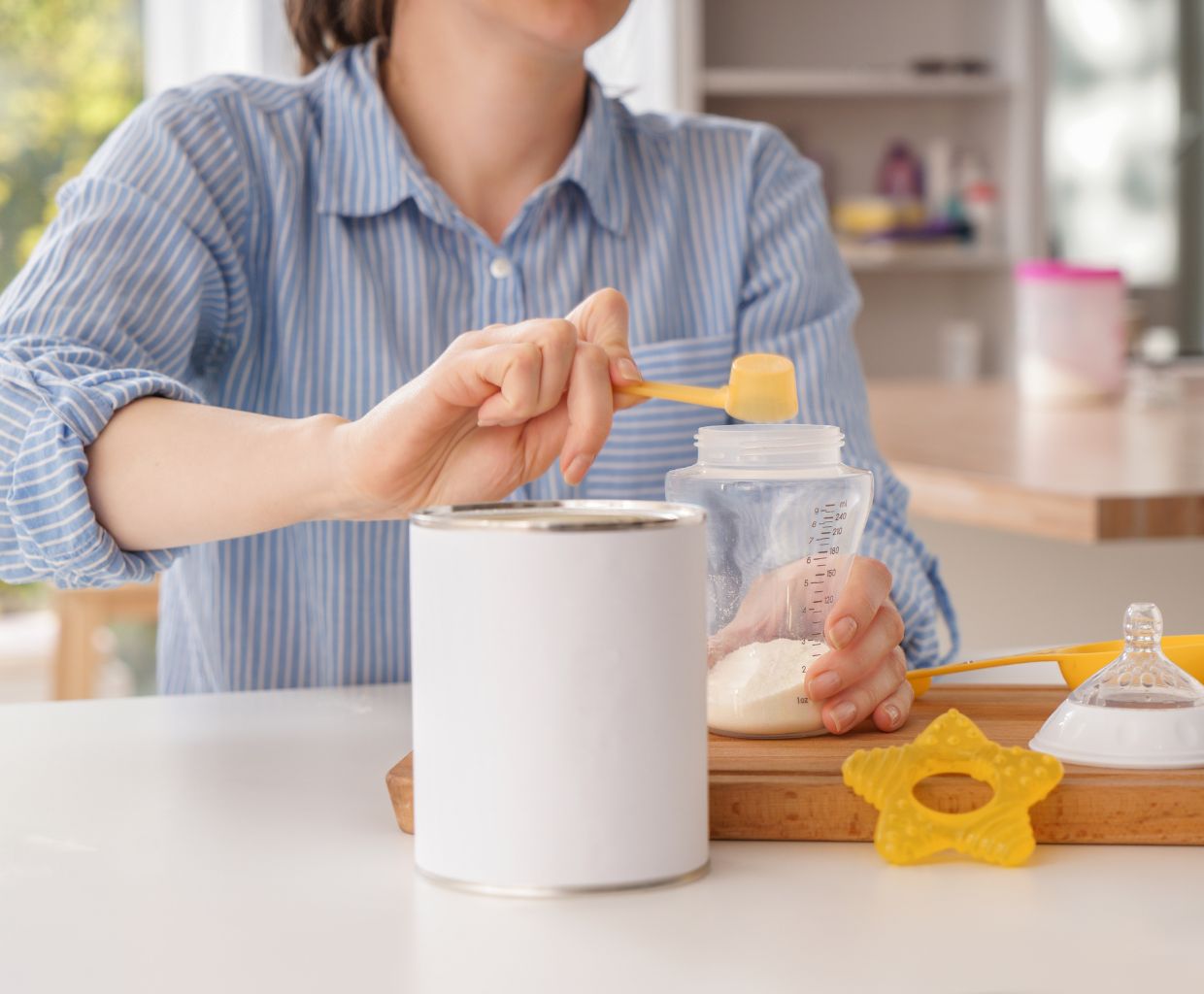
Mixing Breast Milk and Formula: Is It Safe and How to Do It
You can mix breast milk and formula in one bottle if formula is made with water first. Here's the safe order, timing and tips.