How to Warm Breast Milk Safely
By Breastfeeding Mom Editorial TeamUpdated 5 min read
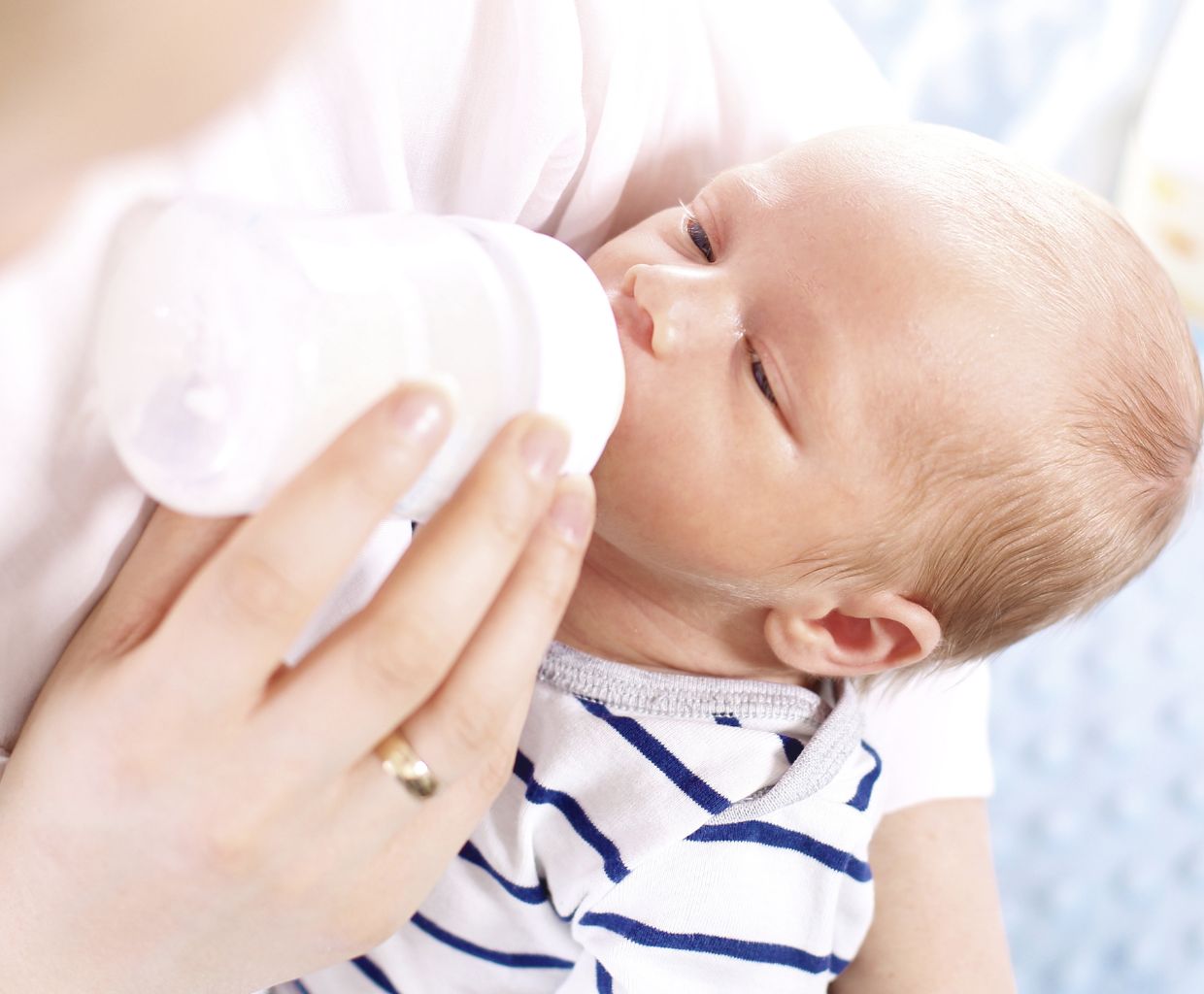
Warming a bottle sounds simple, but it’s easy to overdo it when you’re tired and your baby is crying. Gentle warming protects your baby from burns and helps keep the good stuff in your milk intact. It also helps to know that warming is optional: plenty of babies drink breast milk cold or at room temperature.
This guide covers how to warm breast milk safely, why the microwave is off limits, how long warmed milk stays good, and what to do with leftovers. It’s based on CDC and AAP guidance for healthy, full-term babies.
Do you need to warm breast milk at all?
No. The CDC says breast milk doesn’t need to be warmed and can be served at room temperature or cold. Warming is about your baby’s preference, not safety. Some babies, especially those used to drinking straight from the breast, prefer milk that’s close to body temperature. Others happily take a cold bottle, which saves you time at night.
If your baby takes cold or room-temperature milk, there’s nothing wrong with sticking to it.
How to warm breast milk: step by step
Warm water bath (the simplest method)
- Keep the milk in its sealed bottle or storage bag.
- Set it in a bowl or mug of warm water, or hold it under warm (not hot) running tap water.
- Wait a few minutes. A small, cold bottle usually takes less time than a large one straight from the fridge.
- Swirl the milk gently to mix the fat back in. Don’t shake it hard.
- Test a few drops on the inside of your wrist. It should feel warm, not hot.
This is the method the CDC and AAP both describe. Keep the lid or seal on so water can’t get into the milk.
Bottle warmer
A bottle warmer heats milk using warm water or steam and can be convenient, especially at night. Follow the manufacturer’s instructions, and always test the temperature on your wrist before feeding, since some warmers can overheat milk if a bottle is left in too long.
Warming thawed milk
If you’re starting with frozen milk, thaw it first in the fridge or in lukewarm water, then warm it as above. Our guide on how to thaw frozen breast milk has the details, including how long thawed milk lasts.
Never microwave breast milk
Microwaves heat liquids unevenly and create hot spots, even when the bottle feels fine on the outside. The AAP warns that this can scald a baby’s mouth and throat. La Leche League adds that microwaving also damages some of the milk’s protective properties.
For the same reasons:
- Don’t heat milk directly on the stove.
- Don’t use boiling water. Warm or lukewarm water is enough.
How long is warmed breast milk good for?
Once breast milk has been warmed or has reached room temperature, the CDC says to use it within 2 hours.
| Situation | How long it’s good for |
|---|---|
| Fresh milk, warmed, baby hasn’t started | Use within 2 hours |
| Thawed milk, warmed or at room temperature | Use within 1–2 hours |
| Leftover after a feed | Use within 2 hours after your baby finishes, then discard |
Leftover milk follows the same rule whether it started out fresh, refrigerated or thawed: once your baby has drunk from the bottle, use it within 2 hours after the feed ends, then throw it away. For the full set of storage times, see our breast milk storage guide or plug your times into the breast milk storage calculator.
Can you reheat breast milk?
There’s no official guidance that supports warming the same milk again and again. The CDC’s rules point in one direction: once milk is warmed, it should be used within 2 hours, and any milk left after a feed should be finished within 2 hours or thrown away. Putting warmed milk back in the fridge to rewarm later isn’t part of the CDC’s advice.
In practice, this means:
- Warm only the amount your baby is likely to drink, about 2 to 4 ounces (60 to 120 ml) at a time for many babies, and warm more if they’re still hungry.
- If your baby takes a break mid-feed, you can offer the same bottle again, as long as you’re still within 2 hours.
- Discard what’s left at the end of that window.
Not sure how much to offer? Our breast milk intake calculator gives a starting estimate based on your baby’s age and weight.
Tips for easier warming
- Store small portions. Smaller bottles or bags warm faster and reduce waste.
- Prep at night. Keep a mug or insulated container for warm water near where you feed, so you aren’t running to the kitchen.
- Swirl, don’t shake. Gentle swirling mixes the cream back in.
- Keep everything clean. The CDC recommends washing hands before handling milk and cleaning bottles and pump parts thoroughly after every use.
- Try room temperature. If your baby accepts it, skipping warming is the fastest option of all.
Warming milk away from home
If you’re out, ask for a cup of warm water at a café or carry an insulated flask of warm water to set the bottle in. Freshly expressed milk can stay in an insulated cooler with frozen ice packs for up to 24 hours. Once you warm it, the 2-hour rule applies.
When to call a doctor or lactation consultant
Call your baby’s doctor right away if you think milk was too hot and may have burned your baby’s mouth, or if your baby seems unwell after a feed.
If your baby refuses bottles no matter the temperature, or you’re switching between breast and bottle and finding it hard, an IBCLC can help. Our pumping guides and breastfeeding support page are good next steps.
Frequently asked questions
How warm should breast milk be?
Aim for lukewarm, close to body temperature. A few drops on the inside of your wrist should feel warm, not hot. If it feels hot, let it cool before feeding.
Can I warm breast milk in the bottle it was stored in?
Yes. Warm milk in its sealed storage bottle or bag, then pour it into a feeding bottle if needed. Keeping it sealed stops water from getting into the milk.
Is it okay to give my baby cold breast milk?
Yes. The CDC says breast milk does not need to be warmed and can be served at room temperature or cold. Some babies prefer it warm; others don't mind.
Can I warm breast milk in boiling water?
It's better not to. Very hot water can overheat the milk and create a risk of burns. Warm or lukewarm water works more gently and is what health agencies recommend.
Sources
- CDC: Breast Milk Storage and Preparationhttps://www.cdc.gov/breastfeeding/breast-milk-preparation-and-storage/handling-breastmilk.html
- HealthyChildren.org (AAP): Storing and Preparing Expressed Breast Milkhttps://www.healthychildren.org/English/ages-stages/baby/breastfeeding/Pages/storing-and-preparing-expressed-breast-milk.aspx
- La Leche League International: Storing Human Milkhttps://llli.org/breastfeeding-info/storingmilk/
- CDC: Preventing Cronobacter Infection (warming bottles, cleaning feeding items)https://www.cdc.gov/cronobacter/prevention/index.html
This guide is general information, not medical advice. For your own situation, talk to your doctor, midwife, pharmacist or an IBCLC lactation consultant. Read our medical disclaimer and find breastfeeding support near you.
Related articles
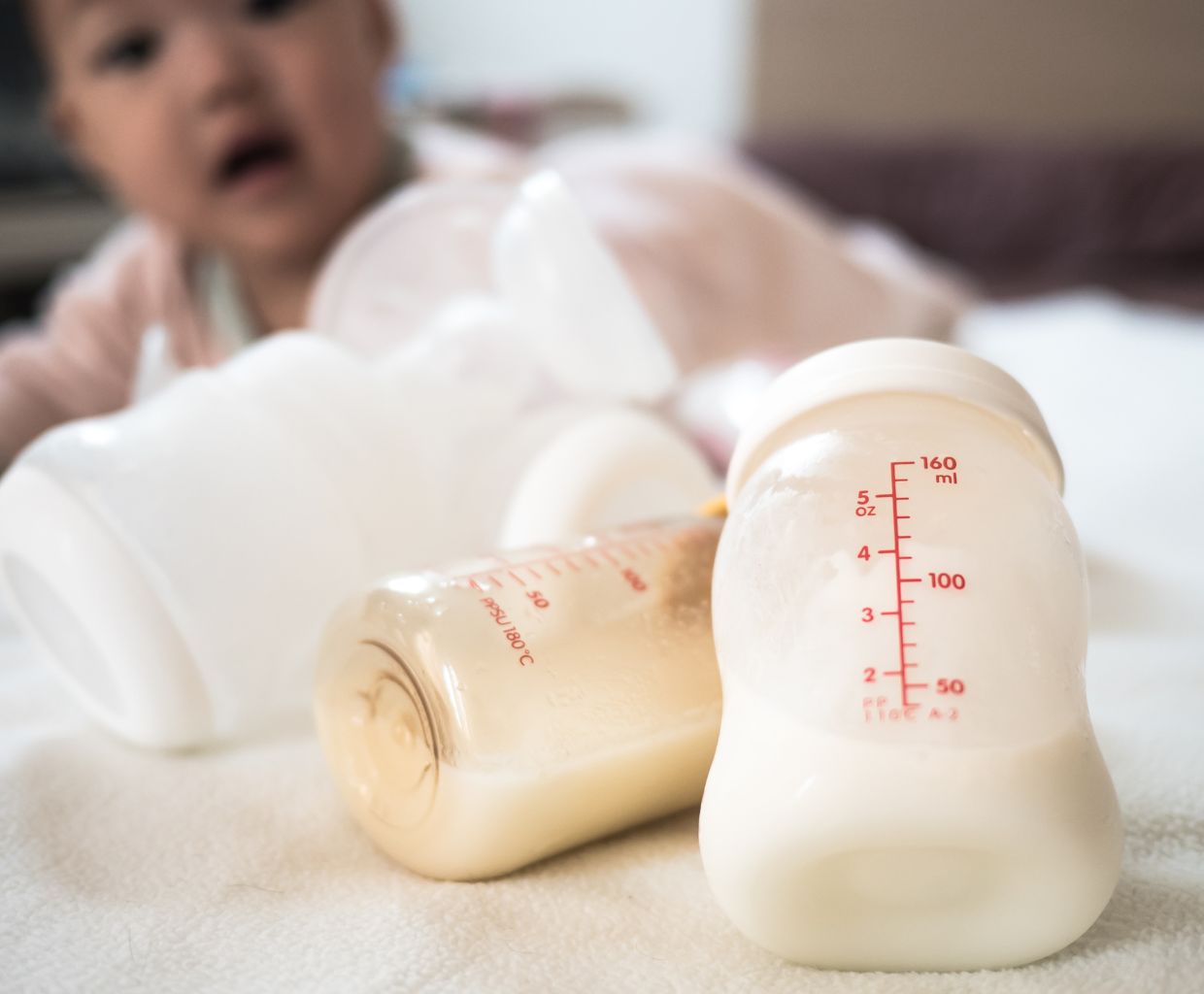
How Long Can Breast Milk Sit Out?
Fresh breast milk can sit out up to 4 hours, thawed milk 1–2 hours and leftovers 2 hours. Here's how each rule works.
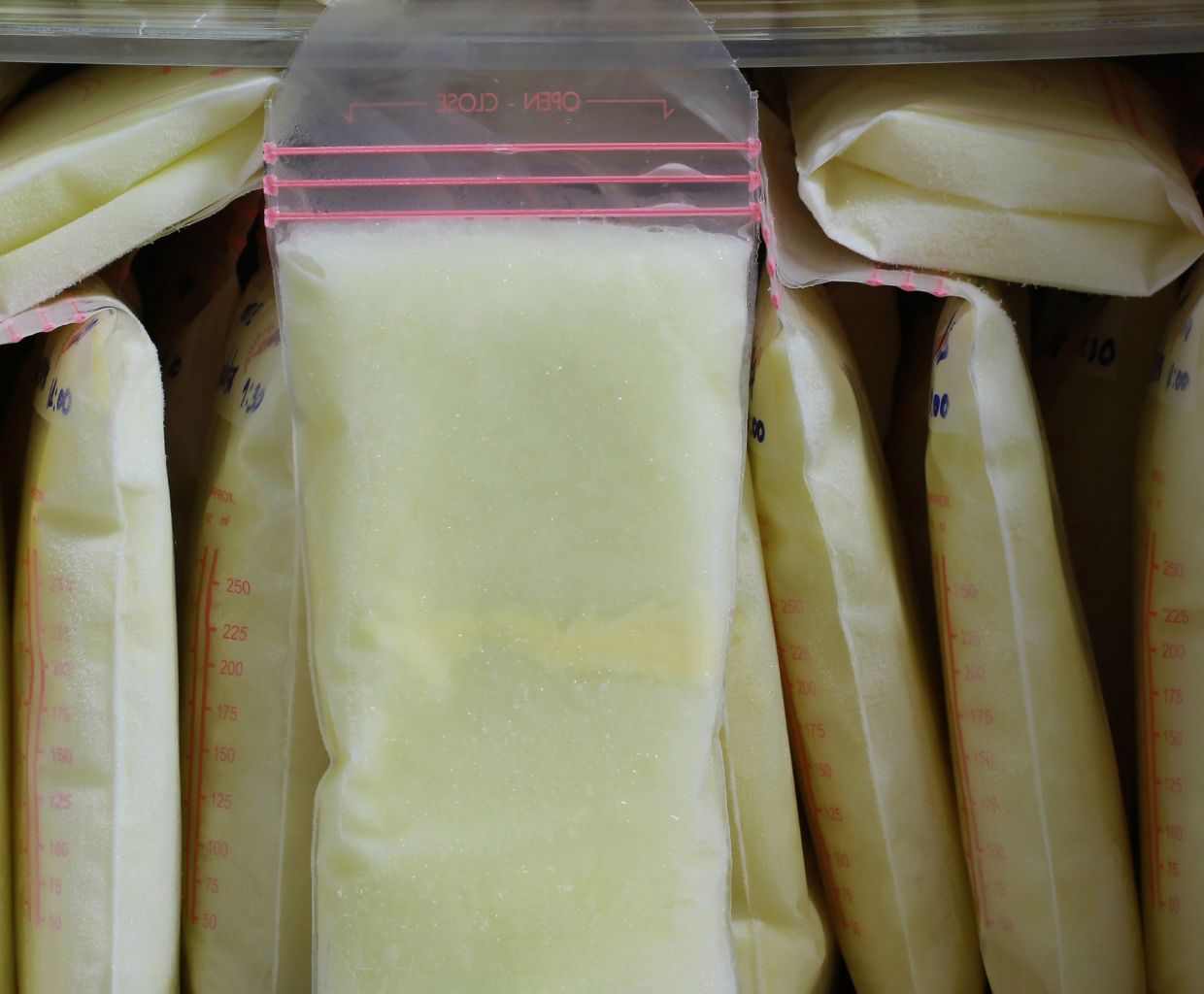
How to Thaw Frozen Breast Milk (and Why Not to Refreeze It)
The safest ways to thaw frozen breast milk, how long thawed milk lasts, and why you should never refreeze milk once it has thawed.
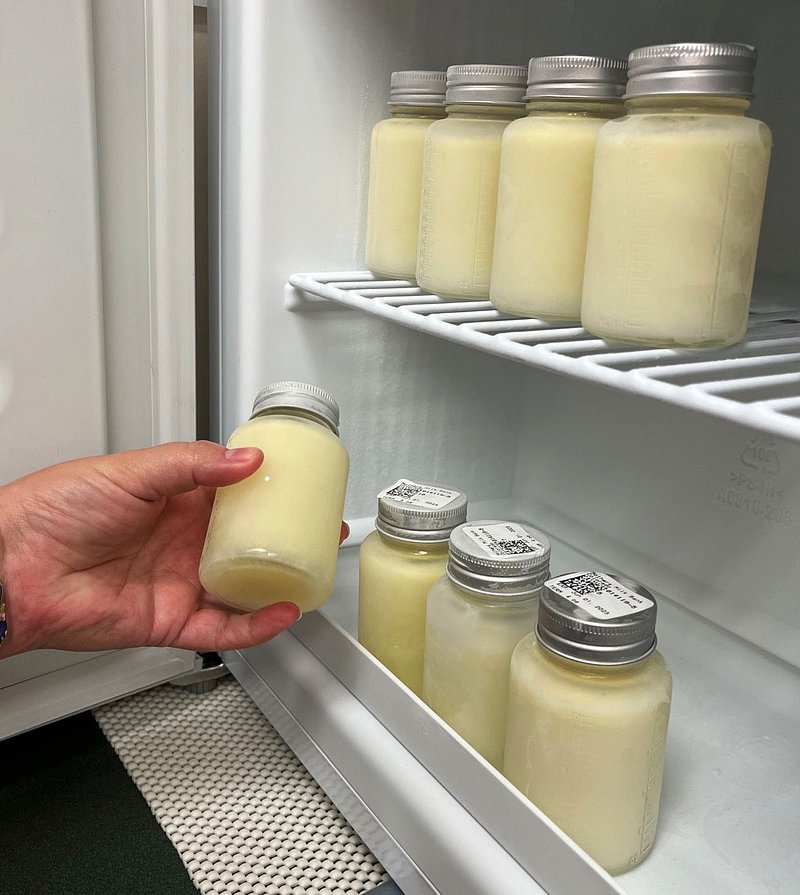
How Long Does Breast Milk Last in the Fridge?
Fresh breast milk keeps up to 4 days in the fridge and thawed milk up to 24 hours. Here's how to store it so it stays safe.
Mixing Breast Milk and Formula: Is It Safe and How to Do It
You can mix breast milk and formula in one bottle if formula is made with water first. Here's the safe order, timing and tips.