Can Babies Drink Cold Breast Milk?
By Breastfeeding Mom Editorial TeamUpdated 4 min read
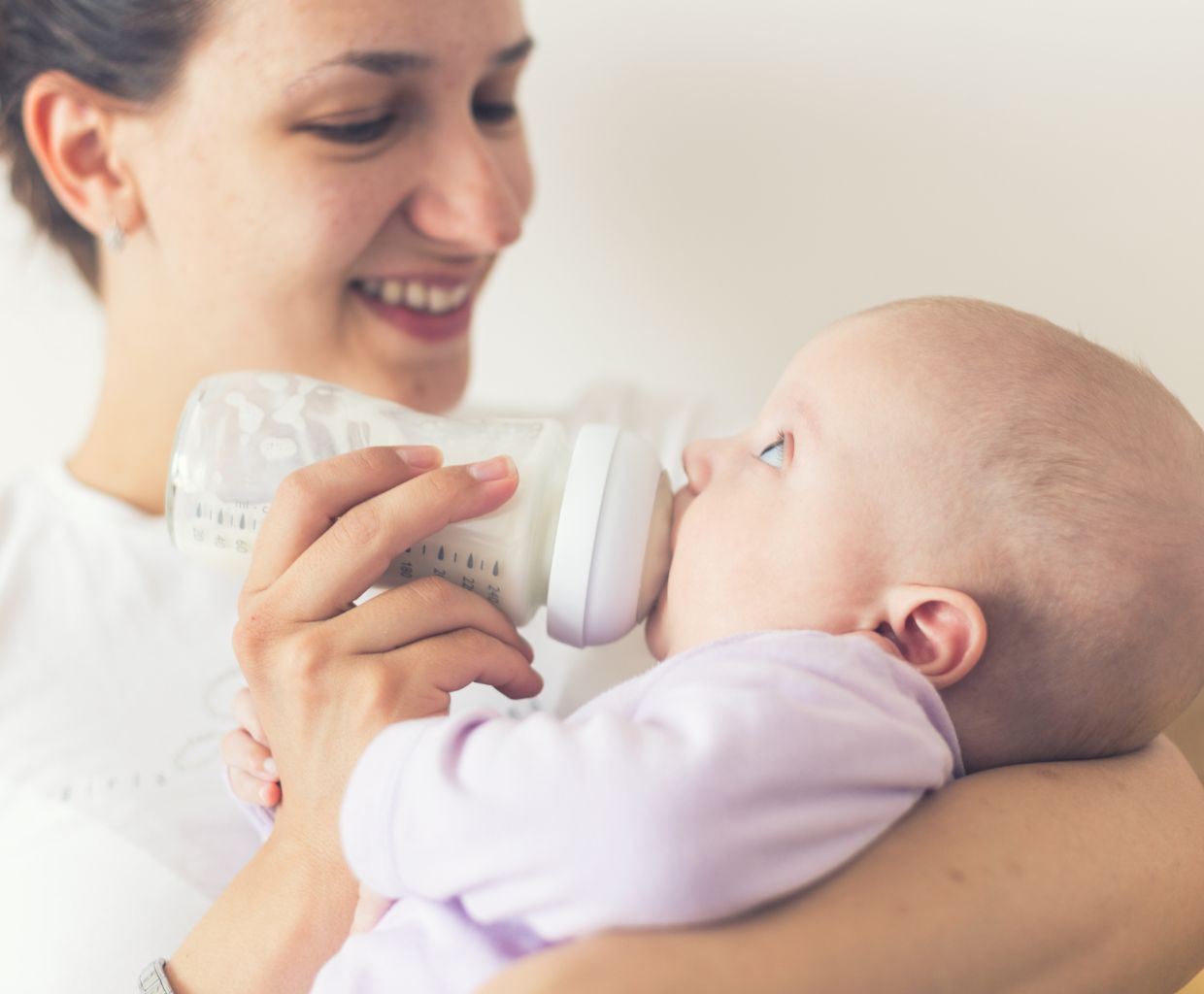
Warming a bottle at 3 a.m. while your baby cries is nobody’s idea of fun. So it’s a fair question: does breast milk actually need to be warm? For healthy, full-term babies, the answer is no. Cold milk is safe, and plenty of babies happily drink it.
Here’s what the CDC and NHS say, how to serve cold milk well, how to help a baby who prefers it warm make the switch, and the situations where you should check with your baby’s doctor first.
What the guidelines say
The CDC states that breast milk does not need to be warmed and can be served at room temperature or cold. The NHS says the same: you can give expressed milk straight from the fridge if your baby is happy to drink it cold.
Warming milk is a comfort and preference choice, not a safety step. Freshly expressed milk is close to body temperature, so some babies, especially those who mostly breastfeed, are used to warm milk and may prefer it. La Leche League International notes that some babies accept room-temperature milk while others like it warmer.
Why cold milk can be handy
- It’s faster. No waiting for milk to warm while your baby gets more upset.
- It’s simpler on the go. Milk from a breast milk cooler can be fed straight away.
- It’s easier for caregivers. Daycare staff and family can skip the warming step if your baby accepts cold milk.
- Less risk of overheating. Every warming step carries a small risk of milk getting too hot. Cold milk avoids that.
How to serve cold breast milk safely
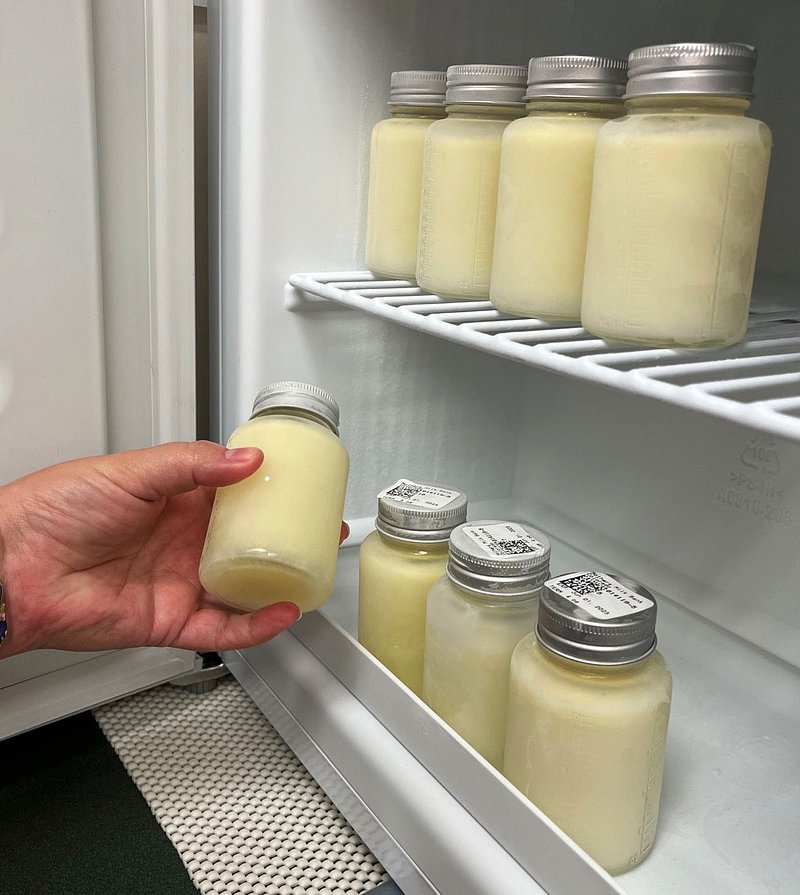
- Use milk within the storage limits. The CDC says fresh milk keeps up to 4 days in the fridge at 40°F (4°C) or colder. Milk thawed in the fridge is good for 24 hours after it’s fully thawed. See our guide to how long breast milk lasts in the fridge.
- Thaw frozen milk completely first. Never serve milk that’s still frozen or slushy, and never thaw it in the microwave. Our guide to thawing frozen breast milk explains the safe methods.
- Swirl gently. Fat rises to the top when milk sits. The CDC suggests swirling the bottle to mix it back in, rather than shaking hard.
- Watch the clock after the feed starts. The CDC says leftover milk should be used within 2 hours after your baby finishes feeding, then thrown away. Don’t put it back in the fridge for later.
To check how long a particular bottle is good for, use our breast milk storage calculator.
Cold, room temperature or warm: quick comparison
| Temperature | How to get there | Notes |
|---|---|---|
| Cold | Straight from the fridge or cooler | Safe for healthy babies; quickest |
| Room temperature | Let a sealed bottle sit out briefly, or hold it under lukewarm water | Use within 2 hours once at room temperature |
| Warm (body temperature) | Bowl of warm water or warm running water | Test a few drops on your wrist; never microwave or heat on the stove |
If your baby does prefer warm milk, our guide to how to warm breast milk walks you through it safely.
Helping a baby get used to cold milk
Some babies will take cold milk from day one. Others need time. If you’d like to make the change:
- Go step by step. Warm milk a little less each day over a week or so, until you’re serving it at room temperature and then cold.
- Try a mix. Some parents start with mostly warm milk and slowly increase the share of cold.
- Keep other things the same. Use the same bottle, nipple and feeding position so temperature is the only change.
- Use responsive bottle feeding. Paced bottle feeding lets your baby control the pace, which can make any new bottle experience easier.
- Don’t force it. If your baby refuses and gets upset, go back to what works. Warming is perfectly fine too.
When to check with your baby’s care team
Talk to your pediatrician or your baby’s hospital team before changing how milk is served if:
- Your baby was born premature, has low birth weight or is in the NICU. Hospitals often have their own milk-handling and warming rules.
- Your baby has a medical condition that affects feeding or temperature control.
- Your baby is refusing feeds, isn’t gaining weight well or has fewer wet diapers than usual. That’s a reason for a check-up, whatever the milk temperature.
For help with bottle refusal or feeding concerns, a lactation consultant can help. Our breast milk storage guide has more on handling pumped milk safely.
Frequently asked questions
Is cold breast milk harder for babies to digest?
The CDC and NHS don't list any digestive concern with serving refrigerated milk to healthy babies. If your baby seems uncomfortable after cold feeds, try room-temperature or slightly warmed milk and see whether it makes a difference.
Can I give my baby breast milk straight from the freezer?
No. Frozen milk has to be fully thawed first, in the fridge, in lukewarm water or under lukewarm running water. Once thawed, you can serve it cold.
Can I mix cold breast milk with warm breast milk in one bottle?
For a feed you're giving right away, combining milk is fine. For storage, cool fresh milk before adding it to milk that's already cold, as the CDC advises.
Do newborns need warm milk?
Healthy full-term newborns can be offered milk at any temperature they accept. Premature or sick babies may have different needs, so follow the advice of your baby's care team.
Sources
- CDC: Breast Milk Storage and Preparationhttps://www.cdc.gov/breastfeeding/breast-milk-preparation-and-storage/handling-breastmilk.html
- NHS: Expressing breast milkhttps://www.nhs.uk/baby/breastfeeding-and-bottle-feeding/breastfeeding/expressing-breast-milk/
- HealthyChildren.org (AAP): Storing and Preparing Expressed Breast Milkhttps://www.healthychildren.org/English/ages-stages/baby/breastfeeding/Pages/storing-and-preparing-expressed-breast-milk.aspx
- La Leche League International: Storing Human Milkhttps://llli.org/breastfeeding-info/storingmilk/
- CDC: Breast Milk Storage Questions and Answershttps://www.cdc.gov/breastfeeding/php/guidelines-recommendations/faqs.html
This guide is general information, not medical advice. For your own situation, talk to your doctor, midwife, pharmacist or an IBCLC lactation consultant. Read our medical disclaimer and find breastfeeding support near you.
Related articles
How to Warm Breast Milk Safely
Safe ways to warm breast milk with warm water or a bottle warmer, why to skip the microwave, and how long warmed milk is good for.
How Long Can Breast Milk Sit Out?
Fresh breast milk can sit out up to 4 hours, thawed milk 1–2 hours and leftovers 2 hours. Here's how each rule works.
How to Thaw Frozen Breast Milk (and Why Not to Refreeze It)
The safest ways to thaw frozen breast milk, how long thawed milk lasts, and why you should never refreeze milk once it has thawed.
How Long Does Breast Milk Last in the Fridge?
Fresh breast milk keeps up to 4 days in the fridge and thawed milk up to 24 hours. Here's how to store it so it stays safe.