How Long Is Warmed Breast Milk Good For?
By Breastfeeding Mom Editorial TeamUpdated 6 min read
You warmed a bottle, and then the phone rang, your baby dozed off or the feed ended early. Now there’s milk in the bottle and you’re not sure whether it’s still good.
The short answer is that warmed milk has a clock on it. Below is what the CDC, the American Academy of Pediatrics (AAP) and the UK’s NHS say about it, where they differ, and what to do with the leftovers. This is for healthy, full-term babies. If your baby was born early or is in the hospital, follow the care team’s rules.
The 2-hour rule
The CDC says that once breast milk is brought to room temperature or warmed, you should use it within 2 hours. That applies whether the milk started out fresh, refrigerated or thawed.
| Situation | How long it’s good for | Source |
|---|---|---|
| Milk warmed or at room temperature, not yet fed | Use within 2 hours | CDC |
| Milk left in the bottle after your baby finishes | Use within 2 hours after the feeding is over, then discard | CDC |
| Same leftover milk, UK guidance | Use within 1 hour after your baby has drunk from it, then discard | NHS |
| Milk thawed in the fridge, not warmed | Use within 24 hours of being completely thawed | CDC |
The printable CDC chart gives “1 to 2 hours” for thawed milk that is sitting at room temperature. If you want the full thawing rules, see our guide to how to thaw frozen breast milk.
How the two clocks work together
There are really two timers: one for milk you’ve warmed but not yet fed, and one for milk left after your baby has eaten. The CDC doesn’t explain how they combine, so here is a cautious way to apply them (our reading, not CDC wording):
- Start the feed within 2 hours of warming the milk.
- Throw away whatever is left 2 hours after the feeding is over (or 1 hour, if you follow the NHS).
- If a feed drags on and you’re unsure how long the milk has been out, discard it.
For example, if you warm a bottle at 7:00 a.m. and your baby drinks from 7:15 to 7:35, the CDC’s limit for the leftover is 9:35 a.m. (our calculation). Our breast milk storage calculator can work out use-by times for other situations.
Where the guidance differs
The three agencies don’t give identical advice on leftovers:
- CDC: use leftover milk within 2 hours after your baby is finished feeding; after that, throw it away.
- NHS: once your baby has drunk from a bottle, use it within 1 hour and throw away what’s left.
- AAP: milk left after a feeding should be used within 2 hours, “or, if quickly refrigerated, used for the next feeding.”
The CDC’s page on Cronobacter infection (a rare but serious infection in newborns) adds a warning that germs can grow quickly if you add breast milk or formula to a partially used bottle. So even if you’re within the time window, it’s safer not to top up a bottle your baby has already drunk from.
If you aren’t sure which to follow, the CDC’s 2-hour limit is the national US guidance, and discarding earlier is always safe. If your pediatrician has given you different instructions for your baby, follow those.
Can you re-chill or rewarm warmed milk?
The CDC doesn’t say whether milk that was warmed but never offered can go back in the fridge, and its printable chart simply says to use warmed milk within 2 hours. None of the CDC, AAP or NHS pages we read describes a way to warm the same milk over and over.
What the sources do support:
- Offering the same bottle again while you’re still inside the time limit, for example if your baby takes a break mid-feed.
- Never refreezing milk that has thawed. The CDC says never to refreeze breast milk after it has thawed, and the NHS says the same. The CDC describes one narrow exception, for milk that has started to thaw but still contains ice crystals, which is a different situation from milk your baby has been offered.
The simplest way to avoid the problem is to warm less. The CDC suggests storing, thawing and warming milk in smaller amounts, and its guidance for freezing is 2 to 4 ounces (60 to 120 ml), or whatever your baby takes at one feeding. Warm one portion, then warm a second only if your baby is still hungry.
Never microwave breast milk
All of the sources we read agree on this one. The CDC says never to thaw or heat breast milk in a microwave because microwaving can destroy nutrients in the milk and create hot spots that burn a baby’s mouth. The CDC also says not to heat milk directly on the stove. The NHS gives the same advice about both. AAP says microwaving breast milk isn’t safe because of the risk of scalding.
A bottle can feel comfortable on the outside while the milk inside has pockets of very hot liquid, which is why a quick 10-second zap isn’t a safe shortcut.
How to warm breast milk safely
The CDC’s steps are simple:
- Keep the container sealed.
- Place it in a bowl of warm water, or hold it under warm (not hot) running water for a few minutes.
- Put a few drops on your wrist. The milk should feel warm, not hot.
- Swirl the milk to mix the fat, which may have separated.
If you use a bottle warmer, follow the manufacturer’s instructions and still check the temperature on your wrist. The CDC page we read doesn’t discuss warmers specifically. For more, see our guide on how to warm breast milk.
You don’t have to warm it at all
The CDC says breast milk doesn’t need to be warmed and can be served at room temperature or cold. If your baby takes cold milk, skipping the warming step removes the problem, because there’s no warmed-milk clock to watch. Our guide to whether babies can drink cold breast milk covers how to introduce it.
Warming when you’re out
Breast milk can be carried in an insulated cooler with frozen ice packs for up to 24 hours when you travel, according to the CDC. Keep it cold until you’re ready to feed, then warm just one portion. Our guide to a breast milk cooler and the full breast milk storage hub cover the rest of the storage times, including how long breast milk lasts in the fridge and how long it can sit out.
When to call a doctor or lactation consultant
Call your baby’s doctor right away if you think the milk was too hot and may have burned your baby’s mouth or throat, or if your baby seems unwell after a feed (for example, fever, vomiting or unusual fussiness) and you think the milk may have been left out too long.
If your baby refuses bottles at any temperature, or you’re struggling to fit warming and feeding into your day, a lactation consultant (IBCLC) can help. Our breastfeeding support page explains how to reach one.
Frequently asked questions
Can I put warmed breast milk back in the fridge if my baby didn't drink it?
The CDC pages we read don't say that you can, and they set a 2-hour limit once milk is warmed. AAP says milk left after a feeding can be used within 2 hours or, if quickly refrigerated, at the next feeding, but the CDC and NHS say to throw leftovers away after their time limit. If you aren't sure, discard it.
Can I microwave breast milk for just a few seconds?
No. The CDC says never to thaw or heat breast milk in a microwave, because it can destroy nutrients and create hot spots that burn a baby's mouth, even if the bottle feels fine on the outside. Use a bowl of warm water or warm running water.
Why does the NHS say 1 hour when the CDC says 2?
The two agencies simply give different limits for leftover milk, and we found no explanation of the difference on their pages. If you live in the US, the CDC's 2 hours is the national guidance. If you'd rather be cautious, using the milk within 1 hour or discarding it sooner is never wrong.
What if my baby only wants a little milk at a time?
The CDC suggests storing, thawing and warming milk in smaller amounts to avoid waste. Warm one small portion, offer more only if your baby is still hungry, and keep the rest of the milk cold.
Is it a problem if I warm a bottle and then my baby falls asleep?
Not if you're still inside the time limit. Keep the bottle sealed and offer it again when your baby wakes, but throw it away once 2 hours have passed since you warmed it.
Sources
- CDC: Breast Milk Storage and Preparationhttps://www.cdc.gov/breastfeeding/breast-milk-preparation-and-storage/handling-breastmilk.html
- CDC: Breast Milk Storage Questions and Answershttps://www.cdc.gov/breastfeeding/php/guidelines-recommendations/faqs.html
- CDC: Storage and Preparation of Breast Milk (printable guide, PDF)https://cdc.gov/breastfeeding/media/pdfs/preparation-of-breast-milk_H.pdf
- HealthyChildren.org (AAP): Tips for Freezing & Refrigerating Breast Milkhttps://www.healthychildren.org/English/ages-stages/baby/breastfeeding/Pages/storing-and-preparing-expressed-breast-milk.aspx
- NHS: Expressing and storing breast milkhttps://www.nhs.uk/baby/breastfeeding-and-bottle-feeding/breastfeeding/expressing-breast-milk/
- CDC: Preventing Cronobacter in Infantshttps://www.cdc.gov/cronobacter/prevention/index.html
This guide is general information, not medical advice. For your own situation, talk to your doctor, midwife, pharmacist or an IBCLC lactation consultant. Read our medical disclaimer and find breastfeeding support near you.
Related articles
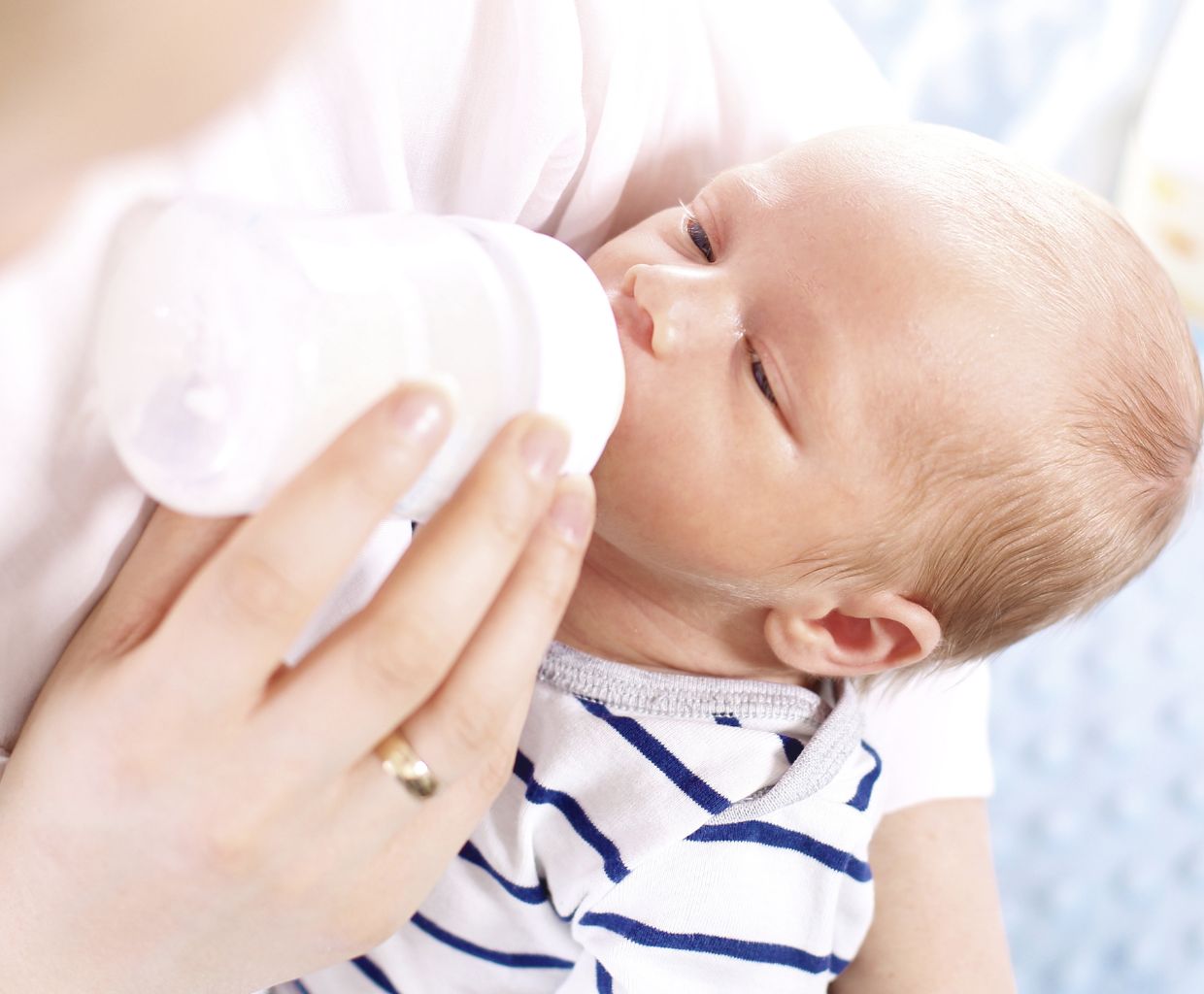
How to Warm Breast Milk Safely
Safe ways to warm breast milk with warm water or a bottle warmer, why to skip the microwave, and how long warmed milk is good for.
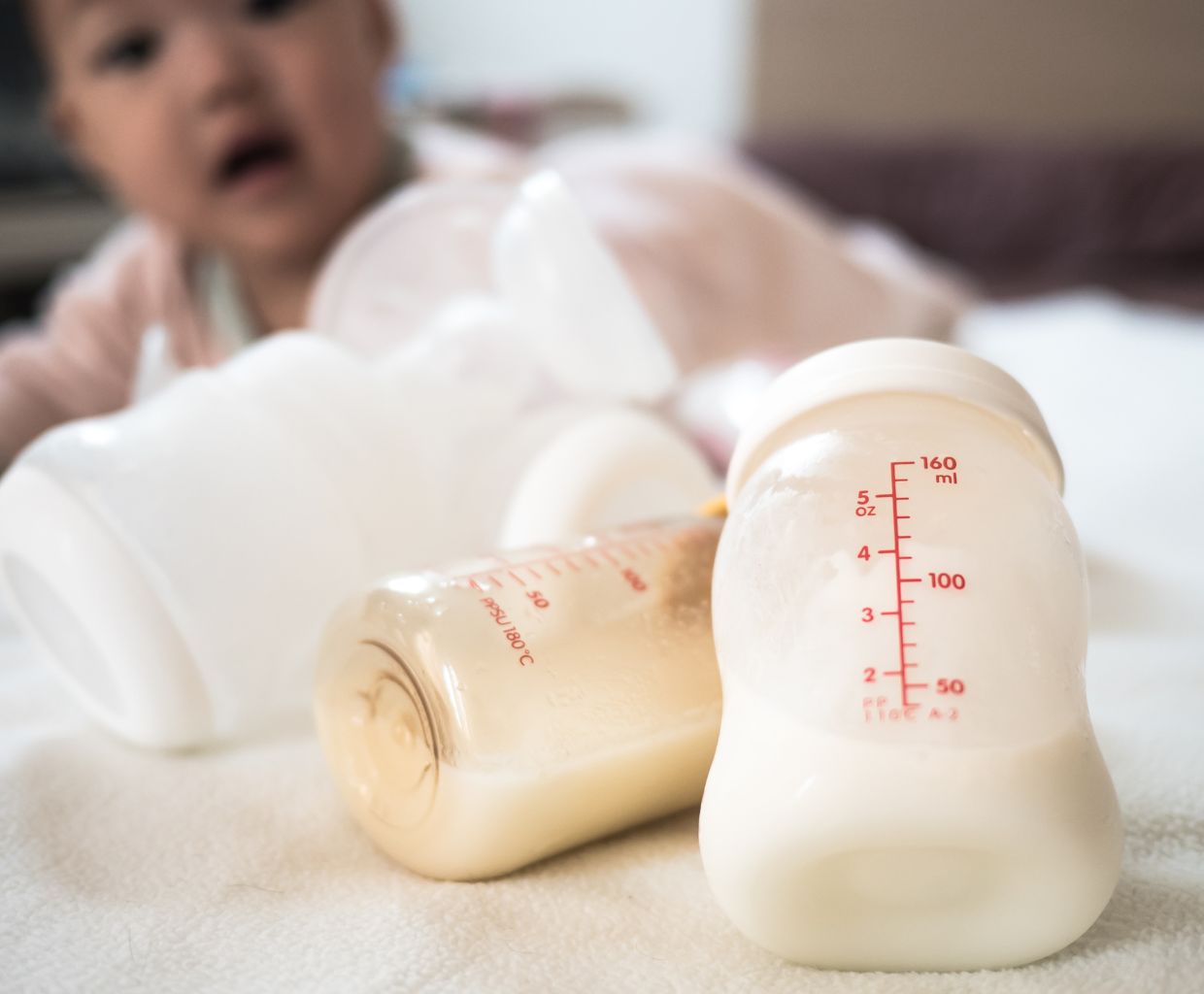
How Long Can Breast Milk Sit Out?
Fresh breast milk can sit out up to 4 hours, thawed milk 1–2 hours and leftovers 2 hours. Here's how each rule works.
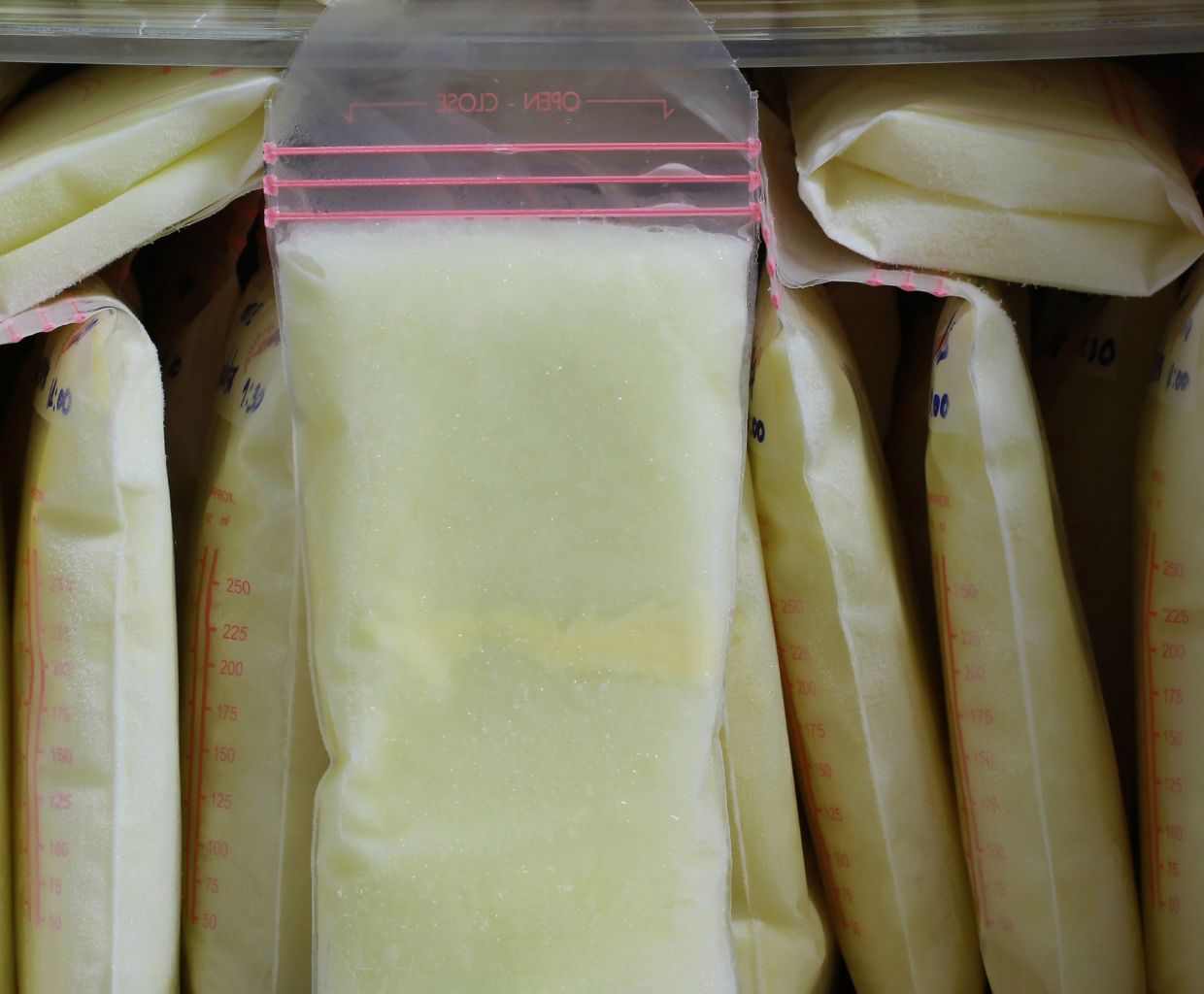
How to Thaw Frozen Breast Milk (and Why Not to Refreeze It)
The safest ways to thaw frozen breast milk, how long thawed milk lasts, and why you should never refreeze milk once it has thawed.
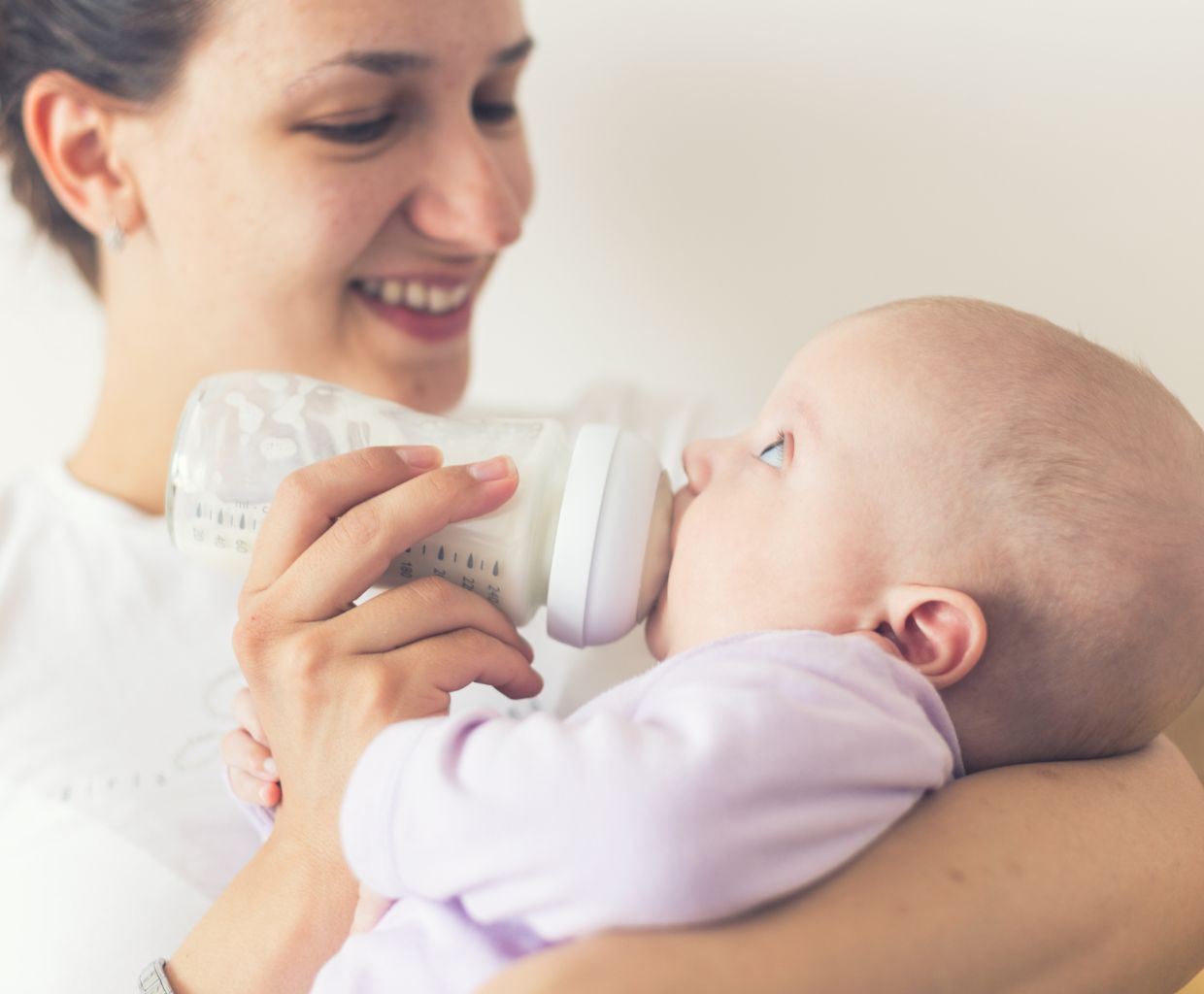
Can Babies Drink Cold Breast Milk?
Yes, healthy babies can drink breast milk straight from the fridge. Here's what the CDC says, how to serve it and when warming helps.