Breastfeeding Cover Guide: Types, Safety and Your Rights
By Breastfeeding Mom Editorial TeamUpdated 5 min read

A breastfeeding cover (also called a nursing cover) is a piece of fabric you wear over your front while you feed, so your breast and your baby are hidden from view. Some parents use one every time they feed outside the home. Others try one and find it’s more trouble than it’s worth. Both are fine.
This guide explains your legal rights first, because you never need a cover to breastfeed in the US. Then it walks through the main types, what to look for, and how to use a cover so your baby stays comfortable and safe. We don’t rank brands; we explain what matters.
Is breastfeeding in public legal? Yes, everywhere in the US
According to the National Conference of State Legislatures (NCSL), all 50 states, the District of Columbia, Puerto Rico and the U.S. Virgin Islands have laws that allow you to breastfeed in any public or private location where you’re otherwise allowed to be. NCSL also reports that at least 31 states, D.C., Puerto Rico and the Virgin Islands specifically exempt breastfeeding from public indecency laws.
The details of each state’s law differ, for example in how they treat workplaces, jury duty or enforcement, but none of them requires you to use a cover. The federal Office on Women’s Health puts it simply: the law protects your right to feed your baby wherever you need to. You don’t owe anyone an explanation. If someone makes you feel unsafe, move away and find people who support you.
Pumping at work is covered by separate federal rules. See our guide to pumping at work for your rights there.
Do you need a breastfeeding cover?
Not at all. A cover is about your comfort, not a rule. Some reasons parents like one:
- More privacy while they and their baby are still learning to latch.
- Fewer distractions for a curious older baby (though some babies find the cover itself distracting).
- Feeling more relaxed in front of relatives, colleagues or strangers.
Alternatives that many parents prefer:
- Nursing clothes. The AAP notes that tops designed for nursing have openings that let your baby reach the breast discreetly.
- The “two-shirt” method. A loose top you lift from the bottom over a stretchy tank you pull down. Shirts that lift up or blouses that unbutton from the bottom also work well, the AAP says.
- A light blanket or scarf. The Office on Women’s Health suggests a blanket around your shoulders to cover anything you don’t want to show.
- A quiet spot. Many stores have a lounge or fitting room you can use if you prefer privacy.
A well-fitting nursing bra with easy one-handed clips makes discreet feeding much easier, with or without a cover.
Types of breastfeeding covers
| Type | What it is | Pros | Cons |
|---|---|---|---|
| Apron style | Fabric panel with a neck strap and often a stiff, curved neckline | Lets you look down at your baby; good airflow at the top | Back and sides are open; can blow around outdoors |
| Poncho | Pulls over your head and covers you all round | Full coverage front and back | Warmer; harder to see your baby |
| Infinity scarf | A loop scarf you wear and unfold over your front | Doubles as an accessory; easy to carry | Less coverage; stretchy fabric can cling |
| Multi-use cover | Stretchy tube sold as a cover, scarf and car seat or cart cover | Versatile | Stretchy fabric can trap heat; follow the maker’s instructions for each use |
| Light blanket or muslin | Any thin cloth over your shoulder | Cheap; you probably have one | Slips off easily |
What to look for
- Breathable, lightweight fabric such as thin cotton or muslin, especially in warm weather.
- A way to see your baby. A rigid or wired neckline that holds the fabric away from your chest gives you a window to check the latch and your baby’s breathing.
- Loose fit around your baby. Fabric shouldn’t press against your baby’s face.
- Easy to put on one-handed, with an adjustable strap.
- Machine washable, because milk and spit-up happen.
- Compact enough to keep in your diaper bag.
How to use a breastfeeding cover safely
A cover drapes fabric over a small baby, so a few habits keep feeds safe:
- Practice at home first. The Office on Women’s Health recommends trying your cover at home so you and your baby are both comfortable with it before you’re out.
- Put the cover on before you latch, then lift the fabric or look through the neckline to guide your baby on. Our guide on how to breastfeed covers latch basics.
- Keep checking on your baby. You should be able to see your baby’s face and make sure their nose and mouth are clear.
- Watch for overheating. The AAP notes that overheating raises the risk of SIDS, and lists sweating, a hot chest or flushed skin as signs. In hot weather, lift the cover often or skip it.
- Take the cover off once the feed is done, especially if your baby has fallen asleep at the breast. Never let your baby sleep under a nursing cover or blanket.
If you use a sling or carrier to feed, check the Consumer Product Safety Commission’s warnings first. The Office on Women’s Health notes that slings can pose a suffocation risk to babies.
For more help getting started, visit our breastfeeding basics hub.
When to get help
Call 911 right away if your baby is struggling to breathe, turns blue or is limp.
If feeding in public feels stressful because latching is difficult, or your baby fusses and pulls off at every feed, a lactation consultant (IBCLC) can help you find positions that work anywhere. Our breastfeeding support page lists where to find one, including free options.
Frequently asked questions
Can someone ask me to cover up while breastfeeding?
They can ask, but in the US state laws protect your right to breastfeed in any public or private place you're otherwise allowed to be. You don't have to respond to criticism. If you feel unsafe, move away and look for people who can support you.
Can I use a muslin blanket instead of a nursing cover?
Yes. A light blanket draped over your shoulder works for many parents. Keep it loose around your baby's face, and take it off if your baby seems hot.
What if my baby won't stay under the cover?
Many older babies pull covers off or get distracted by them. Practice at home, try a cover with an open view at the top, or switch to clothing that opens discreetly instead.
Do I need a cover to pump in public?
No law requires one. Some parents use a cover or wear a pumping bra under a loose top for privacy, especially with wearable pumps.
Sources
- National Conference of State Legislatures (NCSL): Breastfeeding State Lawshttps://www.ncsl.org/health/breastfeeding-state-laws
- Office on Women's Health (HHS): Breastfeeding in publichttps://www.womenshealth.gov/breastfeeding/breastfeeding-home-work-and-public/breastfeeding-public
- HealthyChildren.org (AAP): Nursing Supplieshttps://www.healthychildren.org/English/ages-stages/baby/breastfeeding/pages/Nursing-Supplies.aspx
- HealthyChildren.org (AAP): How to Keep Your Sleeping Baby Safehttps://www.healthychildren.org/English/ages-stages/baby/sleep/Pages/A-Parents-Guide-to-Safe-Sleep.aspx
This guide is general information, not medical advice. For your own situation, talk to your doctor, midwife, pharmacist or an IBCLC lactation consultant. Read our medical disclaimer and find breastfeeding support near you.
Related articles

Nursing Bra Buying Guide: Fit, Types and When to Buy
How to choose a nursing bra: the main types, how it should fit, when to buy, how many you need, and what the evidence says about underwire.
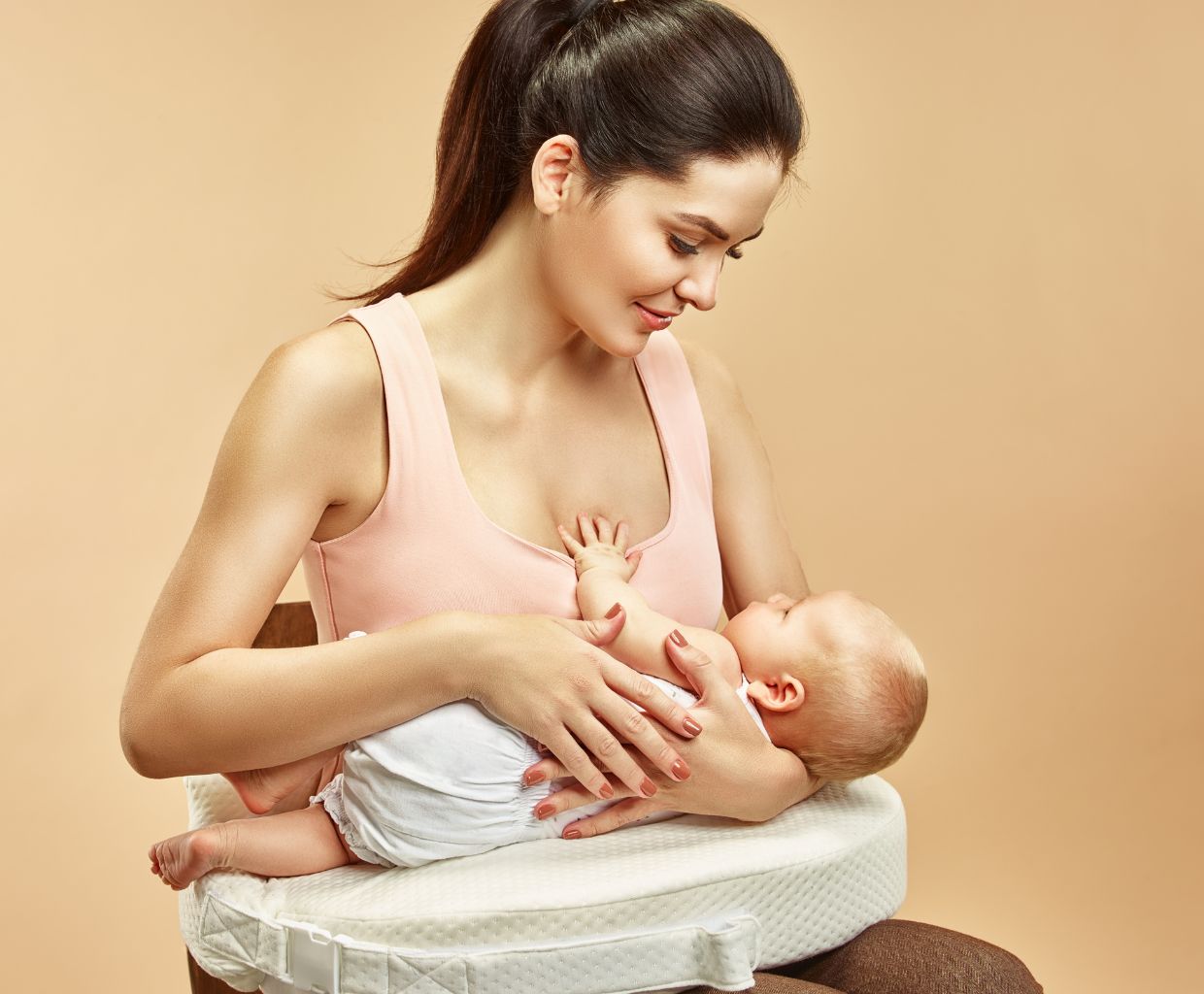
Breastfeeding Pillow Guide: How to Choose and Use One Safely
How to choose a breastfeeding pillow, the main shapes and features, how to use one for a good latch, and the CPSC and AAP rules for safe use.
Side-Lying Breastfeeding: How to Do It Safely
How to breastfeed lying on your side, step by step, who it helps most, how to switch sides, and what the AAP says about feeding in bed and safe sleep.
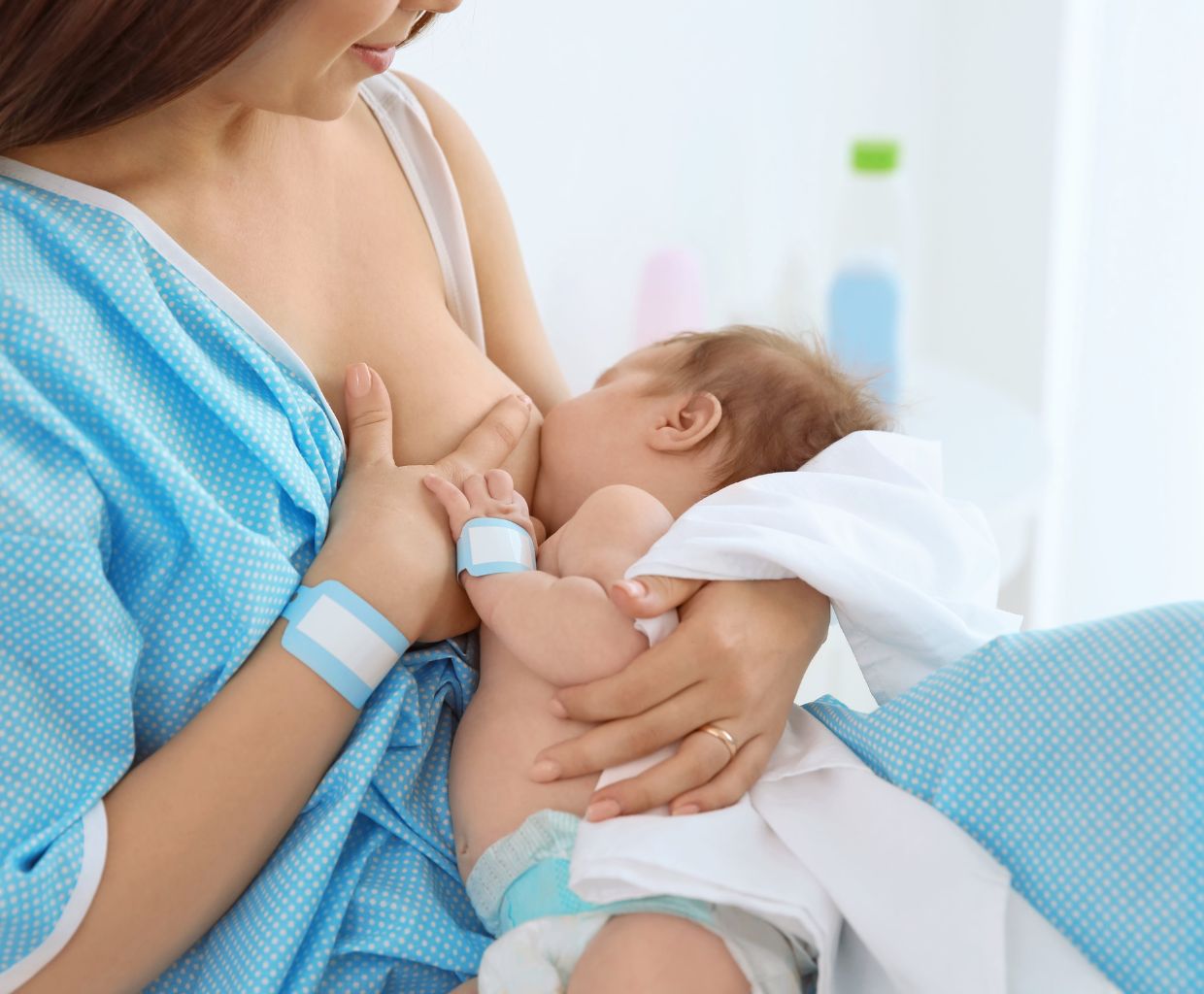
How to Breastfeed: Step-by-Step Latch and the Best Positions
A step-by-step guide to getting a deep, comfortable latch, five breastfeeding positions to try, and the beginner mistakes that are easy to fix.