Baby Bottle Washer Guide: Brush, Dishwasher or Countertop Machine?
By Breastfeeding Mom Editorial TeamUpdated 7 min read
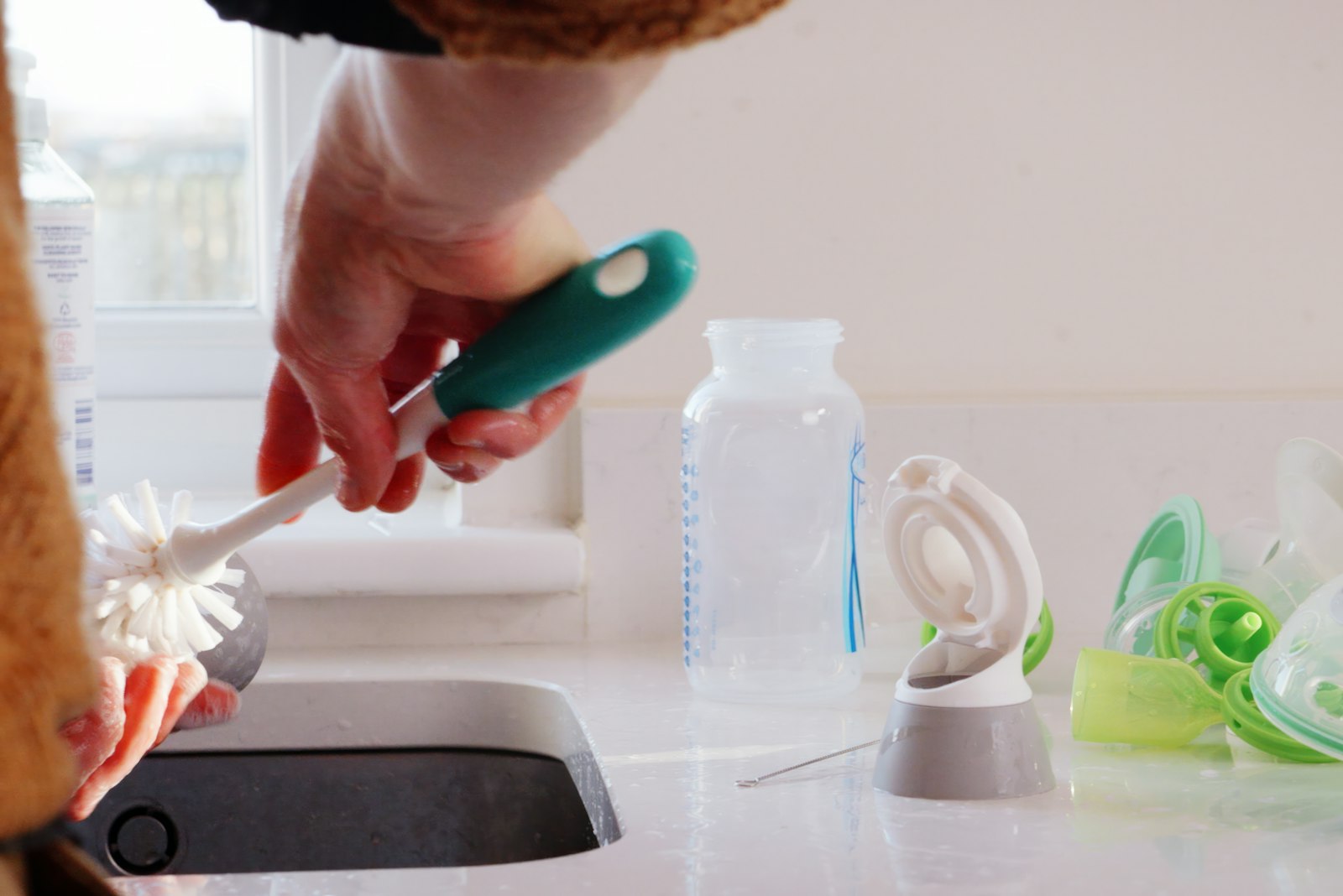
Once your baby takes bottles, or you start pumping, washing becomes part of every day. “Bottle washer” can mean three different things: a simple bottle brush, your dishwasher, or a countertop machine that washes and dries bottles for you. All three can work. What matters is that every part that touched milk gets washed and dried properly.
This guide compares the three options using CDC, FDA and NHS advice, and explains what to look for in each. We don’t rank brands or models, and we haven’t tested any products. For the full routine for pump kits, including tubing and the “fridge hack”, see our guide on how to clean breast pump parts.
Why careful washing matters
The CDC says germs can grow quickly in breast milk or milk residue left on pump parts, and that babies have become ill from contaminated milk because of bacteria growing on pump parts that weren’t cleaned properly. For bottles, the CDC says to clean them after every feeding, because germs can grow quickly if milk is added to a partly used bottle or if a used bottle is only rinsed instead of cleaned.
The steps below apply whether you feed breast milk or formula, and to bottles, nipples, rings, caps, valves and pump parts alike.
Option 1: Hand washing with a bottle brush
This is the low-cost option, and it’s what the CDC’s step-by-step guidance describes:
- Wash your hands with soap and water for 20 seconds.
- Take everything apart: bottles, nipples, caps, rings and valves, or the flanges, valves, membranes, connectors and bottles of your pump kit.
- Rinse under running water, warm or cold. Don’t set the items in the sink.
- Wash in a basin, not the sink. Use a clean basin used only for infant feeding items, filled with hot water and soap. The CDC explains that the sink may contain germs that could contaminate them.
- Scrub with a brush used only for baby feeding items, and squeeze water through the nipple holes.
- Rinse again under running water, or in a separate basin of fresh water.
- Air-dry on a clean, unused dish towel or paper towel in a spot protected from dirt and dust. Don’t rub or pat items dry with a dish towel, which can transfer germs.
Any regular dish soap is fine. The CDC advises against antibacterial soap for pump parts, and says to rinse off all soap residue. The FDA’s general advice for pump parts is similar: rinse in cool water as soon as possible after pumping, wash each piece separately in warm soapy water, then rinse with hot water for 10 to 15 seconds. Always check your pump’s manual, since methods differ by maker.
What to look for in a bottle brush
- Reach: a brush that reaches the bottom corners of your tallest bottle.
- A small nipple brush: the NHS suggests a small teat brush for the inside of nipples. You can also turn nipples inside out to wash them.
- A detail brush for pump parts, if allowed: the CDC says to use a small brush on valves and membranes only if your pump maker permits it. Scrubbing can damage some pump parts.
- Easy to clean: the CDC says to rinse the brush and let it air-dry after each use, and to wash it every few days (after every use for babies under 2 months, born prematurely or with a weakened immune system). A brush that’s dishwasher-safe or can be boiled makes this easier, and the CDC includes brushes and basins when you sanitize.
- Kept separate: use it only for your baby’s feeding items, not for dishes.
Option 2: The dishwasher
If your items are dishwasher-safe, the CDC’s dishwasher steps are:
- Take everything apart and rinse each part under running water.
- Put small items in a closed-top basket or mesh laundry bag so they don’t end up in the filter.
- Run the dishwasher with hot water and a heated drying cycle, or a sanitizing setting, if you can.
- Wash your hands before taking clean items out. If anything is still wet, let it air-dry on a clean towel or paper towel.
The FDA notes that some pump parts can go on the top rack, but to check your manual first. The NHS adds that bottles, lids and nipples should face downward, and that you may prefer to wash nipples by hand to make sure they’re completely clean.
CDC and NHS differ on one point. The CDC says a hot wash with a heated drying cycle or a sanitize setting means a separate sanitizing step isn’t needed. The NHS says a dishwasher cleans feeding equipment but does not sterilize it, and it recommends sterilizing all feeding equipment until your baby is at least 12 months old. If your baby is under 2 months, premature or has a weakened immune system, the CDC also recommends sanitizing daily.
Option 3: A countertop bottle washer
Countertop bottle washers (some also dry or steam) are a convenience product. We couldn’t find CDC, FDA, NHS or AAP guidance that evaluates them, so judge any machine against the same standards you would use for hand washing or a dishwasher:
| Question to ask | Why it matters |
|---|---|
| Does it wash with soap or detergent and hot water, or only rinse? | The CDC says a used bottle that is only rinsed, rather than cleaned, lets germs grow |
| Do your bottles, nipples and pump parts fit, fully taken apart? | Every part that touched milk needs washing |
| Do your bottle and pump makers allow this cleaning method? | The FDA says to check your pump’s manual for the recommended cleaning method, and the CDC says to check with the manufacturer about which sanitizing method to use |
| Does everything come out completely dry? | The CDC says to air-dry items thoroughly before storing to prevent germs and mold |
| Can you reach and clean the inside of the machine, its tray and any water tank? | Wet, hard-to-clean spaces can trap moisture |
| Does it fit your counter and routine? | If it’s a hassle, you’ll be back to hand washing anyway |
A machine with a heated drying or steam function may be marketed as sterilizing. Check what the maker says it does and how, and compare it with the methods the CDC lists: boiling, steaming in a microwave or plug-in steam system, a hot dishwasher cycle, or a bleach solution.
Drying and storing
Whichever method you choose, drying matters. The CDC says air-drying on a clean towel or paper towel is probably more hygienic than a drying rack, which can trap moisture, allow mold and germs to grow, and be hard to clean. If you prefer a rack, use it only for your baby’s feeding items, and wash, sanitize and dry it every few days (at least daily for babies under 2 months, born prematurely or with a weakened immune system).
Once items are completely dry, wash your hands, put the parts back together and store them in a clean, protected place, such as a closed cabinet used only for clean dishes. The CDC suggests a clean, unused sealable food storage bag for a pump kit.
Washing is also a good time to inspect parts. The CDC says to throw bottles away at the first sign of cracks, chips or wear, and notes that most nipple makers recommend replacing nipples every 6 weeks to 3 months. Our pump part replacement schedule helps you keep track of valves, membranes and other pump parts.
If you’re washing several pump kits a day, a few extra sets of parts can take the pressure off. Our pumping at work guide has more ideas, and you’ll find more equipment guides in our pumping hub.
When to talk to your pediatrician
- Your baby was born prematurely, is under 2 months old or has a weakened immune system. The CDC recommends extra care in these cases, including daily sanitizing and washing the basin and brush after every use. If your baby was premature or has other health concerns, the CDC says their care team may have more recommendations, so ask before your baby comes home from the hospital.
- Your baby has vomiting, diarrhea or seems unwell. Call your pediatrician. The NHS says sterilizing feeding equipment helps protect babies against infections, in particular diarrhea and vomiting.
- You or your baby are being treated for thrush. Ask your provider whether bottles, nipples, pacifiers and pump parts need extra cleaning. Our guide to thrush while breastfeeding explains where advice differs.
Shop on Amazon
Shop what this guide covers
Paid links: as an Amazon Associate we earn from qualifying purchases, at no extra cost to you. Links never change what we recommend. Disclosure
Frequently asked questions
Can I wash baby bottles directly in the kitchen sink?
The CDC advises against it. Sinks may contain germs that can contaminate feeding items, so wash them in a clean basin used only for infant feeding items, and rinse them under running water rather than setting them in the sink.
Does the dishwasher sterilize baby bottles?
The CDC says a dishwasher run with hot water and a heated drying cycle, or a sanitize setting, means a separate sanitizing step isn't necessary. The NHS takes a stricter view: it says a dishwasher cleans feeding equipment but does not sterilize it.
Can I use the same brush for bottles and pump parts?
Yes, as long as it's used only for your baby's feeding items. Check your pump maker's instructions first, because the CDC notes that scrubbing with a brush can damage some pump parts.
How do I clean the bottle brush itself?
Rinse it well and let it air-dry after each use. The CDC says to wash it every few days, by hand or in a hot dishwasher if it's dishwasher-safe, and after every use if your baby is under 2 months old, was born prematurely or has a weakened immune system.
Sources
- CDC: How to Clean, Sanitize, and Store Infant Feeding Itemshttps://www.cdc.gov/hygiene/about/clean-sanitize-store-infant-feeding-items.html
- CDC: How to Clean and Sanitize Breast Pumpshttps://www.cdc.gov/hygiene/about/about-breast-pump-hygiene.html
- FDA: Cleaning a Breast Pumphttps://www.fda.gov/medical-devices/breast-pumps/cleaning-breast-pump
- NHS: Sterilising Baby Bottleshttps://www.nhs.uk/baby/breastfeeding-and-bottle-feeding/bottle-feeding/sterilising-baby-bottles/
This guide is general information, not medical advice. For your own situation, talk to your doctor, midwife, pharmacist or an IBCLC lactation consultant. Read our medical disclaimer and find breastfeeding support near you.
Related articles
How to Clean Breast Pump Parts: The CDC Steps, Simplified
How to clean breast pump parts the CDC way: washing after every use, sanitizing, air-drying, tubing and mold, the dishwasher and the fridge hack.
Pumping Essentials: A Checklist for Home, Work and Exclusive Pumping
A practical pumping essentials checklist: the pump and right flange size, spare parts, storage, cleaning supplies, work gear and what's optional.
Manual Breast Pump: Lever vs Silicone Pumps and How to Use One
How manual breast pumps work, lever vs silicone suction pumps, who they suit, how to use one step by step and how to keep the parts clean.
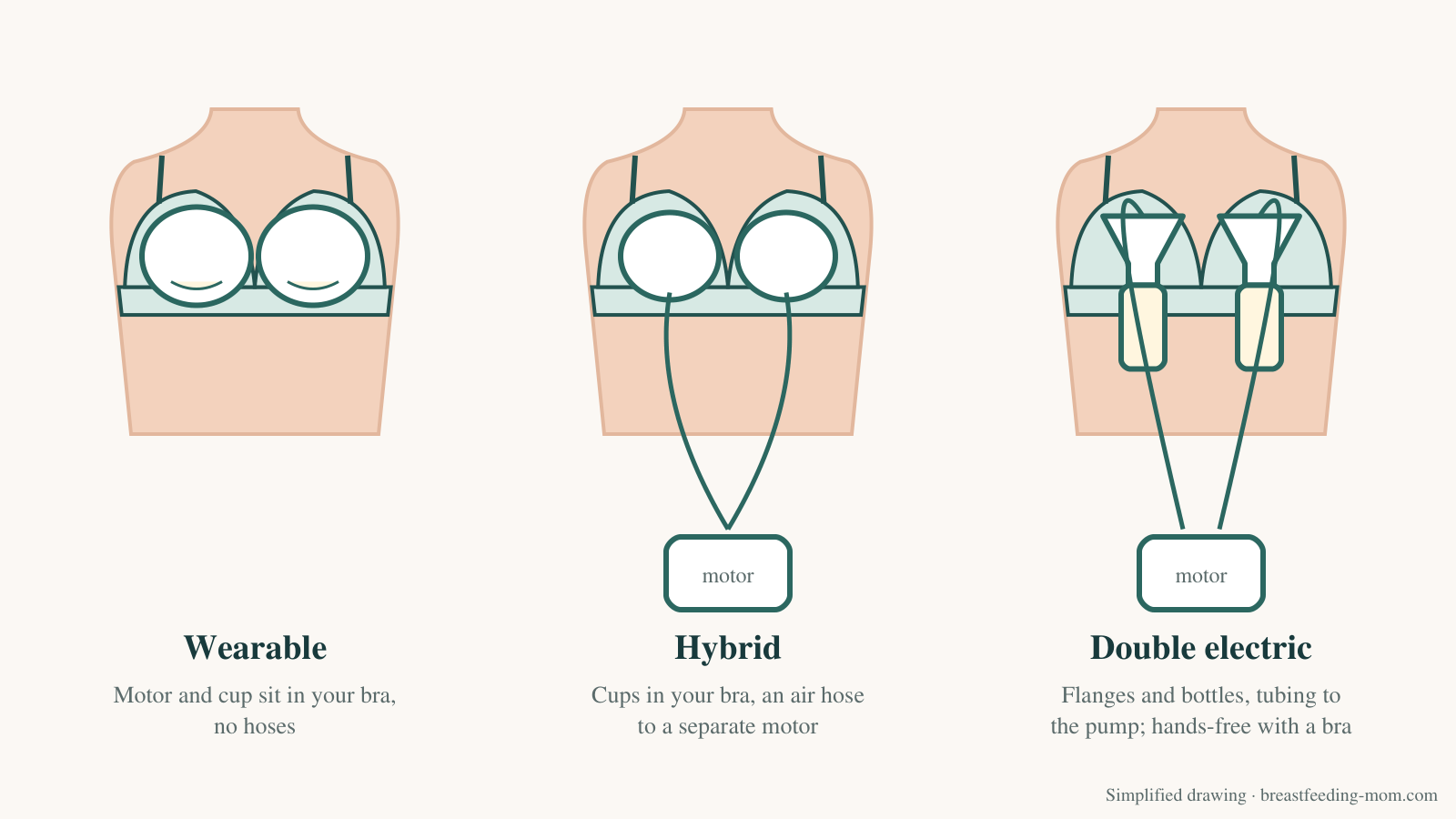
Wearable Breast Pump: How They Work, Pros and Cons, and Fit
An honest guide to wearable breast pumps: how they work, how they compare with traditional pumps, flange fit, cleaning and who they suit best.